

We may earn a commission when you buy through links on this page, at no extra cost to you. Learn more.
A typical darioush wine price ranges from about $55 to $70 per 750 ml bottle for entry-level whites and Caravan blends, $80 to $150 for the core Signature range, and $375 to $410 or more for flagship Darius II releases, according to Wine-Searcher and US merchant listings. Exact shelf figures shift depending on state alcohol taxes, retailer markups, and vintage age. Understanding how Darioush divides its Napa Valley and Russian River Valley bottlings helps buyers match their budget to the right cellar tier.
Founded in 1997 by Darioush and Shahpar Khaledi along Napa Valley’s Silverado Trail, darioush wine spans four distinct pricing tiers built around vineyard elevation, vine age, and barrel aging. Comparing retail averages against winery-direct releases reveals where the strongest value sits for immediate dinner pouring versus long-term cellaring.
Who This Darioush Wine Price Guide Is For
This guide serves wine shoppers, gift buyers, and collectors evaluating whether a specific Darioush bottling fits their budget and drinking timeline. It clarifies why two bottles carrying the same Napa Valley appellation can differ by more than three hundred dollars on a retail shelf.
Shoppers accustomed to everyday supermarket labels like barefoot wine often encounter a sharp jump when stepping into Napa Valley estate producers. Darioush farms roughly 65 planted acres across 130 total acres in southern Napa Valley, including high-elevation blocks on Mount Veeder and cooler parcels in Coombsville and Oak Knoll, according to The Napa Wine Project. Because vineyard yields are intentionally restricted and vines for Signature bottlings must reach 7 to 12 years of age before their fruit enters the blend, production stays small and bottle costs reflect intensive farming.
Gift shoppers looking for a recognizable Napa Valley label without crossing into triple-digit territory will find clear guidance on Darioush’s $55 to $90 offerings. Meanwhile, collectors comparing recent vintages against library releases or 1.5-liter magnums can use the tier breakdowns below to spot fair market pricing before ordering online or visiting the Silverado Trail tasting room.
Key Factors to Compare Across Darioush Price Tiers
Four variables drive almost every darioush wine price difference: portfolio tier, grape variety, vintage age, and bottle format. Reviewing US retail averages alongside direct winery pricing shows how each tier is positioned in the market.
| Portfolio Tier & Wine | Primary Grape & Origin | Typical US Retail Price Range (750 ml) | Aging & Production Profile |
|---|---|---|---|
| Caravan Cabernet Sauvignon | Cabernet Sauvignon blend, Napa Valley | About $55 to $70 (Wine-Searcher & Brix26 Wines) | 22 months in 60% new French oak; approachable early |
| Signature Whites (Chardonnay, Viognier) | Chardonnay, Viognier, Napa Valley | About $60 to $70 (Darioush & Wine-Searcher) | 6 to 11 months in French oak; cool-climate blocks |
| Signature Varietal Reds & Duel | Shiraz, Merlot, Pinot Noir, Cabernet Franc, Cab-Shiraz | About $74 to $100 (Wine-Searcher & Brix26 Wines) | 15 to 20 months in French oak; small-lot estate & Sonoma fruit |
| Signature Cabernet Sauvignon | Cabernet Sauvignon, Napa Valley | About $135 to $150 (Wine-Searcher & Brix26 Wines) | Flagship estate blend; vines aged 7 to 12+ years |
| Sage Vineyard Exclusives | Cabernet blend, Sauvignon Blanc, Mount Veeder | About $180 to $205 (Wine-Searcher) | Limited 1,800 to 2,080 ft elevation blocks; select vintages |
| Darius II Cabernet Sauvignon | Cabernet Sauvignon, Napa Valley | About $375 to $410 (Brix26 Wines & Wine-Searcher) | 21 months in 75% new French oak; licensed V&A Museum art |
Retail data compiled by Wine-Searcher across 20 Darioush bottlings shows current-release ex-tax averages running from $47 to $278 before factoring in rare back-vintage spikes. State excise taxes, shipping compliance fees, and local distributor margins cause final checkout totals to vary noticeably from state to state. A bottle of 2022 Signature Cabernet Sauvignon listed around $140 direct from the winery commonly appears between $140 and $150 at independent US wine merchants such as Brix26 Wines.
Vintage scarcity pushes prices far above release levels once a bottling enters the secondary market. On Wine-Searcher, current releases of Signature Cabernet Sauvignon hover near $140 to $141 ex-tax, whereas library vintages jump to averages of $225 for 2015, $271 for 2017, and $470 for 2016. Large-format bottles scale up proportionally or higher because etched and hand-painted 1.5-liter magnums, 3-liter double magnums, and 6-liter imperials are produced in tiny quantities.
Step-by-Step: How to Choose and Buy the Right Darioush Bottle
Selecting the right bottle starts with matching the wine’s tannin structure and price tier to your occasion rather than automatically reaching for the most expensive label. Follow these five steps to buy smartly and avoid overpaying.
- Set a realistic per-bottle budget by occasion: Plan on $55 to $70 for casual weeknight dinners or host gifts featuring Caravan or Signature whites, $80 to $100 for weekend roasts with Signature Shiraz or Merlot, and $135 to $150 for milestone dinners centered on Signature Cabernet Sauvignon, based on Wine-Searcher and Darioush release averages.
- Check the vintage release window before ordering: Current-release reds aged 18 to 22 months in French oak benefit from decanting, while older vintages priced above $200 carry cellar premiums suited for collectors who want mature tertiary notes without waiting a decade.
- Compare winery-direct allocation against local retail shelves: Winery-exclusive bottlings like Sage Vineyard Red, Sage Vineyard Sauvignon Blanc, and Pedar Shiraz sell primarily through Darioush’s First Offering Membership or tasting room, whereas Caravan and Signature wines appear at national fine-wine retailers.
- Verify bottle format and case pricing: Standard 750 ml bottles yield about five 5-ounce pours, while 1.5-liter magnums hold ten pours and list around $280 for Signature Cabernet Sauvignon on the Darioush website or roughly $760 for Darius II at Brix26 Wines.
- Factor in shipping weather and state tax differences: Order during mild spring or autumn temperatures to protect corks from heat spikes, and compare delivered prices across two or three licensed merchants because state sales taxes and cold-pack shipping add $15 to $45 per order.
Tip: When shopping for a celebratory dinner within six months, compare a current-vintage Signature Cabernet Sauvignon (around $140 to $150 at US retailers per Wine-Searcher) against two bottles of Caravan Cabernet Sauvignon (about $56 to $60 each). Both share southern Napa Valley Cabernet fruit, but Caravan uses a softer Bordeaux blend profile that opens faster with a 30-minute decant.
Darioush Wine Styles and Tiers Explained
Darioush organizes its portfolio into four stylistic tiers that move from plush, approachable blends to concentrated mountain Cabernet Sauvignons. Each tier reflects specific vineyard blocks, oak barrel coopers, and aging timelines.
Caravan and the Signature White Wines
Caravan serves as Darioush’s entry point into Napa Valley Cabernet Sauvignon, averaging $56 ex-tax on Wine-Searcher and retailing near $60 at Brix26 Wines. Under winemaker Hope Goldie, the 2022 Caravan blends 75% Cabernet Sauvignon with 11% Merlot, 8% Cabernet Franc, and 6% Malbec, aging 22 months in 60% new and 40% neutral French oak to deliver plush blackberry compote, cardamom, and fine-grained tannins. Alongside Caravan, the Signature white lineup includes Signature Chardonnay ($60 direct from Darioush; $66 average on Wine-Searcher) grown in cool Los Carneros and Oak Knoll sites, plus Signature Viognier ($70 average on Wine-Searcher) fermented with minimal intervention for bright stone-fruit acidity.
Signature Varietal Reds and The Duel
Priced between $74 and $100 per 750 ml bottle across Wine-Searcher and Brix26 Wines, the secondary Signature reds highlight single-varietal expressions and cross-varietal blending. Signature Shiraz ($85 average on Wine-Searcher) draws from Estate and Oak Knoll vines and spends 18 months in 70% new Burgundian French oak barrels, pairing medium-plus tannin with smoked meat and black pepper notes. Signature Merlot ($85 average) and Signature Cabernet Franc ($90 average) showcase rocky Mount Veeder and valley-floor blocks, while The Duel ($74 average) marries Cabernet Sauvignon with Shiraz for structured dark fruit and exotic spice. Darioush also produces Signature Pinot Noir ($89 average on Wine-Searcher; $90 direct from Darioush) from a four-acre dry-farmed vineyard on Vine Hill Road in Sonoma County’s Russian River Valley.
Signature Cabernet Sauvignon and Sage Vineyard Exclusives
Common Mistakes When Buying Darioush Wines
Paying more for a luxury Napa Valley bottle does not guarantee a better experience at the dinner table if the wine is served too young, paired poorly, or purchased at inflated secondary markups. Avoiding four frequent missteps protects both your budget and the wine’s flavor profile.
The most common error is uncorking a current-release Darius II or Signature Cabernet Sauvignon immediately before dinner without aeration. Because these wines spend 18 to 22 months in 70% to 75% new French oak barrels and rely on thick-skinned Mount Veeder fruit, their high tannin structure feels tight and astringent straight out of the bottle. Decanting young full-bodied Darioush reds for 30 to 60 minutes softens the tannins and opens up dark cassis, cedar, and baking-spice aromatics.
Buyers also frequently confuse Caravan Cabernet Sauvignon with Signature Cabernet Sauvignon when browsing online listings. While Caravan averages about $56 to $60 per 750 ml bottle according to Wine-Searcher and Brix26 Wines, Signature Cabernet Sauvignon averages $141 ex-tax on Wine-Searcher, so assuming a $140 listing is a steep markup—or expecting a $60 Caravan bottle to match Darius II concentration—leads to mismatched expectations. Checking the label carefully for the Caravan crest, Signature designation, or Darius II artwork prevents accidental tier mix-ups.
Another costly mistake is buying older vintages from unverified third-party sellers without checking provenance. Library releases of Signature Cabernet Sauvignon and Darius II can reach $225 to over $1,200 on Wine-Searcher, and bottles stored upright in warm warehouses risk dried corks and premature oxidation. Stick to direct winery allocations, established fine-wine merchants like Brix26 Wines, or reputable auction houses with documented temperature-controlled storage.
Finally, pairing high-alcohol, high-tannin Napa reds with spicy dishes or delicate fish diminishes the wine’s value. Chili heat amplifies alcohol warmth and tannic bitterness, while oily fish clashes with firm red tannins. Instead, serve Darioush Cabernet Sauvignon or Shiraz alongside salted, marbled ribeye, braised lamb shanks, or aged hard cheeses, where salt and fat naturally soften the wine’s structure—and reserve sparkling options like la marca prosecco for light appetizers before the main course.
Serving, Decanting, and Storage Tips for Darioush Bottles
Proper temperature control and bottle positioning preserve the fruit purity and oak integration that justify a premium darioush wine price. Following standard cellar benchmarks ensures every glass shows its intended balance from the first pour to the last.
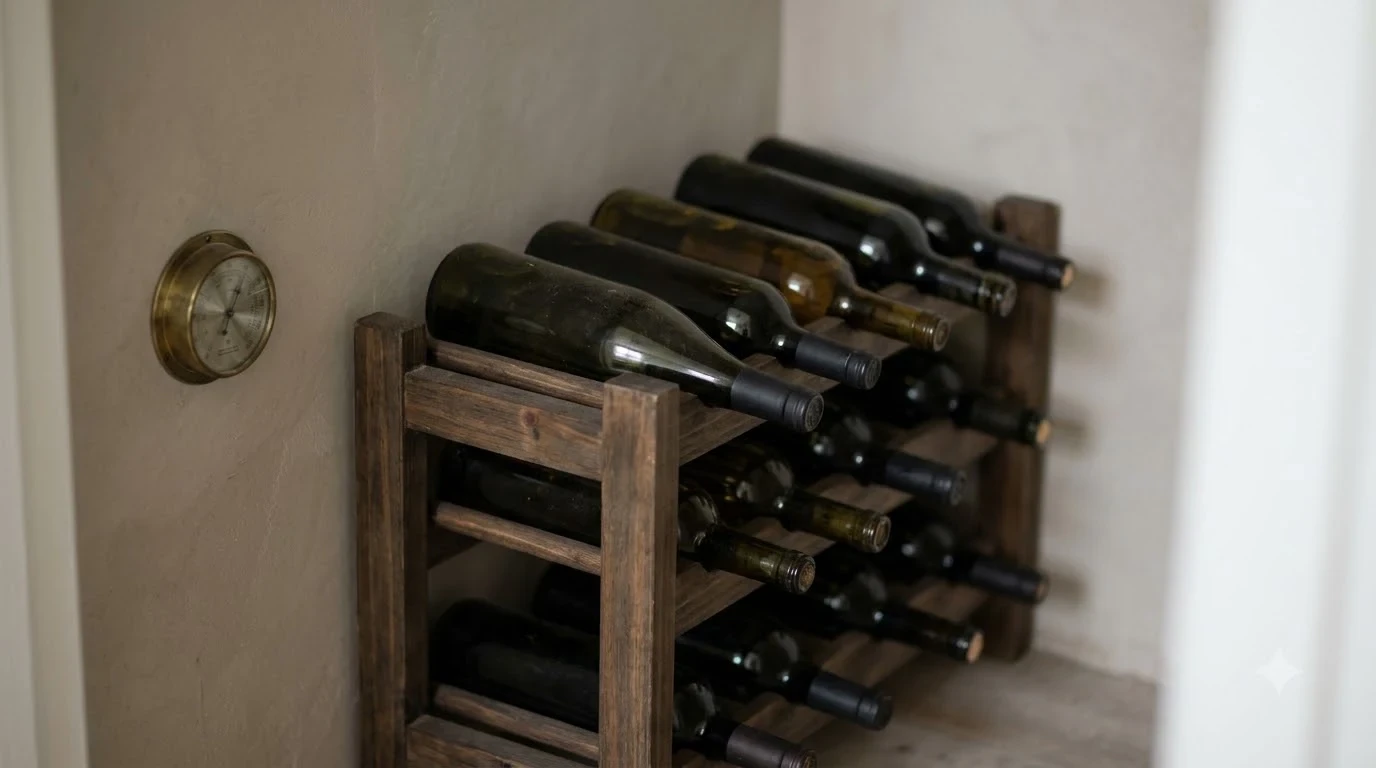
For long-term cellaring, store unopened Darioush bottles horizontally on their side near 55°F with steady humidity around 50% to 70% so natural corks stay moist and airtight. Vibrations and sharp temperature swings accelerate aging, making a dedicated compressor or thermoelectric wine fridge far more reliable than a kitchen refrigerator or uninsulated closet. Under ideal cellar conditions, Signature Cabernet Sauvignon and Darius II develop savory leather, dried fig, and tobacco complexity over 10 to 20 years, whereas Signature Chardonnay and Viognier drink best within 3 to 6 years of vintage.
Serving temperature shapes how oak, acidity, and alcohol register on the palate:
- Signature Viognier and Sauvignon Blanc: Serve chilled at 45°F to 50°F to keep stone-fruit and citrus acidity crisp.
- Signature Chardonnay: Pour slightly warmer at 50°F to 55°F so French oak spice and creamy texture remain expressive without muting freshness.
- Signature Pinot Noir: Chill lightly to 55°F to 60°F to highlight bright Russian River Valley red berry fruit and natural acidity.
- Caravan, Signature Cabernet Sauvignon, Shiraz, Merlot, and Darius II: Serve at cool cellar temperature between 60°F and 65°F rather than warm room temperature so alcohol stays integrated.
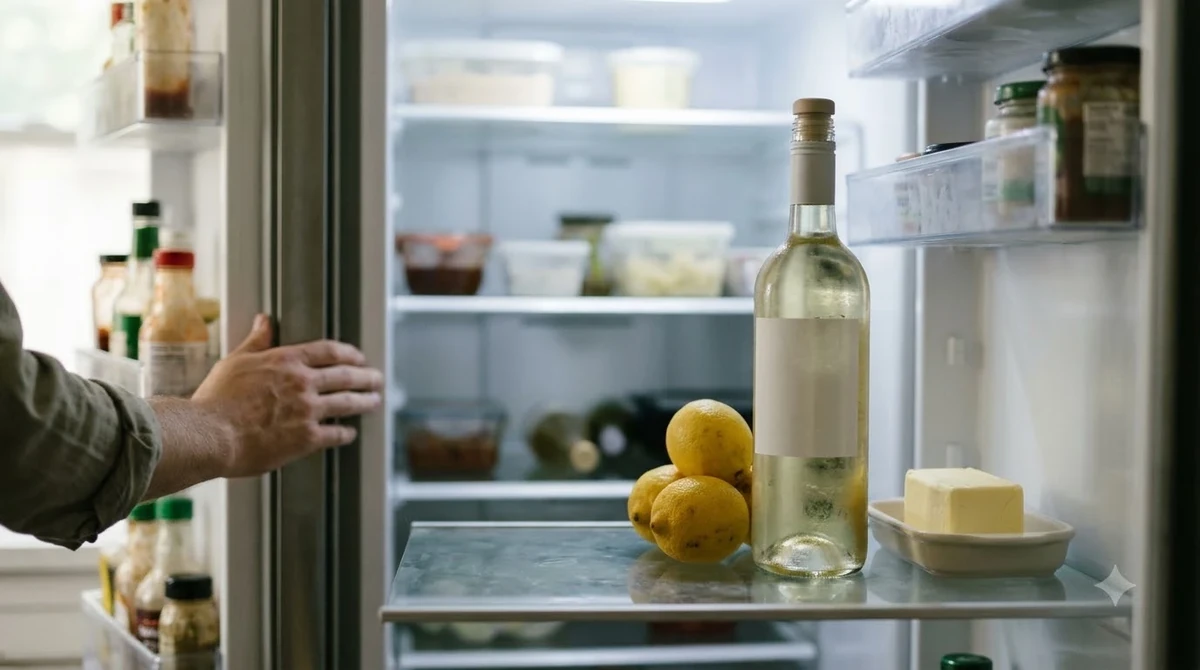
Once opened, recork unfinished still Darioush wines and place them upright in a refrigerator, where they retain good flavor for 3 to 5 days. Vacuum pumps or inert-gas preservation systems extend freshness toward the five-day mark for structured reds like Signature Cabernet Franc and The Duel.
Frequently Asked Questions
How much is a wine tasting at the Darioush estate in Napa Valley?
Seated tasting experiences at the Darioush hospitality center at 4240 Silverado Trail typically range from about $95 to $150 or more per guest depending on the flight tier, according to winery visitor listings and Napa Valley touring guides. Standard Portfolio Tastings feature current-release Signature wines, while raised Collector Flights pour library vintages and Darius II alongside small culinary pairings.
Does joining the Darioush wine club lower the price per bottle?
Membership in Darioush’s First Offering allocation tiers does not dramatically discount standard retail pricing, as allocations are built around guaranteed access to small-lot wines rather than heavy markdowns. However, members receive priority access to winery-exclusive bottlings—such as Pedar Shiraz and single-vineyard Mount Veeder releases—at direct release pricing before they hit secondary-market markups, plus complimentary estate tastings.
What is Darioush Pedar Shiraz and how much does it cost?
Pedar Shiraz is a limited-production, 100% Shiraz bottling named in honor of founder Darioush Khaledi’s father, crafted from select estate blocks in southern Napa Valley. According to Wine-Searcher retail tracking, Pedar Shiraz carries an average US ex-tax price of roughly $150 to $175 per 750 ml bottle, positioning it well above the $85 Signature Shiraz.
Why are Darioush wines priced higher than mass-market California labels?
Darioush farms low-yielding hillside and cool-climate Napa Valley vineyards—including steep Mount Veeder terraces up to 2,080 feet—where hand harvesting and steep terrain raise farming costs per ton, as documented by The Napa Wine Project. The winery also ages its reds in barrels sourced from nearly 20 French oak coopers, which adds roughly $1,000 or more per new barrel to production overhead.
How many glasses are in a standard 750 ml bottle versus a Darioush magnum?
A standard 750 ml bottle holds 25.4 ounces, yielding about five standard 5-ounce pours, whereas a 1.5-liter magnum holds 50.7 ounces or roughly ten pours. Wine ages more slowly in magnums because the ratio of oxygen in the bottle neck to wine volume is half that of a standard 750 ml bottle, making magnums popular for long-term cellaring.
Evaluating every darioush wine price alongside its vineyard source, oak aging regimen, and drinking window makes it straightforward to choose between an approachable Caravan blend, a classic Signature Cabernet Sauvignon, or an allocated Darius II centerpiece. For more comparisons across domestic and international producers, explore additional Wine Brands guides before building your next cellar order.
More in Wine Brands
 Underwood Wine Price: Compare Bottles, Cans, and Pack SizesUpdated Nov 21, 2026
 Zenato Wine Price: Compare Styles and Choose the Right BottleUpdated Nov 21, 2026
 Zuccardi Wine Price: Compare Bottles and Find the Right RangeUpdated Nov 21, 2026
 Yellow Tail Moscato Review: Taste, Sweetness and Serving TipsUpdated Nov 21, 2026
 Wolf Blass Yellow Label Review: Choose Your Best StyleUpdated Nov 21, 2026
 Wolffer Estate Rose Review: Choose the Right Bottle for Your TableUpdated Nov 21, 2026