

We may earn a commission when you buy through links on this page, at no extra cost to you. Learn more.
Is 14 Hands wine good? Yes, 14 Hands is a good choice for approachable, fruit-forward Washington wines, particularly if you enjoy smooth red blends, easy-drinking Cabernet Sauvignon, and refreshing everyday whites. The brand offers a broad selection of varietal wines and blends designed for casual meals and relaxed occasions. Its main strength is accessibility rather than highly complex, cellar-worthy wine, making it particularly appealing to people who want dependable flavors without a formal wine experience.
14 Hands has developed a recognizable place in the American wine market through its Washington origins, approachable style, and diverse selection. However, not every bottle tastes the same. Cabernet Sauvignon offers darker fruit and firmer tannins, Hot to Trot delivers a smoother red-blend experience, and Sauvignon Blanc provides a brighter alternative. Understanding these differences makes it easier to decide whether the brand matches your preferences and which bottle deserves a place at your table.
Who Should Buy 14 Hands Wine?
14 Hands is best suited to wine drinkers who enjoy fruit-forward flavors, accessible textures, and versatile bottles for everyday occasions. Its selection includes familiar grapes and approachable blends, making it a practical starting point for people who are still discovering their preferred wine styles.

The brand’s roots are in eastern Washington, where the story of the winery takes inspiration from wild horses that once roamed the Columbia River Valley. The winery explains that these horses measured approximately fourteen hands in height, inspiring the brand name. Its Prosser operation focuses on producing expressive reds and crisp whites using fruit from Washington vineyards. The official 14 Hands winery story provides additional background on the landscape and inspiration behind the label.
There are several reasons different types of consumers might enjoy the brand:
- Casual red wine drinkers: Hot to Trot and the Cabernet Sauvignon provide familiar cherry, berry, and dark-fruit flavors without requiring extensive wine knowledge.
- New wine enthusiasts: The recognizable grape varieties make it easier to understand the differences between Cabernet Sauvignon, Merlot, Chardonnay, and Sauvignon Blanc.
- People hosting informal dinners: The selection includes wines that can accompany barbecue, pasta, grilled vegetables, and cheese boards.
- White wine drinkers: Sauvignon Blanc, Pinot Grigio, and Chardonnay offer different combinations of acidity, fruit, and texture.
- People who prefer convenience: Selected wines are also available in cans, providing alternatives to traditional 750 ml bottles.
However, 14 Hands may not satisfy someone looking specifically for highly structured, age-worthy Cabernet Sauvignon, distinctive single-vineyard expressions, or complex wines intended for formal tasting. Those preferences usually call for more specialized bottles with a stronger emphasis on vineyard character, vintage differences, and detailed winemaking.
The important distinction is that accessible wine is not automatically poor-quality wine. A bottle can be straightforward and enjoyable without having the depth or individuality of a more ambitious wine. For its intended audience, 14 Hands offers a sensible balance of familiar flavors and versatility.
Key Factors to Compare When Choosing 14 Hands
The best way to evaluate 14 Hands is to compare grape variety, flavor profile, acidity, tannin, and alcohol content rather than treating the entire brand as one wine. These characteristics determine whether a particular bottle will suit your palate and the food you plan to serve.
| Wine | General Style | Flavor Direction | Alcohol | Best Use |
|---|---|---|---|---|
| Cabernet Sauvignon | Fruit-forward red | Dark cherry, black currant, coffee, spice | 13.5% | Grilled meat and hearty meals |
| Hot to Trot Red Blend | Smooth red blend | Cherry, red currant, plum, baking spice | 13.5% | Barbecue and casual dinners |
| Sauvignon Blanc | Fresh white | Lemon, melon, citrus | 13% in the reviewed 2023 vintage | Seafood and lighter meals |
| Chardonnay | Rounded white | Lemon, guava, shortbread, toasted hazelnut | 13.5% in the reviewed 2022 vintage | Chicken and creamy dishes |
| Merlot | Softer red | Approachable red-fruit character | Varies by bottling | Everyday pasta and meat dishes |
| Pinot Grigio | Crisp white | Fresh, light fruit character | Varies by bottling | Salads and lighter seafood |
The alcohol figures above refer to specific reviewed or currently listed bottlings, not guaranteed specifications for every vintage. The winery lists its Cabernet Sauvignon and Hot to Trot Red Blend at 13.5% ABV, while Wine Enthusiast records 13% for its reviewed 2023 Sauvignon Blanc. This makes the table useful for comparing representative examples without assuming every bottle has identical technical specifications.
Another important consideration is the difference between a varietal wine and a blend. A varietal Cabernet Sauvignon is primarily identified by its principal grape, while a red blend can combine several varieties to create a particular balance of fruit, structure, and texture. If you prefer recognizable dark-fruit Cabernet character, start with the former. If you prefer a rounder, more immediately approachable red, the latter may be a better match.
Acidity and tannin also deserve attention. Cabernet Sauvignon generally has higher tannin, while Merlot is typically softer. Sauvignon Blanc and Riesling tend to have higher acidity than Chardonnay. These differences influence how a wine feels with food and whether it tastes refreshing, firm, rounded, or rich.
For an additional look at the brand’s selection, the 14 Hands wine overview can help narrow down the available styles before choosing a particular bottle.
Step-by-Step: How to Choose the Right Bottle
Choosing a 14 Hands wine becomes easier when you start with your preferred flavor profile and work toward the occasion. A few simple decisions about color, sweetness, food, and serving temperature can prevent an unsuitable purchase.
-
Decide whether you want red or white wine.
Start with Cabernet Sauvignon or Hot to Trot if you enjoy red wine. Choose Sauvignon Blanc or Pinot Grigio for a brighter white style. Chardonnay is a useful middle ground if you prefer a fuller texture.
-
Identify your preferred fruit flavors.
Choose Cabernet Sauvignon if dark cherry, black currant, and coffee appeal to you. Hot to Trot is more focused on cherry, red currant, ripe berries, and plum. Sauvignon Blanc is more suitable for people who enjoy lemon, melon, and fresh citrus characteristics.
-
Consider how much tannin you enjoy.
Tannin creates a drying sensation on the gums and cheeks. Cabernet Sauvignon typically has higher tannin than Merlot. If you dislike that firm sensation, a softer Merlot or smooth red blend may be a more comfortable introduction.
-
Match the wine to your meal.
For grilled beef, barbecue pork, and hard cheeses, consider Cabernet Sauvignon. Hot to Trot works with lasagna, grilled mushrooms, and hearty cheeses. For seafood, salads, or goat cheese, a fresh Sauvignon Blanc or Pinot Grigio is generally more appropriate.
-
Decide whether you want a dry or sweeter experience.
Do not assume that ripe fruit aromas automatically mean a wine contains substantial residual sugar. Many fruit-forward reds are dry. If you prefer a noticeably sweet wine, investigate the brand’s Sweet Red Blend rather than automatically selecting Cabernet Sauvignon or Hot to Trot.
-
Consider the serving occasion.
A conventional 750 ml bottle provides approximately five standard 5 oz glasses. For a small dinner, one bottle may be sufficient, while cans can offer a convenient alternative for picnics and informal outdoor gatherings.
-
Serve the wine at an appropriate temperature.
Light whites are generally most refreshing at 45–50°F, full-bodied whites at 50–55°F, and full-bodied reds at 60–65°F. Avoid serving red wine excessively warm or Sauvignon Blanc directly from a warm room.
Following these steps is more useful than selecting a bottle based entirely on its label or brand recognition. A wine that matches your preferred acidity, fruit character, and food pairing will usually provide a more satisfying experience than one selected without considering those factors.
Tip: If you are uncertain which red to choose, start with Hot to Trot for its cherry, plum, and refined-tannin profile. Choose Cabernet Sauvignon instead if you specifically enjoy black currant, darker fruit, and a firmer structure.
Types of 14 Hands Wine Explained
14 Hands offers several distinct wine categories, including varietal reds, red blends, white wines, rosé, and sparkling options. Understanding what separates these categories helps explain why one bottle might appeal to you more than another.
Cabernet Sauvignon: For Dark Fruit and Structure
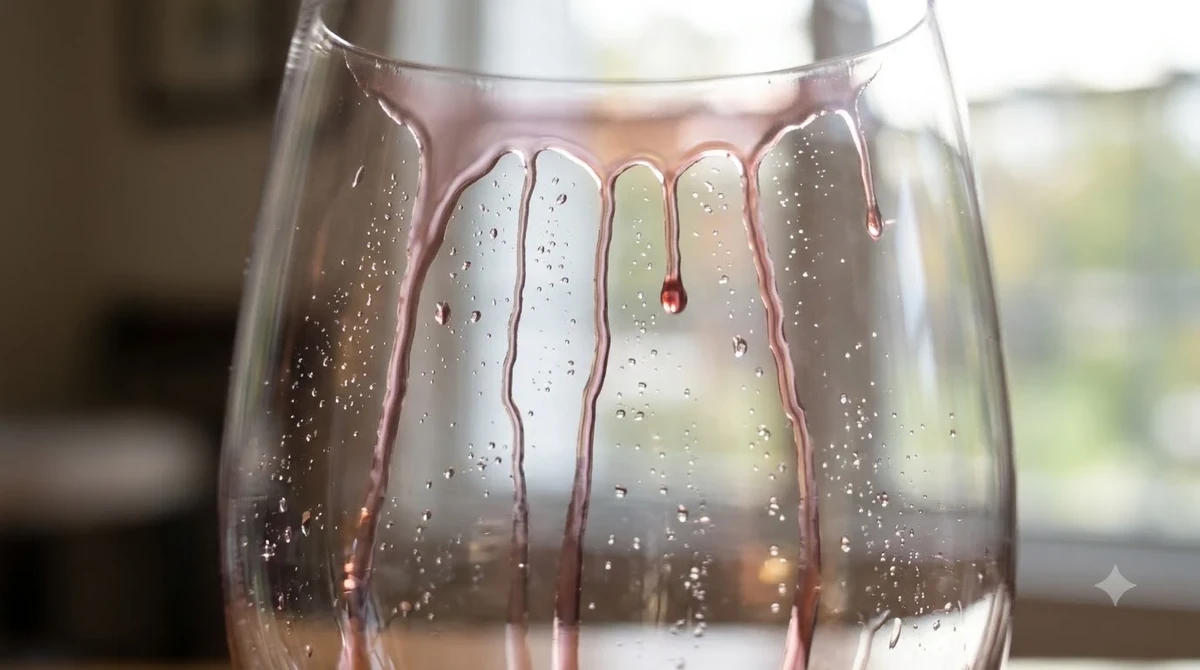
The 14 Hands Cabernet Sauvignon is a logical choice for people who enjoy traditional American Cabernet characteristics. The winery describes its version through dark cherry, black currant, coffee, subtle spice, refined tannins, and a touch of oak.
Its listed alcohol content is 13.5% ABV. That combination of dark fruit and noticeable structure makes it a suitable companion for grilled pork, lasagna, hearty cheeses, and other substantial dishes. It is particularly appealing to people who want a recognizable Cabernet profile without moving into a more demanding or heavily structured wine category.
Cabernet Sauvignon should not be confused with a sweet red blend. Its ripe fruit character can make it seem generous, but the grape is generally associated with substantial tannin and a dry finish. People who prefer softer reds may find Merlot or Hot to Trot more comfortable.
Hot to Trot: For Smooth Red Wine Drinkers
Hot to Trot is one of the brand’s most recognizable selections. The winery identifies it as its best-selling red blend and describes aromas of cherry, red currant, and tea, followed by cherry pie, ripe berries, plums, and subtle baking spice.
Its listed alcohol content is 13.5% ABV. Refined tannins contribute to its approachable style, making it an appealing option for people who enjoy generous fruit flavors without wanting the firmer structure often associated with Cabernet Sauvignon.
It also has practical food-pairing versatility. Barbecue pork, grilled portobello mushrooms, lasagna, and hearty cheeses are among the winery’s recommendations. For someone choosing a first 14 Hands bottle, this red blend is a sensible starting point.
For more information about its flavor profile and positioning, the 14 Hands Hot to Trot wine overview provides a useful next step.
Merlot: For a Softer Red Profile
Merlot is generally softer in tannin than Cabernet Sauvignon, which makes it attractive to drinkers who want red wine without an especially firm or drying finish. The 14 Hands portfolio describes its Merlot as soft and approachable.
This style can work well with roasted chicken, mushroom pasta, meatballs, and moderately seasoned grilled foods. Merlot also provides a useful comparison point for anyone deciding whether they prefer the firmer character of Cabernet Sauvignon or a rounder red-wine experience.
It is important not to assume that every Merlot tastes sweet. Softer tannins and ripe fruit can create an impression of sweetness even when the wine itself is dry.
Chardonnay: For Fuller White Wine
Chardonnay is a useful option for people who prefer a richer white wine rather than a very crisp, citrus-driven style. Wine Enthusiast’s review of the 2022 14 Hands Chardonnay identifies lemon, guava, lemon curd, shortbread, and toasted hazelnut characteristics, along with a silky texture and modest acidity.
That combination makes Chardonnay suitable for roast chicken, creamy pasta, roasted vegetables, and dishes with buttery sauces. It is generally more rounded than Sauvignon Blanc, which tends to have sharper acidity and a fresher citrus impression.
Chardonnay is also a good option for people transitioning from red wine to white wine because its texture can feel more substantial than that of lighter whites.
Sauvignon Blanc and Pinot Grigio: For Refreshing Whites
Sauvignon Blanc is the stronger choice for drinkers who enjoy lively acidity and citrus-forward flavors. Wine Enthusiast’s review of the 2023 14 Hands Sauvignon Blanc describes lemon zest, melon, lemon verbena, and an elevated-acidity profile. The reviewed bottling contained 13% alcohol and came from Columbia Valley.
The publication also recommends pairing that Sauvignon Blanc with baguette and fresh goat cheese. This is a useful example of how acidity can complement creamy, tangy foods and keep the overall combination refreshing.
Pinot Grigio offers another direction. The winery describes its version as crisp and refreshing, making it a natural candidate for lighter meals, salads, shellfish, and casual outdoor dining. The choice between these two wines comes down to whether you prefer more pronounced citrus acidity or a lighter, straightforward white-wine experience.
Rosé, Sweet Red, and Sparkling Options
Beyond its principal varietal wines and red blends, 14 Hands offers rosé, a Sweet Red Blend, and sparkling options in cans. These selections extend the brand’s appeal beyond people who primarily drink Cabernet Sauvignon or conventional white wines.
Rosé is worth considering for warm-weather meals, grilled vegetables, light appetizers, and picnic food. A Sweet Red Blend is more appropriate for someone who actively prefers a sweeter flavor profile. It should not be treated as interchangeable with the brand’s Cabernet Sauvignon or dry red blends.
The sparkling canned options provide a different serving format. They can be convenient for outdoor occasions where carrying and opening a traditional bottle is less practical. However, canned wine should be evaluated according to its own style rather than assumed to taste exactly like the equivalent bottled category.
Common Mistakes When Buying 14 Hands Wine
Many disappointing wine purchases happen because buyers expect every bottle from one producer to have the same sweetness, body, and flavor profile. With 14 Hands, the difference between a 13.5% ABV Cabernet Sauvignon, a smooth red blend, and a crisp white can be considerable.
Assuming Fruit-Forward Means Sweet
One common mistake is interpreting cherry, plum, blackberry, or ripe berry aromas as proof that a wine is sweet. Fruit-forward describes the wine’s flavor expression, not necessarily its residual sugar level.
Cabernet Sauvignon can have prominent black cherry and plum characteristics while remaining dry. Hot to Trot can also taste generous and ripe without being equivalent to a dessert wine. If sweetness is your main priority, the Sweet Red Blend is a more logical category to investigate.
Expecting Every Red to Have the Same Tannin
Cabernet Sauvignon and Merlot have different natural structural characteristics. Cabernet generally has higher tannin, while Merlot tends to be softer. A buyer who dislikes a drying sensation might prefer Merlot or a smooth red blend over a more structured Cabernet.
Food also changes how tannin feels. Salt and fat can soften the perception of tannin, which helps explain why a firm red wine often works better with a fatty grilled steak than with a delicate seafood dish.
Choosing Wine Without Considering the Food
A bold red can overwhelm a light meal, while a delicate white may seem less satisfying beside heavily seasoned meat. Consider the weight and intensity of the food before choosing the bottle.
Cabernet Sauvignon works naturally with grilled meats, hearty cheeses, and lasagna. Sauvignon Blanc is more suitable for goat cheese, lighter seafood, and citrus-oriented dishes. Avoid pairing strongly tannic reds with oily fish because the combination can create an unpleasant metallic impression.
Serving Wine Too Warm or Too Cold
Serving temperature has a major effect on the balance of fruit, acidity, alcohol, and tannin. A full-bodied red served at 75°F can emphasize alcohol and seem heavy, while an excessively cold red may conceal its fruit and aroma.
Similarly, a white wine served too warm can lose some of its refreshing character. Light whites generally benefit from 45–50°F, while fuller Chardonnay styles are often more expressive around 50–55°F.
Expecting a Casual Wine to Behave Like a Collectible Bottle
Another mistake is buying an approachable everyday wine with the expectation that it will develop the complexity of a premium cellar wine after many years. Most wines in this accessible category are intended to be enjoyed for their current fruit and balance rather than stored for extended aging.
14 Hands makes more sense as a practical drinking choice than as a substitute for collectible, single-vineyard wines. Its appeal is familiarity, versatility, and straightforward enjoyment.
Serving and Storage Tips for Better Enjoyment
Proper serving and storage can make a noticeable difference even with an everyday wine. Keeping bottles at a stable temperature, using suitable glassware, and allowing the wine to reach the right serving temperature helps preserve its intended character.
Serve Red Wines at the Right Temperature
For 14 Hands Cabernet Sauvignon and Hot to Trot, aim for approximately 60–65°F. This is cooler than the temperature of many American dining rooms, so a short period in the refrigerator before serving can help.
Merlot can also benefit from slightly cool serving conditions, particularly if the room is warm. Avoid placing an opened red bottle beside a hot oven or leaving it in direct sunlight during dinner.
Keep White Wines Refreshing
Sauvignon Blanc and Pinot Grigio generally work well at 45–50°F. Chardonnay is better served slightly warmer, around 50–55°F, especially when its texture and oak-related characteristics are more prominent.
Excessive chilling can make white wines seem less aromatic and can mute their fruit flavors. If a bottle comes directly from a very cold refrigerator, give it a little time in the glass before judging its character.
Use Appropriate Glassware and Pour Sizes
A standard 5 oz pour allows room in the glass for aromas to develop. A typical 750 ml bottle contains approximately five such servings. Red wines benefit from a glass with enough bowl space to allow swirling, while white wines can be served in somewhat smaller-bowled glasses that help maintain a cooler temperature.
There is no requirement to purchase expensive glassware to enjoy 14 Hands. Clean, odor-free glasses with enough space for the wine to move are sufficient for an ordinary dinner.
Understand When Decanting Helps
Most approachable wines from the brand can be poured directly from the bottle. A young, full-bodied red may benefit from approximately 30–60 minutes of aeration, but extensive decanting is not automatically necessary for every bottle.
Hot to Trot, for example, is positioned as a smooth, accessible red blend. A short period in the glass is generally a reasonable starting point. Cabernet Sauvignon may benefit from more air if its tannins seem particularly firm.
Store Opened and Unopened Bottles Properly
Unopened bottles should be kept away from direct sunlight, excessive heat, and large temperature fluctuations. For longer-term storage, a cool environment near 55°F is a useful target, and bottles sealed with natural cork are generally stored on their sides.
Once opened, still wines typically remain enjoyable for approximately three to five days when properly resealed and refrigerated. Sparkling wines generally last one to three days with an appropriate sparkling-wine stopper. The refrigerator is useful for preserving opened red wines too; simply allow a serving to warm slightly before drinking.
For most 14 Hands wines, buying a bottle for an upcoming meal and enjoying it within a few days is more practical than planning extended storage. These are wines whose appeal is primarily immediate accessibility and everyday versatility.
Frequently Asked Questions
Is 14 Hands considered a good Washington wine brand?
Yes, it is an established Washington wine brand with a portfolio covering several familiar grape varieties and blends. Its identity is closely associated with eastern Washington and the Columbia River Valley. Its broad distribution and approachable style make it recognizable among American everyday wine choices.
Does 14 Hands wine contain sulfites?
Wine naturally contains sulfites produced during fermentation, and additional sulfur dioxide may be used during winemaking to help protect wine from oxidation and spoilage. The precise sulfite concentration can vary between individual bottlings. Consumers seeking specific ingredient or allergen information should consult the producer’s product information.
Is 14 Hands wine suitable for a dinner party?
Yes. Its range makes it possible to offer different styles for guests with different preferences. Serving a Cabernet Sauvignon alongside a Chardonnay and a Sauvignon Blanc provides three distinct options without requiring a complicated wine selection.
Can 14 Hands wine be used for cooking?
Yes. A dry 14 Hands Cabernet Sauvignon or Merlot can work in red-wine pan sauces, beef stews, and braised dishes. Chardonnay can be used in creamy sauces and chicken preparations, while Sauvignon Blanc is suitable for lighter seafood sauces. Avoid using a sweet red blend in recipes that specifically require a dry wine unless the additional sweetness is intentional.
Who makes 14 Hands wines?
14 Hands is part of Ste. Michelle Wine Estates. Its official winery information identifies Prosser, Washington, as its winery location and describes its wines as expressions of Washington vineyard fruit. This connection to an established regional wine producer provides additional context for the brand’s Washington identity.
Overall, 14 Hands is a worthwhile choice if you want approachable Washington wines with recognizable fruit flavors and plenty of options for different meals. Hot to Trot is a particularly appealing starting point for smooth red-wine drinkers, while Cabernet Sauvignon and Sauvignon Blanc offer contrasting styles for more specific preferences. Choose the bottle according to your preferred sweetness, acidity, tannin, and food pairing, and the brand can be a dependable addition to an everyday wine selection.
More in Wine Brands
 Underwood Wine Price: Compare Bottles, Cans, and Pack SizesUpdated Nov 21, 2026
 Zenato Wine Price: Compare Styles and Choose the Right BottleUpdated Nov 21, 2026
 Zuccardi Wine Price: Compare Bottles and Find the Right RangeUpdated Nov 21, 2026
 Yellow Tail Moscato Review: Taste, Sweetness and Serving TipsUpdated Nov 21, 2026
 Wolf Blass Yellow Label Review: Choose Your Best StyleUpdated Nov 21, 2026
 Wolffer Estate Rose Review: Choose the Right Bottle for Your TableUpdated Nov 21, 2026