

We may earn a commission when you buy through links on this page, at no extra cost to you. Learn more.
Fetzer wine price typically falls around $7 to $15 for a standard 750 ml bottle, depending on the variety, retailer and location. The California brand offers approachable red, white and specialty wines, including Chardonnay, Cabernet Sauvignon, Merlot, Riesling and Gewürztraminer. Its wines are generally positioned as everyday purchases rather than premium collector bottles, making the range worth comparing for casual dinners, parties and regular home use.
Fetzer is a recognizable California wine brand with a portfolio that covers several popular grape varieties and different drinking preferences. However, the price of a bottle is not determined by the brand name alone. Grape variety, product line, bottle capacity, retailer and local alcohol taxes can all affect what appears on the shelf. Understanding these differences makes it easier to decide whether a particular Fetzer bottle fits your budget and the occasion. This guide explains typical US retail price ranges, the differences between popular varieties, and practical ways to compare bottles without paying more than necessary.
Who This Is For
Fetzer is worth considering for shoppers who want familiar California wines at accessible everyday prices. Its range includes several styles that work for weeknight meals, informal gatherings and people who prefer to keep more than one wine variety at home.
The brand’s official portfolio includes Gewürztraminer, Chardonnay, Cabernet Sauvignon, Pinot Grigio, Riesling, Merlot, Sauvignon Blanc and Reserve Port. This selection gives shoppers several options without requiring them to move between unrelated producers. Someone who prefers aromatic whites can consider Gewürztraminer or Riesling, while drinkers who favor reds can compare Merlot and Cabernet Sauvignon. The official Fetzer wine portfolio provides an overview of these varieties and their suggested food occasions.

Fetzer can also suit shoppers who are learning about grape varieties and want to explore different styles without beginning with expensive bottles. A person who usually drinks Chardonnay might try Pinot Grigio for a lighter white wine, or compare Merlot with Cabernet Sauvignon to understand differences in tannin and body. The range is broad enough to make these comparisons practical.
Budget-conscious households may find the brand particularly relevant because standard Fetzer bottles commonly appear in the lower retail price brackets. Retail availability is not identical everywhere, however. A bottle that appears regularly at a large wine retailer may be difficult to find at a smaller neighborhood shop. Shoppers should also distinguish between the standard range and products carrying additional collection or series names.
Fetzer is less suitable for someone specifically searching for rare vineyard-designated wines, highly collectible vintages or an elaborate premium tasting experience. Its main appeal is accessible, recognizable wine for ordinary drinking occasions. Buyers who prioritize a particular growing region, vintage or specialized production method may want to compare additional California producers.
Key Factors to Compare
The most useful way to compare Fetzer prices is to consider the bottle size, grape variety, product range and retailer together. A standard bottle and a larger format should never be compared solely by their displayed shelf prices.
Retailer listings provide a practical indication of the brand’s everyday positioning. Total Wine’s Fetzer Gewurztraminer listing and Gopuff’s wider Fetzer selection show that common varieties are sold in standard 750 ml formats, while some products are also available in larger bottles. The following ranges are practical shopping estimates based on the retailer listings consulted, rather than guaranteed prices for every market.
| Wine or format | Typical US retail range | What to compare |
|---|---|---|
| Fetzer Chardonnay, 750 ml | About $7–$14 | Fruit profile and bottle size |
| Fetzer Gewürztraminer, 750 ml | About $7–$14 | Aromatic character and sweetness |
| Fetzer Cabernet Sauvignon, 750 ml | About $8–$15 | Tannin and red-fruit character |
| Fetzer Merlot, 750 ml | About $7–$14 | Softer texture and food pairing |
| Fetzer Riesling, 750 ml | About $7–$14 | Sweetness and acidity |
| Fetzer Sauvignon Blanc, 750 ml | About $8–$15 | Freshness and acidity |
| Fetzer larger-format bottles, 1.5 L | About $11–$23 | Total volume and cost per 750 ml equivalent |
These estimates are based on observed listings from Total Wine, Gopuff and Saratoga Wine Exchange. For example, Total Wine has listed a 750 ml Fetzer Gewurztraminer around $7 to $8, while Saratoga Wine Exchange has displayed several standard Fetzer wines around $13 to $14 per 750 ml bottle. Gopuff’s listings provide additional examples of the differences between varieties and bottle formats. Prices vary by state and retailer, and taxes, shipping and local availability can change the final purchase cost.
Variety matters because shoppers are not simply choosing between bottles with different labels. Cabernet Sauvignon generally has higher tannin than Merlot, while Riesling and Sauvignon Blanc typically have higher acidity than Chardonnay. These differences affect the food pairing and drinking experience, even when the bottles are sold in similar price brackets.
It is also important to separate standard Fetzer wines from products with additional collection or series names. Barrel Select, for example, appears in the retailer listings as a distinct part of the selection. Such naming differences can indicate a different product offering, so buyers should compare the actual bottle rather than assume every wine carrying the Fetzer name is interchangeable.
Tip: Compare the cost per 750 ml equivalent when looking at larger bottles. A 1.5 L bottle contains twice the volume of a standard 750 ml bottle, so dividing its price by two gives a more meaningful comparison than looking at the shelf price alone.
Step-by-Step: How to Choose a Fetzer Bottle
A good purchase starts with the meal or occasion rather than the cheapest listing. Once the preferred style is clear, shoppers can compare bottle sizes and retailer prices more accurately.
-
Decide whether you want red or white wine.
Start with the basic style. Choose a white wine for lighter meals, seafood or aromatic dishes, and consider a red for burgers, pizza or other richer foods. Fetzer’s official portfolio provides both categories.
-
Select the grape variety.
Choose Chardonnay for a fuller white-wine style, Sauvignon Blanc for higher acidity, or Riesling for an aromatic wine with potentially noticeable sweetness. For reds, compare the softer tannin profile of Merlot with the firmer structure of Cabernet Sauvignon.
-
Set a realistic bottle budget.
Use the typical ranges in the comparison table as a starting point. A standard Fetzer bottle in the approximate $7 to $15 range may suit an ordinary dinner, while a larger bottle can be more practical for a gathering. Prices vary by state and retailer.
-
Compare the same bottle size.
Check whether each listing refers to 750 ml or 1.5 L. A larger bottle may appear more expensive at first but can provide a lower cost per equivalent serving when shared among several people.
-
Compare the retailer listings.
Look at established wine retailers, neighborhood stores and delivery services. Compare the same wine name and capacity rather than assuming two similarly named products are identical.
-
Consider the food pairing.
Choose a wine that complements the meal. Gewürztraminer can work with spicy dishes, Merlot with pizza and Cabernet Sauvignon with burgers. The official Fetzer portfolio highlights these combinations as suggested occasions.
-
Check the final purchase cost and availability.
Account for local taxes, delivery charges and any minimum order requirements. A bottle with an attractive shelf price may not be the least expensive option after additional charges.
These steps are especially useful when comparing two different Fetzer varieties that occupy similar price ranges. A slightly less expensive wine is not automatically the better purchase if it does not match the intended meal or the preferences of the people drinking it.
For example, someone planning a pizza dinner may find Merlot more suitable than an aromatic white. A shopper serving spicy Asian-inspired dishes may prefer Gewürztraminer instead. The purpose of the purchase should guide the choice before a small difference in shelf price becomes the deciding factor.
Fetzer Wine Types and Styles Explained
Fetzer’s range covers a mixture of aromatic whites, fresh whites, structured reds and specialty wines. Understanding the character of each grape makes it easier to determine which bottle represents the best purchase for a particular occasion.
Chardonnay
Fetzer Chardonnay is a familiar option for shoppers who prefer a medium-bodied white wine. Chardonnay generally has medium acidity, with apple, pear and citrus characteristics common to the variety. Its broader texture can make it suitable for roasted chicken, creamy pasta and simple seafood dishes.
Fetzer’s official website suggests Chardonnay for snacks. This makes it a practical option for informal gatherings where a white wine needs to accompany several small dishes rather than one elaborate meal. It can also be a straightforward starting point for shoppers who are already comfortable with California Chardonnay.
Gewürztraminer
Gewürztraminer is one of the more distinctive wines in the Fetzer portfolio. It is known for aromatic qualities, including floral notes, tropical fruit and spice. Total Wine describes the Fetzer bottling with passion fruit, tangerine, mango, honey and orange-spice aromas, alongside pineapple, baked pear and cinnamon flavors.
The wine can be particularly interesting with dishes containing ginger, aromatic herbs or moderate chili heat. It is also a useful alternative to more familiar Chardonnay or Sauvignon Blanc choices. For additional details about the individual bottling, see our Fetzer Gewurztraminer wine overview.
Cabernet Sauvignon
Cabernet Sauvignon is a red wine variety associated with stronger tannins, fuller body and dark-fruit characteristics. It is often a suitable companion for burgers, grilled beef and other savory foods with enough richness to balance its structure.
Fetzer’s official portfolio specifically suggests pairing Cabernet Sauvignon with burgers. Shoppers who prefer softer reds may find Cabernet more structured than they want, so comparing it with Merlot is useful before purchasing multiple bottles.
Merlot
Merlot typically has medium tannin and a softer texture than Cabernet Sauvignon. Common flavor associations include plum, cherry and other ripe red or dark fruits. Its approachable structure makes it a practical choice for casual dinners and a variety of familiar foods.
Fetzer recommends Merlot with pizza on its official website. The combination makes sense because the wine’s softer tannin can work with tomato sauce, cheese and savory toppings. It is a sensible starting point for people who want a red wine without the firmer tannic feel associated with Cabernet Sauvignon.
Riesling and Sauvignon Blanc
Riesling and Sauvignon Blanc offer two different approaches to white wine. Riesling is aromatic and often combines pronounced fruit with high acidity, while Sauvignon Blanc is commonly associated with citrus, green fruit and refreshing acidity.
Fetzer’s official portfolio connects Riesling with takeout and Sauvignon Blanc with tacos. These suggestions show how the wines can fit informal meals. However, sweetness can vary between Riesling bottlings, so shoppers should consider the intended flavor profile instead of assuming every Riesling tastes equally sweet.
For a broader look at the brand and its available varieties, visit our Fetzer wine overview. Shoppers comparing white styles can also explore our Fetzer white wine coverage for additional variety-specific information.
Reserve Port
Reserve Port is another category included in the official Fetzer selection. Port differs from ordinary table wine because it is fortified, producing a richer style that is generally served in smaller portions. It is more appropriate for after-dinner occasions than as a direct substitute for Chardonnay or Cabernet Sauvignon at the dinner table.
Shoppers should compare specialty wines separately from standard table wines because their production styles, serving occasions and bottle sizes may differ. A higher shelf price does not necessarily indicate that a specialty bottle offers a better everyday value.
Common Mistakes When Comparing Fetzer Prices
The biggest shopping mistakes involve comparing different bottle formats, confusing grape varieties and assuming that all retailers carry the same products. A careful comparison prevents misleading conclusions about which Fetzer bottle offers the best value.
Comparing 750 ml and 1.5 L bottles directly
A 1.5 L bottle contains twice as much wine as a 750 ml bottle. Comparing the displayed prices without accounting for that difference can make a larger format look unnecessarily expensive.
For example, imagine a shopper comparing a 750 ml bottle with a 1.5 L bottle. The larger bottle should be evaluated by dividing its total price by two to calculate the equivalent cost for 750 ml. This calculation makes the comparison fairer and helps households decide whether a larger format is practical.
Assuming all white wines taste alike
Chardonnay, Riesling, Sauvignon Blanc and Gewürztraminer have different flavor and structural characteristics. Chardonnay generally has medium acidity, while Sauvignon Blanc and Riesling typically have higher acidity. Gewürztraminer is particularly aromatic and can display floral and spice characteristics.
Choosing solely by price can result in a wine that does not fit the meal. Someone seeking a crisp, refreshing white may prefer Sauvignon Blanc, while someone looking for an aromatic wine with tropical fruit and spice may prefer Gewürztraminer.
Ignoring sweetness
Sweetness is particularly important when choosing aromatic whites. Riesling and Gewürztraminer can have different sweetness levels depending on the bottling. A wine that seems inexpensive may not be suitable for a shopper who specifically wants a completely dry style.
Food pairing also depends on sweetness. A wine served with dessert should generally be at least as sweet as the dessert itself. Otherwise, the wine may seem comparatively sour or thin.
Choosing Cabernet Sauvignon for every red-wine occasion
Cabernet Sauvignon is not always the most versatile option. Its relatively high tannin can feel firm alongside lighter meals, while Merlot’s medium tannin and softer texture can work more comfortably with casual foods such as pizza.
Oily fish can also clash with tannic red wines. For a seafood dinner, a suitable white wine or a lighter red such as Pinot Noir may make more sense than a structured Cabernet Sauvignon.
Assuming online prices apply everywhere
Retailer prices are not universal. State alcohol regulations, taxes, distribution arrangements and local inventory can influence the amount a shopper pays. A retailer may also list a wine that is unavailable for delivery or pickup in a particular area.
Total Wine explicitly notes that its Fetzer Gewurztraminer price, vintage and availability can vary by store. This is a useful reminder that an online listing should be treated as a reference point rather than a guaranteed nationwide price.
Confusing different Fetzer product names
Names such as Barrel Select and other collection descriptions should not automatically be treated as identical to the standard varietal wines. Different product lines can have different positioning and characteristics.
Read the complete product name and compare the grape, bottle capacity and available product information before making a purchase. This is particularly important when a retailer groups several Fetzer products together under a single brand category.
Care and Storage Tips for Better Everyday Value
Proper storage and serving help preserve the quality of an affordable wine just as they do with a more expensive bottle. The most useful practices involve controlling temperature, limiting exposure to oxygen and selecting the right glassware for the wine style.
Store unopened bottles correctly
Keep unopened wine away from direct sunlight, excessive heat and large temperature changes. A storage temperature near 55°F is a useful general target. Bottles with traditional cork closures should generally be stored on their sides to keep the cork from drying out.
A cool interior cupboard or dedicated wine storage area is preferable to a warm kitchen shelf. Avoid storing wine next to an oven, radiator or other heat source. These simple precautions are especially relevant when buying several bottles at once or keeping a larger-format bottle for a future gathering.
Serve each variety at a suitable temperature
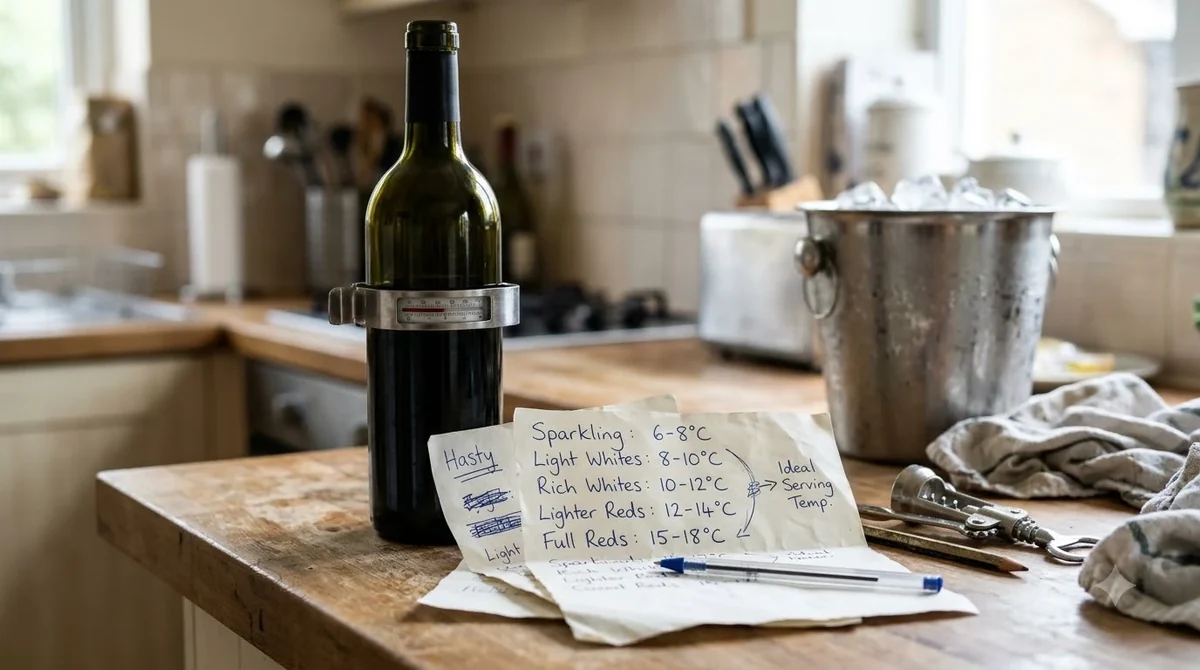
Temperature can change how a wine’s acidity, fruit and alcohol are perceived. Serving a white wine too warm can make it seem heavy, while serving a red wine too cold can mute its aromas and make its tannins seem more pronounced.
- Chardonnay: approximately 50–55°F for a fuller white-wine style.
- Gewürztraminer: approximately 45–50°F.
- Riesling: approximately 43–50°F, particularly for sweeter styles.
- Sauvignon Blanc: approximately 45–50°F.
- Merlot: approximately 60–65°F for a medium-bodied red.
- Cabernet Sauvignon: approximately 60–65°F for a fuller red.
These are practical serving ranges rather than rigid rules. A refrigerator can chill white wine before serving, while a slightly cool room can help bring red wine closer to its intended temperature.
Use sensible serving portions
A standard 750 ml bottle provides approximately five servings when each glass contains 5 oz. This makes it relatively easy to estimate how many bottles are needed for a dinner or small gathering.
For example, a group of 10 adults would require approximately two standard bottles if each person has one 5 oz serving. A larger group or a longer meal may require additional bottles, depending on the occasion and the preferences of the guests.
Refrigerate opened bottles
Once a bottle has been opened, replace the closure and refrigerate the remaining wine. Most opened still wines are best consumed within approximately three to five days. Keeping the wine cold slows oxidation and helps preserve its flavor.
Different varieties may change at different rates after opening. A fresh Sauvignon Blanc may lose some of its lively character, while a fuller Chardonnay may develop a different balance as it is exposed to air. Smaller bottles and appropriate wine stoppers can help households avoid unnecessary waste.
For a wider overview of producers and varieties beyond Fetzer, explore our Wine Brands resource. Comparing several producers is useful when a shopper wants to understand whether a particular bottle represents good value for its style rather than simply choosing the lowest shelf price.
Frequently Asked Questions
Is Fetzer an American wine brand?
Yes. Fetzer is a California wine brand founded by the Fetzer family in 1968. Its US portfolio identifies the brand as part of its California wine collection, and its official website lists Hopland, California, in its corporate footer.
Does Fetzer make organic wine?
Fetzer and Bonterra are separate brands within the wider California wine portfolio, and their sustainability descriptions should not be confused. The parent company’s portfolio identifies Fetzer as B Corp certified, but that designation does not mean every Fetzer bottle is certified organic. Shoppers seeking organic certification should look for the relevant certification on the individual product.
How many servings are in a 1.5 L Fetzer bottle?
A 1.5 L bottle contains 1,500 ml, equivalent to two standard 750 ml bottles. At a 5 oz serving size, it provides approximately 10 glasses, making it suitable for a larger dinner or gathering.
Can Fetzer wine be used for cooking?
Yes. Suitable dry styles such as Chardonnay or Sauvignon Blanc can be used in sauces, risotto and seafood dishes, while Merlot can work in some tomato-based or beef preparations. Choose a wine whose flavor suits the recipe rather than using a bottle solely because it is inexpensive.
Does Fetzer produce sparkling wine?
The official Fetzer wine portfolio lists still varieties and Reserve Port rather than identifying a dedicated sparkling-wine range. Shoppers specifically looking for Champagne-style bubbles, Prosecco or other sparkling wines should compare producers that explicitly list those categories in their current portfolios.
Fetzer offers a broad selection of California wines with approachable everyday positioning, and its standard bottles commonly sit in accessible US retail price brackets. The best purchase depends on the grape variety, bottle size, food pairing and retailer rather than the brand name alone. Compare equivalent formats and local listings before buying, and choose the Fetzer style that best matches the occasion.
More in Wine Brands
 Underwood Wine Price: Compare Bottles, Cans, and Pack SizesUpdated Nov 21, 2026
 Zenato Wine Price: Compare Styles and Choose the Right BottleUpdated Nov 21, 2026
 Zuccardi Wine Price: Compare Bottles and Find the Right RangeUpdated Nov 21, 2026
 Yellow Tail Moscato Review: Taste, Sweetness and Serving TipsUpdated Nov 21, 2026
 Wolf Blass Yellow Label Review: Choose Your Best StyleUpdated Nov 21, 2026
 Wolffer Estate Rose Review: Choose the Right Bottle for Your TableUpdated Nov 21, 2026