

We may earn a commission when you buy through links on this page, at no extra cost to you. Learn more.
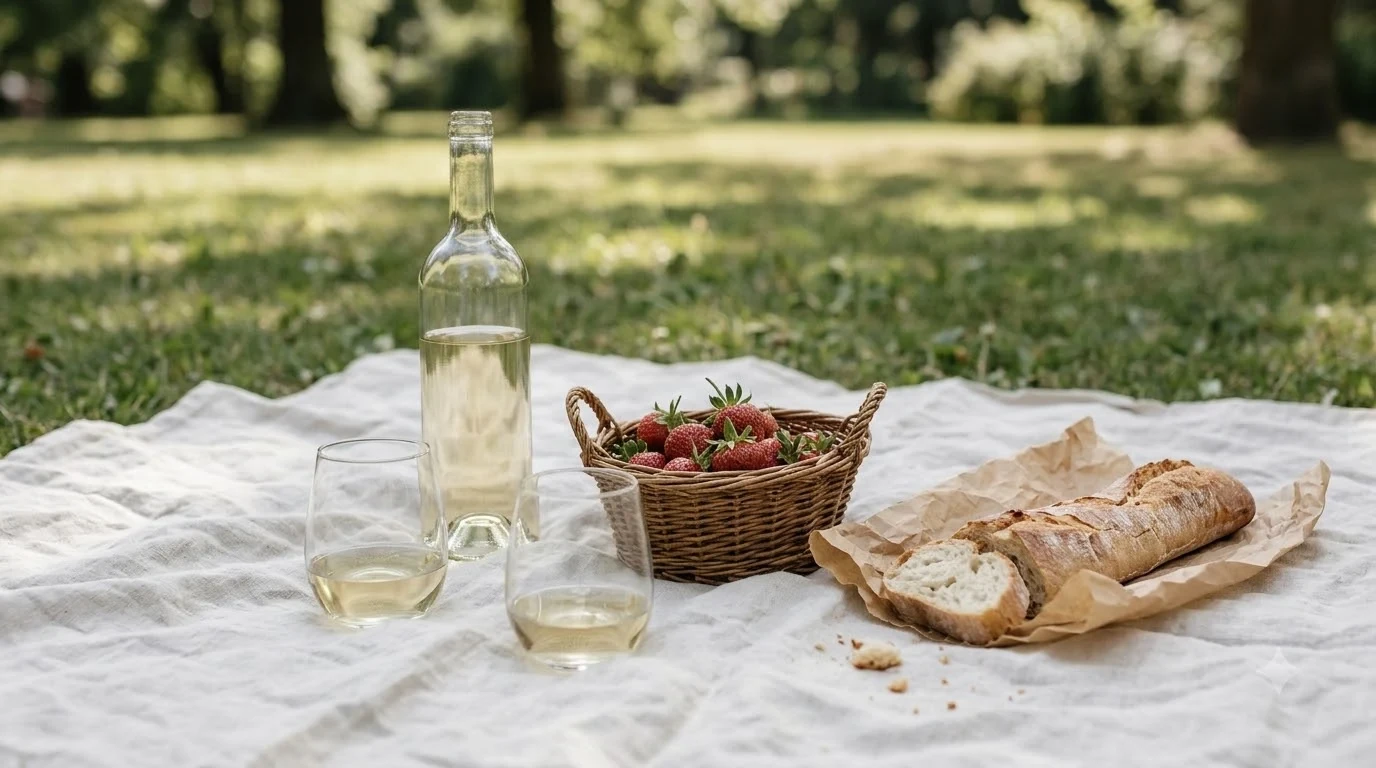
The best wine for picnic occasions is dry rosé, especially a fresh, fruit-forward bottle with bright acidity that pairs easily with sandwiches, cheese, salads, and charcuterie. Sauvignon Blanc and Vinho Verde are excellent alternatives for people who prefer white wine, while Pinot Noir, Gamay, and Beaujolais offer lighter red options that taste particularly good slightly chilled. Choose a wine that matches your food, travels easily, and can stay cold until serving time.
A successful picnic wine needs to do more than taste good at a dining table. It should remain refreshing outdoors, complement several different foods, and be practical to carry in a basket or cooler. Whether you’re planning a beach lunch, a park gathering, a backyard afternoon, or a romantic meal on a blanket, the right bottle makes the occasion easier to enjoy. The following guide explains which styles work best, how to compare bottles, and how to serve them properly without complicated equipment.
Who Should Choose Each Picnic Wine Style
The best picnic wine depends on the people attending, the food being served, and the outdoor conditions. Dry rosé is the most versatile starting point, while Sauvignon Blanc and light reds are better choices when guests have more specific preferences.
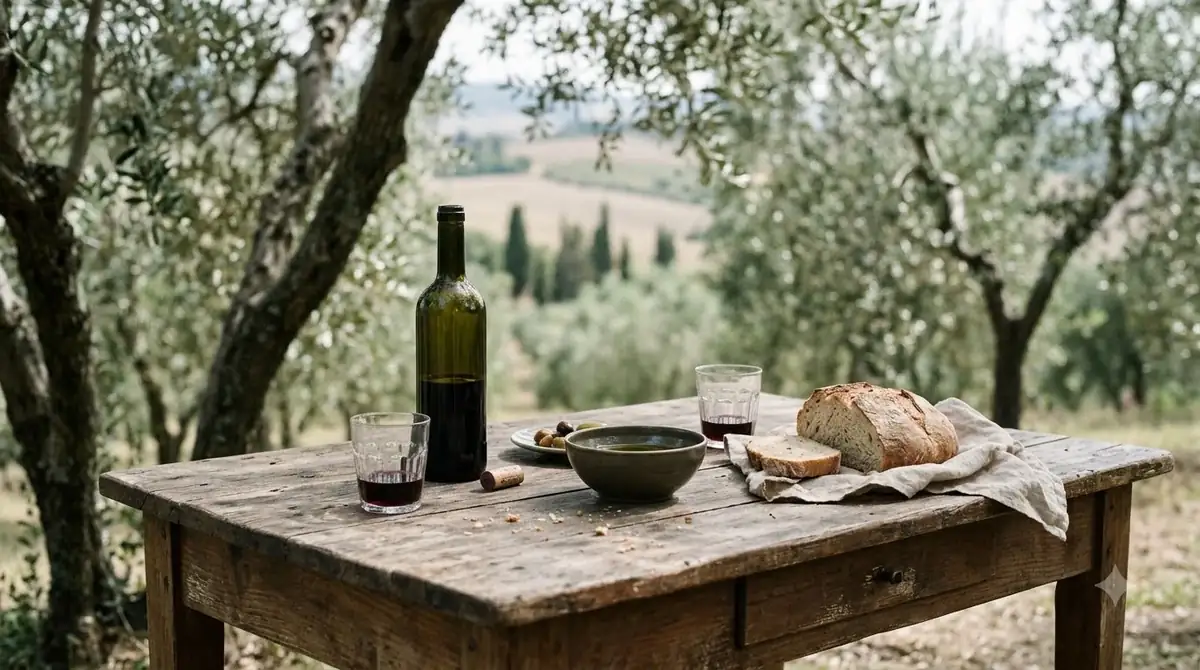
Dry rosé is the strongest all-around choice for mixed groups. Its combination of red-fruit character, refreshing acidity, and generally moderate body makes it suitable for a wide range of picnic foods. Provence rosé is a familiar option, but dry rosé from California, Spain, Italy, or other French regions can work equally well. Look for a style that emphasizes freshness rather than heavy sweetness or pronounced oak.
White wine drinkers should consider Sauvignon Blanc, Pinot Grigio, Albariño, or Vinho Verde. These styles offer different expressions of freshness. Sauvignon Blanc generally has pronounced acidity and citrus or herbal character, making it particularly useful with vegetable salads, chicken sandwiches, and seafood. Pinot Grigio tends to offer a softer, more straightforward fruit profile, while Albariño can bring citrus, stone fruit, and a savory edge.
Red wine drinkers do not need to settle for a heavy bottle simply because they prefer red. Pinot Noir, Gamay, and Beaujolais offer lighter tannin structures and fruit-forward profiles that work well outdoors. A slightly chilled red can be more refreshing than a full-bodied wine served too warm.
Different occasions also call for different formats. A couple sharing lunch may prefer a standard 750 ml bottle, while a larger group might appreciate multiple bottles or a suitable bag-in-box wine. For a short walk to a park, a screwcap bottle is convenient. For a beach trip or a longer hike, lighter packaging can reduce carrying weight.
Consider the following starting points:
- Mixed picnic group: Dry rosé or sparkling wine.
- Vegetarian lunch: Sauvignon Blanc or Albariño.
- Cheese and charcuterie: Dry rosé, Gamay, or Beaujolais.
- Seafood picnic: Vermentino or Sauvignon Blanc.
- Red wine preference: Chilled Pinot Noir or Gamay.
- Fruit and dessert: Moscato or a suitable off-dry Riesling.
For readers who are still learning the difference between wine sweetness levels, understanding dry white wine is a useful starting point before choosing a bottle for an outdoor meal.
Key Factors to Compare Before Buying Picnic Wine
Compare acidity, tannin, sweetness, serving temperature, and packaging rather than choosing a bottle based on grape variety alone. These characteristics determine whether a wine remains enjoyable alongside food and during an afternoon outdoors.
| Wine style | Typical serving temperature | Best picnic foods | Main advantage |
|---|---|---|---|
| Dry rosé | 45–50°F | Sandwiches, salads, cheese | Versatile food pairing |
| Sauvignon Blanc | 45–50°F | Vegetables, seafood, chicken | Bright acidity |
| Pinot Grigio | 45–50°F | Light salads, crackers, poultry | Light, uncomplicated style |
| Vinho Verde | 45–50°F | Seafood, fruit, light snacks | Refreshing character |
| Sparkling wine | 40–50°F | Cheese, fried snacks, appetizers | Celebratory versatility |
| Pinot Noir | 55–60°F | Charcuterie, chicken, soft cheese | Light red fruit character |
| Gamay | 55–60°F | Salami, roasted chicken, hard cheese | Low-to-medium tannin |
| Moscato | 43–50°F | Fresh fruit, pastries, desserts | Noticeable sweetness |
These temperatures are practical serving targets, not rigid requirements. A white wine or rosé may become noticeably warmer while sitting on a picnic blanket, so beginning with a properly chilled bottle provides some extra time for enjoyment.
Acidity and tannin
Acidity is one of the most important characteristics in outdoor wine selection. Wines with refreshing acidity can balance salty snacks, rich sandwiches, and creamy cheese. Sauvignon Blanc, Riesling, Albariño, and Barbera are useful examples of wines with pronounced acidity.
Tannin matters particularly when selecting red wine. Cabernet Sauvignon generally has high tannin, while Merlot is typically softer and medium in tannin. Pinot Noir has low-to-medium tannin and comparatively high acidity, making it a more practical outdoor choice. High-tannin reds can feel drying alongside lighter picnic dishes, particularly in warm weather.
Sweetness and alcohol
Consider whether the food is savory or sweet. A dry wine works naturally with most sandwiches, vegetables, cheese, and charcuterie. However, desserts and particularly sweet fruit dishes may require a wine with comparable or greater sweetness. Otherwise, the wine can taste unnecessarily sour or bitter beside the food.
Alcohol level also deserves attention. A moderate-bodied wine with balanced alcohol generally feels more comfortable during a warm afternoon than a powerful red with pronounced tannin and oak. This is a practical matter of taste and serving conditions rather than a guarantee that a particular wine will suit every guest.
Packaging and closure
A wine’s packaging affects how easily it can be transported and opened. Screwcap bottles eliminate the need for a corkscrew, while cans and bag-in-box formats can reduce weight and simplify serving. ProWein’s picnic wine guidance also highlights lightweight packaging and resealable closures as practical outdoor considerations.
Glass bottles remain suitable for many picnics, especially when traveling by car. However, some parks, beaches, and public gathering spaces restrict glass containers, so confirm the local rules before packing.
Tip: If you are bringing just one bottle for several people, choose dry rosé with moderate alcohol, bright acidity, and a screwcap. It offers flexibility with a mixed food selection and avoids the need to carry an opener.
Step-by-Step: How to Choose and Pack the Right Wine
A good picnic wine selection starts with the menu and ends with temperature control. Following five practical steps helps prevent common problems such as bringing an unsuitable red, forgetting an opener, or arriving with warm white wine.
-
Identify the main foods.
Start by considering whether the picnic centers on sandwiches, salads, cheese, grilled chicken, seafood, or desserts. For a mixed cheese board and cold meats, choose dry rosé or light Pinot Noir. For seafood and fresh vegetables, Sauvignon Blanc or Albariño is a better starting point. For a sweet dessert spread, consider Moscato or off-dry Riesling.
-
Decide how many bottles you need.
A standard 750 ml bottle provides approximately five 5 oz servings. For four adults, one bottle provides a moderate shared pour, while a longer afternoon gathering may call for additional bottles or another beverage option. Account for the number of people who actually want wine rather than assuming everyone will drink the same amount.
-
Choose a practical closure and format.
For a short trip, a screwcap bottle is convenient and easy to reseal. For a large gathering, consider a suitable bag-in-box format. Cans can also work well when guests want individual portions and the picnic location permits the packaging.
-
Chill the wine before leaving.
Refrigerate white wine and rosé before packing. Sparkling wine should be particularly cold, while light red wines benefit from a shorter chill. Put the bottles inside an insulated cooler or wine carrier with frozen packs, keeping them protected from direct sunlight.
-
Pack serving equipment and organize the food.
Bring appropriate glasses, napkins, a bottle opener if needed, and a reusable bag for waste. Keep the wine separate from delicate food items to prevent bottles from crushing sandwiches or fruit. Pack the most temperature-sensitive foods and beverages in the coldest part of the cooler.
Planning the food and wine together is more effective than selecting a bottle first and attempting to match it with everything afterward. A menu with several salty and creamy items, for example, benefits from acidity and refreshing fruit rather than an excessively powerful red.
For a more detailed approach to selecting bottles for different occasions, see the site’s wine buying guide.
Types of Picnic Wine Explained
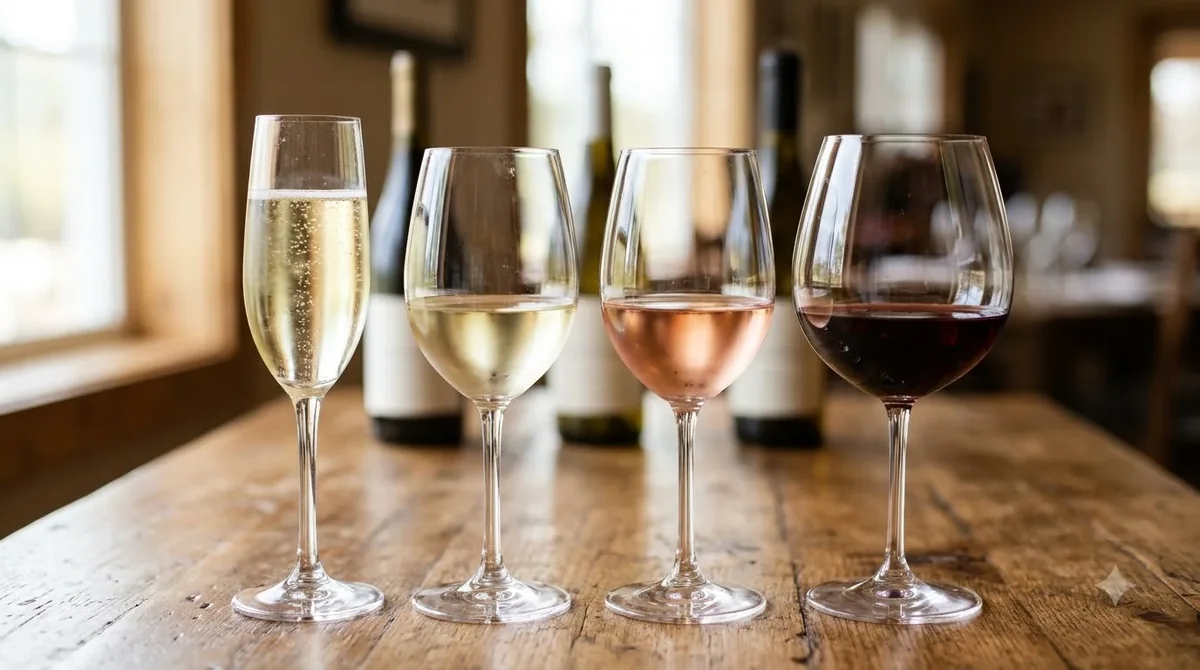
Several wine categories work particularly well outdoors, but each has a different strength. Dry rosé offers versatility, sparkling wine adds freshness and texture, white wines complement lighter foods, and selected reds provide an alternative for people who prefer darker fruit flavors.
Dry rosé: The most versatile choice
Dry rosé is a particularly dependable option because it sits between the typical flavor profiles of white and red wine. Depending on the grapes and production method, it can offer strawberry, watermelon, raspberry, citrus, and subtle herbal notes. Its acidity makes it suitable for a range of picnic foods without requiring an elaborate pairing.
Provence rosé is a recognizable choice for an elegant outdoor lunch. Spanish rosado and Italian rosato can also offer attractive alternatives. Look for a fresh, dry style rather than assuming every pink wine has the same sweetness level.
Sauvignon Blanc: For fresh and savory foods
Sauvignon Blanc is a strong match for vegetable salads, seafood, chicken sandwiches, and goat cheese. Its naturally high acidity helps cut through creamy ingredients and balances salty foods. Depending on its origin and production, the wine may show grapefruit, lime, green apple, gooseberry, or fresh herb character.
New Zealand, France’s Loire Valley, and South Africa are useful regions to explore. A fresh, unoaked style generally works better for an uncomplicated picnic menu than a heavily oaked white.
Vinho Verde and Albariño: Refreshing alternatives
Vinho Verde from Portugal is often light-bodied and can have a slight natural spritz. It is a particularly appealing choice for a beach picnic or afternoon lunch with seafood, light sandwiches, and fresh fruit. Some examples also have lower alcohol levels than many richer white wines.
Albariño, particularly from Spain’s Rías Baixas region, offers a different expression of freshness. Citrus, stone fruit, and savory mineral notes make it a useful companion for seafood salads, grilled shrimp, and salty snacks.
Sparkling wine: For festive gatherings
Sparkling wine works especially well with cheese boards, fried chicken, potato chips, and salty appetizers. Its acidity and bubbles provide a refreshing contrast to rich or crispy foods. Prosecco is made primarily from Glera grapes using the tank method, while Champagne and Cava undergo their second fermentation in the bottle.
Pay attention to sweetness terminology. Brut Nature and Extra Brut are very dry styles, while Brut is also dry. Extra Dry is actually slightly sweeter than Brut, followed by Dry, Demi-Sec, and Doux. For a savory picnic menu, Brut is a reliable starting point.
Pinot Noir and Gamay: Chilled red options
Red wine does not need to be served at typical room temperature. Pinot Noir and Gamay can be lightly chilled, making them practical choices for cooler afternoons or picnics featuring charcuterie, roasted chicken, and mild cheeses.
Beaujolais, made predominantly from Gamay, is a particularly useful category. Its fruit-forward character and relatively low tannin make it easier to enjoy outdoors than a heavily structured Cabernet Sauvignon. Barbera is another interesting option because its high acidity and relatively low tannin complement salty meats and cheese.
Moscato and Riesling: For sweet picnic menus
Not every picnic revolves around savory food. Fresh berries, fruit tarts, pastries, and sweet snacks can work well with wines that have some residual sugar. Moscato typically has low-to-medium acidity and pronounced fruit character, while Riesling can range from very dry to noticeably sweet and generally has high acidity.
Match the wine’s sweetness to the dessert. A dry wine beside a very sweet pastry can seem sharp, while a suitably sweet Moscato or Riesling can maintain a more balanced pairing.
For additional inspiration, Wine Enthusiast’s recommendations for picnic wines cover lighter styles and practical outdoor serving considerations.
Common Mistakes When Buying Wine for a Picnic
The most common picnic wine mistakes involve excessive tannin, unsuitable serving temperatures, poor packaging, and mismatched sweetness. Avoiding these problems can make an ordinary bottle considerably more enjoyable outdoors.
Bringing a powerful red wine to a hot afternoon
A full-bodied Cabernet Sauvignon or heavily structured Syrah may be excellent with a substantial dinner, but these wines are not always comfortable choices for a warm picnic. Their tannin and alcohol can feel pronounced as the bottle warms. They may also overpower light sandwiches, vegetable dishes, and fresh cheeses.
Instead, choose Pinot Noir, Gamay, or a softer Merlot if red wine is preferred. If the menu includes grilled meat or substantial charcuterie, a somewhat fuller red may still be appropriate, provided it is served at a sensible temperature.
Serving white wine too warm
White wines lose some of their refreshing character as they warm. A bottle that starts cold can quickly approach outdoor ambient temperature when left beside a picnic basket in direct sunlight. Keep it in an insulated cooler between pours rather than leaving it exposed on the blanket.
Choosing a wine that is too sweet for savory food
Sweet wines can be enjoyable, but a noticeably sweet bottle may clash with salty sandwiches, cured meats, and savory salads. Dry rosé, Brut sparkling wine, and crisp whites are generally more flexible options for these foods. Save sweeter Riesling or Moscato for fruit, pastries, and dessert-focused gatherings.
Ignoring food acidity and tannin
Acidic dishes need wine with equal or greater acidity to maintain balance. A lemon-heavy salad, vinegar-based dressing, or citrus-marinated seafood can make a low-acid wine seem flat. Sauvignon Blanc and Riesling are useful options because of their high acidity.
Salt and fat can soften the impression of tannin, which explains why some reds work with salami, aged cheese, and richer meats. However, oily fish can clash with tannic reds. For smoked salmon, tuna salad, or oily seafood, a fresh white or rosé is generally a more dependable choice.
Forgetting the bottle opener
A cork-finished bottle is not a problem if the necessary tool is packed, but forgetting it can make serving unnecessarily difficult. Screwcap bottles remove this concern. Sparkling wines and suitable canned formats can also be convenient, although sparkling bottles should always be handled carefully.
Choosing wine without considering the dessert
Fruit, chocolate, pastries, and sweet sauces can change how wine tastes. A dry red may taste harsh next to a sweet dessert, while a wine with sufficient sweetness can provide a better match. For a picnic that includes both savory and sweet dishes, consider bringing two contrasting styles rather than forcing one bottle to cover everything.
If the menu is built around sweeter red wine styles, the site’s sweet red wine guide can help narrow down the options. For traditional savory pairings, explore dry red wine instead.
Care, Storage, and Serving Tips for Outdoor Wine
Proper chilling and careful transportation help picnic wine retain its intended flavor. Pre-chill the bottle, use insulation, keep it shaded, and avoid leaving opened wine exposed to outdoor heat for extended periods.
Prepare the wine before departure
Refrigerate white wine, rosé, and sparkling wine before leaving home. Sparkling wine should be served at approximately 40–50°F, while light whites and rosé are best around 45–50°F. Full-bodied whites generally benefit from a slightly warmer 50–55°F serving range.
For red wine, light styles such as Pinot Noir and Gamay are best around 55–60°F. Fuller reds are generally served around 60–65°F. These targets are cooler than many indoor environments, which is why lightly chilling certain reds is a useful picnic technique.
Use an insulated carrier or cooler
An insulated wine carrier or cooler with frozen packs is one of the most practical investments for outdoor wine service. Place the bottle between cold packs rather than directly against loose ice if you want to avoid excessive water exposure. A towel can provide additional protection for glass bottles and help reduce movement during transportation.
ProWein’s picnic wine guidance highlights the advantages of screwcaps, lightweight bottles, cans, and bag-in-box formats. These options can make outdoor service easier, especially when carrying wine over longer distances.
Protect bottles from direct sunlight
Keep wine inside the cooler between pours. Direct sunlight can warm the bottle and affect the enjoyment of delicate aromas. Choose a shaded picnic location whenever possible, and avoid leaving wine inside a hot vehicle before serving.
When transporting several bottles, place them securely so they cannot knock against each other. A padded carrier is useful when traveling on foot or by bicycle. If the picnic venue restricts glass, select an appropriate alternative container before leaving.
Serve sensible portions
A standard wine serving is 5 oz, and a 750 ml bottle provides approximately five servings. Smaller pours are particularly useful outdoors because wine can warm in the glass. They also allow guests to sample different styles without committing to a full glass of each.
Stemless wine glasses, reusable plastic glasses, and acrylic tumblers are practical options. Traditional glassware may be appropriate for a picnic in a private backyard, but lightweight reusable alternatives are often easier to transport.
Handle leftovers correctly
If the wine is not finished, reseal the bottle and return it to a refrigerator as soon as practical. Opened sparkling wine generally keeps for 1–3 days under refrigeration with a suitable sparkling wine stopper. Still wines typically last 3–5 days in the refrigerator when properly sealed.
Fortified wines can remain enjoyable for several weeks after opening, depending on the style, while opened bag-in-box wine generally lasts around 4–6 weeks. These are typical storage ranges, not guarantees; oxygen exposure and storage conditions affect how long a wine remains fresh.
For a picnic, the simplest approach is to bring only the quantity likely to be consumed during the gathering. That reduces carrying weight and makes it easier to maintain the correct temperature throughout the afternoon.
For more regional suggestions, Decanter’s guide to picnicking for wine lovers discusses suitable white and red wine styles, along with practical bottle choices.
Frequently Asked Questions
Is wine allowed at every public park or beach?
No. Alcohol regulations differ between cities, parks, beaches, and other public recreation areas. Some locations require permits, prohibit alcoholic beverages entirely, or restrict consumption to designated areas. Confirm the rules with the relevant local authority before bringing wine.
Can you bring wine on a picnic without glasses?
Yes. Wine can be served in reusable tumblers, suitable cups, or other food-safe drinkware. A 5 oz serving remains a useful reference even when using a container without traditional wine-glass measurements. Avoid disposable containers that are prohibited by the picnic venue.
Does organic wine make a better picnic choice?
Organic certification describes particular vineyard and production requirements rather than guaranteeing a specific flavor profile. Organic rosé, Sauvignon Blanc, and Pinot Noir can all be suitable picnic wines. Choose based on acidity, body, sweetness, and packaging instead of assuming organic certification automatically makes a wine more refreshing.
Is nonalcoholic wine suitable for a picnic?
Yes. Nonalcoholic wine can provide a wine-like alternative for guests who prefer not to consume alcohol. Sparkling nonalcoholic options are particularly practical for celebrations, while still white and rosé alternatives can accompany salads and sandwiches. Their flavor and sweetness vary considerably between producers.
Should picnic wine be decanted before leaving home?
Most fresh, fruit-forward picnic wines do not require decanting. However, older red wines with sediment may benefit from careful decanting before transportation. Young, full-bodied reds can benefit from approximately 30–60 minutes of aeration, although they are not usually the first choice for a casual outdoor lunch.
The best wine for picnic occasions is one that fits the food, stays refreshing outdoors, and is convenient to carry and serve. Dry rosé is the most adaptable starting point, while Sauvignon Blanc, sparkling wine, Vinho Verde, Pinot Noir, and Gamay provide excellent alternatives for different menus and preferences. Prepare the bottle at the right temperature, pack a practical carrier, and choose a style everyone at the gathering can enjoy.
More in Wine Buying Guides
 Cheap Red Blend: How to Find a Flavorful Bottle for LessUpdated Nov 20, 2026
 Pinot Grigio Gift: How to Choose a Bottle They’ll EnjoyUpdated Nov 20, 2026
 Best White Wine at Total Wine for Every MealUpdated Nov 20, 2026
 Wine Fridge Replacement Shelves: Find the Right FitUpdated Nov 20, 2026
 Best Sparkling Wine Under 20: Find Bubbles Worth BuyingUpdated Nov 20, 2026
 Best Wine For Birthday Celebrations With Perfect Party PairingsUpdated Nov 20, 2026