

We may earn a commission when you buy through links on this page, at no extra cost to you. Learn more.
This 7 deadly zins review finds a bold, fruit-forward Lodi Zinfandel with flavors of blackberry, strawberry jam, caramel, vanilla, and baking spice, making it a strong choice for fans of rich, approachable California reds. Its smooth texture and generous fruit make it particularly appealing alongside barbecue, grilled meats, and hearty pasta. However, its relatively high alcohol content and pronounced ripe-fruit character may not suit drinkers who prefer lighter reds with crisp acidity and restrained oak.
7 Deadly Zins has a recognizable style built around ripe California fruit, oak influence, and a generous mouthfeel. Produced under the 7 Deadly Wines name, the wine draws its grapes from Lodi, a California region with a strong reputation for Zinfandel. The following guide examines its flavor profile, sweetness, alcohol, food compatibility, and practical serving considerations so you can decide whether this bottle matches your preferences.
Who Should Buy 7 Deadly Zins?
7 Deadly Zins is best suited to red wine drinkers who enjoy concentrated berry flavors, noticeable oak, and a rounded, relatively soft palate. Its fruit-forward personality makes it approachable for casual dinners, backyard gatherings, and meals featuring grilled or roasted meat.
The wine’s identity starts with its Lodi origin. According to the producer, grapes come from vineyards across the Lodi AVA, including both head-trained and trellised vines. The winemaking approach combines ripe fruit with American and French oak, creating a profile that includes dark berries, strawberry jam, caramel, leather, and toasted wood. That combination gives the wine a recognizable California Zinfandel character rather than the restrained, delicate profile associated with lighter red varieties.
Drinkers who enjoy blackberry preserves, plum, vanilla, cinnamon, and chocolate-like impressions will probably appreciate its general style. The producer describes a smooth, velvety finish, while independent reviews of particular vintages also highlight ripe black fruit and smoky oak. These descriptions point toward a wine that emphasizes richness and flavor intensity rather than sharp acidity or subtle mineral character.
There is an important distinction between the impression of sweetness and actual residual sugar. Ripe strawberry jam, caramel, and dark fruit can make a dry red wine seem sweet, even when its measured sugar content is relatively low. The producer’s published technical information for one bottling lists residual sugar at 3.6 grams per liter. That figure should not automatically be applied to every vintage, but it helps explain why the wine can taste rich without necessarily being a sweet red.
This wine may be less suitable for someone looking for a delicate red to accompany lightly seasoned seafood or a refreshing bottle for warm-weather sipping. Zinfandel generally has more body, alcohol, and tannin than lighter reds such as Pinot Noir. Its concentrated flavor can also dominate dishes with subtle ingredients.
Consider the following preferences before buying:
- Good match: Drinkers who enjoy ripe blackberry, raspberry, plum, vanilla, and toasted oak.
- Good match: People who regularly serve burgers, ribs, grilled sausages, or tomato-based pasta.
- Good match: Anyone looking for a substantial red for an informal dinner with several guests.
- Less suitable: Drinkers who prefer low-alcohol wines or restrained fruit flavors.
- Less suitable: People who favor crisp, high-acid reds with delicate tannins.
- Less suitable: Anyone looking for a noticeably sweet dessert wine.
For a broader introduction to this bottle’s identity and range, the 7 deadly zins overview provides useful background. Readers comparing California producers can also explore our Wine Brands coverage to understand how different labels approach grape selection, oak, and regional character.
Key Factors to Compare Before Buying
The most useful comparison points are grape composition, alcohol, fruit intensity, tannin, acidity, and oak treatment. These characteristics determine whether 7 Deadly Zins will taste balanced and enjoyable to someone who prefers a particular red wine style.
One important consideration is that published specifications can differ between vintages and product listings. The producer’s technical document, for example, provides detailed composition and chemistry for a particular bottling, while Wine Enthusiast and Tastings.com have reviewed separate vintages. The figures below should therefore be read as documented examples rather than permanent specifications for every bottle.
| Comparison factor | Published information or typical profile | What it means for buyers |
|---|---|---|
| Primary grape | Zinfandel | Expect ripe berry fruit and a substantial red-wine style. |
| Region | Lodi, California | Recognizable California Zinfandel character. |
| Documented blend | 80% Zinfandel, 11% Petite Verdot, 9% Petite Sirah and mixed red varieties | Applies to the producer’s published technical sheet. |
| Alcohol | 14.58% in the technical sheet; 14.6% in the 2018 review; 15% in the 2020 review | A relatively powerful red wine. |
| Residual sugar | 3.6 g/L in the technical sheet | Helps distinguish measured sugar from perceived fruit sweetness. |
| Total acidity | 6.3 g/L in the technical sheet | A useful reference for the wine’s chemical balance. |
| pH | 3.52 in the technical sheet | Provides additional information about its chemical structure. |
| Oak treatment | American and French oak | Contributes toast, vanilla, and spice impressions. |
| Typical serving temperature | 60–65°F for red Zinfandel | Helps preserve fruit definition while moderating alcohol heat. |
| Suggested decanting | About 30 minutes | Allows a young, concentrated red to open before serving. |
The alcohol figures deserve particular attention. Wine Enthusiast lists 14.6% ABV for its 2018 Old Vine Zinfandel review, while Tastings.com records 15% for its 2020 review. The producer’s technical document lists 14.58% for the wine described there. These figures demonstrate that the wine is generally positioned toward the higher-alcohol end of everyday red wine, but they should not be treated as an identical specification for all releases.
For a closer explanation of the numbers and how they influence the drinking experience, see our guide to 7 deadly zins alcohol content. Alcohol can contribute warmth and make a concentrated wine feel heavier, particularly when served too warm. A slightly cool serving temperature helps keep the fruit and spice in better proportion.
Oak is another important consideration. The producer specifically identifies a combination of American and French oak. American oak can contribute familiar vanilla, coconut, and sweet spice impressions, while French oak may provide subtler spice and structural influence. The exact contribution depends on the barrels and winemaking decisions, so it is better to consider the overall toasted, caramel-like character than assume every vintage has identical oak intensity.
The producer’s grape composition also provides useful context. Zinfandel represents 80% of the blend in its published technical document, with Petite Verdot and Petite Sirah and mixed red varieties accounting for the remainder. Petite Verdot and Petite Sirah can contribute color, structure, and additional depth, helping explain why the finished wine can feel more substantial than a simple, light-bodied berry red.
For a practical buying decision, prioritize the overall flavor profile rather than one specification. Someone who likes ripe black fruit and vanilla will probably appreciate this wine more than someone who focuses on high acidity, low alcohol, or restrained oak.
Step-by-Step: How to Evaluate and Choose a Bottle
A good buying decision starts with the wine’s style, then considers the vintage, alcohol level, serving plans, and food. Following a few simple steps makes it easier to determine whether 7 Deadly Zins fits your expectations.
-
Identify the wine style.
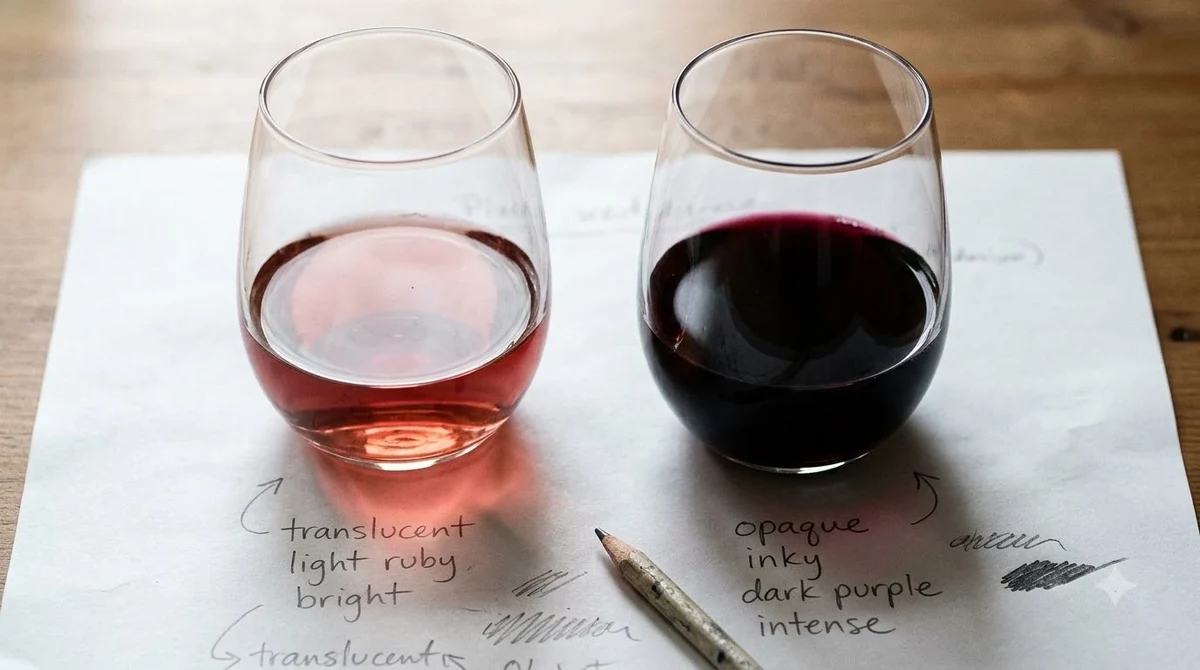
Look for the red Zinfandel bottling rather than assuming that every wine containing the Zinfandel name has the same taste. White Zinfandel is a pink rosé style and is often sweeter, while traditional red Zinfandel is generally dry, fuller-bodied, and more concentrated. 7 Deadly Zins belongs to the red category.
-
Consider the vintage.
Wine reviews and technical figures should always be associated with their specific releases. For example, Wine Enthusiast describes the 2018 bottling as rich, ripe, and almost syrupy in its black-fruit character. Tastings.com describes the 2020 bottling with blackberry, plum, blueberry, leather, and baking spice. These are useful reference points, but they do not establish that every subsequent vintage tastes identical.
-
Compare the alcohol information.
Published examples range from 14.58% to 15% ABV. If you prefer lighter reds, this is a significant consideration. A higher-alcohol wine can feel warmer and fuller, particularly when poured at room temperature in a warm dining area.
-
Check the flavor expectations.
Expect a combination of dark berries, ripe red fruit, caramel, toast, and spice. The producer also identifies leather and toasted oak aromas. If you enjoy these characteristics in California reds, the wine’s overall direction should be familiar and appealing.
-
Plan the food pairing.
Choose dishes with enough flavor and richness to match the wine. Barbecue ribs, grilled burgers, roasted lamb, tomato-based pasta, and aged cheddar are useful options. Avoid relying on delicate dishes that may be overwhelmed by the wine’s body and alcohol.
-
Prepare the bottle before dinner.
Allow a warm bottle to cool slightly before pouring. A refrigerator period of approximately 20 minutes is a practical starting point, with the goal of reaching roughly 60–65°F. If the wine seems closed immediately after opening, allow about 30 minutes of air exposure.
-
Assess the first pour.
Pour a small amount into a suitable red wine glass. Notice the fruit aromas, oak character, texture, and finish. Pay particular attention to whether the alcohol warmth feels integrated with the fruit or dominates the palate. This gives you a more useful impression than judging the wine solely by its label or reputation.
Tip: Do not serve a concentrated Zinfandel too warm. Start around 60–65°F, then allow the wine to warm gradually in the glass. This can make the berry flavors more defined and reduce the impression of alcohol heat.
It is also useful to distinguish between the wine’s aroma and its actual taste. Strawberry jam, caramel, and vanilla aromas can create an impression of sweetness before the wine even reaches the palate. A properly evaluated pour should be judged by its overall balance, including acidity, tannin, alcohol, fruit, and finish.
For a first bottle, a straightforward dinner is an excellent setting. Grilled burgers or a tomato-based meat sauce provide enough flavor to make the wine’s character easier to understand. Once you know how its fruit and oak interact with food, you can decide whether it deserves a regular place in your wine selection.
Types and Styles Explained: Understanding 7 Deadly Zins
Understanding the broader Zinfandel category helps explain why 7 Deadly Zins tastes the way it does. The grape can produce several styles, from dry, concentrated red wines to sweeter rosé and late-harvest expressions.

Traditional red Zinfandel is generally known for ripe blackberry, raspberry, plum, cherry, and baking spice. Its flavor intensity depends on grape ripeness, climate, winemaking choices, and oak exposure. Wine Folly describes the grape as a dry, medium-full-bodied red with medium-high tannins and medium-low acidity in its general profile.
7 Deadly Zins follows the fuller, fruit-forward direction associated with many California examples. Its producer identifies dark berries and strawberry jam, while the oak treatment adds caramel, leather, and toast. Wine Enthusiast’s assessment of the 2018 release also emphasizes ripe black fruit, milk chocolate, and wood smoke. Together, these descriptions suggest a wine designed around generous fruit and a soft, rounded impression rather than an austere structure.
Red Zinfandel
Red Zinfandel is the style relevant to this review. It is commonly dry, although concentrated fruit and oak-derived flavors can make it seem sweeter than its actual residual sugar would suggest. Blackberry, raspberry, plum, cinnamon, black pepper, and vanilla are common descriptors.
The combination of ripe fruit and medium-high tannins gives red Zinfandel enough weight for grilled meat and richly seasoned food. It can also work with tomato-based dishes because its fruit character can complement concentrated sauces. 7 Deadly Zins fits this general category, although its exact balance changes with the vintage.
White Zinfandel
White Zinfandel is a pink rosé wine, not a white grape variety. It generally has a lighter body and a sweeter flavor profile, with strawberry, raspberry, and cherry impressions. It is normally served colder than red Zinfandel and is often chosen for casual occasions or lighter meals.
It is important not to confuse this style with 7 Deadly Zins. Someone looking for a sweet pink wine should select a White Zinfandel rather than the full-bodied red bottle discussed here.
Late-Harvest Zinfandel
Late-harvest Zinfandel represents another distinct category. Grapes harvested very ripe can produce wines with concentrated fruit and significantly more sweetness. Blackberry syrup, raisin, dark chocolate, and candied plum are common descriptions of this style.
Although 7 Deadly Zins has rich fruit and caramel-like impressions, that does not automatically make it a late-harvest dessert wine. Its published residual sugar figure of 3.6 g/L in the producer’s technical sheet indicates a different profile from a deliberately sweet dessert bottling.
How Lodi Influences the Style
Lodi is an important reference point for understanding this wine. The producer says its grapes are sourced from vineyards throughout the Lodi AVA and identifies both head-trained and trellised vines. Its approach to ripeness and mixed American and French oak gives the wine a combination of fruit concentration and wood-derived complexity.
The region’s reputation for Zinfandel makes it a useful starting point for comparing California reds. Lodi examples are often associated with ripe black fruit, spice, and generous texture. Other California regions can produce different expressions, with variations in freshness, tannin, fruit intensity, and oak influence.
For this particular wine, the important takeaway is that the Lodi identity and oak treatment are central to its style. It is not intended to resemble a light Pinot Noir or a restrained European red. Its appeal comes from concentration, recognizable fruit, and a generous finish.
More general information about Zinfandel’s flavor profile and serving recommendations is available in Wine Folly’s Zinfandel grape guide, which also explains the relationship between red Zinfandel and White Zinfandel.
Common Mistakes When Choosing and Drinking 7 Deadly Zins
The biggest mistakes involve confusing fruit richness with sweetness, overlooking alcohol, serving the wine too warm, and pairing it with food that lacks enough flavor. Avoiding these errors can make the wine more enjoyable and help set realistic expectations.
Assuming Jammy Fruit Means a Sweet Wine
Blackberry preserves, strawberry jam, and caramel are common descriptors associated with this wine. These flavors may suggest sweetness, but they do not prove that the wine contains substantial residual sugar. The producer’s technical sheet lists 3.6 g/L of residual sugar for the bottling documented there.
For most buyers, the useful distinction is between perceived fruit sweetness and measured sugar. A dry wine can taste ripe and almost confectionery because of concentrated fruit and oak. This is especially common in fuller-bodied Zinfandel styles.
Ignoring the Alcohol Level
A wine around 14.6% to 15% ABV can feel substantially warmer than a lighter red. If you expect the freshness of a lower-alcohol Pinot Noir, the weight and warmth of 7 Deadly Zins may be surprising.
Serving temperature influences this perception. A bottle served at 70°F or above may emphasize alcohol warmth and make the wine feel less balanced. Cooling it toward 60–65°F is a better starting point.
Pairing It With Delicate Food
Lightly seasoned white fish, delicate vegetable dishes, and subtle seafood preparations can be overwhelmed by a rich red Zinfandel. Its fruit intensity, oak character, and tannins generally work better with foods that have substantial flavor.
Oily fish can also be challenging with tannic reds. If seafood is on the menu, consider a preparation with bold seasoning and enough richness, or select a wine with a lighter structure instead.
Serving It Too Warm
Many people serve red wine at ordinary room temperature without considering how warm their dining space is. In a heated room or tropical climate, that can put the wine well above its ideal range. A brief refrigerator rest is a simple correction.
Expecting Every Vintage to Taste Identically
Published reviews describe different releases, and the alcohol figures and tasting impressions are not identical. Wine Enthusiast’s 2018 assessment emphasizes black fruit, chocolate, and smoke, while Tastings.com’s 2020 review identifies blackberry, plum, blueberry, leather, and baking spice.
These descriptions provide a useful sense of the brand’s direction, but they should not be combined into a promise that every bottle will show precisely the same balance. Vintage conditions, blending decisions, and maturation can influence the finished wine.
Confusing a Red Zinfandel With White Zinfandel
The shared grape name can create confusion for shoppers who are unfamiliar with the category. Red Zinfandel and White Zinfandel are different wine styles with different color, sweetness, body, and serving expectations. The bottle reviewed here is a red wine, so buyers should not expect a sweet pink rosé.
Care and Storage Tips for the Best Drinking Experience
Proper serving and storage help preserve the fruit and oak character that define 7 Deadly Zins. The main priorities are a moderate serving temperature, appropriate glassware, limited exposure to oxygen after opening, and consistent storage conditions.
Serving Temperature
A temperature of approximately 60–65°F is a useful target for this style of red Zinfandel. This range helps maintain the wine’s fruit character without emphasizing alcohol warmth as much as a warmer serving temperature might.
If the bottle has been stored in a warm room, place it in the refrigerator for about 20 minutes before serving. Check the temperature as needed rather than leaving it chilled for an extended period. Excessive cold can mute aromas and make tannins seem more prominent.
Choosing the Right Glass
A standard red wine glass with a reasonably generous bowl is suitable. The additional space allows the wine’s aromas to collect and gives you room to swirl without spilling. There is no need to purchase a specialized Zinfandel glass to enjoy this bottle.
For a typical serving, pour approximately 5 ounces. A standard 750 ml bottle provides about five such glasses. Smaller pours are useful when serving several wines during the same meal or when guests want to compare different styles.
Decanting Before Dinner
Young, full-bodied reds can benefit from a short period of aeration. Wine Folly recommends approximately 30 minutes of decanting for Zinfandel generally. That is a sensible starting point for 7 Deadly Zins if the wine seems closed immediately after opening.
Decanting does not need to become an elaborate process. Open the bottle, pour the wine into a clean decanter, and allow it to rest. If a decanter is unavailable, simply opening the bottle and allowing the wine to breathe before serving can provide some air exposure.
Storing an Unopened Bottle
Store unopened wine in a cool, dark location with minimal temperature fluctuations. A cellar-like temperature near 55°F is a useful target. Keep the bottle away from direct sunlight, heating equipment, and locations that experience repeated temperature changes.
For a bottle with a natural cork, horizontal storage helps keep the cork in contact with the wine. Avoid placing bottles near appliances that create vibration. Consistent conditions matter more than an expensive wine-storage cabinet.
Keeping an Opened Bottle Fresh
After opening, replace the cork or use a suitable wine stopper and place the bottle in the refrigerator. A general guideline for opened still wine is approximately three to five days, although the actual drinking window depends on the wine’s condition and exposure to oxygen.
Before serving again, allow the wine to move toward its preferred temperature. A short period outside the refrigerator can restore some aromatic expression. If the wine has developed unpleasant vinegar-like aromas or an unusually flat, stale character, it may have passed its best drinking condition.
There is little reason to leave an opened red wine on the kitchen counter overnight. Refrigeration slows the oxidation process and helps preserve the remaining fruit character. This is a particularly useful habit when a bottle contains several servings and is not finished at dinner.
Frequently Asked Questions
Is 7 Deadly Zins made entirely from Zinfandel grapes?
Not every published specification describes it as a single-variety wine. The producer’s technical document lists 80% Zinfandel, 11% Petite Verdot, and 9% Petite Sirah and mixed red varieties. The composition can be vintage-specific, so that particular breakdown should not be assumed for every release.
Does 7 Deadly Zins contain oak-derived flavors?
Yes. The producer identifies American and French oak as part of its winemaking approach. Its tasting descriptions include caramel, leather, toast, vanilla, and spice, although the intensity of individual flavors can change between bottlings.
Is Lodi Zinfandel the same grape as Italian Primitivo?
Zinfandel and Primitivo are genetically identical grape varieties, although their regional wine styles can differ. Growing conditions, harvest decisions, and cellar practices influence the finished wines. Consequently, an Italian Primitivo does not necessarily taste identical to a California Lodi Zinfandel.
How many calories are in a glass of 7 Deadly Zins?
The producer’s technical information cited here does not provide a verified calorie count for every vintage. Alcohol concentration and residual sugar both influence wine calories, so a reliable figure requires information for the particular bottling. A 5-ounce serving is the standard reference pour for estimating a wine serving.
Can 7 Deadly Zins be used in cooking?
Yes, a small amount can be used in recipes such as beef braises, tomato-based sauces, and red wine reductions. Its dark-fruit and oak characteristics are most suitable for dishes with similarly substantial flavors. Avoid using a large quantity in delicate sauces where the concentrated flavor could dominate the other ingredients.
Overall, 7 Deadly Zins is a recognizable Lodi Zinfandel for drinkers who enjoy ripe berries, oak influence, and a generous red-wine texture. Its relatively high alcohol content and concentrated character make food pairing and serving temperature particularly important. If those characteristics match your preferences, it is a worthwhile bottle to consider for a barbecue, casual dinner, or hearty weekend meal.
More in Wine Brands
 Underwood Wine Price: Compare Bottles, Cans, and Pack SizesUpdated Nov 21, 2026
 Zenato Wine Price: Compare Styles and Choose the Right BottleUpdated Nov 21, 2026
 Zuccardi Wine Price: Compare Bottles and Find the Right RangeUpdated Nov 21, 2026
 Yellow Tail Moscato Review: Taste, Sweetness and Serving TipsUpdated Nov 21, 2026
 Wolf Blass Yellow Label Review: Choose Your Best StyleUpdated Nov 21, 2026
 Wolffer Estate Rose Review: Choose the Right Bottle for Your TableUpdated Nov 21, 2026