

We may earn a commission when you buy through links on this page, at no extra cost to you. Learn more.
The best piedmont wineries include traditional Barolo estates in the Langhe, family-run Barbaresco producers, Roero Arneis specialists, and Monferrato wineries known for Barbera and Ruchè. The right choice depends on which wines you enjoy, how much time you have, and whether you prefer vineyard walks, cellar tours, or guided tastings with regional food. Start by choosing a wine area and then compare individual wineries by their tasting programs, grape varieties, and visitor experiences.
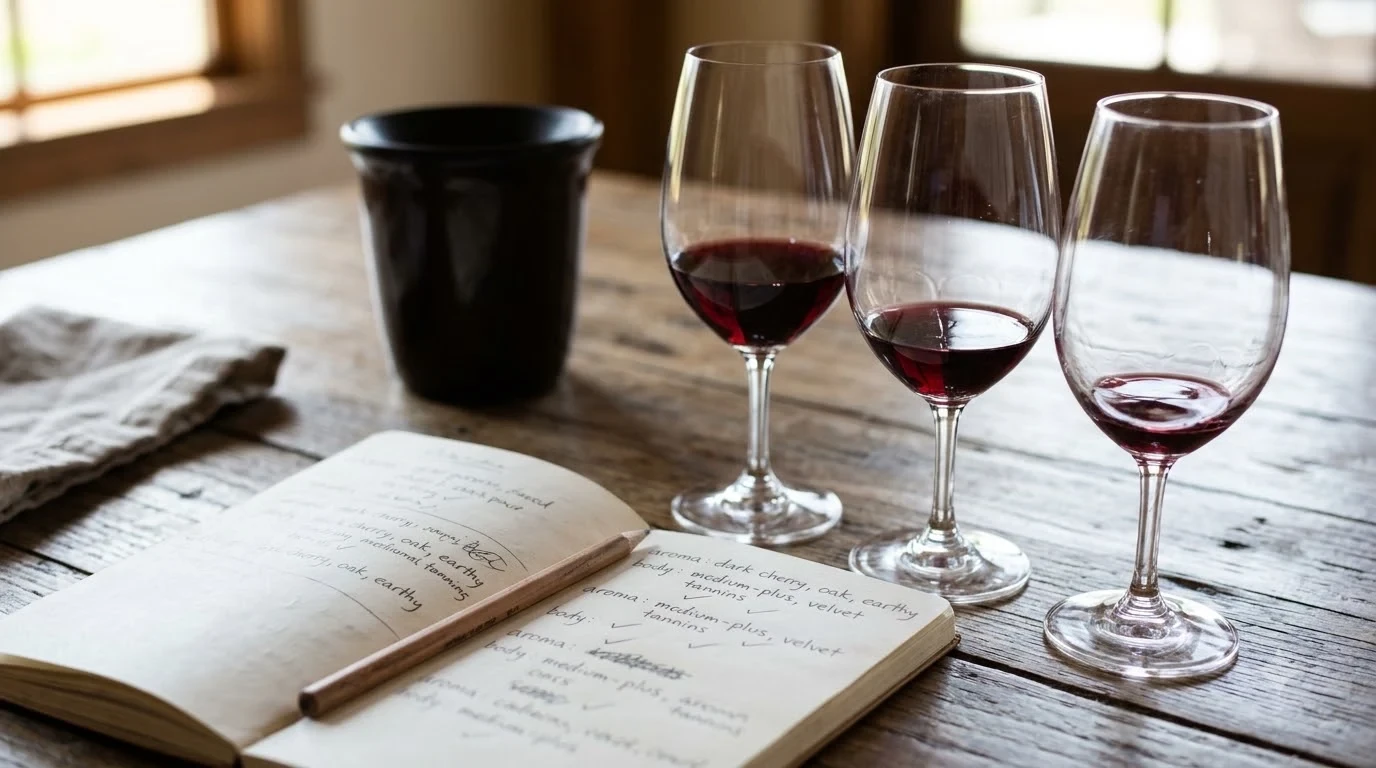
Piedmont, or Piemonte, is one of Italy’s most rewarding wine regions to explore. Located in the northwest of the country, it is famous for Nebbiolo-based reds, but its wine identity extends well beyond Barolo and Barbaresco. Visitors can discover expressive Barbera, approachable Dolcetto, crisp Gavi, aromatic Moscato, and distinctive white wines from Roero. A thoughtful winery visit can make those differences easier to understand while providing a closer look at the landscapes, traditions, and food of northern Italy. For additional background on the region’s grapes and appellations, consult Berry Bros. & Rudd’s Piedmont wine guide.
Who This Is For
The best Piedmont winery visits suit travelers who want to understand Italian wine through its regional grapes, vineyard landscapes, and local producers. They are particularly rewarding for anyone interested in comparing Nebbiolo, Barbera, and Dolcetto rather than treating every northern Italian red as the same style.
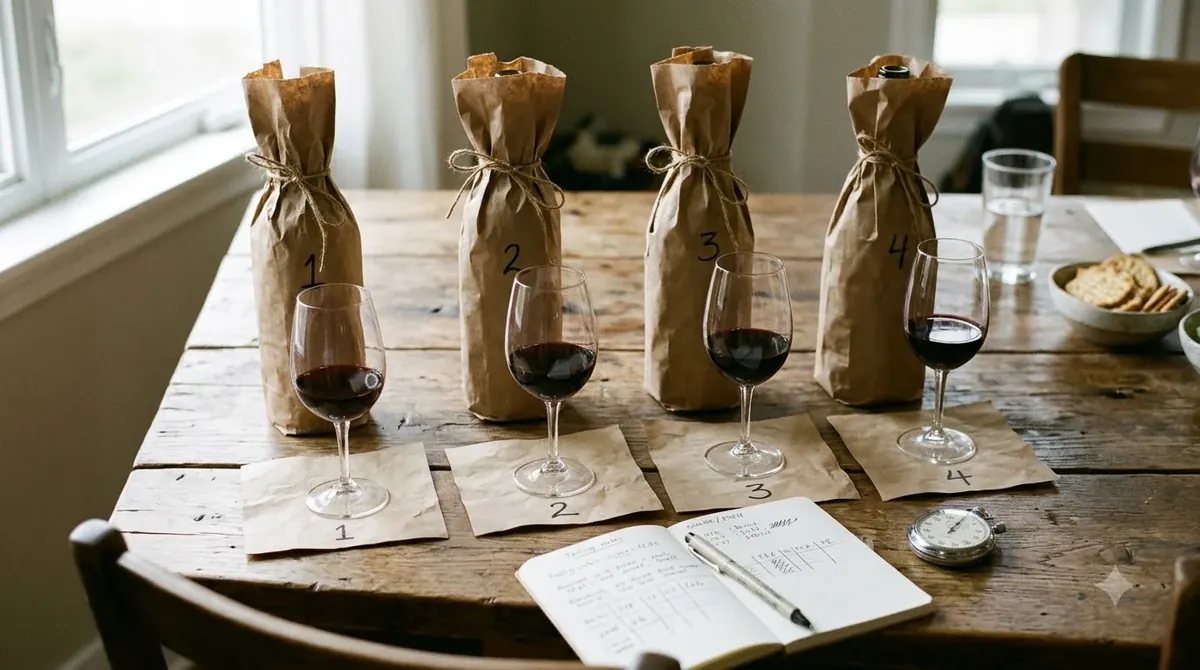
First-time visitors often find the Langhe an excellent starting point. This area is associated with the internationally recognized Barolo and Barbaresco appellations, and its rolling vineyard hills provide opportunities to combine wine tastings with visits to historic villages and local restaurants. A tasting focused on Nebbiolo can explain why these wines are so highly regarded, particularly their combination of acidity, tannin, delicate color, and complex aromas.
Experienced wine enthusiasts may prefer a more specialized itinerary. Visiting a Barolo producer, a Barbaresco cellar, and a smaller winery working with an individual vineyard expression can reveal differences that are difficult to appreciate from labels alone. Those who already understand Nebbiolo might find Monferrato or Alto Piemonte more interesting because these areas introduce different grapes, wine traditions, and regional identities.
Food-focused travelers also have plenty of reasons to visit. Piedmontese cuisine includes rich meat dishes, aged cheeses, filled pasta, and seasonal specialties that work naturally with local wines. Several wineries listed in the Piedmont Wineries directory offer tastings accompanied by regional cured meats, cheeses, or other local products.
Different visitors should prioritize different experiences:
- First-time Italian wine visitors: Choose a Langhe winery offering a guided introduction to Nebbiolo, Barolo, and Barbera.
- Serious red wine enthusiasts: Compare producers in Barolo and Barbaresco, paying attention to vineyard origin and aging practices.
- White wine drinkers: Look toward Gavi and Roero for Cortese and Arneis.
- Food travelers: Prioritize wineries offering regional cheese, salumi, and traditional food pairings.
- Travelers seeking smaller producers: Explore family-run estates and specialized wineries outside the most famous wine villages.
There is no single winery that suits every visitor. A memorable experience comes from matching the producer’s wines and hospitality to the reason for the trip.
Key Factors to Compare
Compare Piedmont wineries by location, signature grape varieties, tasting format, and the depth of their visitor programs. The most famous appellation does not automatically provide the most interesting experience for every wine drinker.
The first consideration is the wine area. Langhe and Roero are natural choices for Nebbiolo and Arneis, while Monferrato is particularly relevant to Barbera and Ruchè. Alto Piemonte offers another perspective on the region’s wine traditions. Piedmont has 19 DOCG and 41 DOC designations according to regional government information, demonstrating how much diversity exists beyond the best-known bottles.
The second consideration is the winery’s portfolio. A producer focused on Barolo may be an excellent choice for someone who wants to learn about Nebbiolo, but a visitor interested in refreshing whites may get more from a Gavi producer. Look for wineries that explain the grapes, growing conditions, production decisions, and differences between their individual wines.
The following comparison provides a practical starting point for selecting a tasting destination.
| Wine area | Important grapes | Representative wines | Best suited to |
|---|---|---|---|
| Langhe | Nebbiolo, Barbera, Dolcetto | Barolo, Barbaresco, Barbera d’Alba | Classic Piedmontese red wine enthusiasts |
| Roero | Arneis, Nebbiolo | Roero Arneis, Roero Rosso | Visitors interested in both red and white wines |
| Monferrato | Barbera, Ruchè, Grignolino | Barbera d’Asti, Nizza, Ruchè | Regional grape discoveries and food pairings |
| Gavi | Cortese | Gavi DOCG | Dry white wine enthusiasts |
| Alto Piemonte | Nebbiolo, Vespolina | Gattinara, Ghemme, Lessona | Exploring different expressions of northern Italian Nebbiolo |
| Asti and Canelli | Moscato Bianco | Asti, Moscato d’Asti | Aromatic and sparkling wine enthusiasts |
Next, compare the actual experience. Some producers concentrate on a short guided tasting, while others offer vineyard walks, production explanations, cellar visits, or meals. Rapalino, for example, is listed as a family winery with a history dating to the late 1800s and offers visits and tastings. La Bioca is described as offering tours and sensory analysis of its wines. These are different experiences, even though both can appeal to visitors looking for a closer connection with the producer.
Group size and scheduling matter as well. A small appointment-based tasting may provide more opportunity to ask detailed questions than a larger group session. Confirm whether the visit includes a vineyard, production facilities, or only a tasting room. Also establish whether food is included, whether the experience is available in your preferred language, and how long you should allow between appointments.
Finally, consider accessibility and transportation. Vineyard properties are spread across rural communities, and several visits in different appellations can require substantial driving. Staying in one area and visiting two nearby producers is often more practical than trying to cover all of Piedmont in one day.
Step-by-Step: How to Choose and Plan a Winery Visit
A successful Piedmont wine trip begins with a clear wine preference and a realistic route. Choosing two or three compatible wineries is generally more rewarding than filling a day with appointments across distant wine areas.
-
Decide which wine you want to understand.
Start with a main grape or appellation. Choose Nebbiolo for Barolo and Barbaresco, Barbera for Monferrato and Asti, Cortese for Gavi, or Arneis for Roero. This decision gives the itinerary a clear purpose.
-
Select a geographic base.
Alba is a practical starting point for exploring the Langhe and nearby Barolo and Barbaresco communities. Travelers interested in Monferrato should plan around towns such as Asti and Nizza Monferrato. Gavi calls for a separate southeastern itinerary, while Alto Piemonte requires a different northern route.
-
Shortlist wineries with complementary tasting programs.
Choose one established producer and one smaller or more specialized estate. For example, a Barolo-focused visit can be followed by a Barbera tasting, allowing you to compare the tannic structure of Nebbiolo with the brighter acidity and fruit of Barbera.
-
Check the available experiences.
Read the winery’s visitor information carefully. Look for tasting duration, languages, group size, vineyard access, cellar access, food pairings, and the number of wines included. A tour of production facilities provides a different learning experience from a seated tasting alone.
-
Contact the winery and confirm the appointment.
Ask about available dates, tasting fees, dietary requirements, and the expected duration. Confirm the meeting location and whether advance payment or a reservation deposit is required. Do not assume that every winery accepts unannounced visitors.
-
Organize transportation.
Plan a designated driver, private transfer, or organized wine tour if you intend to visit multiple producers. Avoid scheduling a tasting immediately after another appointment in a distant village. Leave enough time for meals and unexpected delays on rural roads.
-
Record your impressions and plan purchases.
Write down the producer, appellation, grape, vintage, and your preferred wine style. Ask about shipping options, bottle availability, and storage requirements before purchasing wines to take home.
A practical first itinerary could include two wineries in the Langhe, followed by lunch in Alba or a nearby village. Another day could focus on Monferrato and its Barbera producers. Travelers who prefer white wines can build a separate visit around Gavi and Roero rather than adding long drives to an already busy red wine itinerary.
Tip: Limit a tasting day to two or three substantial winery appointments. A morning vineyard and cellar tour followed by an afternoon tasting gives you more time to understand the wines without rushing between producers.
Types or Styles Explained
Piedmont’s wineries are best understood through their grape varieties and regional wine styles. Barolo and Barbaresco are important destinations for structured reds, but Barbera, Dolcetto, Gavi, Roero Arneis, and Moscato provide very different tasting experiences.
Barolo and Nebbiolo: Barolo is one of the region’s signature wines and is made entirely from Nebbiolo. It is known for substantial tannin, high acidity, and aromas that can include red fruit, dried flowers, herbs, and earthy notes. The traditional minimum aging requirement is 38 months, including 18 months in wood. Barolo Riserva requires a longer aging period. A winery visit centered on Barolo should explain the importance of vineyard origin, vintage conditions, and cellar aging.
Barbaresco: Barbaresco is another major Nebbiolo appellation in the Langhe. Its wines share the grape’s structural characteristics but can present a different balance of fruit, tannin, and aromatic expression. The minimum aging requirement is 26 months, including 9 months in wood, with longer requirements for Riserva. Visiting both appellations offers an especially useful comparison for serious red wine enthusiasts.
Barbera: Barbera is widely planted throughout Piedmont and is an important choice for visitors who enjoy red wines with lively acidity and generous fruit. Barbera d’Asti, Barbera d’Alba, and Nizza are useful appellations to explore. The grape’s acidity makes it particularly adaptable to food, including tomato-based dishes, cured meats, and richer pasta preparations.
Dolcetto: Dolcetto offers a different style of Piedmontese red. It often has dark-fruit characteristics such as plum, blueberry, and black cherry. Although the name may suggest sweetness to unfamiliar drinkers, most Dolcetto wines are dry. A tasting can demonstrate how a wine with a relatively approachable fruit profile can still have noticeable tannin.
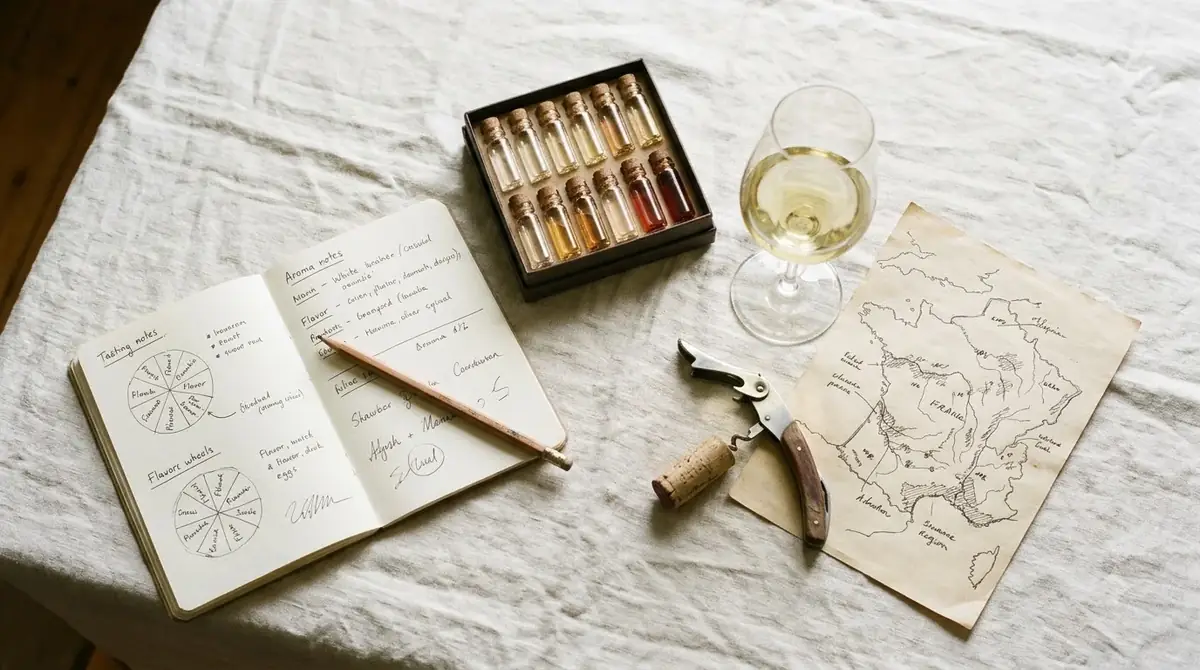
Roero Arneis: Arneis is one of Piedmont’s important white grapes. Roero Arneis DOCG requires at least 95% Arneis, and its wines are often chosen for their fresh fruit, floral aromas, and food-friendly character. Roero is an especially useful destination for visitors who want to move beyond the region’s famous reds.
Gavi: Gavi DOCG is produced from 100% Cortese. These dry white wines are a natural choice for visitors who enjoy fresh acidity and a cleaner, more restrained style than many aromatic white varieties. I Moncalvi, a family-run winery in Rovereto listed in the Piedmont Wineries directory, offers Gavi tastings accompanied by local products.
Moscato and Ruchè: Moscato Bianco is the grape associated with Piedmont’s aromatic sparkling wines, including Moscato d’Asti and Asti. These are suitable choices for visitors interested in floral aromas and varying levels of sweetness. Ruchè, meanwhile, is a distinctive red grape associated with Castagnole Monferrato. Cantine Sant’Agata and Ferraris are two listed producers offering opportunities to explore Ruchè alongside other regional wines.
The best tasting program does not necessarily include the most prestigious appellations. A visitor who prefers crisp whites may learn more from a Gavi and Arneis tasting than from three consecutive Nebbiolo-focused appointments. Likewise, someone who enjoys structured reds should prioritize producers with a meaningful range of Barolo or Barbaresco expressions.
Common Mistakes When Choosing Piedmont Wineries
The most common planning mistakes involve treating Piedmont as one compact wine destination, choosing wineries only by reputation, and overlooking the differences between tasting programs. A little preparation helps visitors get more from each appointment.
Assuming every famous winery offers the same experience: A producer specializing in Barolo may offer a highly focused discussion of Nebbiolo, while a family estate in Monferrato may emphasize local food, Barbera, and regional hospitality. Neither is automatically superior. The better choice depends on the wines and experience you want.
Ignoring smaller wine areas: Barolo and Barbaresco deserve attention, but limiting a trip to these two appellations means missing important parts of Piedmont. Roero offers Arneis, Monferrato provides a wider perspective on Barbera and Ruchè, and Gavi introduces a different white wine tradition. Exploring at least one additional area can make the trip considerably more varied.
Booking too many tastings: Three or four long appointments can leave little time for lunch, sightseeing, or meaningful discussion. A cellar tour may take longer than a simple tasting, especially if the winery includes vineyard walks and food pairings. Two well-chosen visits are often a better use of a day.
Choosing only by the name of the appellation: Barolo is prestigious, but that does not mean every Barolo producer offers the experience you want. Consider the winery’s portfolio, visitor program, and approach to explaining its wines. A smaller producer may provide a more informative introduction than an appointment designed primarily for a quick tasting.
Confusing wine styles: Barbera and Nebbiolo should not be evaluated by identical expectations. Barbera generally offers brighter acidity and softer tannins, whereas Nebbiolo typically has more pronounced tannic structure. Dolcetto also has its own profile, so tasting all three side by side is an effective way to understand the differences.
Forgetting the food component: Local food can change how a wine is perceived. Salty cured meats and fatty cheeses can soften the impression of tannin in structured reds. High-acid Barbera can work especially well with rich dishes, while Gavi and Arneis are useful companions for seafood and lighter preparations. Ask whether food is included before selecting a tasting package.
Leaving transportation until the last minute: Rural wineries are not always convenient to reach by public transportation. A plan involving Barolo, Gavi, and Alto Piemonte on the same day is particularly impractical. Choose a compact geographic route and arrange a responsible transportation option before the first tasting.
For broader comparisons with American wine destinations, readers can also explore our guides to the best Temecula wineries, best Paso Robles wineries, and Fredericksburg wineries. These destinations offer different regional wine experiences, making them useful points of comparison for travelers planning future tasting trips.
Care and Storage Tips for Wines Purchased in Piedmont
Buying wine directly from a Piedmont producer is only part of the process; proper transportation and storage help preserve its condition. Pay particular attention to temperature, light exposure, bottle position, and the wine’s expected drinking window.
For wines intended for longer storage, a stable environment near 55 F is a useful target. Avoid leaving bottles in a warm car, a sunny hotel room, or a luggage compartment exposed to temperature fluctuations. If you are traveling through several destinations after purchasing wine, ask the winery about suitable packaging and transportation arrangements.
Keep cork-finished bottles on their sides during longer storage. This helps maintain contact between the wine and the cork. Store bottles away from strong light and vibration, and avoid areas with frequent temperature changes. A dedicated wine refrigerator can provide more suitable conditions than an ordinary kitchen refrigerator for wines intended to age.
Serving temperature also influences how Piedmont wines taste. Full-bodied reds such as Barolo and Barbaresco generally show well around 60 to 65 F, rather than at an excessively warm room temperature. Lighter reds, including many Dolcetto and Barbera styles, can be served around 55 to 60 F. Full-bodied whites can be served around 50 to 55 F, while lighter whites such as Gavi and Arneis generally benefit from 45 to 50 F.
Young, structured Nebbiolo can benefit from decanting for approximately 30 to 60 minutes before serving. Older bottles require more care because prolonged exposure to air can reduce their freshness. Taste periodically rather than assuming every bottle needs the same amount of aeration.
Once opened, still wines generally keep for around three to five days in the refrigerator when properly resealed. Return partially consumed bottles to the refrigerator even if they are red wines, then allow them to warm toward their preferred serving temperature before pouring. Sparkling wines generally retain their best qualities for around one to three days when properly sealed.
When buying multiple bottles during a winery visit, organize them by intended use. Keep everyday Barbera and Dolcetto accessible for nearer-term drinking, while setting aside structured Barolo or Barbaresco for longer-term enjoyment if their vintage and producer style support aging. Ask the winery about the particular wine rather than assuming every bottle from the same appellation has identical cellaring potential.
For readers building a broader understanding of wine purchases, our wine-buying resource provides additional guidance on comparing wine styles, reading labels, and making informed purchasing decisions.
Frequently Asked Questions
What is the best month to visit Piedmont wineries?
September and October are popular months for experiencing the grape harvest, although the exact schedule varies with weather and vineyard conditions. November can also be attractive for travelers interested in the region’s autumn food traditions, particularly white truffle season around Alba. Harvest periods can be busy, so advance appointments are especially useful.
Can visitors buy wine directly from Piedmont wineries?
Many wineries offer direct purchases, although the available selection and sales arrangements vary by producer. Some estates can also arrange international shipping, while others may only sell bottles for collection at the winery. Ask about customs requirements and import restrictions before purchasing wine for transportation across international borders.
Is Piedmont suitable for visitors who do not drink red wine?
Yes. Gavi, Roero Arneis, Erbaluce, and Timorasso provide interesting white wine options, while Moscato d’Asti offers an aromatic sparkling alternative. Brachetto d’Acqui is another regional specialty, known for its fragrant red-fruit character and sparkling presentation.
Do Piedmont wineries offer tastings in English?
Some producers and organized winery experiences accommodate English-speaking visitors, but language availability differs by estate and appointment. Ask specifically for an English-language host when reserving, particularly if you want detailed explanations of vineyard practices and winemaking techniques. Do not assume that every advertised tour is automatically offered in English.
Which Piedmont wine is a good souvenir for someone who enjoys sweet wine?
Moscato d’Asti is a strong option because it offers aromatic Moscato Bianco character with gentle sparkling qualities and noticeable sweetness. Brachetto d’Acqui is another interesting choice, particularly for people who enjoy fragrant red-fruit aromas. Both provide a different experience from the region’s famous dry red wines.
The best Piedmont wineries are those that connect their wines with the landscapes, grapes, and traditions that make the region distinctive. Start with the Langhe if Barolo and Barbaresco are your priorities, or choose Monferrato, Roero, and Gavi for a broader introduction to Piedmont’s diversity. With a focused itinerary and confirmed appointments, a winery visit can become one of the most rewarding parts of an Italian wine trip.
More in Wine Buying Guides
 Cheap Red Blend: How to Find a Flavorful Bottle for LessUpdated Nov 20, 2026
 Pinot Grigio Gift: How to Choose a Bottle They’ll EnjoyUpdated Nov 20, 2026
 Best White Wine at Total Wine for Every MealUpdated Nov 20, 2026
 Wine Fridge Replacement Shelves: Find the Right FitUpdated Nov 20, 2026
 Best Sparkling Wine Under 20: Find Bubbles Worth BuyingUpdated Nov 20, 2026
 Best Wine For Birthday Celebrations With Perfect Party PairingsUpdated Nov 20, 2026