

We may earn a commission when you buy through links on this page, at no extra cost to you. Learn more.
The best mendocino wineries for visitors include Husch Vineyards, Handley Cellars, Navarro Vineyards, Brutocao Cellars, and Saracina Vineyards, offering distinctive Pinot Noir, sparkling wine, Zinfandel, and other Northern California favorites. Mendocino County combines cool coastal vineyards with warmer inland growing areas, making it an appealing destination for exploring several wine styles in one trip. Whether you prefer relaxed family-run tasting rooms, vineyard scenery, organic farming, or traditional sparkling wine, the region offers plenty of worthwhile stops.
Mendocino wine country offers a different experience from California’s more heavily visited wine destinations. Its wineries are spread across small towns, winding country roads, coastal valleys, and sunny inland hillsides. Many producers maintain close relationships with their vineyards, and visitors can often learn about individual growing sites and winemaking decisions directly from the people responsible for the wines.
The most useful starting point is understanding the difference between Anderson Valley, Hopland, and Redwood Valley. Anderson Valley is particularly attractive for Pinot Noir, Chardonnay, and sparkling wine, while inland areas offer opportunities to explore Cabernet Sauvignon, Zinfandel, and other fuller-bodied reds. The following guide highlights wineries worth considering and explains how to plan a tasting trip around your preferences.
Who Should Visit Mendocino Wine Country
Mendocino is an excellent destination for wine drinkers who appreciate regional character, smaller producers, and a less commercial tasting experience. Its combination of 12 appellations, more than 100 wineries, and contrasting coastal and inland climates makes it especially rewarding for visitors who want to compare wines rather than concentrate on a single grape variety.
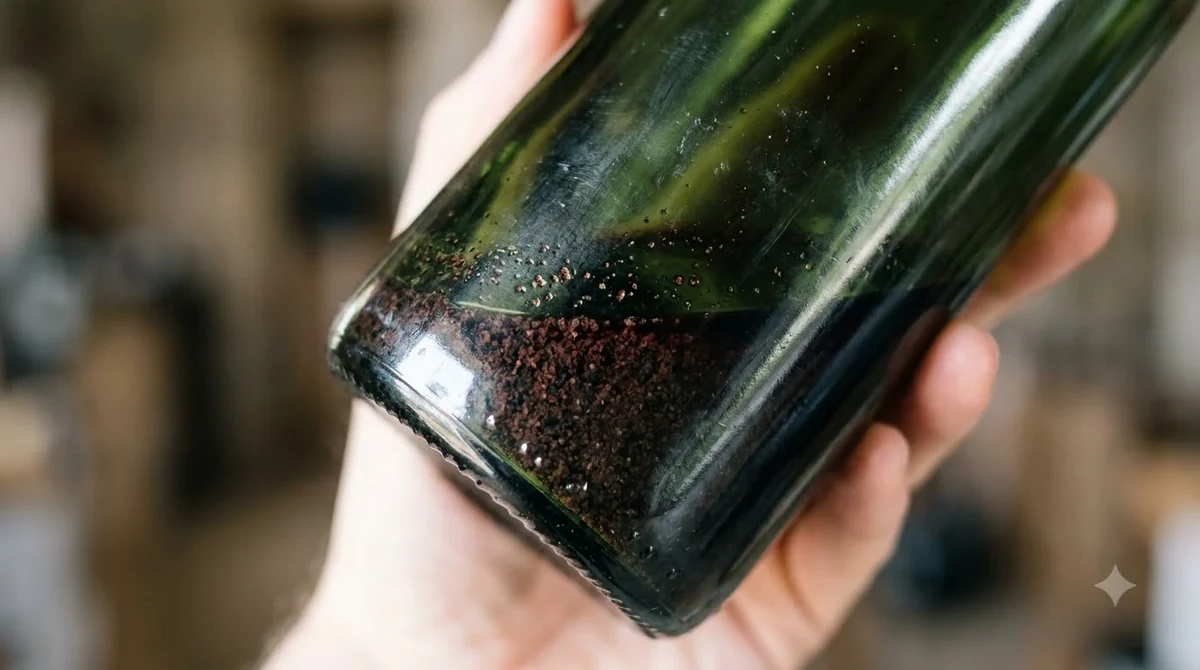
Pinot Noir enthusiasts should begin in Anderson Valley, where cool ocean influences support wines with refreshing acidity and distinctive fruit character. The area also deserves attention from sparkling wine fans and anyone interested in aromatic whites such as Riesling and Gewürztraminer. Producers including Husch Vineyards, Handley Cellars, and Navarro Vineyards provide useful starting points for exploring these styles.
Visitors who prefer Cabernet Sauvignon, Zinfandel, or Mediterranean-inspired red blends should consider the inland wineries around Hopland and Redwood Valley. Brutocao Cellars, Saracina Vineyards, and Frey Vineyards represent different opportunities to explore this warmer side of Mendocino. These areas also work well for visitors who want to combine wine tasting with countryside scenery and small-town stops.
Mendocino is particularly suitable for travelers who prefer a flexible itinerary. Instead of rushing through a large number of tasting rooms, visitors can select three or four wineries, spend time learning about individual wines, and leave room for lunch or a scenic drive. People planning a trip from San Francisco should also account for the distance: Wine Enthusiast places Mendocino County approximately 130 miles north of the city.
The region is also worth considering for wine drinkers interested in sustainable agriculture. Wine Enthusiast reports that approximately 25% of Mendocino’s grapes are certified organic, giving environmentally conscious visitors another useful point of comparison when selecting producers. Visitors can explore the region’s geography, appellations, grape varieties, and wine history in Wine Enthusiast’s Mendocino wine region overview.
Key Factors to Compare When Choosing Wineries
The best winery for one visitor may not be the right choice for another. Compare the wine styles, tasting arrangements, location, and overall experience before deciding where to spend your time.
| Comparison factor | What to look for | Best starting point |
|---|---|---|
| Pinot Noir | Cool-climate fruit, acidity, and vineyard character | Anderson Valley |
| Sparkling wine | Traditional-method bottles and Chardonnay-based styles | Anderson Valley |
| Aromatic whites | Riesling, Gewürztraminer, and Pinot Gris | Anderson Valley |
| Fuller-bodied reds | Cabernet Sauvignon, Zinfandel, and Syrah | Hopland and Redwood Valley |
| Organic wine | Documented vineyard and farming practices | Frey Vineyards and other organic-focused producers |
| Outdoor experiences | Picnic areas, vineyard walks, and outdoor seating | Handley Cellars and Nelson Family Vineyards |
| Convenient tasting access | Published hours and accessible highway locations | Hopland along Highway 101 |
Start with the grapes you enjoy most. Pinot Noir typically has lower to medium tannin and relatively high acidity, making it a useful choice for people who prefer lighter reds. Cabernet Sauvignon generally has higher tannin and a firmer structure, while Zinfandel often offers a riper, more generous fruit profile. Comparing these wines across different Mendocino growing areas can reveal how location influences the final bottle.
Next, consider the type of visit you want. Some wineries emphasize a traditional tasting-room experience, while others offer vineyard walks, picnic areas, or more intimate appointments. Handley Cellars, for example, offers a Vineyard Stroll and Tasting experience for groups of up to four guests by reservation. Nelson Family Vineyards in Ukiah lists tastings, picnics, and a redwood grove among its visitor experiences.
Finally, examine the practical details. A winery that accepts walk-ins may be convenient for a flexible road trip, while a smaller appointment-only producer may require more planning. Published opening hours, tasting availability, group-size restrictions, and driving distances all matter. Do not assume that every winery along the same highway operates on the same schedule.
Tip: Choose wineries in the same general area rather than driving repeatedly between Anderson Valley and Hopland. Three thoughtfully selected tastings in one region usually provide a better opportunity to compare wines than an ambitious itinerary involving too many distant stops.
Step-by-Step: Planning a Mendocino Winery Visit
A successful Mendocino wine trip begins with choosing a wine region, selecting a manageable number of tasting rooms, and confirming visitor arrangements. A little preparation makes it easier to enjoy the wines without spending most of the day traveling between appointments.
-
Choose your preferred wine style.
Start with Pinot Noir, sparkling wine, and aromatic whites if Anderson Valley is your priority. Choose Hopland or Redwood Valley if Cabernet Sauvignon, Zinfandel, and fuller-bodied reds are more appealing.
-
Select a practical starting town.
Boonville and Philo are useful starting points for exploring Anderson Valley. Hopland is a convenient base for wineries along Highway 101, while Ukiah offers access to several nearby producers and additional dining and lodging options.
-
Build a shortlist of three or four wineries.
Consider Husch Vineyards and Handley Cellars for Anderson Valley. In Hopland, compare Brutocao Cellars, Saracina Vineyards, and McNab Ridge Winery. Select producers with different wine portfolios to make the tastings more informative.
-
Check opening hours and reservations.
Handley Cellars recommends reservations because of limited capacity, although walk-ins are welcome. Its last tastings begin at 4 p.m. Husch lists regular tasting-room hours of 10 a.m. to 5 p.m. Confirm individual availability before setting out, particularly for larger groups.
-
Allow enough time at each stop.
Plan approximately 45 to 75 minutes for a standard tasting, with additional time for a vineyard tour, picnic, or more detailed appointment. A three-winery itinerary can therefore occupy a substantial portion of the afternoon.
-
Compare the wines rather than simply collecting tasting experiences.
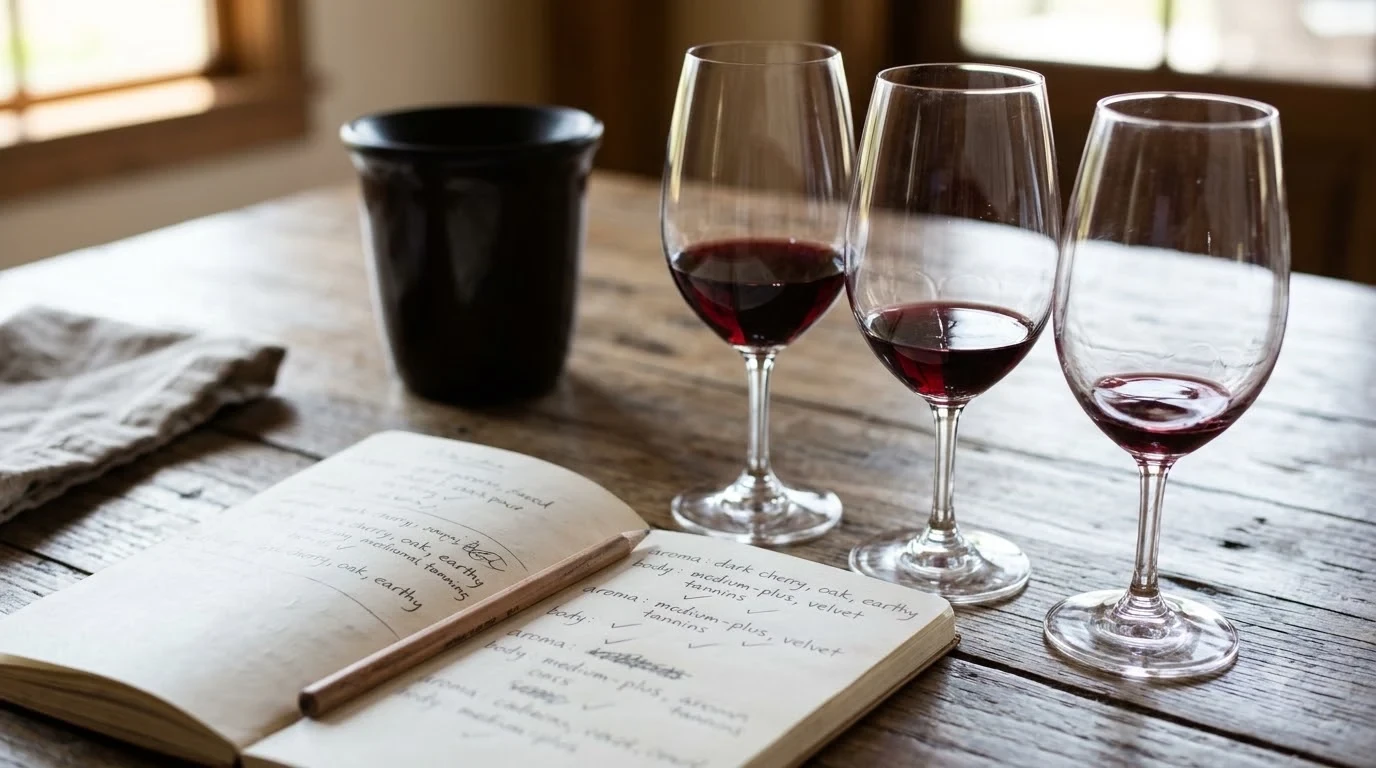
Notice differences in acidity, body, tannin, fruit character, and oak influence. For example, compare an Anderson Valley Pinot Noir with an inland Mendocino Zinfandel to understand how grape variety and growing conditions affect the finished wine.
-
Arrange transportation and a meal.
Use a designated driver or professional transportation when the itinerary includes multiple tastings. Schedule lunch or dinner rather than relying entirely on tasting-room snacks, and allow time between stops.
For a first trip, a day centered on Highway 128 is a practical way to explore Anderson Valley. Visitors can start near Boonville, continue toward Philo, and select wineries along the route without repeatedly crossing the county. Those interested in a broader Northern California trip can also compare regional destinations such as the best Temecula wineries, which offer a different Southern California wine-country experience.
Another option is to organize a separate inland excursion around Hopland and Ukiah. This approach makes it easier to compare warmer-climate reds and explore producers whose tasting rooms are located near Highway 101. Keeping the two areas separate also provides more time to enjoy each winery without turning the visit into a long driving exercise.
Types of Mendocino Wineries and Wine Styles Explained
Mendocino’s 12 appellations cover a considerable range of growing conditions, from cool coastal valleys to sunny inland hillsides. Understanding the major regional differences makes it easier to identify wineries that match your preferred wines.
Anderson Valley: Pinot Noir and Sparkling Wine
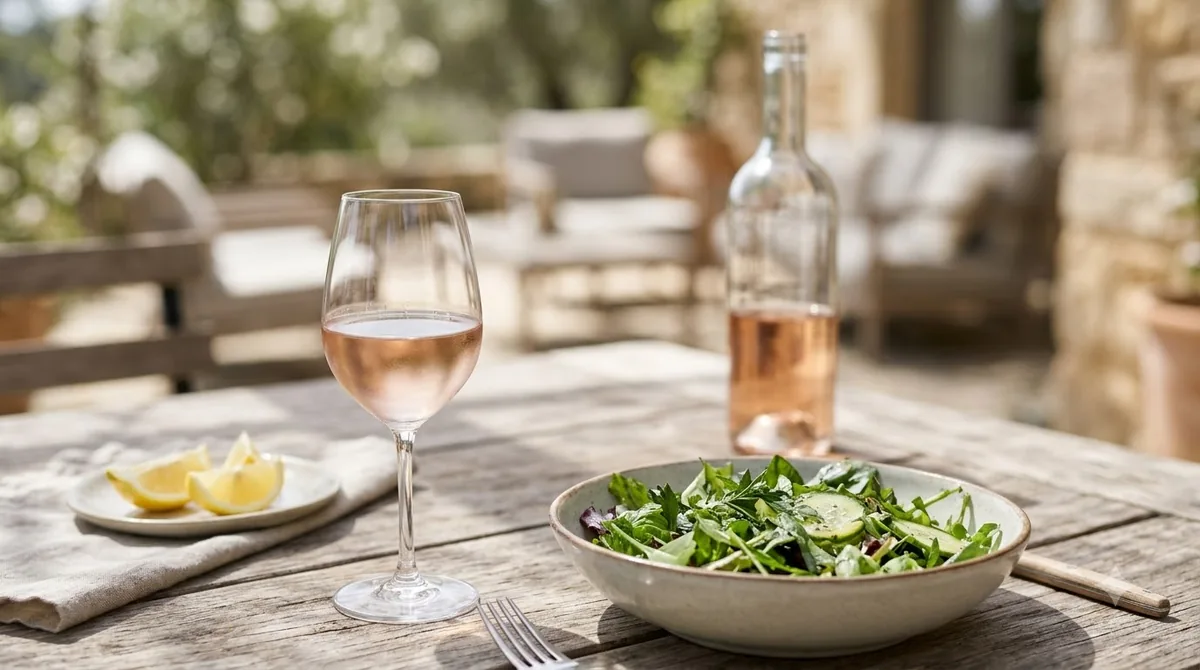
Anderson Valley is one of the county’s most important destinations for cool-climate wine. Its east-west orientation allows Pacific influences to reach vineyards through the valley, helping maintain acidity during the growing season. Pinot Noir is a leading specialty, but Chardonnay, Gewürztraminer, Riesling, and sparkling wines also deserve attention.
Husch Vineyards is a particularly interesting starting point. The third-generation family business has produced wine since 1971 and identifies itself as Anderson Valley’s first bonded winery. Its portfolio includes Pinot Noir, Sauvignon Blanc, Dry Gewürztraminer, Old Vine Zinfandel, and Cabernet Sauvignon. This variety makes Husch useful for visitors who want to explore several styles in one tasting.
The winery’s tasting room occupies a converted pony barn dating to the late 1800s, adding a distinctive historic setting to the visit. Husch also describes its agricultural practices, including its conversion to no-till agriculture in 1976 and its ongoing emphasis on water conservation. Its official winery website provides additional information about its wines, farming approach, and tasting-room arrangements.
Handley Cellars is another worthwhile Anderson Valley stop. Located at 3151 Highway 128 in Philo, the winery offers a tasting-room experience, picnic opportunities, and a Vineyard Stroll and Tasting appointment for groups of up to four. Its location approximately 25 minutes from the Pacific Coast also makes it convenient for visitors combining wine country with coastal sightseeing.
Navarro Vineyards is another producer to include in an Anderson Valley shortlist. Its bottlings showcase Mendocino’s range of grape varieties, including cool-climate whites and Pinot Noir. It is a useful name to research when comparing regional wines and planning a more varied tasting itinerary.
Hopland: Inland Reds and Family Producers
Hopland offers a different experience from the cooler coastal valley. Its inland position around Highway 101 provides a starting point for exploring wines made from grapes that benefit from warmer growing conditions, including Cabernet Sauvignon, Zinfandel, Carignan, and Petite Sirah.
Brutocao Cellars deserves consideration for visitors interested in traditional California reds and family winegrowing. The winery is located at 13500 South Highway 101 in Hopland and is identified as a four-generation family-farmed operation. Wine Enthusiast also highlights its Cabernet Sauvignon, Cal-Ital blends, and Zinfandel-based Coro among the region’s notable bottlings.
Saracina Vineyards is another useful Hopland destination. Located at 11684 South Highway 101, it is listed as a family-owned producer focused on California sustainable wines. Its convenient location makes it a practical addition to a day spent exploring the inland wineries.
McNab Ridge Winery offers another option for visitors who want to explore Mendocino wines in a relaxed tasting-room setting. Its Hopland location includes an outdoor patio and firepit, and the winery lists separate Mendocino AVA and Family Reserve tasting experiences. This provides an opportunity to compare different selections during the same visit.
Redwood Valley: Organic Farming and Diverse Reds
Redwood Valley is worth including for travelers interested in warmer-climate varieties and producers with a strong agricultural focus. Cabernet Sauvignon, Zinfandel, Carignan, and Petite Sirah are among the grapes associated with inland Mendocino growing areas.
Frey Vineyards is an especially interesting choice for visitors who prioritize organic and Biodynamic farming. Located at 14000 Tomki Road in Redwood Valley, the winery identifies itself as America’s first organic and Biodynamic winery in the local tourism listing. Its published tasting-room hours are 11 a.m. to 5 p.m. daily, with later Friday hours also listed.
Nelson Family Vineyards in Ukiah provides a different kind of visit, with tastings, picnic opportunities, and a redwood grove. This makes it a useful option for visitors who want an outdoor setting alongside their wine experience rather than a tasting focused exclusively on the wines themselves.
Those interested in a broader regional comparison can also explore the best Paso Robles wineries. Paso Robles offers another perspective on California’s warmer wine-growing areas and can provide useful context for understanding differences between inland wine regions.
Common Mistakes to Avoid When Visiting Mendocino Wineries
The biggest planning mistakes involve underestimating driving distances, overlooking appointment requirements, and expecting every Mendocino winery to offer the same wine styles. A more realistic itinerary helps visitors spend their time tasting rather than dealing with logistical problems.
One common mistake is treating Mendocino County as a single compact tasting destination. Anderson Valley, Hopland, Redwood Valley, and Ukiah are separate areas with different road connections and vineyard conditions. Although it is possible to visit multiple areas during a longer trip, combining all of them into a single afternoon can create unnecessary driving.
Another mistake is assuming that all tasting rooms welcome walk-ins. Some producers have regular daily hours, while others operate by appointment. Handley Cellars recommends reservations because of limited capacity, and its vineyard stroll requires advance booking. Other smaller producers in the county may also limit tasting capacity or require advance arrangements.
Visitors should also avoid choosing wineries solely because they are close together. A group of tasting rooms offering nearly identical wines may provide less variety than a carefully selected itinerary with different grape varieties and production approaches. Compare a Pinot Noir producer with a sparkling wine specialist or an inland red-wine producer to get a better understanding of Mendocino.
Another frequent oversight is ignoring the difference between wine styles when ordering a tasting. A visitor who primarily enjoys light reds may not appreciate a succession of high-tannin Cabernet Sauvignon wines. Similarly, people who prefer dry whites may want to distinguish between crisp Sauvignon Blanc, aromatic Gewürztraminer, and richer Chardonnay before selecting a flight.
Finally, do not schedule every tasting back-to-back without a break. Wine tasting takes concentration, and visitors benefit from time to eat, drink water, compare notes, and enjoy the surroundings. Three carefully planned stops are generally more manageable than attempting to visit six or seven wineries in one day.
For travelers exploring several American wine destinations, it can also be helpful to compare the style of Mendocino’s tasting rooms with places such as the best Fredericksburg wineries. Texas Hill Country has its own regional identity, grape varieties, and visitor experiences, making the comparison interesting for people who enjoy wine tourism beyond California.
Wine Buying, Serving, and Storage Tips
Choosing bottles to bring home is an important part of a winery visit. The most useful approach is to select wines that reflect different parts of Mendocino rather than purchasing several bottles with nearly identical profiles.
Consider taking home a cool-climate Pinot Noir, an aromatic white, and a fuller-bodied inland red. This gives you a small selection that illustrates the county’s geographic diversity. A bottle of sparkling wine is another worthwhile choice, particularly if your visit includes Anderson Valley producers specializing in traditional sparkling styles.
When comparing Pinot Noir, look for differences in fruit character, acidity, body, and oak treatment. A wine with bright acidity and moderate alcohol may be particularly suitable for food pairing. Cabernet Sauvignon generally offers firmer tannin and a fuller structure, making it a natural choice for dishes such as grilled beef and lamb.
Food pairing can also help determine which bottles are worth purchasing. Pinot Noir works well with roast chicken, mushroom dishes, and salmon. Cabernet Sauvignon pairs naturally with grilled steak, while Zinfandel can complement barbecue and richly seasoned meat. Chardonnay is versatile with poultry, seafood, and creamy dishes, while aromatic whites can work especially well with spicy or fragrant foods.
Serve Each Wine at the Right Temperature
Serving temperature has a noticeable effect on aroma and texture. A bottle served too warm may seem heavy, while a wine served too cold can conceal its aromatic qualities.
- Sparkling wines: Serve at 40–50°F to preserve freshness and bubbles.
- Light whites and rosé: Serve at 45–50°F.
- Full-bodied whites: Serve at 50–55°F.
- Light reds: Serve at 55–60°F.
- Full-bodied reds: Serve at 60–65°F.
Pinot Noir generally benefits from slightly cooler service than Cabernet Sauvignon. A light chill can make the wine feel fresher and help maintain its balance, particularly during warmer weather.
Store Bottles Carefully
For bottles intended for longer storage, a cool and stable environment is more important than a complicated collection setup. A temperature near 55°F is a useful target. Traditional cork-finished bottles should generally be stored on their sides to keep the cork from drying out.
Keep bottles away from direct sunlight, strong temperature changes, and vibration. A dark cupboard or dedicated wine refrigerator can work well for everyday storage, while a temperature-controlled cellar is useful for a larger collection.
Opened bottles should generally be refrigerated. Still wines typically remain in reasonable drinking condition for approximately three to five days, while sparkling wines usually last one to three days with an appropriate sparkling-wine stopper. Returning opened red wines to the refrigerator can help slow oxidation; allow them to warm slightly before serving again.
When buying multiple bottles at a tasting room, consider your intended drinking schedule. Purchase wines for immediate enjoyment separately from bottles intended for longer-term storage, and avoid leaving wine in a hot vehicle during a winery road trip.
Frequently Asked Questions
How many wineries are in Mendocino County?
Wine Enthusiast identifies more than 100 wineries in Mendocino County. The exact number of operating tasting rooms can change as producers open, relocate, or adjust their visitor arrangements. Winery directories are useful for identifying additional producers beyond the best-known destinations.
What is the smallest wine appellation in Mendocino County?
Cole Ranch is recognized as North America’s smallest appellation. Its vineyard area is approximately 60 acres, making it an unusually small and distinctive winegrowing region. Its limited scale is one reason it is an interesting appellation for wine enthusiasts studying California wine geography.
Can Mendocino wine be shipped directly to another state?
Direct-to-consumer wine shipping depends on the destination state’s laws, the winery’s shipping permissions, and applicable carrier requirements. Some producers can ship to certain states but not others. Visitors should ask the winery about available shipping destinations before purchasing bottles they cannot conveniently transport.
What is Mendocino Ridge known for geographically?
Mendocino Ridge is unusual because it is a non-contiguous American Viticultural Area. Its qualifying vineyard sites are located at elevations of at least 1,200 feet. This distinctive geography helps explain why wines from the appellation can differ from those grown in nearby valley locations.
When does Mendocino County generally harvest wine grapes?
Harvest timing varies by grape variety, vineyard elevation, weather, and growing conditions. Many California wineries harvest grapes during late summer and fall, although individual picking dates can differ considerably. Visitors interested in harvest activities should contact wineries directly about seasonal events and vineyard access.
The best Mendocino wineries offer an unusually varied introduction to Northern California wine, from Anderson Valley Pinot Noir and sparkling wine to the fuller-bodied reds of Hopland and Redwood Valley. Start with a few producers that match your preferred styles, confirm their tasting arrangements, and leave enough time to enjoy the scenery. A thoughtfully planned visit makes it easier to discover distinctive bottles and appreciate what separates Mendocino from other California wine regions.
More in Wine Buying Guides
 Cheap Red Blend: How to Find a Flavorful Bottle for LessUpdated Nov 20, 2026
 Pinot Grigio Gift: How to Choose a Bottle They’ll EnjoyUpdated Nov 20, 2026
 Best White Wine at Total Wine for Every MealUpdated Nov 20, 2026
 Wine Fridge Replacement Shelves: Find the Right FitUpdated Nov 20, 2026
 Best Sparkling Wine Under 20: Find Bubbles Worth BuyingUpdated Nov 20, 2026
 Best Wine For Birthday Celebrations With Perfect Party PairingsUpdated Nov 20, 2026