

We may earn a commission when you buy through links on this page, at no extra cost to you. Learn more.
stella rosa wine review: Stella Rosa is a good fit for drinkers who prefer sweet, fruit-forward, lightly sparkling wine at modest alcohol levels, but it is not the right choice for someone seeking a dry, structured red or crisp, high-acid white. The range is broad, so the right bottle depends more on flavor, color, and fizz than on a single house style. Start with Red or Black for berry flavors, Peach or Moscato d’Asti for a softer white, and the full-sparkling Imperiale Brachetto d’Acqui when you want more pronounced bubbles.
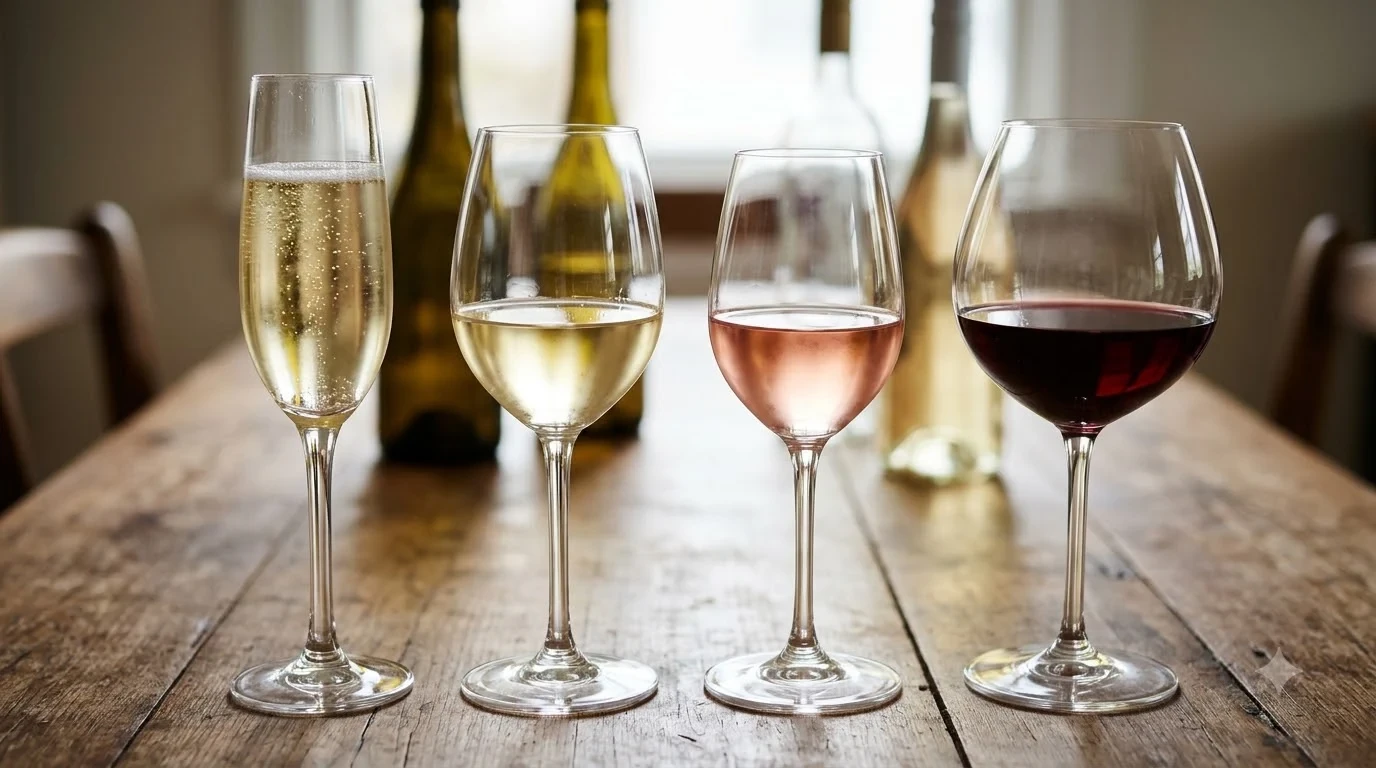
Stella Rosa occupies a relaxed corner of the Italian wine shelf: aromatic, gently sweet bottlings designed for casual sipping, celebrations, and fruit-friendly food. The following guide explains what the brand makes, how to compare its leading styles, and how to serve and store the wines without expecting them to behave like a dry Cabernet or traditional Champagne.
Who This Is For
Stella Rosa is best suited to people who enjoy noticeable fruit character, some residual sweetness, and a light sparkle rather than austere dryness. Several core wines list alcohol around 5% to 5.5% ABV, which makes them lighter in alcohol than many still table wines, but the sweetness and carbonation remain central to the experience.
Choose this range for a chilled casual gathering, a sweet finish after dinner, or guests who prefer approachable fruit to firm tannin or sharp acidity. Red, made with Brachetto grapes, is described with raspberry, wild strawberry, and red plum; the producer suggests asiago, spicy cioppino, turkey burgers, strawberry shortcake, and mixed berries alongside it.
Skip the range if you prioritize dry finishes, firm tannins, oak, or age-worthy structure. A sweet, lightly sparkling red will not replace Cabernet Sauvignon with steak, and peach-scented Moscato will not mimic dry Riesling. Also, 5% ABV still means alcohol: Naturals is the brand’s separate non-alcoholic category.
Key Factors to Compare
Compare sweetness, bubble level, grape or flavor profile, and alcohol before choosing a bottle. The table below focuses on published examples from the range; exact figures can differ between bottlings, so use the named product rather than assuming every Stella Rosa wine shares one specification.
| Wine | Style and published details | Alcohol | Flavor direction | Good starting point for |
|---|---|---|---|---|
| Stella Rosa Black | Semi-sweet, semi-sparkling red | 5% ABV | Blackberry, blueberry, raspberry; independent review also notes spiced mulberry and cranberry | Dark berry flavor and chocolate desserts |
| Stella Rosa Red | Semi-sweet, semi-sparkling red made with Brachetto | 5% ABV | Raspberry, wild strawberry, red plum | Berry-forward red with asiago or turkey burgers |
| Stella Rosa Peach | Semi-sweet, semi-sparkling white | 5% ABV | White peach and floral fruit character | Fruit desserts and mild cheeses |
| Stella Rosa Moscato d’Asti | Semi-sweet white; reviewed as a sparkling sweet wine | 5.5% ABV in Tastings.com’s review | Stone fruit, nectarine, honeyed peach | Peach-led dessert pairing |
| Stella Rosa Rosso | Semi-sweet red berry style | 5.5% ABV in Tastings.com’s review | Grilled berries, cacao, passion-fruit berry notes | A sweeter red with barbecue or chocolate |
| Imperiale Brachetto d’Acqui DOCG | Full-sparkling, semi-sweet red | 6% ABV | Raspberry and rose petal | More assertive bubbles for a celebratory pour |
Sweetness is the most important filter for many shoppers. Stella Rosa describes its core wines as semi-sweet, while Tastings.com called its reviewed Black moderately sweet and listed 10% residual sugar. That figure belongs to the specific review, not the whole brand, but it confirms that Black is not a dry red. Cold service can make residual sweetness feel fresher without changing the wine into a dry style.
Next, decide how much fizz you want. Most familiar bottles are frizzante, or semi-sparkling, while Imperiale Brachetto d’Acqui is a distinct full-sparkling option. “Stella Rosa” alone does not tell you the exact carbonation level. Red emphasizes raspberry, strawberry, and plum; the darker-fruited Stella Rosa Black wine leans toward blackberry, blueberry, and raspberry.
Do not infer alcohol from color or sweetness. The producer lists Red at 5% ABV; Tastings.com lists Black at 5% and its reviewed Moscato d’Asti and Rosso at 5.5%. Imperiale Brachetto d’Acqui is listed at 6%, so the range is not uniformly a 5% wine.
Step-by-Step: How to Choose a Bottle
Choose by sweetness, color, food, bubbles, and alcohol rather than by label design. These steps help separate a semi-sweet, lightly fizzy bottle from a dry still wine.
- Decide on sweetness. If you enjoy Moscato, fruit-forward cocktails, or sweet sparkling wine, the semi-sweet style may suit you. If you usually order Brut sparkling wine or dry Sauvignon Blanc, expect Stella Rosa to taste noticeably sweeter.
- Choose red, white, or blush. Red options such as Black and Red emphasize berry fruit. White options such as Peach, Bianco, and Moscato d’Asti lean toward peach, honey, apple, or other aromatic fruit. Rosé and blush choices offer a middle ground in color and flavor.
- Match the flavor to the menu. Red pairs naturally with berry desserts, chocolate, and savory foods that can handle sweetness. Peach and Moscato work with fruit tarts, pound cake, mild cheeses, and lightly spiced dishes.
- Choose the bubble level. The core semi-sparkling style gives a gentle spritz. Select a designated sparkling product such as Imperiale Brachetto d’Acqui when a more energetic mousse is part of the occasion.
- Check the alcohol figure. Many mainline examples sit near 5% to 5.5% ABV, while some versions differ. Use the specific bottle’s stated percentage when comparing options.
- Pick a practical size. A 750 ml bottle is the familiar standard and yields about five 5-ounce pours. Smaller formats are useful for sampling a flavor or serving a smaller group without leaving a partly finished bottle.
- Buy with the serving plan in mind. Keep the bottle cold before serving and have a refrigerator space ready for leftovers. A semi-sparkling wine is usually more enjoyable soon after opening, while the bubbles are still lively.
For a first bottle, choose a familiar flavor family instead of guessing which label is driest. Dark-berry fans can begin with Black, red-plum drinkers with Red, and peach or floral-fruit fans with Peach or Moscato d’Asti. That makes the choice about taste, not unfamiliar wine terminology.
For a party, think about the whole menu: Red can work with asiago, while Peach is easier with fruit-forward desserts. Offering one red and one white gives a mixed group more choice than two similar berry labels. The Stella Rosa wine range covers both directions.
Types or Styles Explained
The range extends beyond its best-known red and Moscato labels. The producer lists semi-sparkling, sparkling, and non-alcoholic products in red, white, and blush styles, so compare grape, fruit profile, sweetness, and fizz.
Black and Red: Berry-led reds
Black is the darker-fruited choice, with the producer describing blackberry, blueberry, and raspberry. In its review of Stella Rosa Black, Tastings.com described spiced mulberry and cranberry aromas, with fruit-punch, strawberry, and grape-jam accents. Its review identified the wine as moderately sweet and listed 5% ABV. This makes Black a natural option for people who want a red-colored wine without the grip and dryness commonly associated with tannic red styles.
Stella Rosa Red is made with Brachetto and is described by the producer with ripe raspberry, wild strawberry, and red plum flavors. Its listed alcohol is 5% ABV. The fruit profile makes it a good match for asiago, turkey burgers, or strawberry shortcake, according to the producer’s pairing guidance. For a closer look at this label and its fruit character, the Stella Rosa Red wine page can help narrow the choice.
Peach, Bianco, and Moscato d’Asti: Aromatic whites
White Stella Rosa bottlings are the more direct route for drinkers who prefer peach, apple, honey, and floral aromas over dark berries. Peach is described by the brand as a semi-sweet, semi-sparkling Moscato with white peach character, while Bianco is associated with sweet honey and ripe peach. Moscato d’Asti is a distinct named style within the range; Tastings.com’s review of the Stella Rosa bottling describes dried stone fruit, nectarine, and honeyed peach, with 5.5% ABV.
These wines suit mild cheeses and fruit desserts. The wine should be at least as sweet as dessert; a much sweeter cake can make a semi-sweet wine seem tart. Match sweetness as carefully as fruit flavor.
Rosé, flavored options, and seasonal profiles
Stella Rosa’s broader selection includes rosé and blush options alongside flavors such as Blueberry, Green Apple, Pineapple, Watermelon, Tropical Mango, and Rosso Red Berry. These labels are useful when a specific fruit character matters more than traditional grape variety language. They are still wine-based products, and they should not be confused with dry rosé from Provence or a traditional red-fruit sparkling wine.
Some flavor names are direct: Green Apple is described with fresh apple notes and paired with havarti and apple slices, while Red Apple is suggested with an apple fritter. Chili-fruit options include Lime Chili, Mango Chili, Pineapple Chili, and Watermelon Chili. With spicy food, remember that chili heat can make alcohol and tannin feel more pronounced.
Full sparkling and non-alcoholic choices
Imperiale Brachetto d’Acqui is a full-sparkling red made with Brachetto grapes, listed at 6% ABV and described with raspberry and rose-petal flavors. It is the more celebratory choice for someone who specifically wants stronger bubbles. This is different from the lightly fizzy core line, and the distinction matters for anyone selecting a bottle for a toast.
Stella Rosa Naturals is a separate non-alcoholic range. For example, the Naturals Black product is described as a semi-sweet, semi-sparkling non-alcoholic beverage made with Brachetto grapes, with blackberry, blueberry, and raspberry notes. It offers a similar fruit-led direction, but it should be selected as its own product category rather than treated as the same wine with less alcohol.
For context beyond one producer, the site’s Wine Brands section compares brand identity, grapes, and wine styles across the category.
Common Mistakes
The most common mistake is buying Stella Rosa while expecting a conventional dry wine. Its signature appeal is the combination of fruit, sweetness, and gentle fizz, so a shopper who dislikes sweetness should not assume that choosing a red label will make the wine dry.
Another mistake is treating every bottle in the range as interchangeable. Black and Red are both red, but their fruit profiles are not identical; Moscato d’Asti and Peach are both aromatic whites, but they have different product identities. The producer’s catalog also separates semi-sparkling, sparkling, and non-alcoholic products. Look at the category and wine name before choosing, especially when buying for someone who has requested a particular level of carbonation or alcohol.
Sweet wine can also seem cloying beside a bitter dressing or a dessert much sweeter than the wine. Keep the main pairing rules in mind: wine should be at least as sweet as dessert; acidic food needs equal or higher wine acidity; salt and fat soften tannin; and oily fish can clash with tannic reds. Stella Rosa’s lighter style is generally more comfortable with fruit, mild cheese, salty snacks, barbecue, or dessert than with a strongly tannic steakhouse pairing.
Do not assume that lower ABV means alcohol-free. Regular wines at 5% or 5.5% ABV still contain alcohol; Naturals is the separate non-alcoholic line.
Care and Storage Tips
Serve Stella Rosa cold and keep opened bottles refrigerated. A 40–50°F serving range helps preserve fresh fruit and crisp bubbles; avoid leaving the bottle warm throughout a meal.
Chill the bottle before guests arrive and open carefully, especially with the full-sparkling version. A 5-ounce pour is a useful standard serving, and a 750 ml bottle provides about five such glasses. Smaller pours make it easier to offer several flavors at one gathering.
After opening, reseal with a sparkling-wine stopper if available and refrigerate promptly. The producer recommends consuming opened Stella Rosa within 2–3 days and gives unopened bottles a general shelf life of 1–2 years. The wine is not a long-term cellar purchase; its appeal is immediate fruit and spritz.
Tip: Store unopened bottles in a cool, dark place away from heat and direct sunlight, then refrigerate before serving. Finish an opened bottle within the producer’s 2–3 day guidance.
For general wine storage, prioritize a stable, dark area near 55°F. There is little reason to hold this semi-sparkling style for years in hopes of developing the complexity of a fine cellar red.
Frequently Asked Questions
These answers cover practical details that may not be obvious from the front label. They also help distinguish the core Stella Rosa style from individual products and production choices.
Where was the Stella Rosa concept developed?
The idea began in the San Antonio Winery tasting room in Los Angeles, while the wines are produced in Piedmont, northern Italy. That distinction explains why the label combines an Italian production identity with an American family-winery background.
What makes Stella Rosa frizzante rather than fully sparkling?
Frizzante describes a semi-sparkling level of carbonation, with gentler pressure and a softer bead than a fully sparkling wine. VinePair’s Stella Rosa overview describes the core style as made using arrested fermentation and the Charmat, or tank, method, in which a large batch undergoes fermentation in a pressure tank rather than individual bottles.
Are all Stella Rosa wines vegan?
No blanket assumption is safe. The producer publishes a named vegan list that includes Black, Red, Peach, Blueberry, Green Apple, and several other labels, but it says wines not included on that list may contain animal-derived products. Check the current producer information for the exact bottling rather than extending one product’s status to the entire range.
What foods pair well with Imperiale Brachetto d’Acqui?
The producer suggests light salads with a fruit-based vinaigrette, barbecue chicken, and ribs. Those pairings give the wine options beyond the chocolate and berry desserts often associated with sweeter red sparkling wines.
What corkscrew does the producer recommend?
The Stella Rosa FAQ recommends a double-hinged corkscrew as its strongest and most reliable option for opening bottles. That is a useful tool for cork-finished bottles; it is not necessary for products sealed with a screw cap.
Stella Rosa is worth considering when the goal is a chilled, fruit-led wine with moderate alcohol and a gentle sparkle, not when the meal calls for a dry, tannic red or a sharply acidic white. Choose by sweetness, fruit profile, and bubble level, and serve the bottle cold while its freshness is at its best.
More in Wine Brands
 Underwood Wine Price: Compare Bottles, Cans, and Pack SizesUpdated Nov 21, 2026
 Zenato Wine Price: Compare Styles and Choose the Right BottleUpdated Nov 21, 2026
 Zuccardi Wine Price: Compare Bottles and Find the Right RangeUpdated Nov 21, 2026
 Yellow Tail Moscato Review: Taste, Sweetness and Serving TipsUpdated Nov 21, 2026
 Wolf Blass Yellow Label Review: Choose Your Best StyleUpdated Nov 21, 2026
 Wolffer Estate Rose Review: Choose the Right Bottle for Your TableUpdated Nov 21, 2026