

We may earn a commission when you buy through links on this page, at no extra cost to you. Learn more.
This yellow tail cabernet review finds an approachable, fruit-forward Australian red that trades heavy tannin for easy everyday drinking. Bottled at 13.5% ABV by Casella Family Brands in Yenda, Australia, the standard bottling leans toward juicy blackcurrant, blackberry, and sweet mocha notes rather than firm, cellar-worthy grip. Drinkers who want a smooth weeknight bottle or party crowd-pleaser will appreciate its soft texture, while fans of bone-dry, structured Napa or Bordeaux reds will find it noticeably lighter and rounder.
Walking down a supermarket wine aisle, few labels stand out as quickly as the yellow-footed rock wallaby on a bottle of Yellow Tail. Launched in the United States in 2001 as a joint venture between Deutsch Family Wine and Spirits and Australia’s Casella Family Wines, the brand built its reputation on consistent, uncomplicated flavors across large multi-regional blends from South Eastern Australia. Evaluating whether the Cabernet Sauvignon belongs in your shopping cart comes down to understanding what the wine is built to do, how it compares to other bottles in the lineup, and how serving temperature and food pairings change the experience in the glass.
Who This Is For
Yellow Tail Cabernet Sauvignon is designed for casual red wine drinkers, budget-conscious hosts, and newcomers transitioning from sweeter wines toward dry reds. Rather than demanding years of bottle age or complex decanting routines, it delivers immediate dark berry fruit and soft oak spice right after the screw cap twists off.
Shoppers looking for a reliable dinner table bottle will find clear strengths in how this wine behaves across different occasions. According to Yellow Tail, the standard Cabernet Sauvignon is crafted to be vegan friendly and pairs naturally with hearty family meals like a Sunday roast. Because the winery blends grapes across South Eastern Australia rather than locking every bottle to a single small vineyard block, the flavor profile remains predictable from one shopping trip to the next. That consistency matters when buying multiple 750 ml bottles or a 1.5-liter magnum for a backyard barbecue or holiday gathering.
At the same time, certain wine drinkers should pass on this bottle and look elsewhere on the shelf. Classic Cabernet Sauvignon from regions like Napa Valley, Coonawarra, or Bordeaux is famous for high tannin, firm acidity, and savory cedar or graphite structure that softens alongside rich marbling in a ribeye steak. In blind tastings and critical evaluations, reviewers regularly point out that Yellow Tail’s version carries a softer, juicier mid-palate with prominent vanillin oak influence. Drinkers who dislike sweet-leaning oak flavors or who want gripping, mouth-drying astringency will prefer a more traditional, region-specific bottling.
Key Factors to Compare
Comparing Yellow Tail Cabernet Sauvignon against its sibling bottlings and traditional Cabernet benchmarks comes down to alcohol level, body weight, tannin structure, and packaging format. Looking closely at those measurable traits clarifies why the standard bottle tastes so different from a classic cellar-worthy Cabernet.
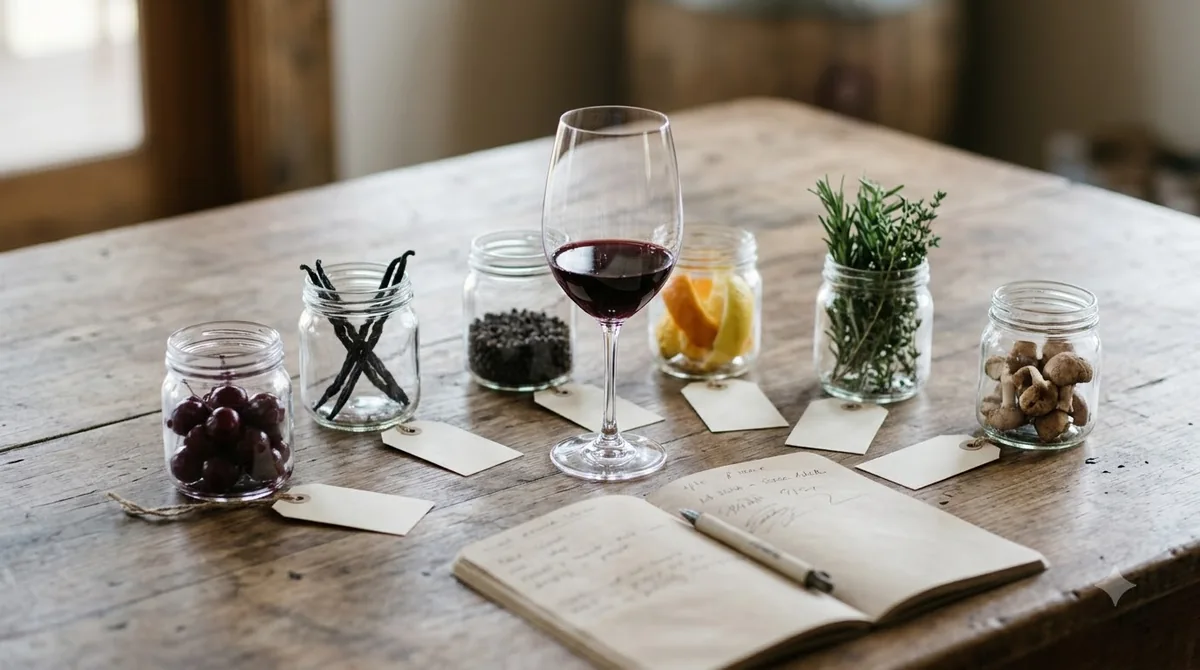
The table below outlines the core technical details and sensory benchmarks for the standard bottling alongside the brand’s Reserve tier and a traditional full-bodied Cabernet profile.
| Attribute | Yellow Tail Cabernet Sauvignon (Standard) | Yellow Tail Reserve Cabernet Sauvignon | Traditional Full-Bodied Cabernet Sauvignon |
|---|---|---|---|
| Producer & Origin | Casella Family Brands, South Eastern Australia | Casella Family Brands, South Eastern Australia | Varies (e.g., Napa Valley, Coonawarra, Bordeaux) |
| Typical ABV | 13.5% ABV (per producer listing) | Around 14.0% ABV (per Serious Eats tasting) | 13.5% to 15.0% ABV |
| Body & Tannin | Medium-light to medium body; soft, low-grip tannins | Fuller body; firmer tannins and noticeable warmth | Full body; high, firm tannins |
| Primary Flavors | Blackcurrant, blackberry, sour cherry, sweet mocha, vanilla | Dark berry, pine, earthy herbs, toasted oak | Cassis, black cherry, cedar, graphite, tobacco |
| Bottle Sizes | 750 ml (about 5 glasses) and 1.5 L magnum | 750 ml standard bottle | 750 ml standard bottle (select 1.5 L releases) |
| Dietary Status | Vegan friendly (per producer back label) | Varies by bottling; check the label | Often fined with egg whites or gelatin unless noted |
Two numbers in that comparison explain most of the tasting experience. First, the standard yellow tail cabernet sits at 13.5% ABV, which keeps the wine from feeling overly heavy or hot on the finish while delivering roughly five 5-ounce pours per 750 ml bottle. Second, the tannin level is intentionally dialed back through fermentation management and oak adjuncts, giving the wine a rounder, softer mouthfeel than traditional Cabernet Sauvignon.
Tip: Chill a bottle of Yellow Tail Cabernet Sauvignon for 20 to 30 minutes in the refrigerator before pouring. Serving it closer to 60°F instead of a warm 72°F kitchen counter tightens the fruit flavors and prevents the sweet vanilla and mocha notes from tasting heavy.
How to Evaluate and Serve Yellow Tail Cabernet Step by Step
Getting the best flavor out of an everyday Australian Cabernet requires a few simple serving adjustments rather than elaborate cellar equipment. Following a clear sequence from temperature check to food pairing brings out the brightest berry character in the glass.
- Check the serving temperature before opening: Full-bodied reds show their best balance between 60°F and 65°F. Because American room temperatures often hover near 70°F to 72°F, placing the bottle in a standard refrigerator for about 25 minutes or a wine fridge set to 60°F keeps the alcohol crisp and integrated.
- Twist off the screw cap and give the wine brief air: Young reds benefit from 15 to 30 minutes of exposure to oxygen, even without a crystal decanter. In a comparative tasting by Serious Eats, tasters observed that Yellow Tail Cabernet Sauvignon developed better balance and savory depth after sitting in the glass for a few minutes.
- Choose a large-bowled red wine glass: Pour a standard 5-ounce serving into a glass with a wide bowl and tapered rim. The broader surface area lets the blackcurrant and blackberry aromas rise while directing the wine toward the center of the palate.
- Match the weight of the food to the softer tannins: Because this bottling lacks the aggressive astringency of a classic Cabernet, pair it with medium-rich dishes rather than ultra-fatty prime rib. Roasted chicken, beef burgers, tomato-based pasta, and aged cheddar complement the juicy fruit without overwhelming it.
- Reseal and refrigerate leftovers immediately: Twist the original screw cap tightly back onto the neck and stand or lay the bottle in the refrigerator at roughly 38°F to 40°F. Cold temperatures slow down oxidation so the remaining glasses stay fresh for 3 to 5 days.
Taking ten seconds to cool the bottle and pour a measured 5-ounce glass makes a noticeable difference in aroma clarity. When poured too warm, the 13.5% alcohol and sweet vanillin oak stand out first, masking the fresher sour cherry and red fruit notes underneath.
Yellow Tail Cabernet Styles and Lineup Alternatives Explained
Shopping the Yellow Tail section at a grocery or liquor store can feel confusing because several red labels share similar dark fruit profiles and kangaroo-like wallaby artwork. Understanding how the core Cabernet Sauvignon differs from its closest shelf mates ensures you grab the right style for dinner or a party.
Casella Family Brands produces multiple red expressions in Yenda, New South Wales, each tuned to a slightly different balance of weight, oak, and sweetness.
Standard Yellow Tail Cabernet Sauvignon
The flagship black-and-yellow label is a varietal Cabernet Sauvignon sourced from South Eastern Australia at 13.5% ABV. Total Wine & More tasting notes highlight primary red fruits, blackcurrants, crushed blackberries, and sour cherry layered over a soft, velvety finish. Serious Eats named this bottle the standout winner among Yellow Tail’s standard reds precisely because its lighter body and juicy acidity make it easy to drink on its own or alongside casual food.
Yellow Tail Reserve Cabernet Sauvignon
Positioned as a step up from the core range, the Reserve Cabernet Sauvignon dials up concentration, oak structure, and alcohol to around 14% ABV. Tasters describe noticeably firmer tannins alongside piney, earthy herbal notes that resemble a more traditional Cabernet profile. While it pairs well with braised short ribs or hearty beef stew, tasters noted that the quality jump over the standard bottle is modest if you are buying multiple bottles for a large crowd.
Cabernet Merlot and Shiraz Cabernet Blends
Common Mistakes When Buying and Pairing Yellow Tail Cabernet
Even an approachable everyday red can disappoint if it is paired with the wrong dish or treated like a cellar-worthy Bordeaux. Avoiding a few frequent missteps keeps the fruit profile balanced and prevents harsh clashes at the dinner table.
The most common mistake is expecting a bone-dry, heavily structured Cabernet Sauvignon built for a thick, marbled ribeye. Traditional Cabernet carries high tannins that bind to proteins and fats in rich red meat, softening the wine’s astringency. Because Yellow Tail Cabernet Sauvignon already has low, rounded tannins and pronounced sweet mocha and vanillin oak notes, pairing it with a fatty steak can leave the wine feeling flat and overly sweet. Instead, match its juicy blackcurrant fruit and moderate 13.5% alcohol with roasted chicken, pork tenderloin, grilled burgers, or a Sunday roast, where salt and savory herbs highlight the berry flavors without demanding heavy tannin.
A second frequent error is pairing the wine with spicy chili dishes or oily fish. Chili heat is amplified by both alcohol and tannin, making the 13.5% ABV taste fiery and bitter alongside spicy barbecue sauce or hot peppers. Similarly, oily fish like salmon or mackerel can clash with red wine tannins and oak compounds, creating a metallic aftertaste. Checking the yellow tail cabernet alcohol content and pairing it with mild, savory proteins avoids both flavor collisions.
Finally, many buyers treat the 1.5-liter magnum bottle as a wine to store for several years rather than a party format meant for immediate pouring. Large-format bottles hold about ten 5-ounce servings and rely on a screw cap closure designed for freshness right off the retail shelf. While the wine stays consistent from batch to batch through careful winemaking adjustments like sulfur dioxide management, it is crafted for immediate enjoyment rather than long-term bottle aging.
Storage and Care Tips for Unopened and Opened Bottles
Proper storage protects Yellow Tail Cabernet Sauvignon from heat damage before opening and slows oxidation once the screw cap comes off. Even though the bottle uses a metal screw cap rather than a natural cork, temperature stability remains essential.
Store unopened bottles in a cool, dark spot away from direct sunlight, kitchen stoves, and laundry appliances, ideally near the standard 55°F wine-cellar benchmark. Because screw caps do not dry out like natural corks, bottles can stand upright in a pantry or lie horizontally in a wine rack without affecting the seal. Avoid leaving bottles in a warm garage or car trunk, as temperatures above 75°F quickly dull the fresh blackberry and sour cherry aromatics and push the vanilla oak forward.
Once opened, oxygen begins flattening the fruit within hours at room temperature. Reseal the bottle tightly with its original screw cap and place it in a standard household refrigerator, where general wine storage guidelines note that still red wines stay fresh for 3 to 5 days. Before pouring a leftover glass on day two or three, let the glass sit on the counter briefly so the wine warms closer to the standard 60°F to 65°F full-bodied red serving range. For shoppers comparing everyday producers across different price tiers and regions, browsing Wine Brands clarifies how mass-market screw-cap reds differ from age-worthy cellar bottles.
Frequently Asked Questions
Is Yellow Tail Cabernet Sauvignon sweet or dry?
Yellow Tail Cabernet Sauvignon is vinified as a dry red wine, though it tastes noticeably fruitier and rounder than traditional dry Cabernet. Wine Enthusiast notes ripe dark-berry fruit paired with sweet vanillin oak, which gives the finish a soft, jammy impression despite minimal residual sugar.
What animal is on the Yellow Tail Cabernet bottle?
According to VinePair, the animal featured on the Yellow Tail label is a yellow-footed rock wallaby rather than a kangaroo. The native Australian marsupial became the brand’s signature emblem when Casella Family Wines and Deutsch Family Wine and Spirits launched the label in the United States in 2001.
Can you use Yellow Tail Cabernet Sauvignon for sangria or cooking?
Yes, its juicy blackcurrant profile and low astringency make it a practical choice for red sangria, mulled wine, and wine-based recipes. Serious Eats specifically recommends the standard Cabernet Sauvignon as a sangria base, and the producer even shares recipes such as Cabernet Sauvignon chocolate fondue.
How many calories and carbs are in a glass of Yellow Tail Cabernet?
According to USDA FoodData Central estimates for dry red table wine at 13.5% ABV, a standard 5-ounce pour contains roughly 120 to 125 calories and about 3 to 4 grams of carbohydrates. Because wine labels in the United States are not required to print full nutrition panels, exact figures vary slightly by vintage and batch.
Do you need to decant Yellow Tail Cabernet Sauvignon?
You do not need a glass decanter to enjoy this wine, as its tannins are already soft right after opening. Swirling the wine in a wide-bowled glass for 10 to 15 minutes provides enough oxygen to open up the dark berry and subtle savory notes.
Yellow Tail Cabernet Sauvignon succeeds because it knows its audience: drinkers who want an uncomplicated, fruit-driven red with smooth texture and reliable consistency from bottle to bottle. Serving it slightly below room temperature at the standard 60°F to 65°F full-bodied red range alongside roasted meats, burgers, or casual pasta brings out its best blackcurrant and spice character while keeping the sweet oak in balance.
More in Wine Brands
 Underwood Wine Price: Compare Bottles, Cans, and Pack SizesUpdated Nov 21, 2026
 Zenato Wine Price: Compare Styles and Choose the Right BottleUpdated Nov 21, 2026
 Zuccardi Wine Price: Compare Bottles and Find the Right RangeUpdated Nov 21, 2026
 Yellow Tail Moscato Review: Taste, Sweetness and Serving TipsUpdated Nov 21, 2026
 Wolf Blass Yellow Label Review: Choose Your Best StyleUpdated Nov 21, 2026
 Wolffer Estate Rose Review: Choose the Right Bottle for Your TableUpdated Nov 21, 2026