

We may earn a commission when you buy through links on this page, at no extra cost to you. Learn more.
The typical nickel and nickel wine price ranges from about $50 to $65 for a 750 ml bottle of single-vineyard Chardonnay and from $105 to $175 for most single-vineyard Cabernet Sauvignons, with rare mountain or limited-acreage sites reaching $250 or more. According to Wine-Searcher market averages and direct listings from Far Niente Wine Estates, retail shelf prices often sit 15 to 25 percent below winery-direct release tags. Final bottle costs vary by state alcohol taxes, vintage demand, and whether you buy through a local merchant or the winery club.
Founded in 1997 in Oakville, California, by the partners behind Far Niente, Nickel & Nickel focuses exclusively on 100-percent varietal wines from individual vineyards rather than multi-vineyard Napa Valley blends. Because every bottle comes from a specific parcel with distinct soil, elevation, and yield limits, understanding how each designation is priced helps buyers choose the right bottle for dinner or long-term cellaring.
Who This Nickel and Nickel Wine Price Guide Is For
This guide is built for Napa Valley Cabernet Sauvignon buyers, gift shoppers, and home collectors comparing single-vineyard bottlings before spending $100 or more per bottle. Rather than treating the label as one uniform wine, it breaks down pricing across roughly two dozen distinct vineyard designations so shoppers can match appellation character to a realistic budget.
Buyers accustomed to everyday supermarket labels like barefoot wine or sparkling staples such as la marca prosecco enter a very different tier when shopping for single-vineyard Napa Valley releases. At Nickel & Nickel, every lot is fermented and aged separately at the restored 19th-century farmstead on St. Helena Highway in Oakville, which creates natural price gaps between high-yielding valley floor blocks and low-yielding hillside sites.
Wine club members, restaurant diners reviewing a steakhouse list, and travelers planning a seated tasting in Oakville will also find clear benchmarks here. Knowing the gap between winery-direct release pricing and national retail averages prevents overpaying for common vintages while highlighting which scarce bottlings merit buying straight from the estate.
Key Factors That Drive Nickel and Nickel Pricing
Four measurable variables determine the nickel and nickel wine price on any shelf: grape variety, vineyard elevation and scarcity, barrel aging regimen, and distribution channel. Chardonnay requires shorter cellar time and comes from cooler Carneros blocks, whereas mountain Cabernet Sauvignons come from tiny hillside parcels aged for roughly 20 months in French oak.
According to Wine-Searcher aggregate retail data across 54 listed bottlings, Nickel & Nickel wines span an average ex-tax range of $38 to $127 per 750 ml bottle across core releases, while scarce hillside designates command substantially higher figures. On the official Far Niente online store, current-release 750 ml Cabernet Sauvignons typically list between $140 and $175 before club reductions, reflecting full winery-direct suggested retail pricing.
Vineyard geography plays an immediate role in bottle cost. Valley floor sites in Oakville, Rutherford, and Yountville generally offer deeper alluvial soils and steadier crop loads, keeping retail averages near $105 to $125 per 750 ml bottle on Wine-Searcher. By contrast, steep mountain vineyards such as Diogenes Ridge at 1,600 feet on Howell Mountain or tiny St. Helena parcels like Dragonfly Vineyard produce smaller berries with thicker skins and lower tonnage per acre, pushing retail averages past $200.
| Bottling & Vineyard | Grape Variety | Napa Appellation | Typical US Retail Range (750 ml) | Winery-Direct / Rare Tier Notes |
|---|---|---|---|---|
| Truchard Vineyard | 100% Chardonnay | Carneros | $48 to $65 (Wine-Searcher avg $55) | Entry point to the single-vineyard lineup |
| Kenefick Ranch | 100% Cabernet Sauvignon | Calistoga | $100 to $125 (Wine-Searcher avg $105) | Warm northern valley floor fruit profile |
| John C. Sullenger Vineyard | 100% Cabernet Sauvignon | Oakville | $100 to $130 (Wine-Searcher avg $116) | Home estate vineyard behind the winery |
| Vaca Vista Vineyard | 100% Cabernet Sauvignon | Oak Knoll District | $105 to $130 (Wine-Searcher avg $116) | Cooler southern Napa structure and spice |
| C.C. Ranch | 100% Cabernet Sauvignon | Rutherford | $110 to $150 (Wine-Searcher avg $119) | Classic Rutherford dust and red-black fruit |
| State Ranch | 100% Cabernet Sauvignon | Yountville | $100 to $150 (Wine-Searcher avg $119) | Rocky loam site with fine-grained tannins |
| Branding Iron Vineyard | 100% Cabernet Sauvignon | Oakville | $115 to $135 (Wine-Searcher avg $124) | Rich Oakville mid-palate depth |
| Fog Break Vineyard | 100% Cabernet Sauvignon | Atlas Peak | $110 to $145 (Winery direct $140) | High-elevation mountain tension |
| North Rancho Vineyard | 100% Cabernet Sauvignon | Rutherford | $140 to $175 (Winery direct $175) | Small-lot Rutherford benchland bottling |
| Dragonfly Vineyard | 100% Cabernet Sauvignon | St. Helena | $240 to $280 (Wine-Searcher avg $265) | Scarce hillside release with limited cases |
Winemaking choices under winemaker Joe Harden, who took over cellar leadership in 2018 after seven years at Robert Mondavi Winery, also anchor the winery’s luxury positioning. According to Wine Spectator, each lot undergoes native yeast fermentation, site-specific maceration, and an average 20-month aging period in French oak barrels—up to 60 percent new wood with light toast—without fining or filtration. Prices vary by state and retailer due to local excise taxes, shipping distances, and merchant markups.
Tip: Compare the winery-direct price against Wine-Searcher local listings before ordering a common release like John C. Sullenger or State Ranch. Because Far Niente Wine Estates grants wine club members up to 20 percent savings on shipments and bottle purchases, joining makes the most financial sense if you plan to buy three or more bottles per year or visit the Oakville estate for complimentary tastings.
Step-by-Step: How to Buy Nickel and Nickel at a Fair Price
Buying single-vineyard Napa Valley wine efficiently comes down to matching the bottle’s scarcity to the right sales channel. Following a clear five-step sequence helps buyers avoid unnecessary markups while securing authentic, well-stored bottles.
- Select the grape and appellation first. Start with Truchard Vineyard Chardonnay around $48 to $65 per 750 ml bottle (Wine-Searcher average $55) if you want an accessible white, or choose a valley floor Cabernet Sauvignon from Oakville, Rutherford, or Yountville in the $100 to $135 retail range before stepping up to mountain designations.
- Benchmark the national retail average. Look up the exact vineyard name and vintage on Wine-Searcher to see current ex-tax averages across US merchants, keeping in mind that prices vary by state and retailer.
- Check vintage reputation before paying a premium. According to Wine Spectator, the 2021 vintage delivered 90-point-plus scores across all eight reviewed Nickel & Nickel bottlings, while 2022 faced a harvest heat dome and 2023 introduced standout new sites like Morisoli Vineyard in Rutherford.
- Decide between local retail and winery-direct allocation. Buy widely distributed valley floor vineyards such as C.C. Ranch, DeCarle, or John C. Sullenger through reputable wine shops where retail competition keeps shelves near $105 to $125, and reserve winery-direct ordering for scarce releases like North Rancho ($175 direct on the Far Niente shop) or club allocations.
- Verify bottle provenance and fill level on older vintages. When purchasing back-vintages from 2014 through 2020 on the secondary market, buy only from temperature-controlled merchants that inspect cork condition and capsule integrity.
Restaurant markups follow a completely different multiplier than retail shops. On a steakhouse wine list, a 750 ml bottle of Nickel & Nickel Cabernet Sauvignon that averages $115 to $125 at retail commonly appears between $220 and $325, so ordering a bottle at a retail shop for a home dinner saves roughly half the cost per 5-ounce glass.
Single-Vineyard Types and Appellation Styles Explained
Nickel & Nickel produces up to 20 single-vineyard designations each vintage, divided primarily between Napa Valley Cabernet Sauvignons and Carneros or Oakville Chardonnays, alongside occasional small-lot Merlot and Syrah. Understanding how soil and microclimate divide these bottles explains both flavor differences and price tiers.
Valley Floor Cabernet Sauvignons
Common Mistakes When Buying Nickel and Nickel Wines
Paying full winery-direct prices for widely distributed bottles or opening structured mountain vintages too young are the two most frequent errors buyers make with this label. Avoiding a few predictable missteps protects both your budget and your drinking experience.
One common mistake is treating every Nickel & Nickel bottling as interchangeable on a retail shelf or restaurant list. Buyers researching premium Wine Brands sometimes assume all Napa Valley bottles from the same producer share one identical house style, yet Nickel & Nickel specifically isolates vineyard terroir by making 100-percent varietal wines from separate parcels. Choosing a firmer mountain Cabernet like Howell Mountain’s Hawk’s Cradle or Atlas Peak’s Fog Break ($140 direct on the Far Niente shop) for an impromptu weeknight dinner can feel tight and tannic compared to a plush Oakville valley floor bottle like John C. Sullenger ($100 to $130 at retail, Wine-Searcher average $116).
A second costly error is paying top retail dollar without checking vintage context or merchant storage conditions. According to Wine Spectator, Napa Valley experienced extreme heat during the 2022 harvest, making careful vineyard selection essential, whereas 2021 produced across-the-board 90-point-plus wines and 2023 brought balanced ripeness and new sites like Rutherford’s Morisoli Vineyard. Buying older vintages from non-climate-controlled shops or general online marketplaces risks heat damage that flattens the bright fruit and cedar aromatics built during the winery’s 20-month French oak aging.
Third, shoppers occasionally overlook bottle format differences when comparing listings online. While standard 750 ml bottles hold roughly five 5-ounce pours and average $105 to $125 across core Cabernet vineyards on Wine-Searcher, 375 ml half-bottles list closer to $55 to $70 and 1.5-liter magnums typically run $240 to $320 depending on the vineyard. Confirming bottle volume before judging whether a listing sits above or below market value helps prevent costly miscalculations, and prices vary by state and retailer.
Serving, Decanting, and Cellar Storage Tips
Proper temperature control, aeration, and horizontal storage preserve the structural balance and aromatic detail that justify a $100-plus single-vineyard investment. Treating young releases and mature cellar bottles with the right serving steps ensures each vineyard’s distinct profile shows clearly in the glass.
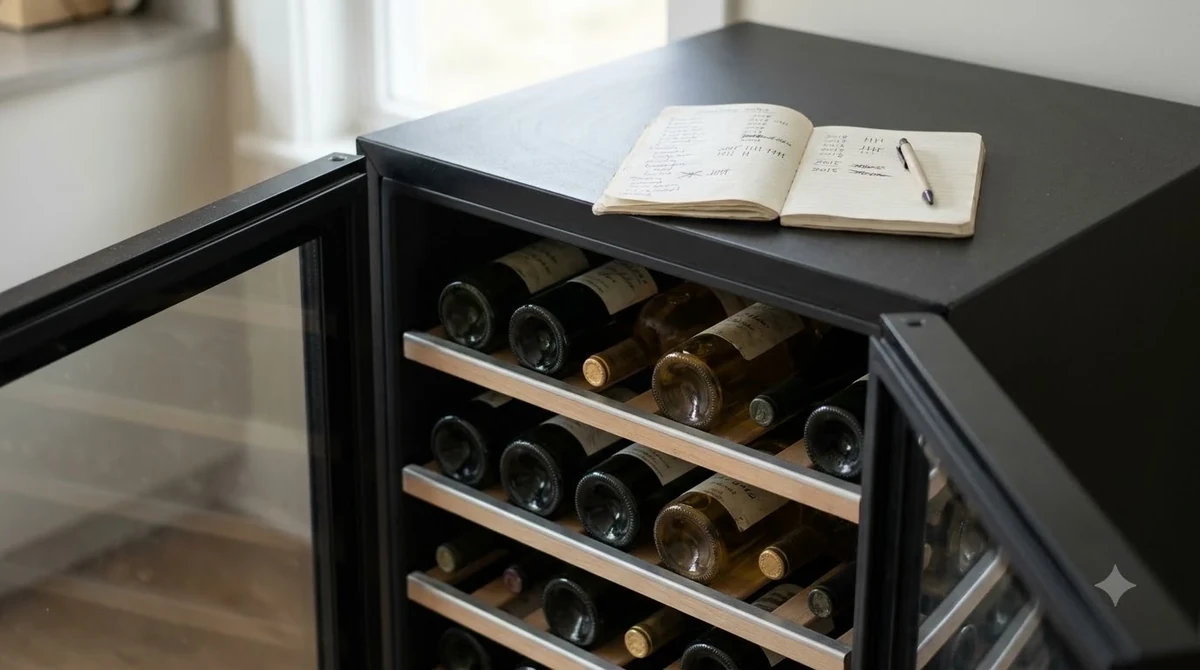
Store unopened bottles on their sides at a steady 55°F with 50 to 70 percent relative humidity so natural corks remain elastic and airtight over a 10- to 20-year aging window. According to Far Niente Wine Estates, Nickel & Nickel ages its single-vineyard Cabernet Sauvignons for roughly 20 months in French oak barrels (around 50 to 60 percent new oak) without fining or filtration, so older vintages naturally throw fine sediment in the bottle. Standing a mature bottle upright for 24 hours before dinner allows sediment to settle cleanly at the base before pouring.
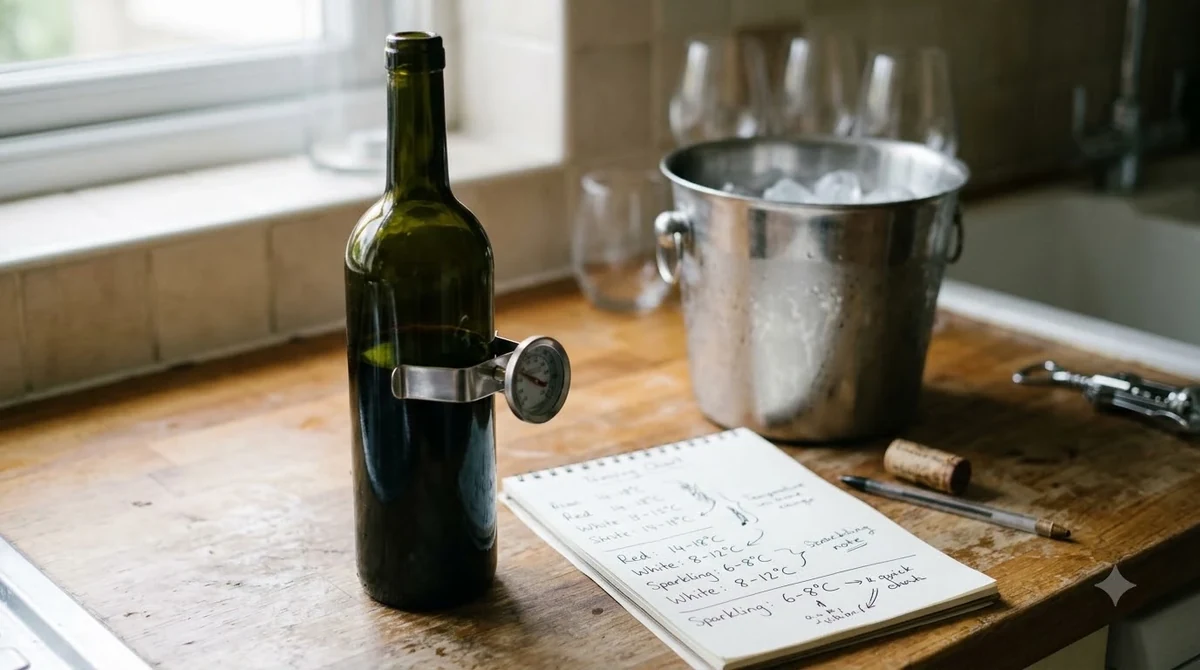
Serving temperature and decanting time depend on wine style and bottle age. Serve fuller-bodied oak-aged Chardonnays like Truchard Vineyard around 50°F to 55°F so crisp orchard fruit and subtle barrel spice stay focused without numbing the palate. For Cabernet Sauvignon, target a cellar-cool serving range of 60°F to 65°F; if a dining room sits near 72°F, placing the bottle in a refrigerator for 15 to 20 minutes brings it into range. Young single-vineyard Cabernets under five years old benefit from 45 to 60 minutes in a wide-bottomed decanter to soften high tannins, while bottles aged 10 years or more need only 15 to 20 minutes of gentle air. Once opened, re-cork unfinished bottles and keep them in the refrigerator for 3 to 5 days.
At the table, pair valley floor Oakville and Rutherford Cabernets with marbled ribeye, braised short ribs, or aged hard cheeses, where fat and salt soften firm grape tannins. Reserve higher-acid Carneros Chardonnay for roast chicken, seared scallops, or creamy mushroom dishes that match its medium acidity.
Frequently Asked Questions
How much does a tasting cost at the Nickel and Nickel winery in Oakville?
Seated tours and tastings at the Nickel & Nickel estate on St. Helena Highway in Oakville cost $75 to $200 per person according to Wine Spectator. Reservations are required, and experiences typically feature a flight of current-release single-vineyard Cabernet Sauvignons paired with small bites inside the restored 19th-century farmstead.
Who owns Nickel and Nickel Winery?
Nickel & Nickel is part of Far Niente Wine Estates, founded in 1997 by the Far Niente partners to specialize exclusively in 100-percent varietal, single-vineyard wines. Its sister properties in Napa Valley and Sonoma include Far Niente, Bella Union, EnRoute, Dolce, and Post & Beam.
Which Nickel and Nickel Cabernet Sauvignon is farmed biodynamically?
Element 28 Cabernet Sauvignon is farmed biodynamically and was named by vineyard owner Erik Nickel after nickel’s atomic number on the periodic table, according to Wine Enthusiast. The bottling frequently earns 90-point-plus Cellar Selection honors and retails in a similar $115 to $145 range as other core Napa Valley releases, though prices vary by state and retailer.
How much can you save with the Far Niente wine club?
According to Far Niente Wine Estates, wine club members receive up to 20 percent savings on scheduled shipments and additional bottle purchases across the portfolio. Membership also includes complimentary seated tastings and tours at select sister wineries, which offsets travel costs when visiting Oakville.
What is the difference between Far Niente Cabernet Sauvignon and Nickel and Nickel?
Far Niente produces a flagship estate-blended Oakville Cabernet Sauvignon that combines multiple vineyard blocks—often with small percentages of complementary Bordeaux varieties—for a consistent house profile. By contrast, every nickel and nickel wine is 100 percent single-varietal and sourced from one individual vineyard site so drinkers can compare distinct Napa Valley microclimates side by side.
Comparing Wine-Searcher retail averages against Far Niente direct release tags makes it easy to buy Nickel & Nickel wines without overpaying. Whether starting with a $55 Carneros Chardonnay or cellaring a $120 Oakville or Rutherford single-vineyard Cabernet Sauvignon, matching the vineyard site to your meal and timeline delivers the strongest value in the glass.
More in Wine Brands
 Underwood Wine Price: Compare Bottles, Cans, and Pack SizesUpdated Nov 21, 2026
 Zenato Wine Price: Compare Styles and Choose the Right BottleUpdated Nov 21, 2026
 Zuccardi Wine Price: Compare Bottles and Find the Right RangeUpdated Nov 21, 2026
 Yellow Tail Moscato Review: Taste, Sweetness and Serving TipsUpdated Nov 21, 2026
 Wolf Blass Yellow Label Review: Choose Your Best StyleUpdated Nov 21, 2026
 Wolffer Estate Rose Review: Choose the Right Bottle for Your TableUpdated Nov 21, 2026