

We may earn a commission when you buy through links on this page, at no extra cost to you. Learn more.
This miraval rose review finds a fresh, dry, fruit-forward Provence rosé with floral aromas, citrus brightness, white-peach flavors, and a distinctive mineral finish. Made from Cinsault, Grenache, Rolle, and Syrah, Miraval Rosé combines a delicate appearance with more texture and concentration than its pale color might suggest. It is particularly appealing for readers looking for a versatile French rosé to serve with seafood, salads, grilled food, and relaxed summer meals.
Miraval has become a recognizable name in the Provence rosé category, but its appeal is not limited to its presentation or reputation. The wine has a specific regional identity, a carefully managed four-grape blend, and a production approach that combines stainless-steel fermentation with a small barrel component. Understanding those details helps explain what is inside the bottle and whether its style matches your preferences. This guide examines its flavor, production, serving requirements, food compatibility, and practical buying considerations.
Who This Is For: Rosé Drinkers Who Prefer Freshness and Texture
Miraval Rosé is a good candidate for drinkers who enjoy dry, aromatic wines with refreshing acidity and a little more palate weight than a very light summer rosé. Its combination of citrus, stone fruit, floral character, and savory minerality makes it suitable for both casual drinking and meals where a white wine might otherwise be the obvious choice.
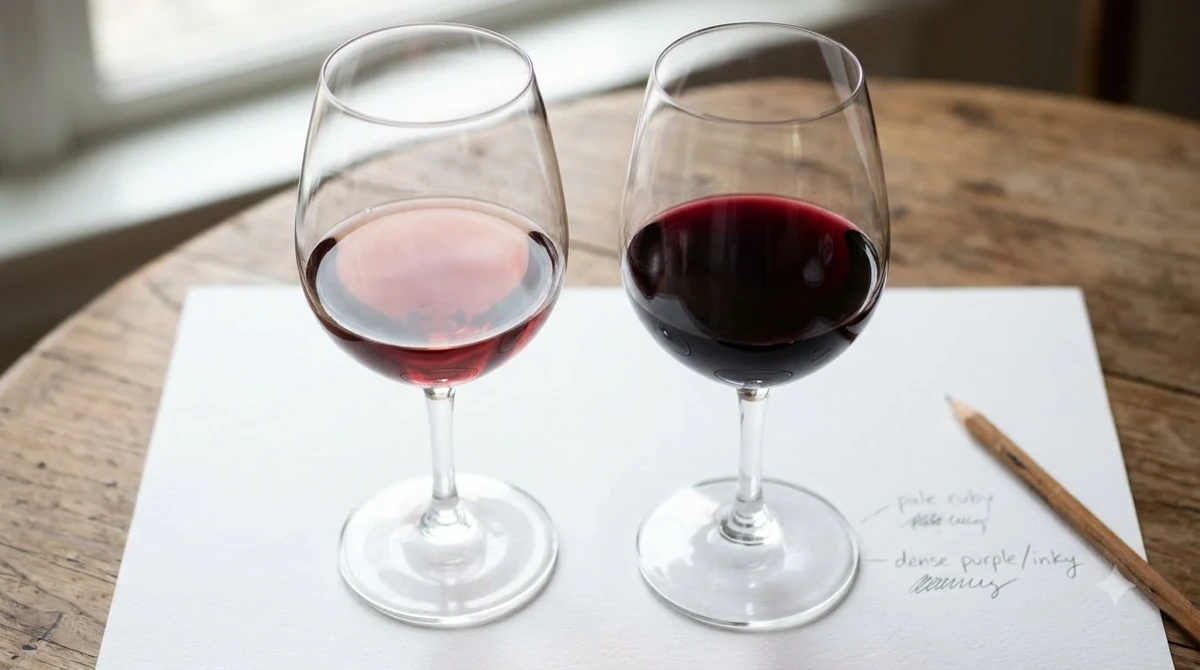
The wine comes from the Côtes de Provence appellation in southeastern France. Its regional identity matters because Provence has a long-established reputation for pale-colored rosé wines that emphasize freshness, restrained fruit, and a relatively dry finish. Miraval follows that general style while offering a more substantial fruit profile than some particularly delicate examples.
According to the producer, selected grapes come from vineyards near Correns, just north of Brignoles. The growing environment includes clay and limestone soils, partially terraced vineyards, and an average elevation of approximately 350 meters. These conditions are associated with the wine’s balance between ripe fruit and refreshing character.
Its flavor profile is particularly suitable for people who enjoy the following characteristics:
- Fresh fruit: White peach, citrus, and red-fruit suggestions provide recognizable fruit character without making the wine taste like a sweet beverage.
- Floral aromas: Delicate floral notes add fragrance and make the wine appealing as an aperitif.
- Mineral character: Saline and lemony details give the finish a savory edge rather than leaving only fruit flavors.
- Dry structure: The style suits drinkers who prefer refreshing rosé rather than noticeably sweet pink wine.
- Food flexibility: Its combination of fruit, freshness, and moderate structural weight works with several Mediterranean-inspired dishes.
Miraval is less suitable for someone specifically seeking a sweet rosé with pronounced residual-sugar character. It is also not the most obvious choice for drinkers who want a very inexpensive, uncomplicated wine for large gatherings. Its distinctive presentation and recognizable name are part of its appeal, but the actual buying decision should depend on the wine’s style rather than its image alone.
Readers comparing different producers can also explore our broader Wine Brands coverage to understand how regional identity, grape selection, and winemaking influence the character of individual bottles.
Key Factors to Compare: Grapes, Production, and Flavor
The most useful way to evaluate Miraval Rosé is to look beyond its pale-pink appearance and consider its four grape varieties, vineyard conditions, fermentation methods, and balance of fruit and acidity. These elements explain why the wine has both a refreshing Provence character and a noticeable amount of palate texture.
| Comparison factor | Miraval Rosé details | Why it matters |
|---|---|---|
| Appellation | A.O.P. Côtes de Provence | Identifies its regional origin and wine category. |
| Grape varieties | 4: Cinsault, Grenache, Rolle, Syrah | Combines fruit, freshness, aromatic character, and structure. |
| Vineyard elevation | Approximately 350 meters | Provides context for the vineyard’s relatively cool conditions. |
| Fermentation vessels | 95% stainless steel, 5% barrels | Balances freshness with a small contribution from barrel vinification. |
| Sorting | 2 sorting stages | Forms part of the producer’s grape-selection process. |
| Alcohol in reviewed 2022 vintage | 13% ABV | Useful for understanding the particular vintage’s strength. |
| Bottle size in reviewed 2022 vintage | 750 ml | A standard bottle provides approximately 5 servings of 5 oz. |
| Appearance | Pale pink with silvery undertones | Matches its delicate Provence presentation. |
How the four grapes contribute
Cinsault is an important component in many southern French rosés. It can provide fresh red-fruit aromas, a relatively gentle structure, and an approachable character. In a blend, it helps create the easy-drinking quality associated with Provence rosé.
Grenache contributes fruit richness and body. Its ripe fruit character can give rosé a fuller impression, particularly when harvested at suitable maturity. It also helps balance the lighter, more delicate elements of the blend.
Rolle, also known as Vermentino, contributes aromatic freshness and citrus-oriented character. Its presence is particularly relevant when considering the wine’s grapefruit, lemon, and white-fruit profile. It helps prevent the blend from becoming dominated by heavier red-fruit flavors.
Syrah adds another dimension. It can contribute darker fruit, color, and structure. The producer uses partial saignée for this variety, a technique involving the removal of some juice from red-grape must after initial contact with the skins. This approach can influence the resulting wine’s concentration and character.
Why the production method matters
Miraval reports that its grapes are harvested in the morning and sorted twice. Early harvesting helps preserve freshness during the production process, while careful selection helps the winemaking team work with suitable fruit.
The producer also describes direct pressing for Cinsault, Grenache, and Rolle. Direct pressing limits the amount of time juice remains in contact with grape skins, which is one reason rosé wines can maintain a relatively light color. Syrah receives a partially different treatment through saignée.
The reported fermentation proportions are 95% temperature-controlled stainless-steel vats and 5% barrels. The stainless-steel component supports a clean expression of fruit, while the barrel portion and bâtonnage provide another layer of winemaking complexity. This does not mean the wine should taste like heavily oaked Chardonnay. The barrel proportion is comparatively small.
For the producer’s detailed vintage-specific description, see the official Miraval Rosé information. Its technical and tasting descriptions provide useful context for understanding the wine’s regional identity and production.
Step-by-Step: How to Evaluate and Choose a Bottle
Choosing Miraval Rosé becomes easier when the decision is broken into a few practical checks. Start with the intended drinking occasion, then consider the vintage, alcohol level, flavor expectations, and serving conditions before opening the bottle.
-
Decide whether you want a dry Provence rosé.
Miraval is a better match for someone looking for fresh citrus, peach, floral aromas, and a savory finish than for someone searching for a sweet pink wine. Establishing this preference first prevents disappointment after opening the bottle.
-
Identify the specific vintage.
Wine is an agricultural product, so the character of Miraval Rosé can change between harvests. The producer publishes individual vintage descriptions, while independent reviews can provide additional perspective. A 2022 Wine Enthusiast review, for example, describes ripe red fruit, concentration, and a tangy edge. That description should not automatically be applied to every other vintage.
-
Check the alcohol information.
Wine Enthusiast lists the 2022 vintage at 13% ABV in a 750 ml bottle. This is useful when comparing that particular release with other rosés, although alcohol levels can differ between vintages. For a more detailed explanation, consult our Miraval Rosé alcohol content coverage.
-
Consider the food you plan to serve.
For seafood, sushi, fresh salads, and grilled vegetables, Miraval’s citrus and mineral character can be particularly useful. For richer grilled poultry or Mediterranean dishes, its fruit concentration and texture provide additional versatility.
-
Plan the serving temperature.
Light rosé is generally best served at approximately 45 to 50 degrees Fahrenheit. Chilling the wine helps preserve its freshness, while allowing it to warm slightly in the glass can make its fruit and floral aromas easier to recognize.
-
Use an appropriate glass.
A standard white-wine glass with a moderately narrow opening is a practical choice. It provides enough room to assess the aromas without requiring specialized rosé glassware. Avoid filling the glass completely, since a smaller pour leaves room for aromas to develop.
-
Assess the wine in stages.
Begin with its color, then smell for citrus, flowers, and fresh fruit. Take a small sip and consider acidity, fruit intensity, texture, and the finish. A good evaluation should distinguish between sweetness from ripe fruit aromas and actual sweetness on the palate.
-
Match the purchase to the occasion.
A bottle intended for a seafood dinner may call for a different choice than one intended for an outdoor gathering. Miraval’s dry, aromatic style is especially useful when one wine needs to work with several lighter dishes.
Tip: Chill Miraval Rosé to approximately 45 to 50 degrees Fahrenheit before serving. If the bottle is extremely cold, give it a few minutes in the glass before judging its aromas. Excessive chilling can make delicate floral and fruit notes harder to appreciate.
Readers who want a more detailed breakdown of the wine’s aroma and palate can consult our Miraval Rosé tasting notes article. That additional information is useful when comparing the style with other dry French rosés.
Types or Styles Explained: Understanding the Miraval Rosé Profile
Miraval Rosé belongs to the dry, still rosé category associated with Côtes de Provence. Its style combines delicate color with fresh fruit, floral aromas, and a savory finish, although the balance between concentration and freshness can vary from one vintage to another.

Dry rather than sweet
The most important distinction is that Miraval should be approached as a dry rosé, not as a sweet wine. Its white-peach and red-fruit aromas can suggest ripeness, but aromatic fruitiness does not automatically mean a wine contains substantial residual sugar.
Dry rosé is generally more flexible at the dinner table than sweeter pink wines. Its acidity can complement seafood, vegetables, and dishes containing citrus or fresh herbs. Its fruit character can also soften the impression of lightly spiced food without making the pairing taste sugary.
Fresh and citrus-driven characteristics
The official tasting description highlights grapefruit, lemon, and white peach, supported by floral and saline details. These characteristics give the wine a combination of freshness and fruit richness.
Wine Enthusiast’s reviews also illustrate why vintage matters. Its description of the 2021 release emphasizes citrus and raspberries with a crisp finish, while its 2022 review highlights richer red-fruit character and a tangy edge. The broad identity remains recognizable, but individual releases need not taste identical.
Texture and concentration
Miraval is not necessarily as light on the palate as its pale color might suggest. The barrel-fermented portion and the grape blend contribute to a more layered impression than the appearance alone would indicate.
The 2022 review from Wine Enthusiast describes the wine as full-bodied, ripe, and concentrated. This is an important distinction for people who associate all Provence rosé with very delicate, almost weightless wines.
However, a fuller impression does not make Miraval a heavy red-wine substitute. It remains a refreshing rosé whose structure is designed to support its fruit and freshness rather than overwhelm them.
Vintage variation and expectations
Vintage variation is normal in Provence. Growing-season temperatures, rainfall, grape maturity, and harvest timing can influence acidity, fruit concentration, and alcohol levels.
The producer’s description of the 2025 growing season, for example, mentions periods of intense heat, early maturity, and smaller berries with concentrated aromas. Such information provides useful context, but it should not be used to assume that every bottle from a different vintage will have precisely the same characteristics.
The practical approach is to use the producer’s current vintage description as the primary reference, then compare it with independent reviews where available. This helps distinguish the consistent house style from the differences introduced by individual harvests.
Common Mistakes: What to Avoid When Buying and Serving Miraval
Several common misconceptions can make a good Provence rosé seem less appealing than it actually is. The biggest problems involve confusing appearance with sweetness, serving the wine too cold, expecting every vintage to taste identical, and assuming that estate vineyard certification automatically applies to every bottle.
Judging sweetness by color
Miraval’s pale-pink appearance is characteristic of its Provence style, but color is not a reliable measure of sweetness. A pale rosé can be dry, and a darker rosé can also be dry. The amount of color largely reflects grape varieties, skin contact, and production methods rather than a direct measure of residual sugar.
Likewise, aromas of white peach, strawberry, or red berries should not be interpreted as proof that the wine is sweet. These are fruit characteristics that can appear in completely dry wines.
Serving it too cold
Extremely cold wine can conceal aromatic details. If Miraval is served directly from a very cold refrigerator, its floral notes and subtle stone-fruit aromas may initially seem muted.
A serving temperature of 45 to 50 degrees Fahrenheit is a more useful starting point for a light, fresh rosé. A bottle can be chilled in a refrigerator and then removed shortly before serving. Ice buckets are also useful when a bottle needs to remain cool throughout a meal.
Assuming all vintages are identical
One of the most common buying mistakes is relying on a review of a different vintage as though it described the bottle being purchased. The 2021 and 2022 Wine Enthusiast descriptions demonstrate that Miraval can show differences in fruit concentration, texture, and aromatic emphasis.
A review is most useful when its vintage is clearly identified. If the bottle available at a retailer is a different release, use the review as background information rather than a guarantee of identical flavor.
Confusing organic vineyards with certified organic wine
Miraval states that its estate vineyards are certified organic. However, the producer explicitly distinguishes this status from the certification of the finished wines.
Its explanation is that the winemaking team may blend estate-grown grapes with fruit from outside vineyards that are not necessarily certified organic. The producer also identifies a stabilization method as a reason its wines are not claimed as organic.
This distinction is important for consumers who prioritize certification. Vineyard farming practices and finished-wine certification are related subjects, but they are not interchangeable. Someone specifically seeking a certified-organic finished wine should not assume that the certification of the estate vineyards settles that question.
Expecting a heavily oaked flavor
The reported use of barrels for 5% of fermentation does not mean Miraval should taste strongly of vanilla, toast, or sweet oak. Most of the wine is fermented in temperature-controlled stainless-steel vats.
The small barrel component is better understood as part of the winemaking approach rather than evidence of a pronounced oak-driven style. Drinkers who dislike heavily wooded white wines may still appreciate this rosé.
Buying it for long-term cellaring
Miraval Rosé is generally most useful as a fresh, youthful wine. Its aromatic appeal depends on lively fruit, citrus character, and refreshing structure, all of which are qualities best enjoyed while the wine remains youthful.
Buying multiple bottles for immediate or near-term occasions makes more sense than automatically treating it as a wine that will improve through years of storage. Older bottles may lose some of the freshness that defines the style.
Care or Storage Tips: Keeping the Wine Fresh
Proper storage and serving are important because rosé is particularly dependent on freshness and aromatic clarity. Miraval should be protected from excessive heat, light, and unnecessary temperature fluctuations, then served chilled rather than ice-cold.
Storing an unopened bottle
For longer storage, a consistent temperature near 55 degrees Fahrenheit is a useful general target for wine. Keep bottles away from direct sunlight, radiators, ovens, and other heat sources. Sudden temperature changes can be more damaging than a small, stable deviation from the ideal storage temperature.
Store cork-closed bottles horizontally when practical, keeping the cork in contact with the wine. This helps prevent the cork from drying out during extended storage. Avoid moving bottles unnecessarily, especially if they are being kept for more than a few weeks.
Miraval’s pale rosé is not a wine that needs years of bottle development to become enjoyable. For most drinking occasions, choosing a recent, well-stored vintage is the more sensible approach.
Chilling before serving
A refrigerator is suitable for bringing the bottle to serving temperature. Allow sufficient time for cooling rather than relying on a very brief period in the freezer.
An ice bucket containing ice and water can maintain a suitable temperature during dinner. Water improves contact between the ice and bottle, making the cooling process more effective than placing the bottle in a container filled with ice cubes alone.
When serving several glasses, pour moderate quantities rather than filling every glass in advance. This helps keep the wine at an appropriate temperature and allows each guest to enjoy it while its aromas remain fresh.
After opening
Replace the original closure or use a suitable wine stopper, then refrigerate the bottle promptly. Opened still wines generally retain reasonable quality for approximately 3 to 5 days under refrigeration, although freshness can decline sooner depending on oxygen exposure and the wine’s condition.
For Miraval, the best experience is usually within the first couple of days after opening. The citrus and floral character is an important part of its identity, so avoiding unnecessary air exposure is useful.
If the bottle has been open for several days, assess the aroma and flavor before serving. Oxidation can reduce freshness and make fruit aromas less expressive. A bottle that smells noticeably tired or has developed an unpleasant character is unlikely to provide the same experience as a freshly opened one.
Planning portions for a meal
A standard 750 ml bottle provides approximately five 5-ounce servings. This makes it straightforward to plan the amount needed for a dinner or gathering.
For four guests, one bottle provides a modest serving with a little wine left over. For a group of eight, two bottles provide approximately ten standard servings. The exact amount required depends on the number of courses, other beverages being served, and individual preferences.
Using a 5-ounce pour also leaves room in the glass for the wine’s aromas to develop. It is generally preferable to serve smaller fresh pours than to fill glasses to the rim and allow the wine to warm.
Frequently Asked Questions
Is Miraval Rosé made in a vegan-friendly style?
The producer’s published information describes grape varieties, pressing, fermentation vessels, and bottling, but does not establish a specific vegan certification for the finished wine. Some winemaking processes use animal-derived fining agents, while others use alternatives. Consumers who require verified vegan products should request confirmation for the specific vintage rather than assume that a wine is vegan because it is rosé.
Does Miraval Rosé contain sulfites?
Sulfites can occur naturally during fermentation and may also be used during winemaking to help protect wine from oxidation and microbial spoilage. The producer’s published information focuses on its production methods rather than providing a complete vintage-specific sulfite analysis. The actual sulfite concentration can differ between releases and should not be inferred from the wine’s color or grape blend.
Can Miraval Rosé be used in a rosé wine cocktail?
Yes. Its dry fruit profile makes it suitable as a base for simple wine cocktails. It can be combined with chilled sparkling water, citrus peel, or a small amount of fresh fruit for a lighter wine-based drink. Avoid adding excessive sweet syrup, since that can overpower its natural citrus and mineral character.
Does Miraval produce other wine styles besides its signature rosé?
Yes. The producer’s estate information identifies two white wines, one under AOC Côtes de Provence and another under AOC Côteaux Varois en Provence, as well as a red wine classified as Vin de France. This wider range provides an opportunity to explore the estate’s approach beyond its best-known pink wine.
Is the Miraval estate open for winery tours?
No. Miraval’s official FAQ states that the estate is not open to public visits. The producer does identify the Famille Perrin tasting room in Châteauneuf-du-Pape as a location where its wines are available. Visitors should confirm tasting arrangements directly before making travel plans.
Miraval Rosé is a compelling choice for drinkers who appreciate dry Provence rosé with fresh citrus, white-peach fruit, floral aromas, and a lightly savory finish. Its four-grape blend and combination of stainless-steel and barrel fermentation give it more dimension than its delicate appearance initially suggests. For the most satisfying experience, choose a suitable recent vintage, serve it at approximately 45 to 50 degrees Fahrenheit, and pair it with seafood, salads, grilled vegetables, or Mediterranean food.
More in Wine Brands
 Underwood Wine Price: Compare Bottles, Cans, and Pack SizesUpdated Nov 21, 2026
 Zenato Wine Price: Compare Styles and Choose the Right BottleUpdated Nov 21, 2026
 Zuccardi Wine Price: Compare Bottles and Find the Right RangeUpdated Nov 21, 2026
 Yellow Tail Moscato Review: Taste, Sweetness and Serving TipsUpdated Nov 21, 2026
 Wolf Blass Yellow Label Review: Choose Your Best StyleUpdated Nov 21, 2026
 Wolffer Estate Rose Review: Choose the Right Bottle for Your TableUpdated Nov 21, 2026