

We may earn a commission when you buy through links on this page, at no extra cost to you. Learn more.
La vieille ferme wine price typically falls around $7 to $12 for a standard 750 ml bottle in the United States, depending on whether you choose Rouge, Blanc, or Rosé and where you shop. The Perrin family’s approachable Rhône wine range also comes in larger bottles, 3-liter boxes, and convenient 250 ml cans. Comparing package sizes and individual wine styles helps you understand what represents reasonable value before buying.
La Vieille Ferme is a recognizable French wine range associated with the Perrin family and the Rhône Valley. Its appeal comes from accessible everyday wines rather than expensive, highly collectible bottles. However, the amount you pay depends on the wine’s color, bottle size, retailer, and local availability. This guide explains typical American retail prices, compares the main styles, and shows how to choose a format that suits your drinking occasion.
Who This Is For
La Vieille Ferme is worth considering for shoppers who want approachable French wine without paying premium Rhône prices. Its three familiar still-wine styles, Blanc, Rosé, and Rouge, make it relatively straightforward to choose a bottle for a meal or casual gathering.
The brand was established by Jean-Pierre and François Perrin as an affordable, straightforward Rhône wine. Vineyard Brands introduced it to American consumers in 1980. The Perrin family’s involvement gives the range an established winemaking background, while its positioning remains focused on accessible everyday drinking rather than luxury wine collecting. The family’s Château de Beaucastel connection is part of its history, but shoppers should not confuse the everyday La Vieille Ferme range with the more prestigious wines associated with that estate.
This range can suit several types of shoppers:
- Budget-conscious wine buyers: Standard bottles generally occupy an accessible retail category, making them practical for everyday meals and informal occasions.
- French wine beginners: Blanc, Rosé, and Rouge offer three recognizable styles without requiring extensive knowledge of Rhône appellations.
- Hosts planning casual gatherings: The availability of 1.5-liter bottles, 3-liter boxes, and cans provides alternatives to buying several standard bottles.
- Shoppers who enjoy food-friendly wine: The different styles offer options for poultry, seafood, vegetables, grilled foods, and lighter meals.
- People exploring Rhône blends: The range provides an accessible introduction to a French region known for blending grape varieties.
It may be less suitable for someone seeking a rare vintage, a highly complex single-vineyard wine, or a bottle intended for extended cellaring. Its central attraction is convenience and approachable pricing. Shoppers looking for more information about the producer and its different wines can also explore our overview of La Vieille Ferme wine.
The important distinction is between buying a wine for its everyday usefulness and paying extra for a particular appellation, producer reputation, or vintage. La Vieille Ferme is primarily positioned in the first category. A good purchase should therefore be judged by its style, freshness, package size, and suitability for the occasion rather than by expectations associated with expensive Rhône wines.
Key Factors to Compare Before Buying
The most useful comparison involves four factors: wine style, package size, retailer pricing, and the amount of wine you actually need. A standard 750 ml bottle is the easiest reference point, but larger formats can make more sense for groups.
The following ranges summarize the American retail listings reviewed from Total Wine and WinesRate. They are practical shopping estimates, not fixed national prices.
| Wine or format | Typical US retail range | What to consider |
|---|---|---|
| La Vieille Ferme Rosé, 750 ml | About $7 to $16 | Broad retailer variation |
| La Vieille Ferme Rouge, 750 ml | About $9 to $12 | Everyday red wine option |
| La Vieille Ferme Blanc, 750 ml | About $9 to $12 | Everyday white wine option |
| La Vieille Ferme Rosé, 1.5 L | About $14 to $25 | Two standard bottles in volume |
| La Vieille Ferme Rosé, 3 L | About $27 to $30 | Four standard bottles in volume |
| La Vieille Ferme Rouge, 3 L | About $23 to $27 | Larger-format red wine |
| La Vieille Ferme Rosé, 250 ml cans | Varies by retailer and pack | Individual serving convenience |
For the standard Rosé bottle, WinesRate’s US retailer comparison reports approximately $8 to $16 across its listed 750 ml offers, while its 1.5-liter and 3-liter listings show how larger formats occupy different price brackets. These are observed retail ranges, and prices vary by state and retailer.
For the other core styles, Total Wine’s La Vieille Ferme selection displays standard Blanc and Rouge bottles in approximately the $9 to $11 range, alongside Rosé bottles in approximately the $7 to $10 range. The retailer also lists 3-liter Rouge and Rosé formats and a four-pack of 250 ml Rosé cans. Prices vary by state and retailer.
Why the same wine has different prices
Retail pricing is not necessarily consistent across the country. A bottle listed at one price in California may cost more in New York or Florida because of distribution, state alcohol regulations, retailer operating costs, and local inventory. Some stores also have different prices for pickup, delivery, and online orders.
Vintage and stock availability can create additional differences. A retailer may have an older vintage remaining while another has a newer shipment. The difference does not automatically mean that the more expensive bottle is better. For an everyday wine, freshness, storage conditions, and the suitability of the style are more useful considerations.
Package size also affects the apparent price. A 3-liter box contains four times the volume of a 750 ml bottle, so its total price should never be compared with a standard bottle without accounting for the difference in volume.
Compare cost per standard bottle
A straightforward calculation makes package comparisons easier. Divide the package price by the number of 750 ml bottle equivalents. A 1.5-liter format contains two equivalents, while a 3-liter format contains four.
Tip: Compare the cost per 750 ml equivalent before choosing a large format. A package with a higher shelf price can still offer better value if it contains substantially more wine.
For example, a hypothetical 3-liter box costing $28 works out to the equivalent of $7 for each 750 ml portion. A hypothetical 1.5-liter bottle costing $18 works out to $9 per 750 ml equivalent. These examples illustrate the calculation rather than guarantee a particular store’s price.
Step-by-Step: How to Buy La Vieille Ferme at a Sensible Price
A few simple comparisons can prevent unnecessary spending. Start with the standard 750 ml bottle, decide which wine style suits the occasion, and then check whether a larger package offers better value.
-
Choose the wine color first.
Decide between Blanc, Rosé, and Rouge. White wine is a natural starting point for seafood and lighter meals, Rosé works well for casual outdoor dining, and Rouge suits many meat-based dishes. -
Use 750 ml as your reference size.
A standard bottle provides approximately five 5-ounce servings. This makes it easier to estimate how much wine you need for dinner or a small gathering. -
Compare at least two retailers.
Look at the listed price, bottle size, vintage information, and availability. A difference of several dollars can be meaningful in an everyday wine category. -
Calculate the larger-format equivalent.
Divide a 1.5-liter price by two or a 3-liter price by four. This gives a more useful comparison with a standard 750 ml bottle. -
Consider how quickly the wine will be consumed.
A larger format makes sense for a dinner with several guests. For one or two occasional glasses, a standard bottle is often more practical. -
Check the retailer’s final conditions.
Consider applicable taxes, delivery charges, local pickup availability, and whether the displayed price is restricted to a particular location. -
Buy according to the occasion.
Choose a wine that complements the meal rather than automatically selecting the lowest listed price. A suitable style usually provides more enjoyment than a marginal saving on the wrong bottle.
This process is particularly useful when buying for a party. For example, four people each having two 5-ounce glasses would require eight servings. Since a 750 ml bottle provides about five servings, two standard bottles would be a more practical starting point than one bottle.
For a larger gathering, a 1.5-liter or 3-liter format can reduce the need to open several separate packages. However, the quantity should match the expected consumption, and the wine should be stored appropriately after opening.
It is also sensible to compare the same style across different package sizes. Comparing a standard Rosé bottle with a large Rouge box does not establish which format offers better value because both the wine and the quantity differ.
La Vieille Ferme Wine Types and Styles Explained
The core range consists of Blanc, Rosé, and Rouge, with sparkling and additional formats extending the selection. Choosing between these styles is primarily a matter of flavor preference, food pairing, and serving occasion.
La Vieille Ferme Blanc
Blanc is the white wine option. White Rhône blends commonly draw on grapes associated with the region, and the style is generally useful for meals where fresh fruit character and refreshing acidity are welcome.
Consider Blanc with grilled fish, roast chicken, seafood pasta, or vegetable dishes. A serving temperature of 45 to 50 degrees Fahrenheit is a useful starting point for a lighter white, while a fuller white can be served slightly warmer at 50 to 55 degrees Fahrenheit.
Shoppers who prefer white wine can find more detailed information in our guide to La Vieille Ferme white wine. The important buying consideration is whether the wine’s style matches the food rather than whether Blanc is a few dollars cheaper or more expensive than Rouge.
La Vieille Ferme Rosé
Rosé is an especially flexible option for casual meals and warmer-weather gatherings. Its color and fruit character make it suitable for serving as an aperitif or alongside grilled vegetables, salads, seafood, and lighter poultry dishes.
Serve Rosé at approximately 45 to 50 degrees Fahrenheit. This keeps the wine refreshing without making its aromas difficult to appreciate. Its broad package selection also makes it a practical option for picnics, small gatherings, and larger parties.
The available formats listed by Vineyard Brands include 375 ml, 750 ml, 1.5-liter, and 3-liter bottles or packages, along with 250 ml cans. The exact assortment may differ between retailers. Readers interested in this particular style can also visit our dedicated La Vieille Ferme Rosé guide.
La Vieille Ferme Rouge
Rouge is the red wine option for shoppers who prefer a more substantial style. Rhône red blends commonly use grapes such as Grenache and Syrah, although the precise blend can differ according to the wine and production details.
Red wine works particularly well with grilled meats, tomato-based dishes, roasted vegetables, and savory foods. For serving, approximately 55 to 60 degrees Fahrenheit is a useful range for lighter reds, while fuller-bodied reds are generally better around 60 to 65 degrees Fahrenheit.
Rouge is a practical choice for a casual dinner where a white or rosé would seem too light. It is also available in larger formats, which can be useful when serving several guests.
Sparkling and additional formats
La Vieille Ferme’s portfolio extends beyond the three core still wines. Vineyard Brands lists Sparkling Blanc and Sparkling Rosé, which were introduced in 2018, along with the additional La Plume Blanc and La Plume Rosé labels.
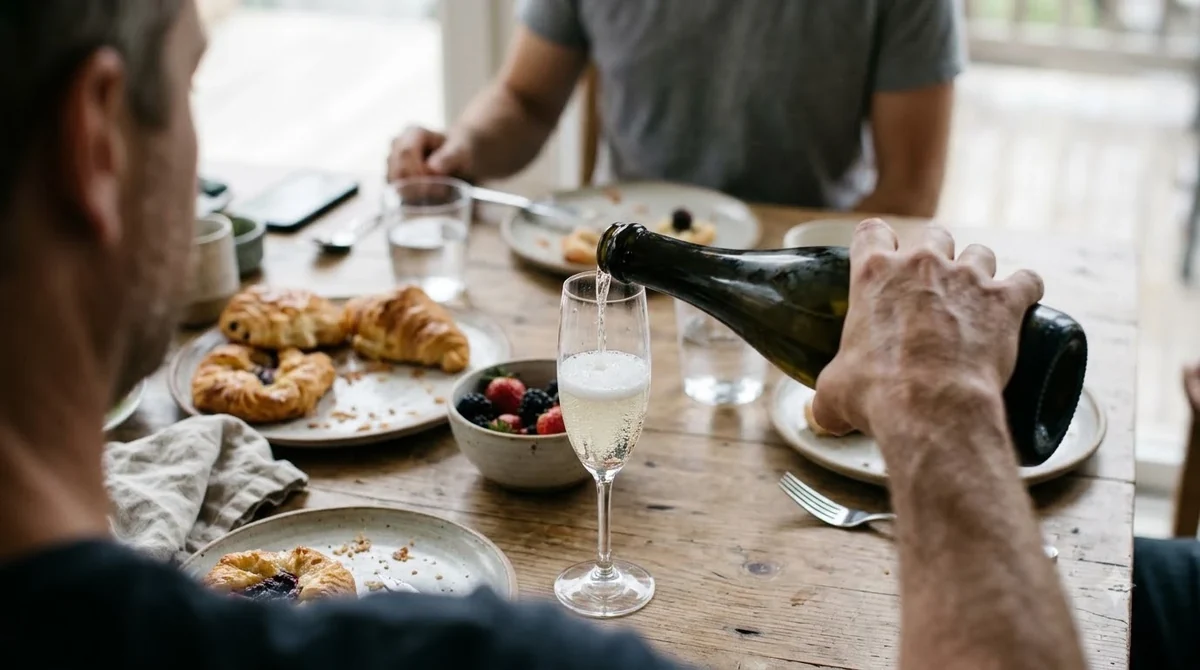
The producer’s listed packaging also includes 250 ml cans and four-packs. These smaller portions can be useful for people who want an individual serving without opening a full bottle. Sparkling wine is best served colder than still wine, generally around 40 to 50 degrees Fahrenheit.
Not every retailer carries every product. Before planning a purchase around a particular sparkling wine, can, or alternative label, confirm that the exact format is available through the retailer you intend to use.
Common Mistakes When Comparing Wine Prices
The most frequent shopping mistakes involve comparing different bottle sizes, assuming every retailer has the same inventory, or choosing a wine solely because its shelf price is lower. A fair comparison requires matching the style, volume, and purchasing conditions.
Comparing different bottle sizes directly
A 750 ml bottle and a 3-liter box are not equivalent purchases. The larger package contains four times as much wine, so its total price will naturally be higher. Compare the price per 750 ml equivalent to determine whether it offers better value.
The same principle applies to 250 ml cans. One can contains approximately one-third of a standard bottle, so comparing its total price with a 750 ml bottle can be misleading. Four 250 ml cans contain 1 liter, which is more than one standard bottle.
Assuming every style costs the same
Blanc, Rosé, and Rouge can have different retail prices even when they belong to the same brand. Retailers may also stock different package sizes for each style. The fact that one Rosé listing costs less than a Rouge listing does not establish that every Rosé bottle is cheaper.
Check the actual wine and size before drawing a conclusion. For example, comparing a 750 ml Rosé bottle with a 3-liter Rouge box will produce a misleading result because both the wine and volume differ.
Confusing the brand with premium Perrin wines
The Perrin family is associated with Château de Beaucastel, but La Vieille Ferme occupies a different position in the family’s portfolio. Its original purpose was to provide an affordable and straightforward Rhône wine. Buyers should not assume that every bottle bearing a Perrin family association has the same production positioning or price category.
Ignoring retailer location
American alcohol retail prices vary by state and retailer. A listing in California may not reflect the price available in Florida or New York. Shipping, local distribution, taxes, and store availability can also change the final amount paid.
Online comparison pages are useful starting points, but they are not guarantees that a bottle will be available at the displayed price when a shopper reaches checkout.
Buying too much wine for the occasion
A 3-liter package may look attractive when compared on a per-bottle basis, but it is not automatically the right choice for a small household. Four standard bottle equivalents can be excessive if only a few glasses are needed.
For a couple having dinner, one 750 ml bottle is often enough for a shared meal. For a gathering of eight people, a larger package may be more convenient, provided everyone prefers the same wine style.
Care and Storage Tips for Better Value
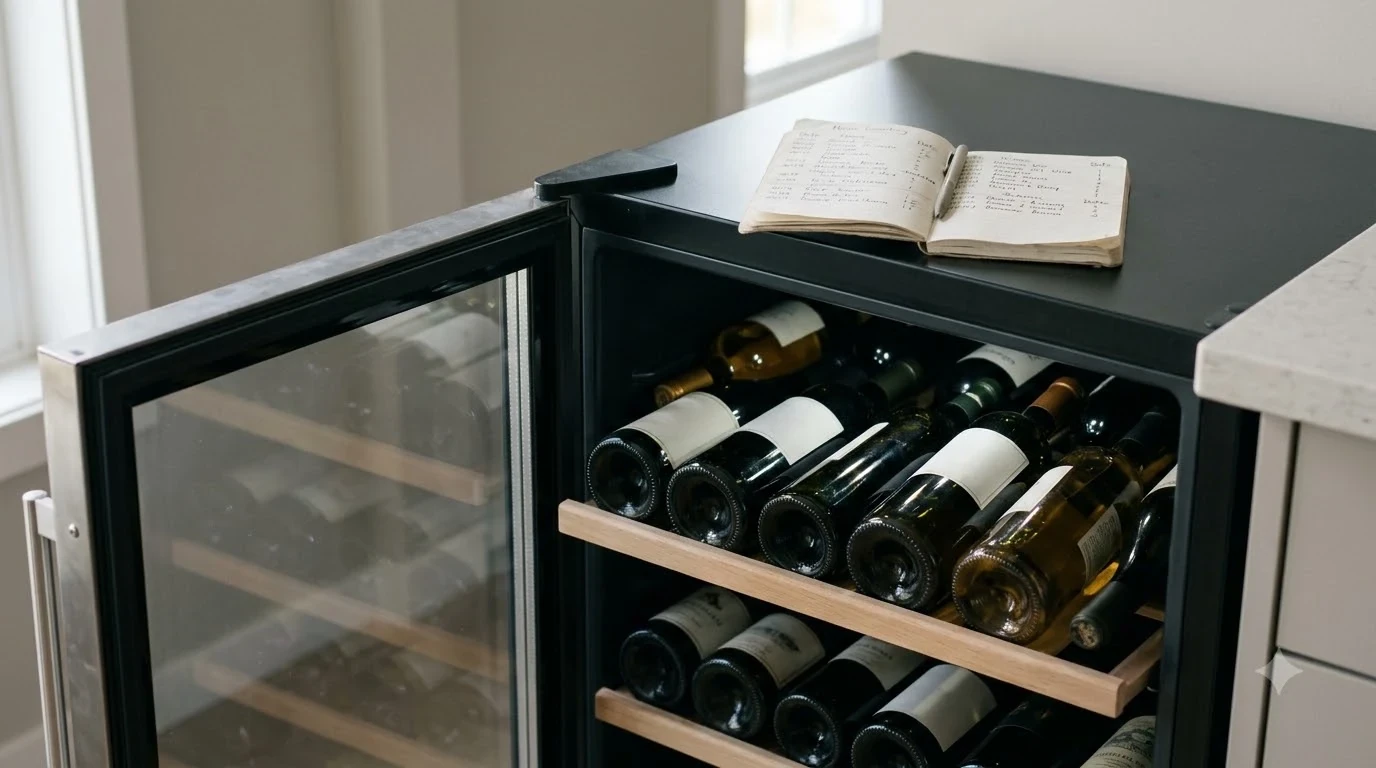
Proper storage helps preserve the wine you have purchased, particularly if you choose a larger format. Keep unopened bottles away from heat and direct sunlight, and refrigerate opened still wines to slow their deterioration.
Store unopened bottles correctly
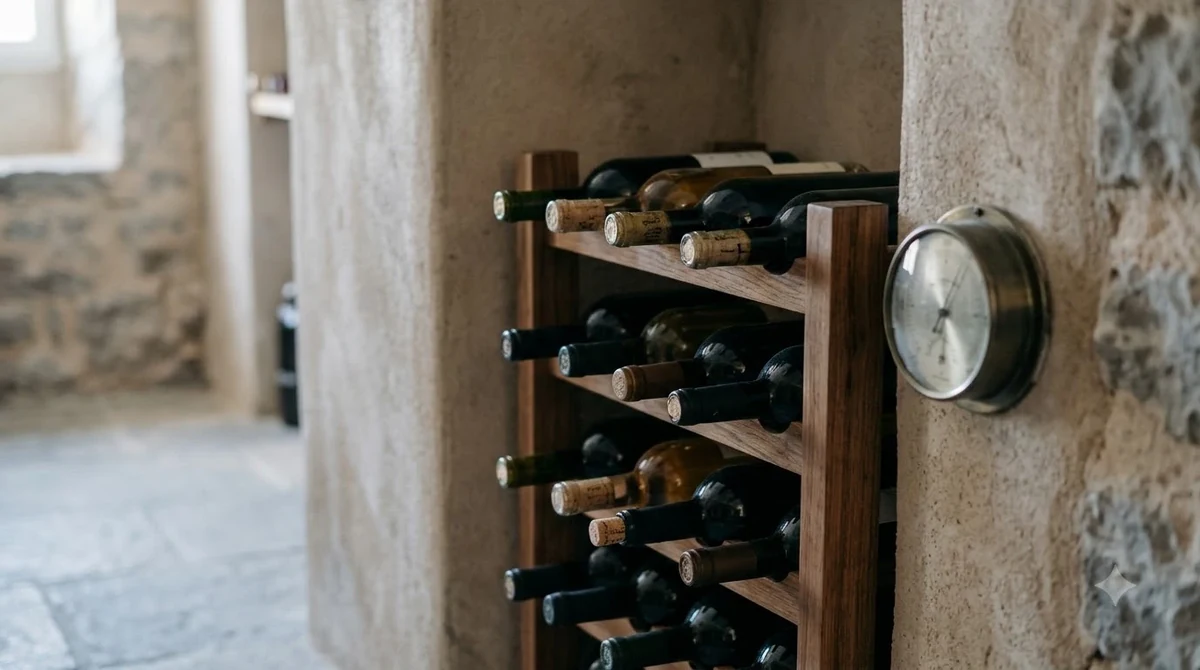
A cool, dark location near 55 degrees Fahrenheit is a useful target for storing wine. Avoid placing bottles beside ovens, radiators, or windows where temperature fluctuations and sunlight can affect their condition.
Traditional cork-finished bottles are generally stored on their sides to keep the cork from drying out. Keep the storage area reasonably stable rather than moving bottles frequently between warm and cold locations.
Serve each wine at an appropriate temperature
Serving temperature has a noticeable effect on how wine smells and tastes. White and rosé wines are generally more refreshing when chilled, while excessively cold temperatures can suppress aromatic characteristics.
- Blanc: Approximately 45 to 50 degrees Fahrenheit for a lighter white.
- Rosé: Approximately 45 to 50 degrees Fahrenheit.
- Rouge: Approximately 55 to 60 degrees Fahrenheit for a lighter red, with fuller reds closer to 60 to 65 degrees.
- Sparkling: Approximately 40 to 50 degrees Fahrenheit.
These ranges are more useful than serving every wine at the same refrigerator temperature. A red wine that is too warm can seem heavy, while an extremely cold white may seem less aromatic.
Preserve opened wine
After opening a bottle, reseal it and place it in the refrigerator. Most opened still wines are best consumed within approximately three to five days, depending on the wine, storage conditions, and exposure to oxygen.
Opened sparkling wines generally keep their best qualities for approximately one to three days when properly resealed with a suitable sparkling-wine stopper and refrigerated. A larger box format may remain usable longer after opening if its packaging and dispensing system limit air exposure.
For bag-in-box wines, approximately four to six weeks is a common practical storage range after opening, although the manufacturer’s instructions and storage conditions matter. This longer usable period is one reason boxed wine can be convenient for people who drink small quantities over several weeks.
Plan portions before opening a large package
A standard 750 ml bottle provides approximately five 5-ounce glasses. A 1.5-liter bottle contains about ten such servings, and a 3-liter package contains about twenty.
These calculations are useful when planning a dinner or event. They also help prevent unnecessary opening of multiple packages, particularly when guests have different preferences for Blanc, Rosé, and Rouge.
Frequently Asked Questions
Is La Vieille Ferme considered a Rhône wine?
Yes. La Vieille Ferme is associated with the Rhône wine tradition in southern France. The range is categorized as Rhône blends by Total Wine, and its original development was intended to provide accessible regional wine rather than a luxury bottling.
Who makes La Vieille Ferme wine?
Jean-Pierre and François Perrin established the range, and later generations of their family joined the winemaking operation. Vineyard Brands is identified as the American importer, rather than the original winemaking family or vineyard owner.
Does La Vieille Ferme have organic wine?
The standard product listings reviewed do not establish that the entire La Vieille Ferme range is certified organic. Organic certification is a specific production and labeling status, so a shopper should look for an explicit certification on the particular wine rather than assume that all wines from the producer share it.
Can La Vieille Ferme wine be used for cooking?
Yes. Blanc can be used in seafood sauces, risotto, and dishes involving white wine, while Rouge can contribute flavor to tomato-based sauces and braised dishes. Rosé can also work in certain light sauces, although its fruit character may produce a different result from a traditional dry white or red cooking wine.
Is La Vieille Ferme suitable for a wine gift?
It can be suitable as a casual host gift or an informal bottle for someone who enjoys approachable French wine. For a more formal occasion or a recipient who collects prestigious Rhône wines, a more specifically selected appellation or premium producer bottling may be a better fit.
La Vieille Ferme is a practical option for shoppers who want accessible French Rhône wines in several familiar styles and package sizes. Compare Blanc, Rosé, and Rouge at the same bottle volume, then calculate the equivalent cost before choosing a larger format. For a straightforward everyday purchase, the best choice is the wine that suits the meal, occasion, and quantity you actually need.
More in Wine Brands
 Underwood Wine Price: Compare Bottles, Cans, and Pack SizesUpdated Nov 21, 2026
 Zenato Wine Price: Compare Styles and Choose the Right BottleUpdated Nov 21, 2026
 Zuccardi Wine Price: Compare Bottles and Find the Right RangeUpdated Nov 21, 2026
 Yellow Tail Moscato Review: Taste, Sweetness and Serving TipsUpdated Nov 21, 2026
 Wolf Blass Yellow Label Review: Choose Your Best StyleUpdated Nov 21, 2026
 Wolffer Estate Rose Review: Choose the Right Bottle for Your TableUpdated Nov 21, 2026