

We may earn a commission when you buy through links on this page, at no extra cost to you. Learn more.
is aldi wine good? Yes, Aldi wine can be surprisingly good, particularly its Specially Selected range, selected regional wines, and certain Winking Owl varieties. However, quality varies considerably between bottles, and the cheapest options are not automatically the best choices. Shoppers who understand Aldi’s wine labels, grape varieties, and regional selections can find enjoyable everyday wines without paying for a premium brand name.
Aldi approaches wine differently from traditional wine retailers. Its shelves concentrate on exclusive labels, international suppliers, recognizable grape varieties, and rotating seasonal releases. That approach creates opportunities to discover worthwhile bottles, but it also means shoppers need to distinguish straightforward everyday wines from more ambitious selections. This guide explains what to expect, which styles deserve attention, and how to make a sensible choice during your next grocery trip.
Who Should Buy Aldi Wine?
Aldi wine is particularly suitable for shoppers who want accessible bottles for ordinary meals, casual gatherings, and uncomplicated entertaining. It is also a useful starting point for discovering varieties such as Malbec, Sauvignon Blanc, Pinot Grigio, and Shiraz without committing to an expensive bottle.
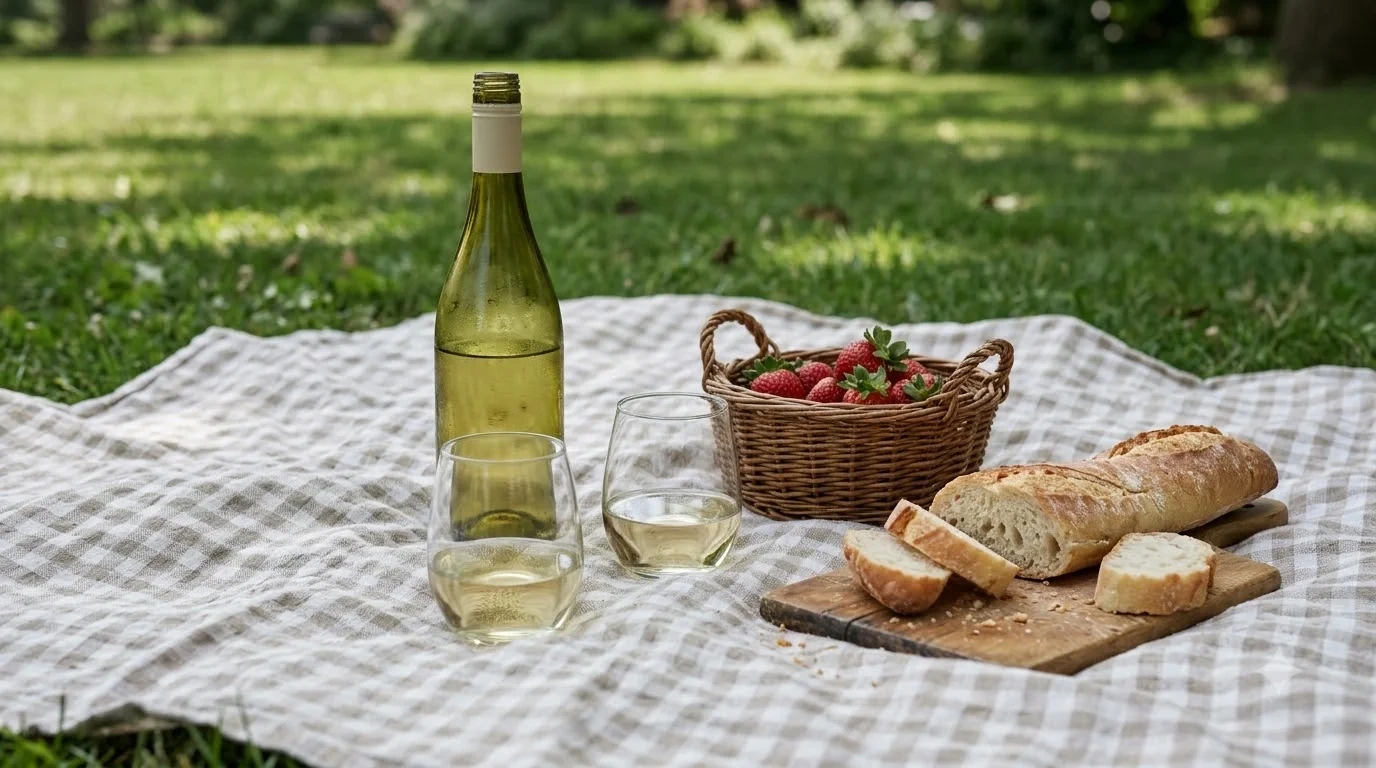
Budget-conscious everyday drinkers are the clearest audience for Aldi’s entry-level wines. Winking Owl is designed around straightforward drinking rather than elaborate winemaking expression. Its familiar grape varieties and approachable fruit flavors can work well for weeknight pasta, pizza, casual barbecues, and informal dinners.
However, shoppers expecting the depth of an aged Bordeaux, a structured Napa Valley Cabernet Sauvignon, or a complex Burgundy should adjust their expectations. An inexpensive California Chardonnay and a premium single-vineyard Chardonnay are different purchasing propositions. Both can be enjoyable, but they offer different levels of concentration, structure, and detail.
Curious wine drinkers may find greater interest in ALDI’s Specially Selected collection. Its international sourcing includes established regions such as Marlborough in New Zealand, Rioja in Spain, Barossa Valley in Australia, and Uco Valley in Argentina. These geographical identities give shoppers a more meaningful starting point than choosing a bottle solely because its label features a familiar grape.
Aldi also suits people who enjoy discovering seasonal products. A rotating selection can introduce unfamiliar sparkling wines, regional reds, and special releases that are not permanent fixtures on the shelves. The downside is that a favorite bottle may not remain available at the next visit.
Wine enthusiasts seeking a dependable bottle for a formal celebration, an important dinner, or a particular vintage may prefer a specialist retailer. Aldi’s changing selection and private-label approach can make it harder to find the same wine repeatedly.
For a broader look at the retailer’s range, the Aldi wine selection is a useful starting point. The main consideration is matching the bottle to the occasion rather than assuming that every wine carrying the Aldi name offers the same experience.
Key Factors to Compare Before Buying
The best way to assess Aldi wine is to compare the label, grape variety, region, sweetness, and alcohol content rather than relying on packaging or brand recognition. Two bottles from the same retailer can deliver noticeably different drinking experiences.
| Wine or style | Reported ABV | Key characteristics | Best use |
|---|---|---|---|
| Winking Owl Pinot Grigio/Colombard | 11% | 54% Pinot Grigio, 46% Colombard; citrus and tropical fruit | Salads and light meals |
| Winking Owl Chardonnay | 12% | Medium body; orchard and tropical fruit | Roast chicken and white fish |
| Winking Owl Sauvignon Blanc | 13.5% | Golden apple, ripe citrus, dry finish | Seafood and fresh salads |
| Winking Owl Shiraz | 13% | Dark fruit, herbs, and soft tannins | Braised meat and hearty stews |
| Winking Owl Moscato | 9% | Pronounced sweetness and ripe fruit | Sweet desserts |
| Winking Owl Merlot | 12% | Black fruit, plum, relatively soft structure | Simple pasta dishes |
Note: Alcohol figures and wine characteristics above are reported for the specific Winking Owl selections discussed by Tasting Table. Individual products and subsequent releases may differ.
1. Grape variety and regional origin
Start by identifying the grape variety. Cabernet Sauvignon typically produces fuller-bodied red wine with substantial tannin, while Merlot generally offers softer tannins and approachable plum and berry flavors. Pinot Noir tends toward lighter body, lower-to-medium tannin, and brighter acidity.
White wines also have recognizable differences. Sauvignon Blanc usually has high acidity and can show citrus, green fruit, and herbal notes. Chardonnay generally has medium acidity and may offer apple, tropical fruit, buttery textures, or oak influences depending on its production style.
Regional information provides another useful clue. A Marlborough Sauvignon Blanc from New Zealand generally suggests a different flavor profile from a California Sauvignon Blanc. Similarly, Uco Valley Malbec offers a recognizable Argentine regional identity that is more informative than the grape name alone.
2. Sweetness and balance
Sweetness is one of the most important considerations for supermarket wine shoppers. A wine can be fruity without being sweet, and a dark-colored red can taste relatively dry despite its ripe berry flavors.
Look for the distinction between dry, off-dry, and sweet styles. Winking Owl Moscato and Sweet Red are intended for drinkers who enjoy noticeable sweetness. Sauvignon Blanc and Pinot Grigio are more appropriate starting points for shoppers looking for dry whites.
3. Alcohol content
Alcohol percentage helps establish how powerful a wine may feel, although it does not determine quality by itself. The Winking Owl examples discussed above range from 9% ABV for Moscato to 13.5% for Sauvignon Blanc.
Comparing the alcohol content of two bottles can be particularly useful if you want a lighter-feeling wine or prefer a fuller-bodied style. For additional details about interpreting percentages and serving sizes, see our guide to Aldi wine alcohol content.
4. The difference between inexpensive and premium selections
Price positioning is not a complete measure of quality, but Aldi’s different labels help explain its range. Winking Owl is its recognizable everyday option, while Specially Selected includes wines sourced from more specifically identified international regions.
When assessing two bottles, consider whether the more expensive-looking option provides a meaningful difference in origin, grape variety, or winemaking style. A named regional wine can offer a more distinctive experience than a generic varietal selection, although the label alone does not guarantee superior quality.
Step-by-Step: How to Choose a Good Aldi Wine
A simple selection process makes the wine aisle easier to understand. Start with the meal or occasion, narrow the choices by grape variety and sweetness, and then examine the regional information before purchasing.
- Decide what the wine needs to do. Choose whether the bottle is for a casual dinner, a gathering, a dessert course, or an aperitif. A dry white for grilled fish requires different characteristics from a sweet red for chocolate cake.
- Choose a broad wine category. Select red, white, rosé, or sparkling wine. If you are serving a summer salad or grilled seafood, a crisp white or dry rosé is often a sensible starting point. For beef or lamb, consider a structured red.
- Identify your preferred sweetness. Dry-wine drinkers should begin with Sauvignon Blanc, Pinot Grigio, or a suitable regional red. Those who enjoy sweeter flavors can consider Moscato, White Zinfandel, or Sweet Red.
- Compare grape varieties. Consider Cabernet Sauvignon for firmer tannins, Merlot for a softer red, and Pinot Noir for a lighter style. For whites, compare the refreshing acidity of Sauvignon Blanc with the rounder character often associated with Chardonnay.
- Look for regional details. Names such as Marlborough, Rioja, Barossa Valley, and Uco Valley provide useful information about where the wine originates. These details help distinguish a regional selection from a broadly labeled California wine.
- Compare alcohol percentages. A 9% Moscato and a 13.5% Sauvignon Blanc are substantially different in alcohol content. Choose according to your preferred style rather than assuming a higher percentage means better quality.
- Consider independent evaluations. Professional reviews can help identify strengths and weaknesses, but make sure the review refers to the same wine and vintage. A positive assessment of an older release does not automatically describe a newer bottle.
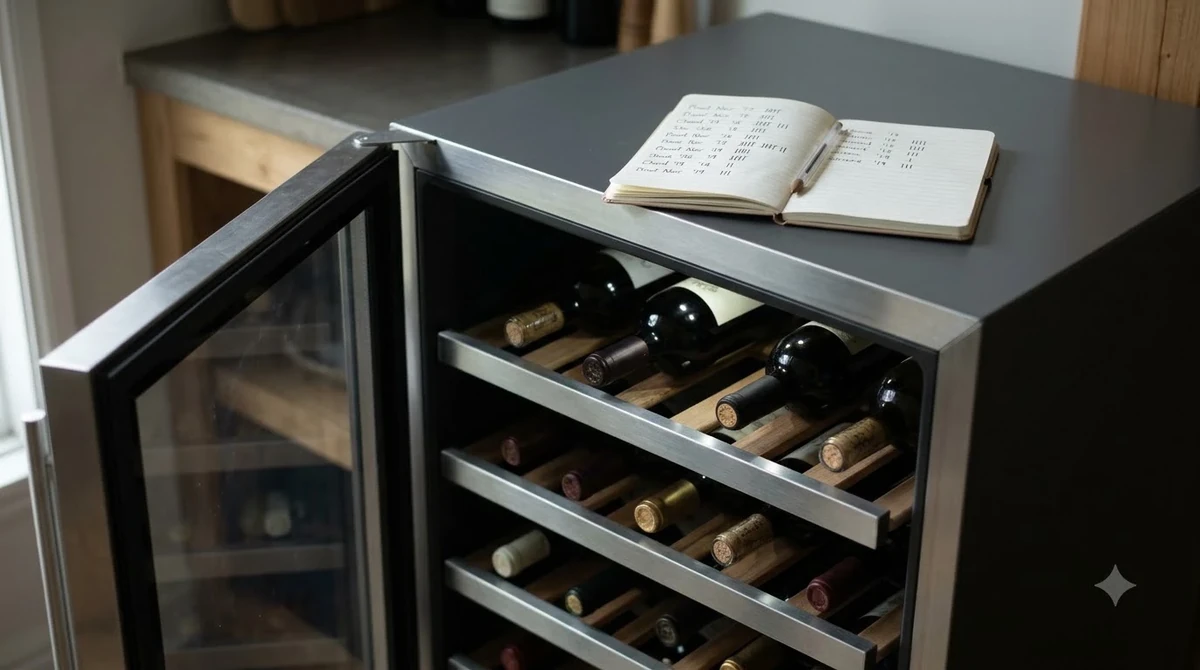
- Make a note of successful purchases. Record the label, grape, region, and vintage where available. Since Aldi’s selection changes, this information can help identify a similar bottle if your previous choice disappears.
The most useful habit is to buy according to a specific preference instead of choosing whichever bottle has the most impressive packaging. A straightforward Pinot Grigio can be a better purchase than a more ambitious red if you need something refreshing for a light meal.
Tip: If you are unsure where to begin, try a dry Sauvignon Blanc or Pinot Grigio for white wine and a Malbec or Merlot for red. These familiar styles provide a practical baseline for judging what you enjoy before exploring less familiar Aldi labels.
Aldi Wine Types and Styles Explained
Aldi’s range covers several recognizable categories, from inexpensive California wines to international regional selections and sparkling bottles. Understanding the main labels makes it easier to decide where to spend attention when browsing the shelves.

Winking Owl: Everyday California wines
Winking Owl is one of Aldi’s most recognizable wine labels. It focuses on uncomplicated, approachable styles rather than the complexity associated with premium estate wines. Tasting Table reports that the California appellation wines are produced in partnership with E. & J. Gallo, a major American wine producer also associated with familiar brands such as Barefoot.
The range includes varieties and styles such as Cabernet Sauvignon, Merlot, Chardonnay, Sauvignon Blanc, Shiraz, Pinot Grigio/Colombard, Moscato, White Zinfandel, Sweet Red, and Sangria.
Not every bottle performs equally well. In its ranking of the Winking Owl range, Tasting Table’s assessment of Aldi Winking Owl wines placed Pinot Grigio/Colombard near the top, highlighting its citrus and tropical-fruit character. Sauvignon Blanc also received a favorable assessment for its refreshing appeal and dry finish.
By comparison, the publication was less impressed with the Merlot’s limited structure and the Moscato’s syrupy sweetness. This difference illustrates why it makes sense to choose individual varieties instead of judging the entire label as either good or bad.
Specially Selected: International regional wines
Specially Selected is a more ambitious part of Aldi’s wine offering. Its purpose is to introduce shoppers to wines associated with established international regions and a broader range of grape varieties.
In its collection announcement, Aldi described working with more than 150 wineries globally and highlighted regions including Marlborough, Côtes de Provence, Uco Valley, Rioja, and Barossa Valley. The named regional selections provide a more specific basis for choosing wine than a generic grape-variety label.
Several styles are particularly useful to understand:
- Uco Valley Malbec: An Argentine red associated with dark fruit, plum, and a substantial but approachable structure.
- Marlborough Sauvignon Blanc: A New Zealand white wine style generally recognized for lively acidity, citrus, and herbal characteristics.
- Alto Adige Pinot Grigio: An Italian white wine option suited to shoppers who prefer freshness and restrained fruit flavors.
- Côtes de Provence Rosé: A French rosé style that generally offers a dry, refreshing profile and works well with lighter meals.
- Barossa Valley Shiraz: An Australian red-wine style commonly associated with ripe dark fruit and fuller body.
- Rioja Reserva: A Spanish red-wine category known for its association with oak maturation and developed flavors.
These examples show why Aldi’s international selection deserves attention beyond its most familiar budget label. A wine with a recognizable regional identity can provide a useful introduction to a grape-growing area without requiring extensive wine knowledge.
California Heritage and other rotating labels
California Heritage and other Aldi-exclusive selections offer additional alternatives to Winking Owl. These labels can appeal to shoppers who prefer recognizable American wine styles but want to explore a different product range.
Rotating seasonal selections are another important category. Special releases can include sparkling wines, European reds, rosés, and specialty dessert wines. Their availability is not guaranteed, so shoppers should approach them as opportunities for discovery rather than permanent products.
Belletti Prosecco and sparkling wine
Sparkling wine deserves separate consideration because its production and serving style differ from those of ordinary still wine. Belletti Prosecco is associated with the Glera grape and offers a fruity, refreshing sparkling style.
Prosecco is generally produced using the tank method, in which the secondary fermentation takes place in a pressurized tank. Champagne and Cava traditionally undergo their secondary fermentation in the bottle, producing a different production approach and often a different texture.
When choosing sparkling wine, sweetness terminology matters. From driest to sweetest, the principal classifications are Brut Nature, Extra Brut, Brut, Extra Dry, Dry, Demi-Sec, and Doux. Extra Dry is actually sweeter than Brut, an important distinction for shoppers unfamiliar with sparkling-wine terminology.
Common Mistakes When Buying Aldi Wine
Most disappointing supermarket wine purchases happen because shoppers make assumptions about sweetness, grape variety, or quality without examining the individual bottle. A few simple corrections can prevent those mistakes.
Assuming every Winking Owl wine tastes alike
Winking Owl is a single recognizable label, but its wines are not interchangeable. A 13.5% ABV Sauvignon Blanc offers a very different drinking experience from a 9% ABV Moscato. The former is described as dry and fruit-forward, while the latter has pronounced sweetness.
Even the red varieties differ. Cabernet Sauvignon generally has higher tannin than Merlot, while Shiraz tends to produce a fuller, more concentrated impression. Treating the entire range as one generic budget wine overlooks those differences.
Confusing fruity flavors with sweetness
Fruit aromas do not necessarily mean that a wine contains significant residual sugar. A dry Sauvignon Blanc can smell of ripe citrus and golden apple while still finishing dry.
Conversely, a sweet red may have intense berry flavors and a noticeably sugary finish. If you prefer dry wines, look beyond descriptions such as juicy, fruity, or smooth and focus on the wine’s actual sweetness classification.
Expecting a premium wine experience from an entry-level bottle
Everyday wines and premium regional wines serve different purposes. A simple Merlot may work perfectly well with a casual pasta dinner, but it is unlikely to offer the concentration, layered aromas, and lengthy finish expected from a premium Bordeaux.
The same principle applies to whites. An uncomplicated Chardonnay may provide pleasant orchard-fruit flavors without the complexity of a carefully aged wine from a recognized Chardonnay-producing region.
Ignoring regional differences
Two Sauvignon Blancs can taste noticeably different depending on their growing conditions. Marlborough in New Zealand is associated with pronounced citrus and herbal notes, whereas warmer California examples may show riper fruit and a softer overall impression.
Likewise, a Rioja Reserva and a California Cabernet Sauvignon should not be judged as though they represent identical styles. Their grape composition, regional traditions, and maturation practices can produce different structures and aromas.
Assuming an old review describes the current bottle
Private-label wines can change as suppliers, vintages, and seasonal assortments rotate. A review of one Winking Owl release or one Specially Selected vintage does not necessarily describe the bottle currently available in a particular store.
Pay attention to the exact wine name and vintage whenever a professional review includes them. This is particularly important for regional wines, where the year of harvest can influence freshness, ripeness, and overall balance.
Buying solely because the bottle looks impressive
Packaging is not a reliable indicator of wine quality. An attractive label, an elaborate bottle, or an unfamiliar French-sounding name cannot replace information about grape variety, origin, and style.
A simple bottle of Sauvignon Blanc may be a much better fit for dinner than a decorative bottle of sweet sparkling wine. Choose the product for its expected characteristics rather than its appearance.
Serving and Storage Tips for Better Aldi Wine
Proper serving temperature and storage can make an inexpensive bottle more enjoyable. Even a simple wine benefits from being served at the right temperature, protected from heat, and consumed within a reasonable period after opening.
Serve whites and rosés sufficiently cold
Light-bodied white wines and rosés generally show their best qualities around 45–50 degrees Fahrenheit. This temperature range works well for Aldi Pinot Grigio, Sauvignon Blanc, and many uncomplicated rosé wines.
Fuller-bodied whites, including richer Chardonnay styles, are usually better around 50–55 degrees Fahrenheit. Serving Chardonnay extremely cold can suppress its aromas and make its texture seem less expressive.
Sweet white wines such as Moscato are generally enjoyable around 43–50 degrees Fahrenheit. A little extra chill can make a strongly sweet wine feel more refreshing.
Give red wines the right temperature
Light-bodied reds generally work well around 55–60 degrees Fahrenheit, while fuller-bodied reds are usually better around 60–65 degrees Fahrenheit. Cabernet Sauvignon and Shiraz can benefit from avoiding excessive warmth, which may emphasize the sensation of alcohol.
Many people serve red wine too warm because they follow the traditional instruction to serve it at room temperature. Modern indoor temperatures can be considerably warmer than a cool cellar, so a short period in the refrigerator can help.
Allow suitable red wines to breathe
Young, full-bodied reds may benefit from approximately 30–60 minutes of decanting. This can help soften the initial impression of alcohol and allow aromas to become more expressive.
Tasting Table specifically noted that Winking Owl Shiraz benefited from approximately one hour of breathing. That observation is useful for this particular wine, although lighter reds do not necessarily require the same treatment.
Store unopened bottles properly
Wine should generally be stored in a cool, dark location near 55 degrees Fahrenheit, away from temperature fluctuations, direct sunlight, and strong vibrations. Bottles sealed with natural cork are best stored on their sides to help keep the cork from drying out.
A kitchen cupboard away from an oven or sunny window is preferable to a warm countertop. If you regularly buy several bottles at once, a dedicated wine storage area can help maintain more consistent conditions.
Preserve opened bottles
Once opened, still wines generally keep for around three to five days in the refrigerator when properly recorked or sealed. Sparkling wines usually retain their best qualities for approximately one to three days with a suitable sparkling-wine stopper.
Bag-in-box wines can last approximately four to six weeks after opening because the packaging limits air exposure as the wine is dispensed. Fortified wines may remain enjoyable for several weeks, depending on their style and storage conditions.
For Aldi’s inexpensive everyday wines, refrigeration after opening is particularly useful. Bring the bottle back toward its recommended serving temperature before pouring rather than leaving it open on the counter for several days.
Frequently Asked Questions
Is Aldi wine made by well-known wine producers?
Some Aldi wines are produced through partnerships with established wine companies. Tasting Table identifies E. & J. Gallo as the producer associated with Winking Owl’s California wines. However, Aldi works with multiple suppliers internationally, so the producer of one label should not automatically be assumed to make every Aldi wine.
Does Aldi sell organic wine?
Aldi’s assortment can include organic wine selections, but availability varies by store and product rotation. Look for an organic certification on the individual bottle rather than assuming that a particular Aldi label is always organic. Certification provides more useful information than general environmental or natural-sounding packaging language.
Can Aldi wine be used for cooking?
Yes. Dry Aldi Sauvignon Blanc, Pinot Grigio, and Chardonnay can work in sauces for chicken, seafood, and risotto. Simple red wines such as Cabernet Sauvignon or Merlot can also be used in tomato-based sauces and braised dishes. Choose a wine that tastes reasonably pleasant on its own, since cooking will concentrate some of its flavors.
Does Aldi sell wine in larger containers than standard bottles?
Some Winking Owl selections have been available in three-liter bag-in-box packaging as well as conventional 750 ml bottles. A three-liter container holds the equivalent of four standard 750 ml bottles. The format is particularly useful for entertaining, cooking, or households that prefer to pour wine gradually over several weeks.
Can you return an Aldi wine that you do not enjoy?
ALDI’s general Twice as Nice Guarantee is described in its corporate product-quality information, but alcohol returns can be subject to separate restrictions and local regulations. Wine shoppers should ask their store about the applicable policy before purchasing with the expectation of a refund. Rules can differ depending on the state and the circumstances of the return.
So, is Aldi wine good? Yes, provided you choose carefully and match the bottle to your preferences rather than expecting every inexpensive label to deliver premium-wine complexity. Start with Winking Owl’s stronger everyday styles or explore the international selections under Specially Selected for a more distinctive experience. With attention to grape variety, region, sweetness, and serving temperature, Aldi can be a worthwhile place to discover enjoyable wines for everyday meals and casual occasions.
More in Wine Brands
 Underwood Wine Price: Compare Bottles, Cans, and Pack SizesUpdated Nov 21, 2026
 Zenato Wine Price: Compare Styles and Choose the Right BottleUpdated Nov 21, 2026
 Zuccardi Wine Price: Compare Bottles and Find the Right RangeUpdated Nov 21, 2026
 Yellow Tail Moscato Review: Taste, Sweetness and Serving TipsUpdated Nov 21, 2026
 Wolf Blass Yellow Label Review: Choose Your Best StyleUpdated Nov 21, 2026
 Wolffer Estate Rose Review: Choose the Right Bottle for Your TableUpdated Nov 21, 2026