

We may earn a commission when you buy through links on this page, at no extra cost to you. Learn more.
Is butter chardonnay good? Yes, Butter Chardonnay is a good choice for drinkers who enjoy rich, creamy California white wine with ripe fruit, vanilla, and noticeable oak character. Its appeal comes from a full-bodied style rather than crisp, mineral-driven freshness. It is particularly suitable for people who enjoy rounded textures and generous flavors, although drinkers who prefer lean, high-acidity Chardonnay may find it too rich.
Butter Chardonnay has developed a recognizable identity around a simple idea: a California Chardonnay should feel generous, creamy, and easy to enjoy. Its combination of stone fruit, baked lemon, and vanilla makes it approachable for people who enjoy richer white wines. However, popularity alone does not determine whether a bottle is worth choosing. The more useful questions concern its actual flavor, balance, alcohol level, food compatibility, and suitability for your preferences.
Who Should Drink Butter Chardonnay?
Butter Chardonnay is best suited to people who enjoy full-bodied white wines with ripe fruit, creamy texture, and noticeable oak influence. If you normally reach for California Chardonnay rather than sharply acidic Sauvignon Blanc, its flavor profile may be particularly appealing.
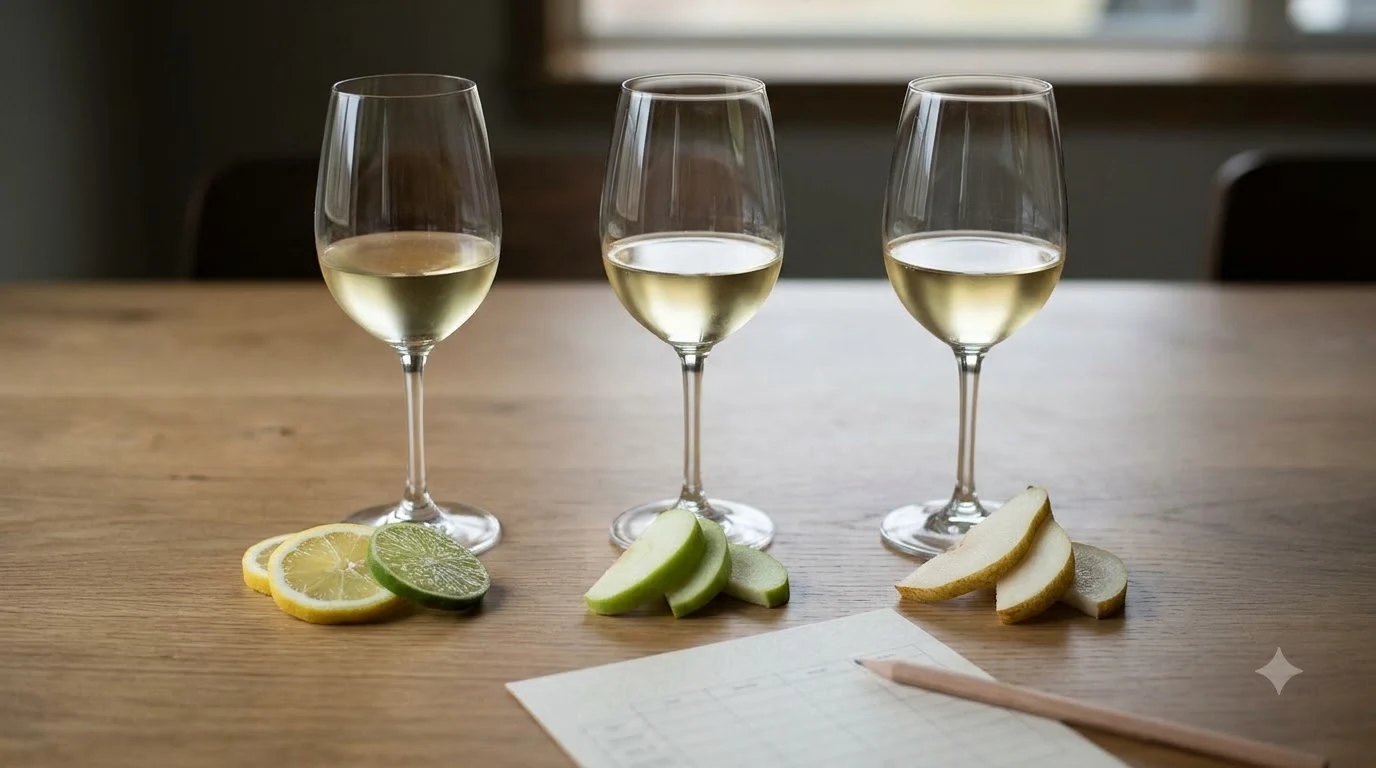
The standard California bottling is described as rich, bold, and luscious. Its published flavor profile includes stone fruit, baked lemon, and a lingering vanilla finish. These characteristics make it a natural choice for drinkers who appreciate rounded flavors instead of a light, citrus-dominated white wine.
It can also appeal to people who are relatively new to Chardonnay. Its familiar fruit and vanilla characteristics create an accessible introduction to the richer California style. Someone accustomed to buttery popcorn, vanilla, baked apples, and creamy sauces may recognize some of those flavor associations in the wine.
People Who Will Probably Enjoy It
- Fans of creamy Chardonnay: The wine’s intended character emphasizes richness and a rounded mouthfeel.
- Drinkers who like vanilla and oak: Its oak treatment contributes to the recognizable vanilla-led profile.
- Fans of ripe fruit: Stone fruit, baked lemon, apple, and pear are useful flavor expectations.
- People serving richer meals: Its body makes it more suitable for creamy pasta, roast chicken, and buttery seafood than very delicate dishes.
- Casual white-wine drinkers: Its recognizable fruit flavors make it relatively straightforward to understand and enjoy.
However, this is not necessarily the right bottle for someone who loves the lean, sharp character of Chablis or unoaked Chardonnay. Those styles generally emphasize freshness, citrus, and mineral character rather than vanilla and creamy texture. If that is your preference, a lighter white wine may deliver a more satisfying experience.
For a closer look at the individual characteristics, see our guide to Butter Chardonnay tasting notes. Understanding its flavor profile makes it easier to decide whether its style matches your usual preferences.
Key Factors to Compare Before Buying Butter Chardonnay
The most important considerations are flavor intensity, acidity, alcohol, texture, and the amount of oak influence. Butter Chardonnay performs best for drinkers who want these elements to create a rich, rounded experience rather than a light and refreshing white wine.
| Factor | Butter Chardonnay | What It Means |
|---|---|---|
| Wine type | California Chardonnay | Full-bodied white-wine style |
| Bottle size | 750 ml | Approximately 5 standard 5 oz pours |
| Alcohol | 14.8% ABV | Relatively high for a white wine |
| Fruit profile | Stone fruit, baked lemon, apple, pear | Ripe and rounded fruit character |
| Oak character | Vanilla and oak influence | Warmer, more pronounced flavor |
| Texture | Creamy and rich | Fuller sensation on the palate |
| Serving temperature | 50–55°F | Suitable range for fuller-bodied whites |
| Opened-bottle storage | Refrigerated for 3–5 days | Quality gradually declines after opening |
Flavor and Fruit Intensity
Butter Chardonnay is not intended to taste like a delicate, neutral white wine. Its ripe fruit profile gives it a relatively generous character. Stone fruit is the main expectation from the producer’s description, while independent tasting notes add apple, pear, grilled orange, and baking spices.
Wine Enthusiast describes aromas of apple, pear, nutmeg, vanilla, and honeysuckle, followed by flavors of grilled orange, baked Pink Lady apple, and allspice. That description is useful because it demonstrates that the wine is not simply about a butter-like sensation. There are several fruit and spice elements contributing to its overall character. The Wine Enthusiast tasting review of Butter Chardonnay also identifies acidity running through the palate, an important detail when assessing its balance.
Acidity and Creaminess
Acidity determines how refreshing a wine feels and how effectively it balances rich food. Butter Chardonnay has some acidity, but its creamy presentation makes it a different experience from a crisp Sauvignon Blanc or a particularly lively Chardonnay from a cool-climate region.
Wine Enthusiast specifically identifies ribbons of acidity throughout the palate in its review. That detail matters because a creamy wine does not necessarily have to feel completely flat. Some acidity can prevent rich fruit and vanilla flavors from becoming monotonous.
Alcohol and Body
The standard Butter Chardonnay is listed at 14.8% ABV. That is a significant consideration because alcohol contributes to the sensation of warmth and weight in wine. Compared with a lighter white wine, it can feel more substantial, particularly when served slightly warmer.
A 750 ml bottle contains approximately five standard 5 oz wine pours. The alcohol percentage is worth considering when choosing a bottle for a meal, especially if the intention is to serve several different wines throughout an evening.
Oak and Vanilla Character
The producer describes using a proprietary oak blend during aging. Oak can contribute flavors associated with vanilla, baking spices, toast, and warm wood. In a ripe California Chardonnay, those characteristics can combine with fruit to create a more rounded impression.
Drinkers who enjoy vanilla-forward white wine may consider this a strength. Those who prefer clean citrus, green apple, and subtle mineral flavors may find the oak presence distracting.
For additional context about its alcohol level, our Butter Chardonnay alcohol content article examines the significance of its published ABV and how it compares with common wine styles.
Step-by-Step: How to Evaluate Butter Chardonnay
You do not need professional tasting equipment to determine whether Butter Chardonnay suits your preferences. A few straightforward steps can help you evaluate its aroma, texture, acidity, and overall balance.
-
Start with the serving temperature.
Chill the bottle and serve the wine around 50–55°F. Extremely cold wine can suppress aromas and make its fruit and vanilla character less apparent. Allow a glass to warm slightly if the flavors seem muted. -
Look at the wine’s appearance.
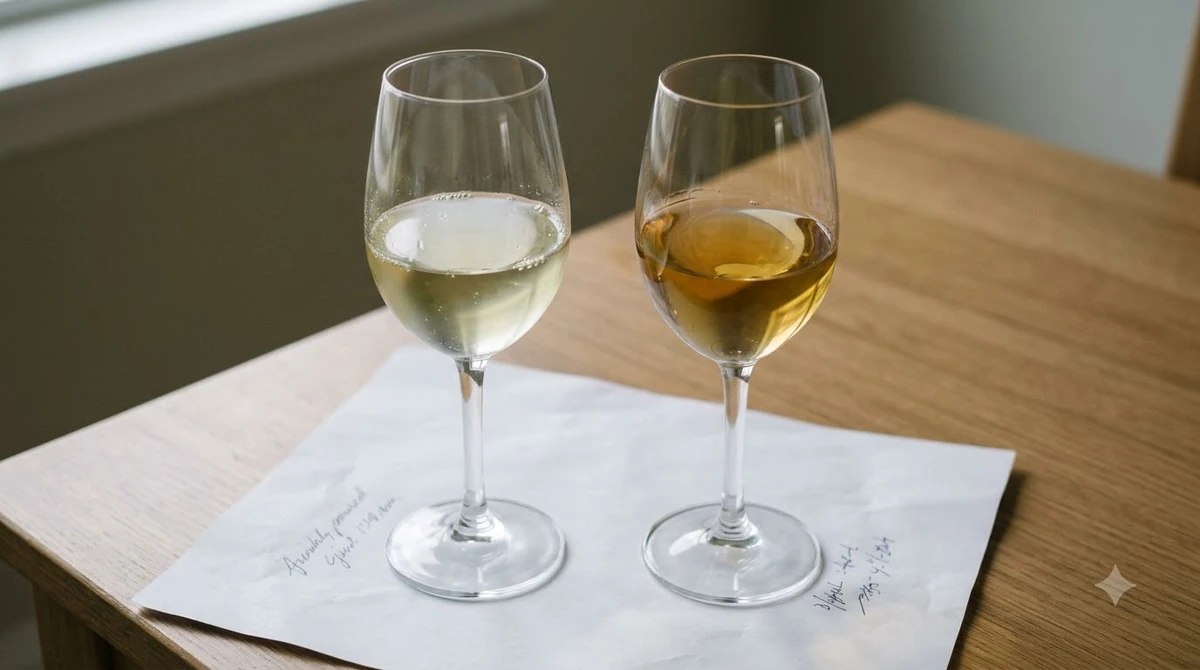
Pour a small amount into a clear glass. Observe its color and clarity against a white background. The appearance provides an initial impression, although color alone cannot establish quality or flavor intensity. -
Smell before taking a sip.
Swirl gently and look for familiar aromas such as apple, pear, stone fruit, vanilla, and nutmeg. These are useful reference points from published descriptions of Butter Chardonnay. -
Evaluate the first sip.
Pay attention to whether the wine feels creamy, smooth, full-bodied, or relatively light. Consider whether the fruit flavors are enjoyable or whether the oak character dominates. -
Assess the acidity.
Notice whether the wine has enough freshness to balance its richer texture. A good creamy Chardonnay should not necessarily taste sharp, but some freshness helps keep the palate interesting. -
Try it with food.
Taste it alongside a small serving of creamy pasta or roasted chicken. Food can change how acidity, fruit, and oak are perceived, making this a useful test of the wine’s overall versatility. -
Decide whether the style matches your preferences.
Think about the overall experience rather than focusing on one flavor. If you enjoy the balance of fruit, creaminess, and oak, Butter Chardonnay may be a good repeat purchase.
Tip: Do not judge Butter Chardonnay straight from an excessively cold refrigerator. Let it warm toward 50–55°F so its apple, stone fruit, and vanilla aromas have a better opportunity to develop.
These steps are particularly useful if your normal Chardonnay choices are inconsistent. One bottle may emphasize citrus and freshness, while another may emphasize ripe fruit and oak. Evaluating those differences helps identify the style you actually enjoy rather than relying on a grape name alone.
Types of Chardonnay and Where Butter Fits
Chardonnay is a versatile grape variety, and its flavor depends heavily on climate and winemaking decisions. Butter Chardonnay belongs to the richer California style, which makes it useful to compare against unoaked, lightly oaked, and more restrained Chardonnay wines.

Rich, Oak-Influenced Chardonnay
This category emphasizes fuller texture, ripe fruit, and flavors associated with oak aging. Vanilla, toasted nuts, baking spices, and creamy impressions are common descriptions. Butter Chardonnay is intended to fit this category.
Oak treatment can make Chardonnay feel richer and more layered. Depending on the winemaking approach, the oak influence may be subtle or quite noticeable. Butter’s combination of oak and ripe fruit is aimed at people who enjoy a more generous style.
Unoaked Chardonnay
Unoaked Chardonnay generally emphasizes the grape’s natural fruit and acidity without the additional flavor contribution of barrel aging. Citrus, green apple, pear, and mineral notes can be prominent.
This style is a better alternative for people who dislike vanilla, toast, and creamy oak flavors. It can also be particularly suitable for lighter meals and situations where a refreshing white wine is more appealing than a substantial one.
Chablis-Style Chardonnay
Chablis comes from Burgundy in France and is known for a more restrained expression of Chardonnay. Citrus, green apple, mineral character, and freshness are central to its reputation.
Compared with Butter Chardonnay, Chablis typically offers a less overtly creamy experience. Someone who prefers acidity and subtlety may find it a more appropriate choice.
Other Buttery California Chardonnay
California produces many Chardonnay wines with ripe fruit, oak, and creamy textures. Rombauer Vineyards Chardonnay from Carneros is another recognizable example of the richer style discussed by Wine.com.
These wines can share broad characteristics without tasting identical. Differences in vineyard conditions, fermentation, oak choices, and blending decisions can influence how rich or fresh a particular bottle feels. Wine.com’s guide to buttery Chardonnay styles and winemaking explains how malolactic fermentation and oak aging contribute different elements to this profile.
For broader comparisons between producers, the Wine Brands section provides a starting point for understanding the different identities and approaches found across the wine market.
Common Mistakes When Choosing Butter Chardonnay
The most common mistake is expecting every Chardonnay to taste the same. Butter Chardonnay is designed around richness and oak, so evaluating it against the expectations of a crisp, unoaked white wine can lead to an unfair assessment.
Confusing Creaminess with Sweetness
Butter Chardonnay can create an impression of sweetness because of its ripe fruit and vanilla character. However, buttery flavor and actual residual sugar are different things.
Wine.com explains that most buttery Chardonnay is technically dry, even when its fruit and creamy texture create a sweeter impression. Malolactic fermentation and oak aging can make a wine feel rounder without automatically making it a sweet wine.
This distinction is important for anyone choosing a white wine based on sweetness preferences. A person looking for Moscato-style sweetness may not find the same experience in Butter Chardonnay, even if its vanilla and baked-fruit flavors seem sweet.
Assuming More Butter Means Better Wine
A strong buttery character is not automatically a sign of higher quality. Some drinkers enjoy a pronounced creamy texture, while others prefer a balance between richness and acidity.
Wine Enthusiast discusses this disagreement among Chardonnay drinkers and emphasizes balance as an important consideration. A wine can be rich and satisfying without allowing oak or buttery impressions to overwhelm everything else.
Ignoring Alcohol Content
At 14.8% ABV, Butter Chardonnay is relatively substantial in alcohol for a white wine. Someone who normally prefers lighter wines may find its warmth more noticeable than expected.
Alcohol also influences how the wine feels alongside food. A higher-alcohol white can seem heavier with delicate dishes, particularly when served too warm. Its richer style is generally better suited to meals with enough flavor and texture to complement it.
Pairing It with Delicate or Highly Acidic Food
A creamy Chardonnay can work well with rich food, but that does not mean it complements every dish. Very delicate seafood or lightly dressed salads may be overwhelmed by its body and oak character.
Highly acidic foods can also make a wine seem softer and less refreshing by comparison. A very sharp lemon dressing, for example, may not create the most balanced combination with a rich white wine.
Expecting Every Bottle to Taste Identical
Wine can vary with production decisions, storage, and serving conditions. Even within the same brand, different bottlings or product lines can have distinct profiles.
It is better to use the published description as a general expectation than to assume every glass will reproduce exactly the same aroma or intensity. Small differences in temperature and food pairing can also influence the experience.
Care, Serving, and Storage Tips for Butter Chardonnay
Proper serving and storage help preserve Butter Chardonnay’s fruit and creamy character. Temperature is especially important because excessive chilling can suppress aromas, while excessive warmth can make its alcohol and heavier flavors more noticeable.
Serve at the Right Temperature
A serving temperature of approximately 50–55°F is appropriate for fuller-bodied white wines. This range allows richer Chardonnay styles to express their aromas while retaining enough freshness to balance their texture.
If the bottle has been stored in a refrigerator at a colder temperature, give it a short period outside the refrigerator before serving. Pour a small sample and assess whether the aromas are expressive. Avoid leaving the bottle in a warm room for an extended period.
Choose Appropriate Glassware
A medium-sized white-wine glass with a reasonably wide bowl is a practical choice. It provides enough room to swirl the wine gently and release aromas without requiring specialized glassware.
A narrow glass can make swirling more difficult, while a very large glass may be unnecessary for casual service. Clean glassware is more important than owning an expensive collection of wine glasses.
Pair It with Food
Butter Chardonnay is particularly compatible with dishes that have enough richness to match its body. Cream-based sauces, roasted poultry, and seafood with butter-based preparations are useful starting points.
- Creamy pasta: Fettuccine Alfredo and mushroom cream pasta complement the wine’s rounded texture.
- Roasted chicken: The savory flavors and richer texture work well with its ripe fruit and vanilla character.
- Grilled salmon: A richer preparation can complement the weight of the wine better than a very delicate seafood dish.
- Crab: Wine Enthusiast’s discussion of buttery Chardonnay identifies succulent crab as a compatible pairing for this style.
- Roasted vegetables: Butternut squash, roasted cauliflower, and mushrooms can complement the wine’s warmer flavors.
- Soft cheeses: Brie and other creamy cheeses offer a natural textural match.
Food preparation matters just as much as the main ingredient. Grilled chicken with a rich cream sauce will generally make a more natural pairing than lightly poached chicken with a delicate citrus dressing.
Store Unopened Bottles Properly
Store unopened bottles in a cool, dark location with a relatively stable temperature. A storage temperature near 55°F is a useful general target for wine. Avoid direct sunlight, excessive heat, and locations with frequent temperature changes.
For bottles with natural cork closures, horizontal storage helps keep the cork in contact with the wine. A dedicated wine refrigerator can provide a more stable environment than an ordinary kitchen cabinet if you regularly keep several bottles at home.
Preserve an Opened Bottle
Once opened, reseal Butter Chardonnay and place it in the refrigerator. A practical general expectation for opened still wine is approximately 3–5 days, although its aroma and freshness may gradually decline.
Minimizing exposure to oxygen can help preserve the remaining wine. A tightly fitted closure is usually sufficient for short-term storage. If the wine develops noticeably stale, bruised-apple, or unpleasant aromas, its original character has probably deteriorated.
For the best experience, serve only the amount needed and return the remaining bottle to the refrigerator promptly. Allow the next serving to warm slightly before drinking.
Frequently Asked Questions
Is Butter Chardonnay a good wine for beginners?
Yes, its recognizable vanilla and ripe-fruit characteristics make it approachable for many people who are learning about Chardonnay. It is also useful for understanding the richer California style. However, beginners who prefer refreshing, citrus-forward wines may find a lighter Chardonnay easier to enjoy.
Does Butter Chardonnay contain actual butter?
The buttery character is a flavor and texture description rather than an indication that dairy butter has been added. In Chardonnay, diacetyl produced during malolactic fermentation is associated with the characteristic buttery aroma. The wine’s creamy impression can also be influenced by oak treatment and overall composition.
Is Butter Chardonnay suitable for cooking?
It can be used in recipes that benefit from a richer white wine, including cream-based sauces and chicken dishes. However, its pronounced fruit, oak character, and 14.8% ABV may be more noticeable in a sauce that reduces substantially. A more neutral dry white wine is often a better choice when the recipe requires subtle wine flavor.
Does Butter Chardonnay need to breathe before drinking?
It generally does not require extended decanting before serving. Pouring it into a wine glass and allowing a few minutes for the aromas to develop is usually sufficient. Unlike young, tannic Cabernet Sauvignon, Chardonnay does not typically need a long aeration period to soften its structure.
Can Butter Chardonnay be served at a dinner party?
Yes, it can work well as a dinner-party white, particularly with creamy pasta, roast poultry, and richer seafood preparations. A standard 750 ml bottle provides approximately five standard 5 oz servings. Its relatively high alcohol level and pronounced flavor make it a more substantial option than many light aperitif wines.
Butter Chardonnay is a worthwhile choice if you enjoy ripe fruit, vanilla, oak influence, and a creamy California Chardonnay style. Its 14.8% ABV and full-bodied presentation will not appeal to every white-wine drinker, but those who appreciate richness rather than sharp acidity may find it satisfying. The best reason to choose it is a genuine preference for its flavor profile, not simply its recognizable name.
More in Wine Brands
 Underwood Wine Price: Compare Bottles, Cans, and Pack SizesUpdated Nov 21, 2026
 Zenato Wine Price: Compare Styles and Choose the Right BottleUpdated Nov 21, 2026
 Zuccardi Wine Price: Compare Bottles and Find the Right RangeUpdated Nov 21, 2026
 Yellow Tail Moscato Review: Taste, Sweetness and Serving TipsUpdated Nov 21, 2026
 Wolf Blass Yellow Label Review: Choose Your Best StyleUpdated Nov 21, 2026
 Wolffer Estate Rose Review: Choose the Right Bottle for Your TableUpdated Nov 21, 2026