

We may earn a commission when you buy through links on this page, at no extra cost to you. Learn more.
This dark horse chardonnay review finds that Dark Horse Chardonnay is a dry, medium-bodied California white wine suited to drinkers who enjoy ripe apple and peach flavors, toasted oak, and a smooth finish. Its character combines generous fruit with vanilla, caramel, and refreshing acidity rather than following a particularly lean or sharply mineral style. It is a practical choice for casual dinners, everyday white-wine drinking, and meals with creamy sauces, poultry, or seafood, although drinkers who prefer crisp, unoaked Chardonnay may want a lighter alternative.
Dark Horse has developed a recognizable Chardonnay style built around approachable fruit, oak influence, and a balanced finish. The wine’s published tasting descriptions provide useful clues about its character, while independent reviews help explain how different vintages can express those characteristics. This guide examines what to expect, how to serve it, which foods complement it, and what to consider before choosing a bottle.
Who This Chardonnay Is For
Dark Horse Chardonnay is a good match for drinkers who like California white wines with ripe fruit and noticeable oak without requiring a particularly complex or formal wine experience. Its combination of baked apple, peach, vanilla, and toasted oak makes it approachable for people who already enjoy richer Chardonnay styles.
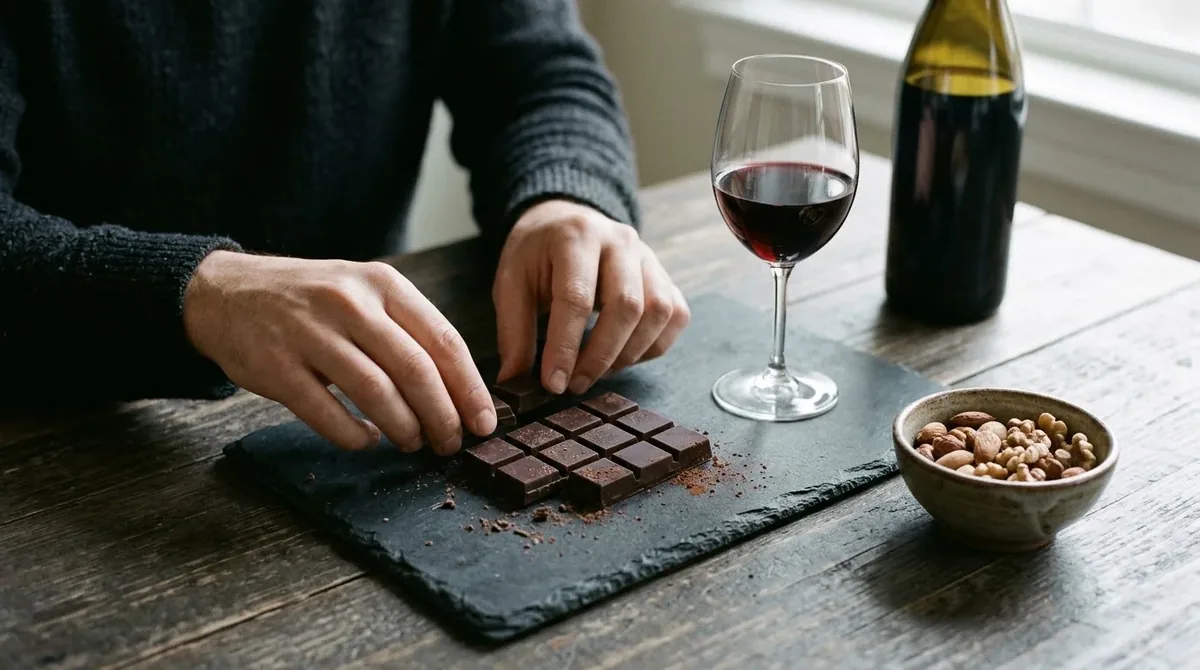
The wine is especially suitable for someone moving from simple, light-bodied white wines toward fuller Chardonnay. It offers several recognizable flavor characteristics rather than relying on subtle mineral details or delicate citrus aromas. Dark Horse’s published 2022 tasting notes also mention white flowers, honeycomb, lemon zest, pineapple, guava, peach, and toasted vanilla. These additional notes suggest that its fruit profile can extend beyond the familiar apple-and-peach combination.
It also makes sense for households that want a versatile white wine for ordinary meals. A bottle can accompany roasted chicken, creamy pasta, mild cheeses, or seafood prepared with butter. Its dry character helps keep the wine suitable for savory dishes, while the fruit and oak provide enough flavor to remain noticeable alongside richer ingredients.
However, the style is not ideal for everyone. Someone who prefers the restrained citrus and mineral character associated with Chablis may find the toasted oak and ripe fruit more prominent than desired. Drinkers who dislike vanilla, caramel, or creamy impressions in white wine should also consider whether a stainless-steel Sauvignon Blanc or unoaked Chardonnay would better suit their preferences.
The wine is also worth considering for people who want an uncomplicated bottle to serve at a small gathering. A 750 ml bottle provides approximately five standard 5 oz glasses, making it a convenient size for a dinner with several guests. Its familiar fruit profile can work for mixed groups in which some people enjoy richer whites and others prefer more straightforward fruit-driven wines.
Key Factors to Compare Before Choosing
The most useful comparison points are flavor, dryness, acidity, body, oak influence, and alcohol content. These characteristics explain why Dark Horse Chardonnay tastes richer than some whites but remains suitable for food rather than functioning only as an after-dinner wine.
| Factor | What to Expect | Why It Matters |
|---|---|---|
| Grape | Chardonnay | Provides the familiar apple, pear, citrus, and stone-fruit foundation. |
| Origin | California, USA | Identifies the wine’s broad regional origin. |
| Style | Dry, fruit-forward | Works with savory meals rather than dessert-focused pairings. |
| Body | Medium-bodied | Offers more weight than a particularly light white wine. |
| Acidity | Moderate, refreshing impression | Helps balance ripe fruit and oak flavors. |
| Fruit notes | Apple, pear, peach | Creates the wine’s recognizable fruit character. |
| Oak notes | Toast, vanilla, caramel, spice | Adds warmth and a richer flavor impression. |
| Alcohol | 13.5% ABV in the reviewed 2023 vintage | Useful for comparing the bottle with other wines. |
| Bottle size | 750 ml | Provides approximately five 5 oz servings. |
| Serving temperature | 50–55°F | Helps preserve freshness without suppressing the aromas. |
These figures and descriptions should be understood in the context of the particular vintage and published product information. Wine Enthusiast lists the 2023 Dark Horse Chardonnay at 13.5% ABV in a 750 ml bottle. Its tasting assessment describes fresh stone fruit, rich oak, vanilla, spice, canned peaches, ripe pear, cinnamon, mineral notes, and soft acidity. The Wine Enthusiast review of Dark Horse Chardonnay provides an independent perspective on the wine’s overall balance and everyday appeal.
Alcohol content is another useful comparison point. A 13.5% ABV Chardonnay sits within a familiar range for many California whites, but it can feel fuller than a lighter wine with lower alcohol. The alcohol level does not determine sweetness. A dry wine can still have ripe fruit flavors and a rounded texture that some drinkers interpret as sweet.
Oak deserves particular attention because it can influence the wine’s overall impression. Toasted vanilla and caramel are not the same as residual sugar. They are flavor associations that can make a dry Chardonnay seem richer or sweeter than its actual sweetness level.
For additional background on the producer’s broader range, the Dark Horse wine overview provides a useful starting point. Comparing the Chardonnay with other grape varieties from the same brand can help clarify whether its richer white-wine style is the right fit.
Step-by-Step: How to Evaluate Dark Horse Chardonnay
A simple tasting sequence makes it easier to identify the wine’s main characteristics and decide whether its style matches personal preferences. Five steps covering appearance, aroma, flavor, structure, and finish provide a practical evaluation without requiring professional tasting equipment.
-
Start with the appearance.
Pour approximately 3 oz into a clean white-wine glass. Look for a clear appearance and a straw-to-golden color. The exact shade can vary with the vintage, bottle age, and winemaking decisions, so color alone should not be treated as a quality measurement.
-
Check the aromas.
Allow the wine to sit in the glass briefly before smelling it. Look for baked apple, pear, peach, or pineapple first, then consider whether vanilla, toasted oak, caramel, or baking spice appears behind the fruit. Dark Horse’s published descriptions provide a useful reference, although individual perception will vary.
-
Assess the first sip.
Notice whether the wine feels light, medium, or full in the mouth. Dark Horse Chardonnay is generally described as medium-bodied, with a rounded impression from its fruit and oak characteristics. Pay attention to the balance between ripe fruit and refreshing acidity rather than judging the wine on sweetness alone.
-
Consider the oak and finish.
After swallowing or spitting, notice how long the flavors remain. Vanilla, caramel, and toast can create a lingering finish, while acidity helps prevent the fruit from seeming excessively heavy. A good balance means that oak contributes to the wine instead of completely covering its fruit.
-
Try it with food.
Repeat the tasting with roasted chicken, a mild cheese, or pasta with a creamy sauce. Food changes the perception of acidity, fruit, and texture. This final step helps determine whether the wine is better suited to meals, casual sipping, or a particular occasion.
For a more structured comparison, try tasting Dark Horse alongside a distinctly unoaked Chardonnay. Use similar glassware, pour equal amounts, and serve both wines at approximately 50–55°F. The differences in vanilla, toast, fruit expression, and mouthfeel should become easier to identify.
Tip: Give the wine a few minutes in the glass before evaluating it. Serving it very cold can suppress the apple, peach, vanilla, and oak aromas that help define its style. A temperature of 50–55°F is a useful starting point for this medium-bodied Chardonnay.
It is also useful to compare the wine across more than one occasion. A glass served without food may emphasize ripe fruit and oak, while a serving alongside chicken or creamy pasta may make its acidity more apparent. These differences are normal and help explain why food pairing matters when assessing a wine’s overall character.
Readers interested in the wine’s strength can also consult the Dark Horse Chardonnay alcohol content explanation for more detail about ABV, bottle volume, and standard serving sizes.
Types and Styles Explained
Understanding Chardonnay styles is important because the grape can produce wines ranging from lean and citrus-driven to rich, creamy, and oak-influenced. Dark Horse’s published descriptions show a fruit-forward approach with toasted vanilla and oak in several product descriptions, while its 2022 technical notes describe stainless-steel storage intended to preserve freshness and balance.
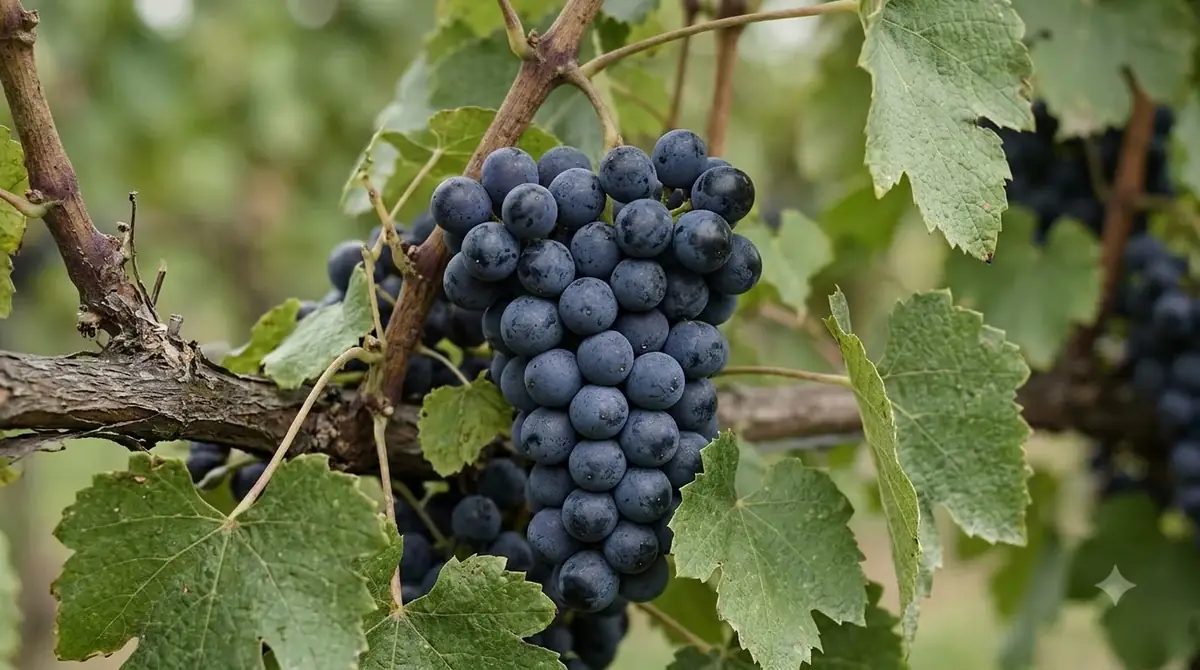
Chardonnay itself is a versatile grape. The final character depends on grape-growing conditions, harvest timing, fermentation choices, oak exposure, and other winemaking decisions. Two wines made from the same grape can therefore taste quite different.
Fruit-forward California Chardonnay
Fruit-forward California Chardonnay often emphasizes ripe apple, pear, peach, and tropical fruit. These flavors can be accompanied by moderate acidity and a rounded body. Dark Horse’s product descriptions regularly highlight baked apple, peach, pear, and other ripe fruit characteristics.
This style is approachable because the flavors are familiar and relatively easy to recognize. It can also work across different types of meals, especially when the dish includes poultry, seafood, vegetables, or mild cheeses. Its appeal lies in combining fruit character with enough structure to accompany savory food.
Oak-influenced Chardonnay
Oak-aged or oak-influenced Chardonnay can show vanilla, toast, baking spice, hazelnut, and caramel-like aromas. These impressions come from winemaking choices rather than necessarily indicating that sugar has been added. Oak can also contribute to a richer mouthfeel.
Wine Spectator’s educational material explains that oak barrels can contribute vanilla, spice, nut, toast, coffee, smoke, and wood characteristics. Its wine education guide to oak and wine flavors provides useful background for understanding why two Chardonnay wines can have different aromatic profiles.
Dark Horse product descriptions emphasize toasted oak and vanilla, making oak character an important factor to consider when deciding whether this wine matches a particular preference. However, oak intensity should not be assumed to remain identical across every vintage.
Unoaked Chardonnay
Unoaked Chardonnay is generally a better option for drinkers who prioritize freshness and a cleaner fruit profile. Stainless-steel fermentation and storage help preserve primary grape aromas without adding the flavor characteristics associated with barrel aging.
Chablis is a familiar reference point for this style. Its leaner structure and citrus or mineral impressions provide a useful contrast to richer, oak-influenced California Chardonnay. Neither style is automatically better; the choice depends on the flavors and textures a drinker prefers.
How Dark Horse fits these styles
Dark Horse Chardonnay is best approached as a California white with ripe fruit, a smooth impression, and noticeable oak-related flavor descriptions. Its character is not identical to every heavily buttery Chardonnay, however. The producer’s 2022 notes describe fermentation at 55–62°F followed by stainless-steel storage, with an emphasis on natural acidity and balance.
That production description is important because it shows why a single label or tasting term cannot tell the entire story. A Chardonnay can have oak-associated aromas or flavor impressions without every stage of production involving extended barrel aging. The 2022 notes should also not be treated as a universal technical description of every Dark Horse vintage.
For readers comparing other labels, the wine brands resource can provide broader context for understanding producer styles, grape varieties, and wine categories.
Common Mistakes When Choosing or Serving It
The most common mistakes involve confusing dry wine with neutral flavor, assuming every Chardonnay tastes buttery, and serving the bottle too cold. Understanding these distinctions makes it easier to evaluate Dark Horse Chardonnay fairly and avoid choosing a style that does not suit the occasion.
Assuming ripe fruit means sweetness
Apple, peach, pear, and pineapple can taste very ripe without making a wine technically sweet. Fruit aroma and perceived sweetness are different characteristics. Dark Horse is described as dry, even though its fruit and oak profile can create a rounded, almost sweet-seeming impression.
Someone who prefers dry wine should therefore consider the complete flavor profile rather than relying on one aroma description. A wine can be dry while showing caramel, vanilla, and ripe peach characteristics.
Expecting every vintage to taste identical
Vintage variation is a normal part of wine. Weather, harvest conditions, fruit ripeness, and winemaking choices can change the final result. The producer’s published 2022 notes emphasize tropical fruit, white flowers, honeycomb, and toasted vanilla, while Wine Enthusiast’s 2023 assessment highlights canned peach, pear, cinnamon, oak, and soft acidity.
These descriptions share a fruit-forward foundation but are not identical. A shopper should avoid assuming that one vintage’s tasting notes precisely predict another vintage’s aromas, body, or finish.
Serving it straight from an extremely cold refrigerator
Very cold white wine can seem muted because low temperatures suppress aromatic expression. If the bottle has been stored in a refrigerator at approximately 35–40°F, allowing it to warm briefly before serving can help reveal its fruit and oak character.
A serving temperature of 50–55°F is a useful target for a medium-bodied Chardonnay. It is cool enough to retain freshness while allowing more of the aroma and texture to emerge.
Pairing it with overly delicate food
Lightly seasoned dishes can work, but some delicate foods may be overwhelmed by richer Chardonnay flavors. A subtle white fish preparation, for example, can be better matched with a lighter, more acidic white wine if the Chardonnay’s oak and fruit seem too prominent.
Oily fish can also present challenges when paired with wines that have substantial tannin, although Chardonnay itself is generally low in tannin. For Dark Horse, the more relevant consideration is whether the preparation’s richness and seasoning complement the wine’s acidity and oak character.
Confusing oak with butteriness
Oak and buttery texture are related in some Chardonnay styles, but they are not interchangeable. Oak can provide toast, vanilla, and spice, while malolactic fermentation can create a softer, rounder impression by converting sharper malic acid into softer lactic acid.
Not every Chardonnay showing vanilla or toast necessarily has the same degree of buttery character. Evaluating the wine’s actual flavor and mouthfeel is more useful than relying on a single label such as oaky or buttery.
Care, Serving, and Storage Tips
Correct serving and storage help preserve the fresh fruit and balanced structure of Dark Horse Chardonnay. The most useful practices are maintaining a cool serving temperature, protecting the opened bottle from air, and keeping unopened bottles away from heat and direct sunlight.
Serve at the right temperature
For this medium-bodied white, aim for 50–55°F. This temperature range helps preserve the refreshing character while giving apple, peach, and toasted vanilla aromas room to develop. If the bottle is colder than this, let it warm gradually in the glass or at room temperature rather than leaving it in a warm area.
Extremely warm serving conditions can make alcohol more noticeable and cause the wine to seem heavier. Conversely, excessive chilling can hide much of its fruit and aromatic detail. Temperature is a simple adjustment that can make a meaningful difference to the drinking experience.
Choose appropriate glassware
A standard white-wine glass with a moderate bowl is suitable. The bowl provides enough space to swirl the wine gently, while the narrower opening helps concentrate aromas. Specialized glassware is not essential for enjoying an everyday Chardonnay.
Use clean glasses without strong detergent smells or residue. Even small amounts of fragrance or leftover soap can interfere with the aromas of apple, peach, and vanilla.
Store unopened bottles properly
For longer storage, keep bottles in a cool, dark place near 55°F with relatively stable temperatures. Avoid placing wine beside an oven, radiator, sunny window, or other heat source. Temperature fluctuations can affect the wine over time.
If the bottle has a cork closure, storing it on its side is a traditional way to keep the cork in contact with the wine. Dark Horse Chardonnay is also sold with screw-cap packaging in some markets, so the storage position is less important for those bottles. A consistently cool environment remains the priority.
Preserve an opened bottle
Once opened, reseal the bottle and place it in the refrigerator. Still white wines commonly retain acceptable drinking quality for approximately 3–5 days under suitable refrigeration, although their aromas and freshness gradually change with exposure to oxygen.
For better preservation, use a properly fitting closure and minimize the amount of air in the bottle. If only a small amount remains, transferring the wine into a clean, smaller airtight bottle can reduce air exposure. Always evaluate the wine’s aroma and flavor before serving it again.
Plan portions realistically
A standard 750 ml bottle contains approximately five 5 oz servings. This makes portion planning straightforward for a meal with two or more people. For a dinner involving several courses, a 5 oz pour allows guests to enjoy the wine without filling the glass excessively.
For a gathering, keep the bottle chilled between pours rather than leaving it on a warm table for extended periods. A simple ice bucket with water and ice can help maintain a consistent serving temperature without requiring specialized wine equipment.
Good storage does not turn an everyday wine into a long-term cellar candidate. Dark Horse Chardonnay is most sensibly approached as a bottle to enjoy while its fruit and freshness are expressive, rather than as a wine that needs extended aging to become enjoyable.
Frequently Asked Questions
Is Dark Horse Chardonnay vegan?
Vegan status cannot be confirmed from the general tasting descriptions or grape variety alone. Some winemaking processes use animal-derived fining agents, while others use alternative materials. Anyone following a vegan diet should seek confirmation for the specific bottle or vintage from the producer.
Does Dark Horse Chardonnay contain sulfites?
Wine generally contains sulfites, which can occur naturally during fermentation and may also be used during winemaking. Sulfite labeling requirements in the United States apply when wine contains at least 10 parts per million of sulfites. Product-specific ingredient and allergen information is the appropriate source for additional details.
Can Dark Horse Chardonnay be used in cooking?
Yes. A dry Chardonnay can be used in dishes such as chicken pan sauces, mushroom risotto, and creamy seafood preparations. Add it early enough for the alcohol to cook off as appropriate for the recipe, and avoid using wine with aromas or flavors that seem unpleasant on their own.
What is the difference between Chardonnay and Chablis?
Chardonnay is the grape variety, while Chablis is a French wine region in Burgundy where Chardonnay is used to produce the region’s white wines. Chablis is commonly associated with a fresher, leaner style, although individual producers and vineyard sites create differences within the region.
Can Dark Horse Chardonnay be served in a wine cocktail?
Yes. Dry Chardonnay can be used in simple wine cocktails that include citrus, fruit, or sparkling water. Its ripe fruit and oak character will remain part of the resulting drink, so recipes calling for a neutral or very crisp white wine may produce a different result with this bottle.
Dark Horse Chardonnay is a sensible option for drinkers who enjoy dry California whites with ripe fruit, toasted oak, and a smooth finish. Its combination of apple, pear, peach, vanilla, and refreshing acidity makes it versatile enough for casual meals and relaxed gatherings. Choose it if you prefer a richer, fruit-forward Chardonnay, or consider a leaner unoaked alternative if freshness and mineral character are your priorities.
More in Wine Brands
 Underwood Wine Price: Compare Bottles, Cans, and Pack SizesUpdated Nov 21, 2026
 Zenato Wine Price: Compare Styles and Choose the Right BottleUpdated Nov 21, 2026
 Zuccardi Wine Price: Compare Bottles and Find the Right RangeUpdated Nov 21, 2026
 Yellow Tail Moscato Review: Taste, Sweetness and Serving TipsUpdated Nov 21, 2026
 Wolf Blass Yellow Label Review: Choose Your Best StyleUpdated Nov 21, 2026
 Wolffer Estate Rose Review: Choose the Right Bottle for Your TableUpdated Nov 21, 2026