

We may earn a commission when you buy through links on this page, at no extra cost to you. Learn more.
The best pinot noir at whole foods for most shoppers is a balanced bottle from Oregon’s Willamette Valley, where bright cherry and cranberry fruit, lively acidity, and moderate weight make the wine versatile at the table. Choose a cooler-climate style if you prefer freshness and subtle earthiness, or look to California’s Sonoma Coast and Russian River Valley for riper fruit and a plusher texture. Whole Foods’ selection varies by store, so use the region, vintage, and flavor cues below to compare the bottles actually on your shelf.
Pinot Noir is not one fixed flavor profile: the grape can taste like tart cranberry and forest floor in a cool site or ripe cherry and baking spice in a warmer one. Whole Foods describes its wine department as a curated mix of local and international bottles and directs shoppers to browse their individual stores. This style-first approach is more reliable than assuming one label is stocked nationwide. The following guide explains what to look for, what the label can tell you, and how to serve the bottle you bring home.
Who This Is For
Pinot Noir is a strong choice if you want a red wine with more freshness than weight. The grape is generally light- to medium-bodied, has relatively low tannin, and carries bright acidity; that combination makes it an approachable partner for dinner without the grip of Cabernet Sauvignon or the heavier structure of many Syrah wines.
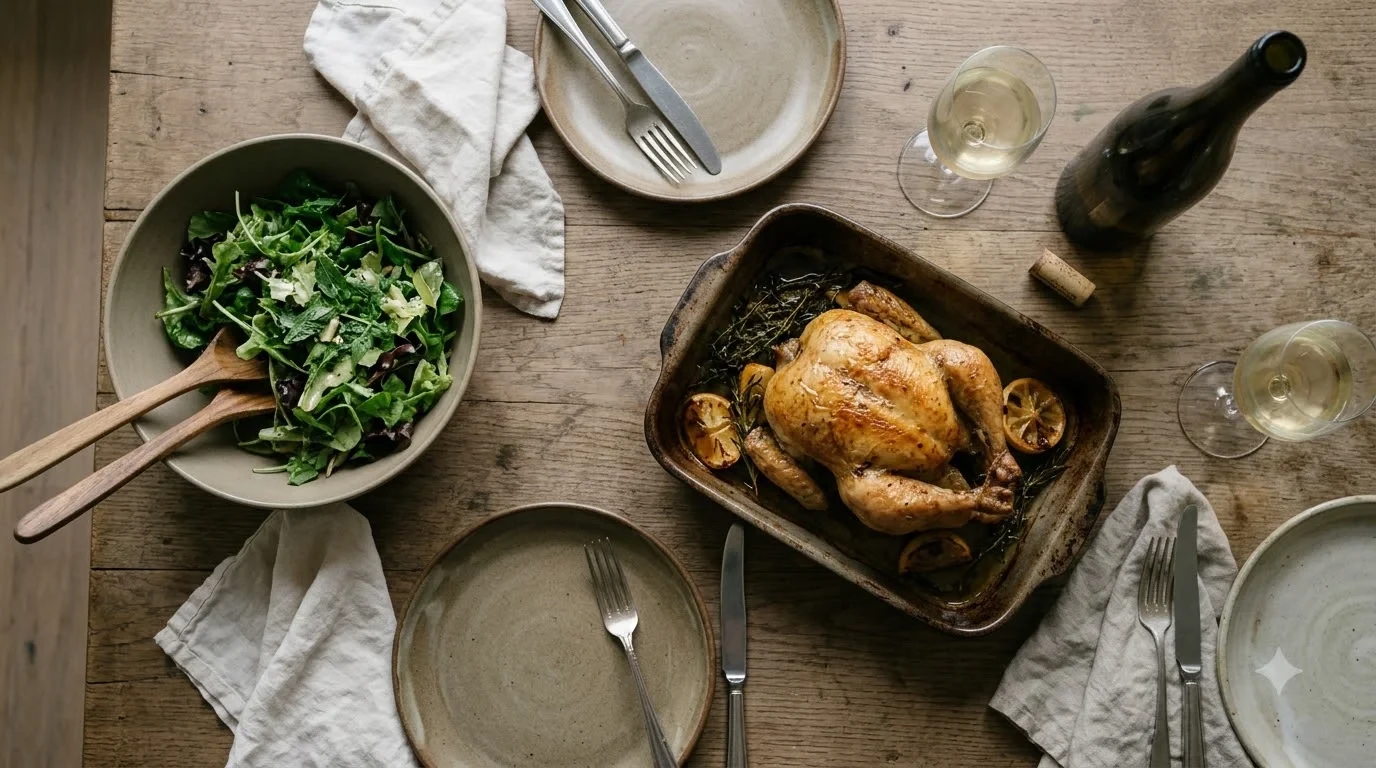
Start with this style if you cook salmon, roast chicken, pork tenderloin, duck, or mushroom dishes. Pinot Noir’s acidity refreshes the palate alongside richer foods, while its red-fruit and earthy notes complement browned meat, herbs, and mushrooms. It also suits a mixed table where one guest orders poultry and another orders a richer vegetarian dish.
This guide is particularly useful for shoppers comparing several bottles without already knowing a favorite producer. For another grocery-store comparison, our guides to the best pinot noir at trader joes and the best pinot noir at costco explain how to make the same region-and-style comparison elsewhere. For a broader shelf scan across grapes, see best red wine at whole foods.
Key Factors to Compare
The most useful clues are the growing region, body, acidity, tannin, alcohol level, and oak influence. A place name often gives you a better first indication of style than a front-label phrase such as “smooth” or “reserve.”
| What to compare | Typical Pinot Noir cue | What it suggests | Choose it when |
|---|---|---|---|
| Body | Light to medium | Less weight than Cabernet Sauvignon; often a supple texture | You want a red that will not overpower poultry or salmon |
| Acidity | Medium-high to high | Freshness, lift, and a clean finish | The meal has savory richness, herbs, or a little fat |
| Tannin | Low to medium | Less mouth-drying grip than Cabernet Sauvignon | You prefer a softer red or are serving a varied menu |
| Alcohol | About 12–14% ABV | A moderate strength range, although climate and producer matter | You want to compare two bottles with different levels of warmth |
| Serving temperature | 55–60°F | Cool enough to keep the wine fresh without muting its aromas | You are ready to pour rather than serve it warm |
| Bottle size and pour | 750 ml; about five 5 oz glasses | A standard bottle suits a small dinner or a few tasting pours | You are planning portions for a meal |
These ranges are a starting point, not a promise that every bottle tastes alike. Wine Folly’s Pinot Noir profile describes the grape as dry, light- to medium-bodied, low in tannin, medium-high in acidity, and commonly around 12–14% ABV. Wine Enthusiast notes that alcohol can vary by climate: cooler sites often sit lower, while warmer places can produce fuller wines with higher alcohol and more developed fruit.
Read the region before you choose the flavor. A Willamette Valley label points toward Oregon’s cool-climate, fresh-fruited style; a Sonoma Coast or Russian River Valley label often points toward a riper California profile. For a first bottle, prioritize a clearly named region and a style that fits the meal, then compare the back-label description for words such as cranberry, cherry, mushroom, spice, vanilla, or earth.
Step-by-Step
A quick shelf routine helps narrow the choice without relying on a critic score or a label’s marketing language. Use these six steps in order, starting with the meal and ending with the bottle’s condition.
- Decide what the wine needs to do. For roast chicken, salmon, pork, or mushroom risotto, begin with a fresh, medium-bodied Pinot Noir. If the main dish is duck or a richer roast, a more concentrated California or Central Otago style may have enough fruit and structure to keep pace.
- Find the region on the front or back label. Put Willamette Valley, Oregon, near the top of the shortlist for bright acidity and red-fruit character. Burgundy is a useful option for a more savory, earthy profile; Sonoma Coast and Russian River Valley are good directions when you want more ripe cherry, plum, or spice.
- Match the flavor description to your preference. Cranberry, red cherry, raspberry, and tea leaf suggest a fresher direction. Plum, blackberry, cola spice, vanilla, and toast suggest riper fruit or more oak influence. Neither profile is automatically better; the right one is the one that suits the meal and your taste.
- Check the alcohol percentage. Many Pinot Noirs fall around 12–14% ABV, although Wine Enthusiast notes that warmer regions can reach higher levels. When choosing between two otherwise similar bottles, a lower ABV can be a useful clue if you prefer a lighter-feeling wine, while a higher number may accompany a riper, fuller style.
- Look for useful production information. Notes about stainless-steel fermentation, barrel aging, or new French oak can help explain the expected profile. Stainless steel is commonly used to preserve fresh fruit; oak can add vanilla, smoke, toast, or baking-spice notes. A small oak influence may suit drinkers who want the grape’s fruit to remain in front.
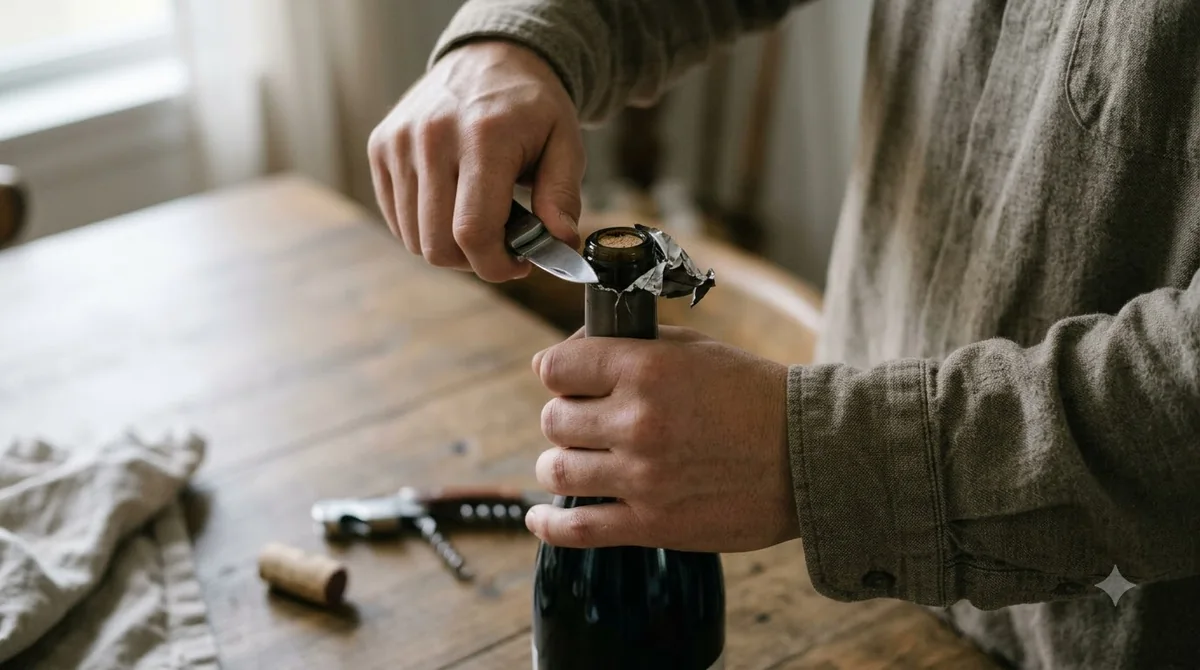
- Confirm the bottle suits the occasion. Check that the cork or cap is intact, the bottle has no visible seepage, and the fill level looks normal. If you are buying for a particular dinner, compare the bottle’s style with the menu instead of choosing solely by the most prominent label wording.
Whole Foods’ wine-shopping information emphasizes local and international sourcing and invites customers to browse wines in their own store. You can find its current shopping information on the Whole Foods Market wine department page. Treat an online listing or a bottle seen at one location as a lead, not a guarantee of stock at another. For a more general shopping checklist, use our wine-buying guide before comparing labels.
Types or Styles Explained
Pinot Noir changes noticeably with climate and place, so the region is one of the quickest ways to predict the glass. Look for the balance you enjoy rather than assuming every bottle labeled Pinot Noir will taste identical.
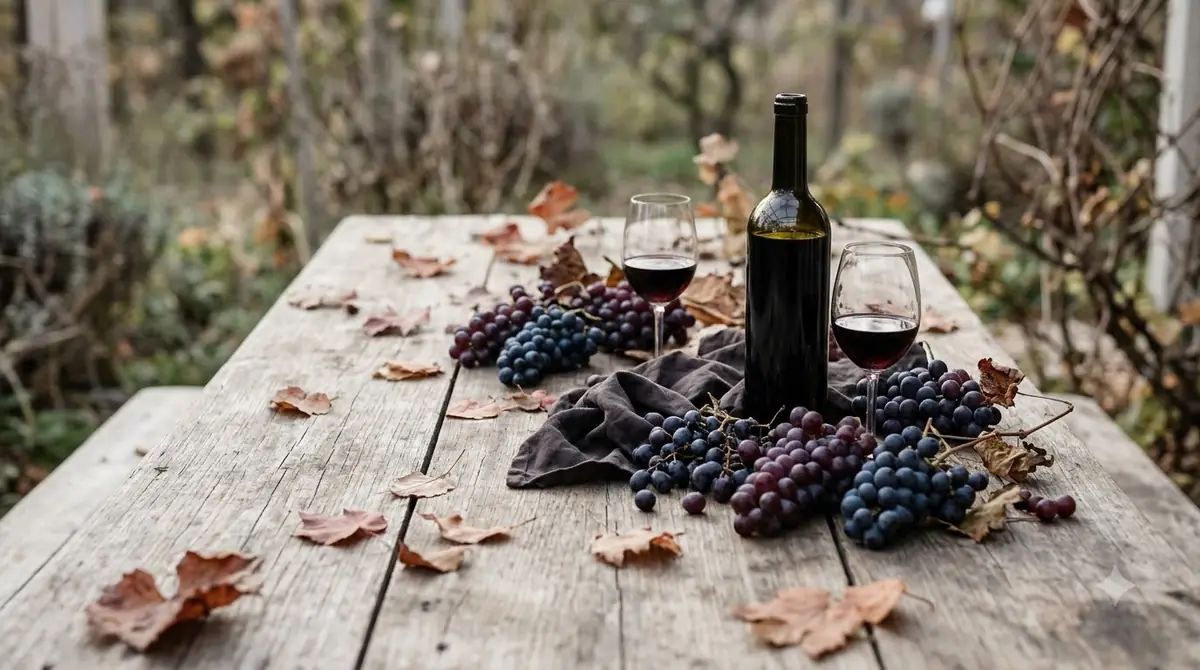
Willamette Valley and California: Willamette Valley, Oregon, is a dependable starting point for shoppers seeking freshness and balance. Cool conditions help preserve acidity, and the style often emphasizes cranberry, red cherry, raspberry, and subtle spice rather than heavy extraction. It works especially well with roast chicken, pork, grilled salmon, and mushroom dishes. California’s Sonoma Coast and Russian River Valley are useful alternatives when you want a little more ripeness and body. Wine Enthusiast describes warmer-region Pinot Noir as tending toward concentrated raspberry, cherry, and pomegranate, sometimes with cola spice or cedar and a plusher texture. These styles can pair well with duck, grilled pork, and dishes with roasted or caramelized flavors.
Burgundy and other Old World styles: Red Burgundy is made from Pinot Noir and is often the choice for drinkers who value savory detail over obvious fruit weight. Expect possible notes of cranberry, tart cherry, mushroom, forest floor, flowers, and mineral character. Regional and village designations can be more important than a familiar brand name, so compare the appellation and producer rather than expecting a generic French Pinot flavor. German Spätburgunder is another useful direction for a lighter, high-acid style.
New Zealand and other cool-climate regions: Pinot Noir from Central Otago, Marlborough, and Martinborough can offer bright red and dark berry fruit with freshness and savory accents. These choices are worth considering when the shelf offers more than the usual Oregon and California options, especially if you enjoy a wine with clear acidity and restrained oak. A label’s region is a guide, not a guarantee: vintage conditions, vineyard elevation, harvest decisions, fermentation, and barrel use all shape the final wine. When several bottles share a regional designation, compare their flavor notes and alcohol percentages before making the final choice.
Common Mistakes
The most common buying mistake is treating Pinot Noir as a single uniform style. The grape can be delicate and earthy or ripe and plush, so a shopper who dislikes one heavily oaked California bottle may still enjoy an Oregon or Burgundy example.
Another mistake is using color as a quality test. Pinot Noir is often paler than Cabernet Sauvignon because the grape has thin skins, and a translucent ruby color is normal. A deeper shade does not automatically mean a better wine; it may simply reflect the growing site, extraction, or winemaking choices. Focus on whether the fruit, acidity, tannin, and oak sound appealing together.
Do not confuse ripe fruit with sweetness. A Pinot Noir can smell like strawberry jam, cherry, or plum and still be dry. The aroma of ripe fruit is not the same as residual sugar. If you prefer a sweet red, Pinot Noir is usually not the safest assumption; choose a wine described explicitly as sweet rather than relying on fruit-forward tasting notes.
Finally, avoid matching the wine only to the protein and ignoring sauces or seasoning. Pinot Noir’s acidity can work with a rich mushroom sauce or roast poultry, but heavy chili heat can make alcohol and tannin feel more pronounced. Very sweet sauces can make a dry wine taste sharper; choose a wine at least as sweet as the dish when the preparation is distinctly sweet. For a delicate fish dish, avoid pairing it with a highly tannic red, and keep the Pinot Noir lightly chilled.
Care or Storage Tips
Good storage and serving habits preserve the freshness that makes Pinot Noir appealing. Keep an unopened bottle away from direct light and temperature swings, then serve it cooler than a typical warm room.
For longer storage, keep the bottle on its side in a cool, dark place near 55°F. A steady temperature matters more than elaborate equipment; avoid a sunny kitchen counter, a hot car, or a cabinet above an oven. If you are buying a bottle for tonight, store it somewhere cool until dinner rather than leaving it beside a stove or window.
Serve Pinot Noir at 55–60°F. If the bottle has been sitting at room temperature, give it about 20 minutes in the refrigerator, then pour and let the glass warm slightly if the aromas seem muted. A broad-bowled red-wine glass gives the wine room to open. A young bottle may benefit from roughly 30 minutes of air, but extended decanting is rarely necessary for a lighter, fruit-led style; taste it after pouring before deciding it needs more time.
Once opened, re-cork the bottle and put it in the refrigerator. A practical general window for opened still wine is about 3–5 days, although a delicate Pinot Noir may lose its brightest fruit before the final day. Bring the remaining wine back toward serving temperature before pouring. For a dinner with several guests, remember that a 750 ml bottle gives about five 5 oz pours, so plan bottle count around the number of people and whether other wines will also be served.
Tip: Put the bottle in the refrigerator for about 20 minutes before serving, then pour a small taste. Pinot Noir is easiest to judge at 55–60°F: cool enough to keep its acidity lively, but not so cold that cherry, cranberry, and earthy aromas disappear.
Frequently Asked Questions
Is Pinot Noir called something different in other countries?
Yes. In Italy it is commonly called Pinot Nero, while the German name is Spätburgunder; Blauburgunder is another regional name used in German-speaking areas. These names refer to the same grape variety, so they can help you spot a Pinot Noir from a country whose labels do not use the French name.
Can Pinot Noir be used to make sparkling wine?
Yes. Pinot Noir is one of the principal grapes used in Champagne, where it may be blended with Chardonnay and Pinot Meunier. It can also be made into sparkling rosé or other traditional-method sparkling wines, so the grape name on a sparkling bottle does not necessarily mean it is a still red wine.
Why is Pinot Noir sometimes called the heartbreak grape?
The grape is thin-skinned and sensitive in the vineyard, and its tight clusters can make it vulnerable to disease and uneven ripening. That makes successful growing more demanding than the grape’s light, silky texture might suggest. The nickname describes the challenge for growers, not a flaw in the finished wine.
Are Pinot Blanc and Pinot Gris related to Pinot Noir?
Yes. Pinot Blanc and Pinot Gris are color mutations of Pinot Noir. They are distinct grapes for winemaking purposes and usually produce white wines, but their genetic relationship explains why their names and grape shapes are closely linked.
How do you pronounce Pinot Noir?
It is commonly pronounced “PEE-noh NWAHR.” The French spelling can look unfamiliar to new shoppers, but asking for Pinot Noir by the grape name or pointing to the label is enough in a store. The pronunciation does not change across the regional styles described above.
For most Whole Foods shoppers, an Oregon Willamette Valley Pinot Noir is the clearest first bottle to compare, with Sonoma Coast or Russian River Valley as richer alternatives and Burgundy as a more savory option. Let the region, food pairing, and stated flavor profile guide the choice, then serve the wine slightly cool to bring its freshness into focus.
More in Wine Buying Guides
 Cheap Red Blend: How to Find a Flavorful Bottle for LessUpdated Nov 20, 2026
 Pinot Grigio Gift: How to Choose a Bottle They’ll EnjoyUpdated Nov 20, 2026
 Best White Wine at Total Wine for Every MealUpdated Nov 20, 2026
 Wine Fridge Replacement Shelves: Find the Right FitUpdated Nov 20, 2026
 Best Sparkling Wine Under 20: Find Bubbles Worth BuyingUpdated Nov 20, 2026
 Best Wine For Birthday Celebrations With Perfect Party PairingsUpdated Nov 20, 2026