

We may earn a commission when you buy through links on this page, at no extra cost to you. Learn more.
The best okanagan wineries include Mission Hill Family Estate, Quails’ Gate, Tantalus Vineyards, Poplar Grove, Burrowing Owl Estate Winery, and Black Hills Estate Winery, each offering distinctive wines and tasting experiences. Located in British Columbia’s Okanagan Valley, these wineries showcase everything from cool-climate Riesling and Pinot Noir to powerful Cabernet Sauvignon, Merlot, and Syrah. The best destination depends on your preferred wine styles, travel route, and whether you want vineyard views, restaurant dining, or focused wine tastings.
The Okanagan Valley is one of Canada’s most diverse wine destinations. Stretching from the US border north toward Armstrong, it includes lakeside vineyards, dry southern slopes, rolling benches, and cooler northern growing areas. That variety makes winery selection especially important: a tasting itinerary around Kelowna offers a different experience from a day among the vineyards of Oliver and Osoyoos. This guide highlights standout producers, explains what distinguishes each area, and provides practical advice for choosing wines and planning visits. The British Columbia Wine Authority’s Okanagan Valley regional overview provides additional background on the area’s geographical indication and wine-growing diversity.
Who Should Visit the Best Okanagan Wineries?
Okanagan wine country suits visitors who enjoy exploring different grape varieties, comparing vineyard locations, and combining wine tastings with regional food and scenery. Its more than 250-kilometer geographical span creates meaningful differences between individual winery experiences.
First-time visitors should consider beginning with established estates that offer recognizable wines and well-developed tasting experiences. Mission Hill Family Estate in West Kelowna is a particularly appealing introduction. Its hilltop architecture, bell tower, vineyard setting, and signature Oculus red blend provide a memorable combination of wine and scenery. Visitors interested in Pinot Noir and Chardonnay should also consider Quails’ Gate, another West Kelowna destination with a restaurant and a strong focus on these varieties.
Wine enthusiasts interested in smaller producers and individual vineyard expressions may prefer Tantalus Vineyards, Martin’s Lane, Liquidity Wines, or Painted Rock Estate Winery. These destinations offer opportunities to explore specific grape varieties and understand how growing conditions influence the finished wine.
Food-focused travelers have several appealing options. Quails’ Gate has its Old Vines Restaurant, while Poplar Grove Winery combines Naramata Bench wines with a restaurant experience. Burrowing Owl Estate Winery in the Oliver area offers a restaurant and guest accommodation, making it suitable for visitors who want to spend more time in wine country rather than rushing between tasting rooms.
The region also appeals to collectors seeking wines with aging potential. Cabernet Sauvignon, Merlot, Syrah, and Bordeaux-style blends from warmer southern locations are particularly interesting for this purpose. Visitors who prefer lighter wines can concentrate on northern Pinot Noir, Riesling, and Chardonnay.
For travelers familiar with American wine destinations, the Okanagan offers an interesting comparison. Its range of climates and winery experiences provides a different perspective from the best Temecula wineries, where Southern California’s warmer growing conditions shape a different selection of wines.
Key Factors to Compare When Choosing an Okanagan Winery
The most useful way to compare wineries is to consider their location, grape varieties, tasting experience, and food options. The Okanagan Valley covers more than 250 kilometers, so selecting wineries in the same general area can make a wine trip considerably easier to organize.
| Wine area | Notable wineries | Typical wine interests | Best suited to |
|---|---|---|---|
| West Kelowna | Mission Hill, Quails’ Gate | Pinot Noir, Chardonnay, Bordeaux-style reds | First-time visitors and estate experiences |
| Kelowna | Tantalus, Summerhill Pyramid | Riesling, Pinot Noir, sparkling wine | Cool-climate wine enthusiasts |
| Naramata Bench | Poplar Grove, Liquidity, Hillside | Pinot Noir, Chardonnay, Gamay, Gewürztraminer | Scenic tastings and food experiences |
| Okanagan Falls | Painted Rock, Noble Ridge | Cabernet Franc, Merlot, Syrah, sparkling wine | Boutique estates and structured reds |
| Oliver and Golden Mile Bench | Black Hills, Burrowing Owl, Tinhorn Creek | Cabernet Sauvignon, Merlot, Syrah, red blends | Full-bodied wines and winery dining |
| Osoyoos | Nk’Mip Cellars | Syrah, Merlot, warm-climate blends | Southern vineyards and distinctive regional experiences |
| North Okanagan | Gray Monk Estate Winery | Pinot Gris, Gewürztraminer, aromatic whites | Cool-climate white wine fans |
These are representative winery and grape-style associations rather than exclusive classifications. Many estates produce several varieties, and their portfolios can change between releases.
Location and travel distance
Location should be one of your first considerations. Kelowna and West Kelowna are convenient starting points for travelers staying near the northern part of Okanagan Lake. The Naramata Bench is accessed from Penticton along a scenic road approximately 15 kilometers long, making it attractive for a concentrated tasting day.
Oliver and Osoyoos are further south, where the climate is generally warmer and drier. These areas are particularly appealing for visitors interested in Bordeaux varieties and Rhône-inspired reds. Trying to combine Kelowna and Osoyoos in one casual afternoon is impractical, so build your itinerary around a smaller geographical area.
Wine selection and tasting preferences
Think about the wines you actually enjoy before choosing tasting rooms. Cabernet Sauvignon and Syrah generally offer more tannin and structure, while Pinot Noir typically has lower to medium tannin and refreshing acidity. Merlot offers a softer alternative for visitors who prefer rounder red wines.
White wine enthusiasts should look for Riesling, Sauvignon Blanc, Pinot Gris, and Chardonnay. Riesling and Sauvignon Blanc generally provide pronounced acidity, making them particularly interesting alongside seafood and acidic foods. Chardonnay offers a different experience, with styles ranging from crisp and restrained to richer, barrel-influenced expressions.
Hospitality and dining
Some wineries are primarily tasting destinations, while others offer restaurants, outdoor seating, accommodation, or vineyard activities. Mission Hill, Quails’ Gate, Poplar Grove, and Burrowing Owl are useful choices for visitors who want more than a short tasting-room appointment.
Check whether a winery requires advance reservations, whether its restaurant operates on the same schedule as its tasting room, and whether tasting fees are separate from dining costs. These details can affect how much time you need at each stop.
Step-by-Step: How to Plan an Okanagan Wine Tour
A successful winery visit starts with a manageable itinerary and a clear idea of the wines you want to discover. Planning three or four tasting stops around one geographical area generally provides more time to appreciate individual wines than attempting to visit numerous distant estates.
- Choose your starting location. Decide whether you are staying in Kelowna, Penticton, Oliver, or Osoyoos. Your accommodation location will influence the most convenient wine route. Kelowna is a practical base for northern estates, while Penticton provides access to the Naramata Bench and Okanagan Falls.
- Select a primary wine style. Choose two or three varieties that interest you. For example, Pinot Noir and Chardonnay work well as a focus around Kelowna and Naramata. Cabernet Sauvignon, Merlot, and Syrah provide a useful starting point for an Oliver and Osoyoos itinerary.
- Choose three or four wineries in the same area. For a West Kelowna day, consider Mission Hill and Quails’ Gate. For a Naramata Bench outing, consider Poplar Grove, Liquidity, and Hillside. In Oliver, Tinhorn Creek, Black Hills, and Burrowing Owl make an interesting selection.
- Check tasting arrangements. Look at appointment requirements, opening schedules, tasting formats, and restaurant availability. Smaller estates may operate by appointment, while larger tasting rooms may accommodate walk-in visitors during selected periods.
- Reserve restaurant seating separately. A winery tasting reservation does not automatically guarantee a restaurant table. If lunch is part of your plans, reserve an appropriate time and allow enough room for the meal between tastings.
- Arrange transportation. Use a designated driver, professional wine tour, or other suitable transportation. Tasting multiple wines at several estates makes driving arrangements an essential part of the itinerary.
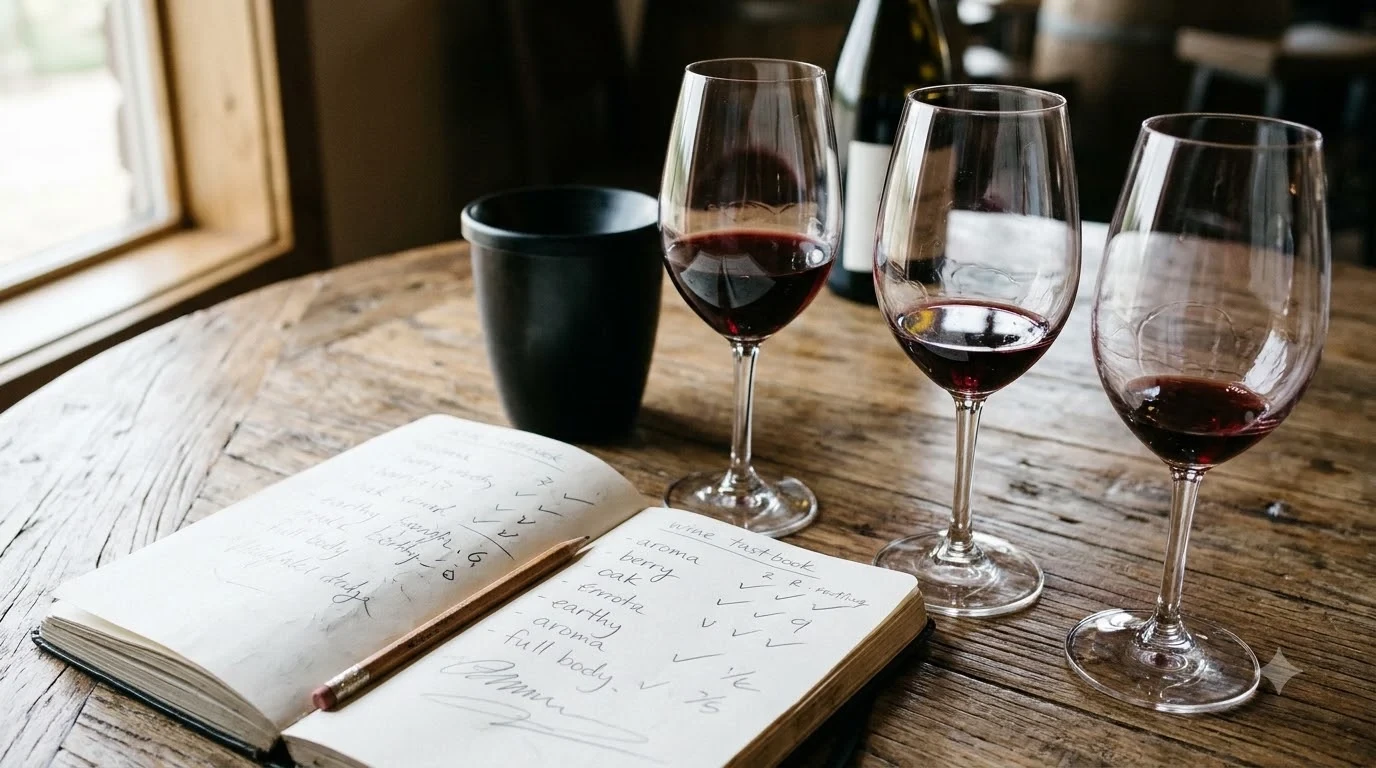
- Take notes and compare wines. Record grape varieties, growing areas, aromas, acidity, tannin, and preferred styles. Comparing a Riesling from Kelowna with a warmer-climate red from Oliver is a useful way to understand the region’s diversity.
Tip: Leave approximately 60 to 90 minutes for a winery visit when you want a relaxed tasting, a conversation about the wines, and time to enjoy the surroundings. A restaurant meal may require additional time. Three well-chosen wineries in one day can provide a much better experience than squeezing in six or seven rushed stops.
For a first visit, a West Kelowna itinerary could include Mission Hill and Quails’ Gate, followed by a meal at a winery restaurant. A separate Penticton trip could focus on three Naramata Bench estates. Travelers staying in Oliver can dedicate a full day to the Golden Mile Bench and nearby Black Sage Bench producers.
Wine travelers who enjoy comparing destinations across North America may also find it useful to explore the best Paso Robles wineries. Both regions offer interesting opportunities to compare red-wine styles, vineyard conditions, and winery hospitality, although their climates and growing environments differ.
Types of Okanagan Wineries and Wine Styles Explained
The Okanagan is not one uniform growing area. Its northern and southern vineyards produce noticeably different wines, while individual benches and lakeside locations create further variation in grape ripeness, acidity, and wine structure.
West Kelowna: Established estates and balanced reds
West Kelowna is an excellent place to begin a wine tour because its best-known estates combine recognizable wines with attractive tasting environments. Mission Hill Family Estate is particularly notable for its architecture and structured Oculus red blend. Quails’ Gate offers a different emphasis, with Pinot Noir, Chardonnay, and its established restaurant experience.
Martin’s Lane is another interesting option for visitors who appreciate Pinot Noir. Its focus on individual vineyard expression and gravity-flow winery design makes it particularly relevant to enthusiasts interested in the details of winemaking rather than simply collecting tasting-room experiences.
For buyers choosing bottles from this area, Pinot Noir is a useful starting point for lighter red wine, while Chardonnay provides an opportunity to compare acidity, texture, and oak influence. Bordeaux-style blends offer a more structured alternative.
Kelowna: Riesling, Pinot Noir, and sparkling wine
Kelowna’s cooler growing conditions make it an appealing destination for visitors who prefer wines with freshness and aromatic definition. Tantalus Vineyards is especially interesting for Riesling and Pinot Noir. Its eastern bench location and focus on these varieties provide a clear expression of the northern Okanagan’s cool-climate character.
Summerhill Pyramid Winery offers another distinctive experience. Its pyramid cellar and traditional-method sparkling wines make it a worthwhile stop for visitors interested in wines made using bottle fermentation. Traditional-method sparkling wine undergoes its second fermentation in the bottle, producing the characteristic carbonation associated with this production approach.
Visitors who enjoy sparkling wines can compare them with still Riesling and Chardonnay to understand how acidity and texture differ. Sparkling wines are generally best served around 40 to 50 degrees Fahrenheit, while fuller-bodied whites are usually more expressive around 50 to 55 degrees Fahrenheit.
Naramata Bench: Boutique wineries and vineyard scenery
The Naramata Bench is among the most attractive areas for a leisurely winery tour. Its approximately 15-kilometer road runs north from Penticton along the eastern side of Okanagan Lake. The route includes a mixture of small boutique producers and larger estates, with many wineries offering scenic vineyard and lake views.
Poplar Grove Winery is an excellent starting point. Its restaurant and Chardonnay offerings make it attractive to travelers who want to combine wine tasting and dining. Liquidity Wines provides another distinctive experience, combining architecture, sculpture gardens, lake scenery, and wines that include Pinot Noir and Chardonnay.
Hillside Winery is worth considering for its Gewürztraminer, unoaked Chardonnay, and Gamay Noir. These varieties provide a useful contrast to the more familiar Cabernet Sauvignon and Merlot styles found farther south.
Visitors interested in less conventional wines should also explore the range of small producers on the Bench. The region’s mix of family-operated and larger wineries means there are opportunities to compare different winemaking approaches within a relatively concentrated geographical area.
Okanagan Falls: Focused portfolios and structured reds
Okanagan Falls offers a different experience from the larger estates near Kelowna. Its wineries provide access to distinctive wines and smaller-scale tasting experiences. Painted Rock Estate Winery is particularly notable for Cabernet Franc, Merlot, and Syrah.
These varieties provide an interesting comparison for red-wine drinkers. Cabernet Franc can offer aromatic freshness and structure, Merlot generally provides softer tannins, and Syrah brings a more substantial tannic profile. The wines can also be compared with traditional-method sparkling wines from producers such as Noble Ridge Vineyard & Winery.
For visitors who enjoy structured reds, Painted Rock is a worthwhile addition to a southern Penticton-area itinerary. Those who prefer more delicate wines can balance the day with Chardonnay or Pinot Noir from another nearby producer.
Oliver and the Golden Mile Bench: Cabernet, Merlot, and Syrah
Oliver is one of the most important wine destinations in the southern Okanagan. The Golden Mile Bench and neighboring Black Sage Bench provide a warm growing environment suited to several Bordeaux and Rhône grape varieties.
Black Hills Estate Winery is known for Nota Bene, a Bordeaux-style red blend associated with Cabernet Sauvignon, Merlot, and Cabernet Franc. Visitors interested in concentrated red wines should consider this producer when building an Oliver itinerary.
Burrowing Owl Estate Winery is another important destination. Its combination of vineyard, tasting room, restaurant, and guest accommodation makes it a particularly complete wine-country experience. Cabernet Franc, Merlot, and Syrah are useful varieties to explore here.
Tinhorn Creek Vineyards provides another established tasting experience in Oliver. Its Miradoro restaurant and outdoor amphitheatre add dining and entertainment options to a winery visit. Visitors interested in comparing different southern Okanagan producers can also consider Hester Creek Estate Winery, known for varieties including Trebbiano and Pinot Grigio alongside red wines.
Osoyoos: Warm-climate reds and distinctive experiences
Osoyoos sits near the southern end of the Okanagan Valley, where warm, dry growing conditions favor riper red-wine styles. Visitors interested in Merlot, Syrah, and Cabernet Sauvignon should consider this area as part of a southern wine-country trip.
Nk’Mip Cellars is an important destination in Osoyoos. Its connection to the Osoyoos Indian Band gives the winery a distinctive cultural and regional identity. Its portfolio includes Qwam Qwmt Syrah and Merlot, offering visitors an opportunity to explore wines associated with the area’s warmer conditions.
Nearby Burrowing Owl is another strong choice for visitors who want to combine wine tasting with a longer dining experience. Exploring both wineries allows visitors to compare different expressions of southern Okanagan red wine.
North Okanagan: Aromatic whites and cooler-climate wines
The northern part of the valley is particularly appealing to visitors who enjoy aromatic white wines. Gray Monk Estate Winery near Vernon is known for Pinot Gris, Gewürztraminer, and Pinot Auxerrois. These varieties offer a useful contrast to the more powerful red wines of the southern vineyards.
Ex Nihilo Vineyards in Lake Country is another option for visitors interested in Pinot Gris and Pinot Noir. Tantalus and Summerhill, farther south around Kelowna, can also be included in a broader northern Okanagan exploration.
When comparing these wines, pay attention to acidity, fruit character, and alcohol level. A cooler-climate white may feel lighter and more refreshing than a richer southern red, even when both wines come from the same broad geographical indication.
Common Mistakes When Visiting Okanagan Wineries
The most common planning mistakes involve covering too much ground, overlooking reservation requirements, and choosing wineries without considering their wine styles. A little preparation helps visitors get more value from individual tastings and avoid unnecessary travel.
Trying to cover the entire valley in one day
The Okanagan Valley stretches more than 250 kilometers, making it impossible to experience all its important wine areas comfortably in a single day. A journey from Kelowna to Osoyoos involves a substantial change in geography and requires time for transportation.
Instead, divide your trip into regional days. Spend one day around Kelowna and West Kelowna, another on the Naramata Bench, and a separate day exploring Oliver and Osoyoos if your schedule allows.
Choosing wineries only for their scenery
Beautiful architecture and vineyard views can make a winery memorable, but the wines should still match your interests. Mission Hill is a strong choice for architecture and structured reds, while Tantalus is more appropriate for visitors particularly interested in Riesling and Pinot Noir.
Likewise, someone who prefers sparkling wine may find Summerhill Pyramid Winery more interesting than an estate whose portfolio concentrates mainly on full-bodied reds. Choose destinations based on both the experience and the wines.
Ignoring reservation requirements
Popular tasting rooms can become busy during peak travel periods, especially around summer weekends and holidays. Some smaller producers offer appointment-only experiences, while winery restaurants may have separate reservation systems.
Black Hills Estate Winery and some boutique Naramata Bench producers are examples where advance arrangements may be important. Confirm the current booking requirements directly with each winery instead of assuming every tasting room accepts walk-ins. For a useful example of what to expect, Mission Hill’s official tasting and experience information explains its guided tours, reservation arrangements, age restrictions, and available tasting formats.
Scheduling too many tastings
More tastings do not necessarily create a better wine experience. After several consecutive visits, it becomes harder to distinguish acidity, tannin, aroma, and texture. Rushing also reduces the opportunity to ask questions about grape varieties and vineyard locations.
Three or four carefully selected wineries are a sensible target for a full day. Allow time for food, transportation, and breaks, especially when combining visits with a restaurant reservation.
Buying wines without considering their style
Visitors sometimes choose bottles based primarily on an impressive tasting-room experience. However, the most memorable wine may not be the most suitable bottle for their preferences or intended occasion.
Before purchasing, consider the grape variety, tannin level, acidity, serving temperature, and food pairing. A full-bodied Syrah may be an excellent choice for someone who enjoys structured reds, while a fresh Riesling may suit someone looking for a lighter white wine.
Remember that salt and fat can soften the perception of tannin, while highly acidic foods generally pair best with wines of similar or greater acidity. These basic principles help make winery purchases more useful once you return home.
Okanagan Wine Care, Storage, and Serving Tips
Good wine storage and serving practices help preserve the character of bottles purchased during an Okanagan visit. Pay particular attention to storage temperature, light exposure, and the serving temperature appropriate for each wine style.
Storing bottles after a winery visit
For longer storage, keep wine in a cool, dark environment with a relatively consistent temperature near 55 degrees Fahrenheit. Avoid placing bottles beside heating equipment, in direct sunlight, or in locations with substantial temperature changes.
Cork-sealed bottles are generally stored horizontally to keep the cork in contact with the wine. This helps prevent the cork from drying out. Wines purchased for immediate consumption do not require the same long-term storage arrangements, but they should still be protected from excessive heat and light.
Serving Okanagan wines at the right temperature
Serving temperature can change how a wine smells and tastes. Whites served too cold may conceal some aromatic detail, while reds served too warm can seem heavier and more alcoholic.
| Wine style | Recommended serving temperature | Serving consideration |
|---|---|---|
| Sparkling wine | 40–50°F | Preserves freshness and lively bubbles |
| Light white wines and rosé | 45–50°F | Highlights refreshing acidity |
| Full-bodied white wines | 50–55°F | Allows more aromatic and textural detail |
| Light-bodied red wines | 55–60°F | Maintains freshness and fruit expression |
| Full-bodied red wines | 60–65°F | Helps balance tannin and structure |
| Sweet white wines | 43–50°F | Maintains freshness alongside sweetness |
For example, a Tantalus Riesling can be served around 45 to 50 degrees Fahrenheit, while a structured Black Hills red blend can benefit from a slightly warmer serving temperature of approximately 60 to 65 degrees Fahrenheit.
Opening and preserving bottles
Young, full-bodied red wines may benefit from 30 to 60 minutes of decanting before serving. This is particularly useful for wines with noticeable tannin, such as some Cabernet Sauvignon, Syrah, and Bordeaux-style blends.
Opened still wines generally remain enjoyable for approximately three to five days when properly resealed and refrigerated. Sparkling wines usually retain their best qualities for one to three days when stored with an appropriate sparkling-wine stopper and refrigerated.
For a standard 750-milliliter bottle, expect approximately five standard five-ounce glasses. This is a useful reference when planning a dinner or deciding how many bottles to purchase from a winery visit.
Matching wine with food
Okanagan wines offer plenty of food-pairing possibilities. Pinot Noir works well with roasted poultry, salmon, and mushroom dishes because its relatively moderate tannin and bright acidity do not overwhelm delicate flavors.
Merlot can accompany roasted beef, lamb, and dishes with moderate richness. Cabernet Sauvignon and Syrah are often more appropriate for grilled meats and hearty meals where their tannin and structure can complement the food.
For white wines, Riesling is a useful partner for spicy Asian dishes, while Chardonnay can complement roasted chicken, seafood, and richer sauces. Sauvignon Blanc is especially useful alongside salads, goat cheese, and seafood with citrus-based dressings.
Sweet wines and Icewine deserve special consideration. A dessert wine should generally be at least as sweet as the dessert being served. This prevents the wine from tasting overly acidic or thin beside a much sweeter dish.
Frequently Asked Questions
What is the best time of year to visit Okanagan wineries?
Late spring through early fall is a popular period for winery visits, with summer offering the greatest opportunity to enjoy outdoor tasting areas and vineyard scenery. The annual Light Up The Vines event in Summerland takes place toward the end of November, providing a different seasonal wine-country experience. Winter visits can also be appealing for travelers interested in quieter tasting rooms and Icewine-related experiences.
Can visitors buy Okanagan wines in the United States?
Some Okanagan producers distribute their wines through US retailers, restaurants, and specialist wine merchants, but availability varies by producer and state. Certain smaller wineries sell primarily through their own tasting rooms or winery mailing lists. Travelers should also review applicable alcohol import and customs requirements before bringing bottles across the Canadian border.
What makes Okanagan Icewine different from regular dessert wine?
Authentic Icewine is produced from grapes that freeze naturally on the vine, concentrating sugars and other components before pressing. The resulting wine is typically sweet, intensely flavored, and balanced by acidity. Riesling and Vidal are among the grape varieties associated with Canadian Icewine production.
Is the Okanagan Valley suitable for a wine trip without a rental car?
Yes, visitors can arrange guided wine tours from destinations such as Penticton, Oliver, and Osoyoos. These tours can simplify transportation between wineries and remove the need to organize a designated driver. Some visitors also choose to stay near their preferred wine area and arrange local transportation for individual tasting appointments.
What is the difference between the Okanagan Valley and the Similkameen Valley?
The Okanagan Valley is a large geographical indication with multiple wine-growing subregions, while the Similkameen Valley is a separate British Columbia wine-growing area to its west. The Similkameen is characterized by a mountain-framed landscape and river valley, with its own vineyard conditions and distinctive wine producers. Both regions can be included in a broader southern British Columbia wine itinerary, but they should not be treated as interchangeable wine regions.
The best Okanagan winery experience comes from matching the destination to your preferred wines and allowing enough time to appreciate each estate. Start with established names such as Mission Hill, Quails’ Gate, Tantalus, Poplar Grove, or Burrowing Owl, then explore smaller producers as your interests develop. Whether you prefer refreshing northern whites, elegant Pinot Noir, or structured southern reds, the Okanagan offers plenty of reasons to return for another tasting trip.
More in Wine Buying Guides
 Cheap Red Blend: How to Find a Flavorful Bottle for LessUpdated Nov 20, 2026
 Pinot Grigio Gift: How to Choose a Bottle They’ll EnjoyUpdated Nov 20, 2026
 Best White Wine at Total Wine for Every MealUpdated Nov 20, 2026
 Wine Fridge Replacement Shelves: Find the Right FitUpdated Nov 20, 2026
 Best Sparkling Wine Under 20: Find Bubbles Worth BuyingUpdated Nov 20, 2026
 Best Wine For Birthday Celebrations With Perfect Party PairingsUpdated Nov 20, 2026