

We may earn a commission when you buy through links on this page, at no extra cost to you. Learn more.
Okanagan wine comes from the Okanagan Valley in British Columbia, Canada, a cool-climate region known for fresh, fruity whites and increasingly serious reds. The valley stretches about 250 km from north to south, so its vineyards vary widely in temperature and soil. According to the Okanagan Valley profile on Offtrack Travel, it is Canada’s second largest wine region, and it grows more than 60 grape varieties.
This guide explains where the Okanagan is, how its climate and soils shape the wine, which grapes and styles to look for, and how it compares with warmer American regions such as Calistoga. If you are buying Okanagan bottles for the first time, the sections below will help you choose and store them well.
What Is Okanagan Wine?
Okanagan wine is any wine made from grapes grown in the Okanagan Valley, the main wine region of British Columbia. The region sits in the interior of the province, surrounded by mountains, lakes and grasslands. Its wineries range from small family-run estates to larger producers with busy tasting rooms.
Because the valley is long, “Okanagan wine” covers a range of styles rather than one house taste. Northern vineyards tend to favor white and early-ripening grapes, while southern vineyards lean toward red and later-ripening varieties. Understanding that split is the easiest way to know what to expect from a bottle.
Where Is the Okanagan Valley?
The Okanagan Valley runs through the south-central interior of British Columbia, close to the US border. Okanagan Lake runs down the middle of the valley and shapes the local climate. A local Offtrack Travel winery guide notes that the valley is Canada’s second largest wine region. Several named sub-areas sit along its shores, including Lake Country, Kelowna, Summerland, the Naramata Bench, Okanagan Falls, Oliver and Osoyoos.
Each sub-area has its own character. The Naramata Bench is known for a high concentration of boutique wineries along a single road, while Oliver is often called the wine capital of Canada because it holds a large share of the province’s vines. Osoyoos, the southernmost area, sits near the border and is the warmest part of the valley.
Climate and Soil in the Okanagan
The Okanagan has a continental climate, with plenty of sunshine and low rainfall during the growing season. Sources describe warm days and cool nights, which help grapes build ripe fruit while keeping natural acidity. Summer heat can reach the mid-30s Celsius, so the region is cool only in a loose sense.
The soils were left by retreating glaciers thousands of years ago. Deposits of silt, sand and gravel give vineyards good drainage, and many are planted on high benchlands. Lake Okanagan also moderates winter temperatures, which helps protect vines in colder months.
The valley is not uniform. Northern sites are cooler and tend to suit aromatic whites, while the southern semi-desert area near the US border gets much less rain and supports fuller reds. This north-south gradient is the main reason two bottles from the same valley can taste very different.
Main Grape Varieties Grown in the Okanagan
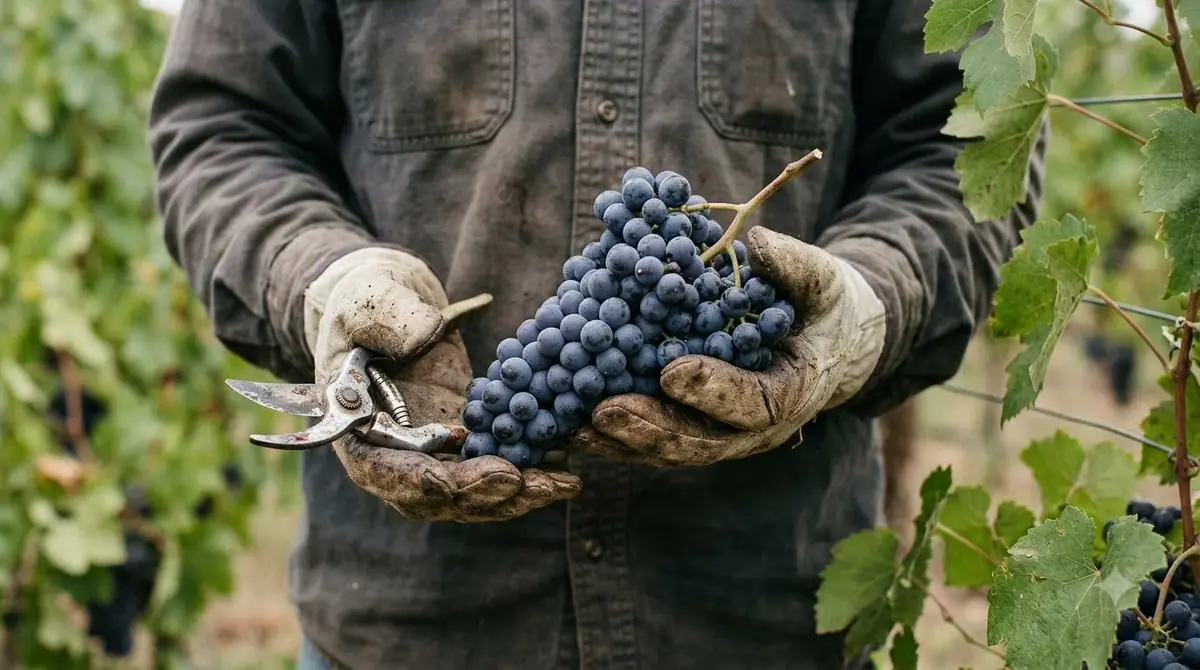
The valley grows many grape types, with a fairly even split between red and white plantings. Whites and reds both have a strong showing, and the wineries offer a wide range of sweetness levels. Look at the label for the grape name, since many Okanagan wines are sold as single varietals.
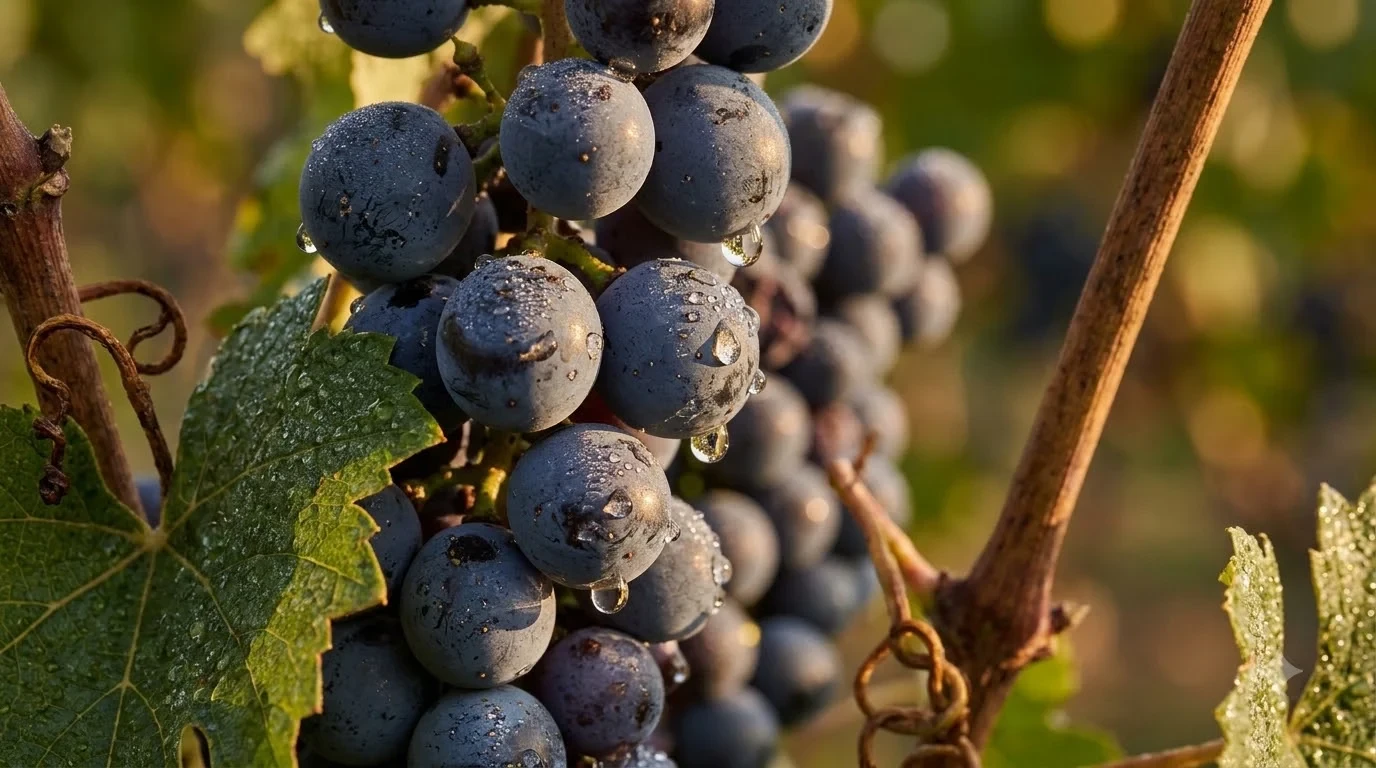
Pinot Noir is one of the best-known reds, and it is widely planted across the region. Pinot Gris, Pinot Blanc, Chardonnay and Riesling represent the white side, with Riesling often praised for its acidity. Merlot, Cabernet Franc and Syrah appear more often in the warmer southern sites, where reds ripen more fully.
The table below sums up common varieties and the styles they usually produce in the valley.
| Grape | Color | Typical style in the Okanagan |
|---|---|---|
| Pinot Noir | Red | Light to medium body, bright red fruit, fresh acidity |
| Riesling | White | Crisp and fruity, from dry to sweet |
| Pinot Gris | White | Soft texture with pear and citrus notes |
| Chardonnay | White | Ranges from unoaked and lean to richer, oaked styles |
| Merlot and Cabernet Franc | Red | Fuller reds, more common in southern sites |
| Vidal | White | Used mainly for Icewine and sweet wines |
Keep in mind that a grape name alone does not guarantee a style. Winemaking choices, such as oak use and residual sugar, change a wine a lot. Check the back label or the winery’s tasting notes before you buy.
Signature Okanagan Wine Styles
Okanagan wines are usually fresh and fruity, with good acidity that keeps them lively. The cool nights help preserve that balance, even when the fruit is ripe. Many wineries also produce sparkling wines and dessert wines, which add variety to a visit.
Icewine is one of the region’s notable styles. It is made from grapes left on the vine until they freeze, then pressed while frozen, which yields a small amount of concentrated, sweet juice. Icewine is produced at some Okanagan wineries, and it is generally sold in small bottles because the yield is low.
Sparkling wine and rosé are also worth exploring. Several producers make Italian-style sparklers, and reviewers often describe them as crisp and food-friendly. Ask a tasting room staff member which styles their winery is known for, since production varies from one estate to the next.
Notable Okanagan Wineries to Visit
The Okanagan has more than 40 wineries in the Kelowna area alone, and the Naramata Bench holds one of the densest clusters in the valley. Visitors often plan a route around one sub-area so they can see several producers without long drives. For a broader list of destinations and tasting tips, read the guide to okanagan wineries.
Blue Mountain Vineyard, near Okanagan Falls, is known for Pinot Noir and Pinot Gris, and its tasting room is open by appointment only according to the Blue Mountain Vineyard Wikipedia entry. Sumac Ridge in Summerland is described in local travel writing as the first operating winery in British Columbia, and it offers tours. Always check opening hours and tasting policies before you travel, since they change.
Some wineries also operate in more than one country. Inniskillin, a well-known Ontario producer, runs a separate winery in the Okanagan, according to its Wikipedia entry. That shows how the region has attracted established Canadian producers as well as small estates.
Food Pairings for Okanagan Wines
Okanagan whites and sparkling wines pair well with fresh seafood, roasted chicken and soft cheeses. Riesling with some sweetness works well with spicy dishes, since the sugar softens heat. Pinot Gris suits salads, light pasta and grilled fish.
Okanagan reds, especially Pinot Noir, pair with salmon, mushroom dishes and roast poultry. Fuller southern reds made from Merlot or Cabernet Franc suit grilled meats and hearty stews. Match the weight of the wine to the weight of the food, so neither overwhelms the other.
Icewine is best served in small pours, often with fruit desserts or blue cheese. Because it is sweet and rich, a little goes a long way. Enjoy any wine responsibly, and plan for how you will get home if you visit tasting rooms.
Buying and Storing Okanagan Wine
Many Okanagan wines are sold directly by wineries and through licensed retailers, and availability in the United States depends on import rules and state laws. Check each winery’s shipping policy before ordering. Look for the VQA mark on Canadian labels, which indicates that the wine meets the provincial appellation and labeling standards that the Wikipedia entry on Inniskillin describes as the Vintners Quality Alliance.
Store most Okanagan wines in a cool, dark place away from heat and sunlight. Whites, sparkling wines and light reds are best consumed within a few years, while Icewine and some structured reds can age longer. Check producer guidance for each bottle, since storage advice varies.
If you want to compare Okanagan wines with American producers, a useful reference is the page on calistoga wine, which covers a warmer Napa Valley appellation. Its warmer days generally produce riper, bolder reds, which makes a good contrast with the Okanagan’s fresher style. For more background on other growing areas, see the Wine Regions hub, and for a French comparison, the guide to cahors wine explains a very different red style.
Frequently Asked Questions
Is Okanagan wine good?
Okanagan wine is well regarded for fresh, fruity whites, sparkling wines and Icewine, and its reds have improved steadily. Quality varies by producer and vintage, so tasting notes and reviews from trusted critics help you choose. Start with a few varieties to learn what you enjoy.
What is the Okanagan known for?
The Okanagan is known for its long valley, lake-moderated climate and wide range of grapes. It is especially associated with Pinot Noir, Riesling and Icewine. Its north-south split creates both cool, aromatic whites and fuller southern reds.
Is Okanagan wine similar to Napa wine?
Not exactly. The Okanagan is generally cooler than Napa Valley, so its wines usually show brighter acidity and lighter body. Napa reds often taste riper and bolder because of its warmer days. Both regions can make excellent wine, just in different styles.
How should I store Okanagan wine at home?
Keep bottles in a cool, dark, steady place away from heat and light. Store corked bottles on their side if you plan to keep them for a long time. Check the producer’s guidance, since whites and sparkling wines often do best when drunk within a few years.
Okanagan wine rewards curiosity, because the valley offers many grapes and styles within a short drive. Start with a Pinot Noir, a Riesling or an Icewine to see how the region expresses itself. Then compare with wines from warmer regions to understand what makes the Okanagan distinctive.
More in Wine Regions
 Willcox Wine Trail: Discover Arizona’s High-Elevation Wine CountryUpdated Nov 20, 2026
 Yakima Valley Wine Region: Find the Best Styles to TryUpdated Nov 20, 2026
 Vosne Romanee Wine Tasting: Identify Aromas and Choose Better PairingsUpdated Nov 20, 2026
 Yakima Valley Wine Festival: Find the Best Seasonal Wine EventsUpdated Nov 20, 2026
 Wales Vineyards: Discover Cool-Climate Wines and Where to VisitUpdated Nov 20, 2026
 Yountville Wine Festival: Discover Napa Wines and Local FoodUpdated Nov 20, 2026