


We may earn a commission when you buy through links on this page, at no extra cost to you. Learn more.
Primitivo tasting notes center on ripe dark and red fruit—such as blackberry, black cherry, raspberry jam, and fresh fig—layered with warm baking spices, black pepper, sweet tobacco, and leather. Known genetically as the same grape as California Zinfandel and Croatia’s ancient Tribidrag, this southern Italian red delivers a full-bodied, velvety mouthfeel with supple tannins and medium acidity. Alcohol levels typically sit between 14% and 16% ABV, giving the wine a characteristic warmth on the finish alongside rustic, savory earthiness.
If you enjoy generous, sun-drenched red wines that balance plush fruit sweetness with savory spice, exploring Wine by Type will quickly lead you to Puglia’s signature grape. Understanding how regional sub-zones and winemaking choices shape each pour makes it easy to predict what will land in your glass before you pull the cork.
What It Is
Primitivo is a darkly pigmented black-skinned wine grape most famous for producing rich, fruit-forward red wines in Puglia, the sun-baked heel of Italy’s boot. Its name derives from the Italian word primo, meaning “first,” a direct reference to its habit of ripening earlier in the growing season than almost every other neighboring variety.
For decades, wine lovers noticed uncanny similarities between southern Italian Primitivo and California Zinfandel, though their exact relationship remained a subject of debate. DNA profiling conducted in the 1990s proved that Primitivo and Zinfandel are genetically identical clones of an ancient Croatian variety called Tribidrag, also known locally in Dalmatia as Crljenak Kaštelanski. According to researchers and educators at Wine Folly, the grape is notorious in the vineyard for uneven ripening, where green, perfectly ripe, and raisined berries can appear on the very same cluster.
That biological quirk is central to understanding Primitivo’s signature profile in the glass. Because individual berries shrivel and concentrate natural sugars while others retain brisk acidity, fermentations routinely yield high alcohol levels alongside vibrant berry lift. Unlike thick-skinned grapes such as Cabernet Sauvignon, Primitivo possesses relatively thin skins and lower levels of color-producing anthocyanins, resulting in wines that appear deep garnet rather than opaque purple while still packing intense aromatic power.
Flavor and Styles
In the glass, Primitivo immediately announces itself with a rush of macerated blackberry, baked plum, black cherry, and red raspberry jam, underscored by cinnamon, clove, black pepper, and sweet pipe tobacco. On the palate, it feels plush, velvety, and mouth-filling, supported by moderate, pillowy tannins and enough medium acidity to keep the fruit from tasting heavy.
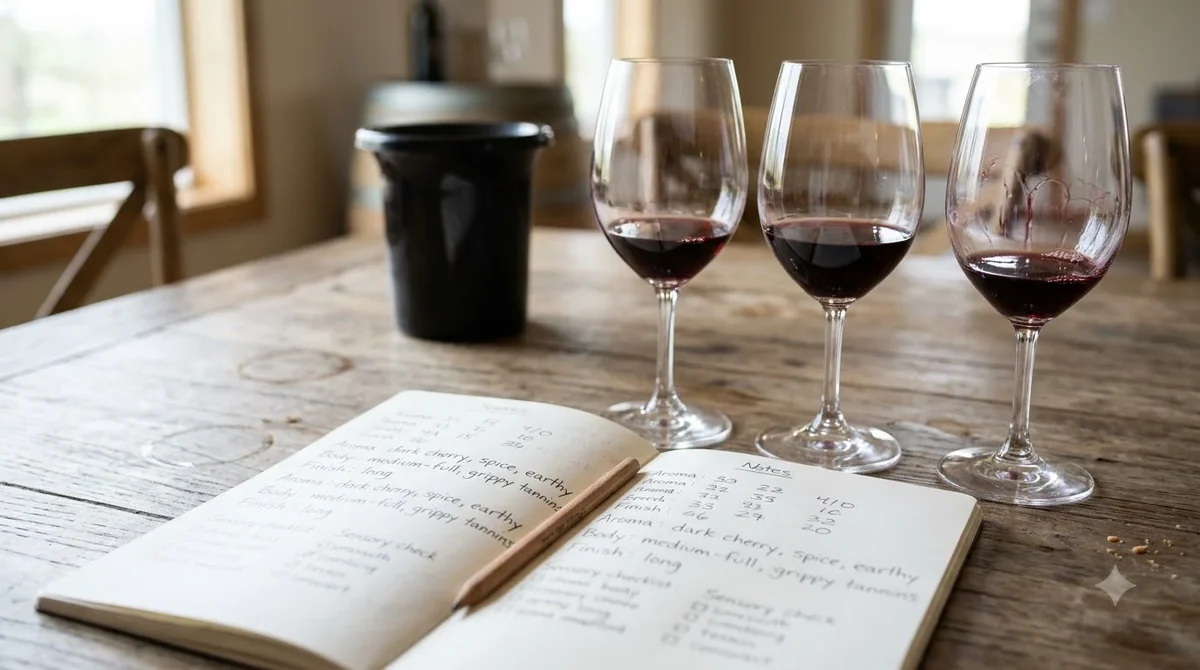
Secondary savory nuances set Italian Primitivo apart from its New World counterparts. Reviewers at Wine Enthusiast frequently highlight notes of dried fruit leather, cocoa, licorice, new leather, and sun-baked earth that emerge as the wine opens up. While dry red table wines account for the vast majority of production, winemakers in Puglia also craft Primitivo into crisp, copper-pink rosato wines as well as sweet, late-harvest dessert bottles labeled Dolce Naturale.
How a producer handles oak and harvest timing shifts the flavor spectrum considerably. Stainless-steel or large neutral Slavonian oak aging preserves bright strawberry, red cherry, and herbal snap, whereas maturation in smaller toasted barrels introduces vanilla, espresso, and dark chocolate notes. If you appreciate the generous berry warmth found in grenache tasting notes, dry Primitivo offers a very similar plushness with an extra kick of peppery spice.
| Style or Appellation | Primary Fruit Notes | Secondary & Savory Notes | Body & Typical ABV |
|---|---|---|---|
| Puglia IGT (Everyday Dry) | Red raspberry, strawberry, fresh plum | Black pepper, dried herbs, subtle earth | Medium-full; 13.5%–14.5% ABV |
| Gioia del Colle DOC | Red cherry, wild strawberry, cranberry | Violet, Mediterranean scrub, mineral | Medium-full; 13.5%–14.5% ABV |
| Primitivo di Manduria DOC | Blackberry jam, fig, roasted plum | Sweet tobacco, cocoa, clove, leather | Full; 14%–16% ABV |
| Primitivo di Manduria Dolce Naturale DOCG | Dried fig, raisin, black cherry compote | Cinnamon, dark chocolate, molasses | Full & sweet; 15%+ ABV |
Where It Grows
While Primitivo is planted in small pockets across California and Croatia, its spiritual and commercial heartland is Puglia in southern Italy, where hot Mediterranean days and cooling coastal breezes create ideal ripening conditions. Within Puglia, two distinct appellations define the benchmark styles you will encounter on retail shelves.
The most famous zone is Primitivo di Manduria DOC, located near the Ionian Sea in the provinces of Taranto and Brindisi. Regulations here require wines to contain at least 85% Primitivo, and the low-lying, sun-drenched coastal plains produce deeply concentrated, full-bodied bottles brimming with dark fruit and spice. Wines labeled Riserva in Manduria must reach a minimum of 14% ABV and undergo extended aging, yielding plush textures with pronounced leather and cocoa depth.
Further inland and north lies Gioia del Colle DOC, situated on higher-elevation limestone hills between Bari and Taranto. Historically, a local priest in Gioia del Colle is credited with identifying and propagating the early-ripening vine in the late eighteenth century. Thanks to cooler nighttime temperatures at elevation, Gioia del Colle Primitivo tends to show brighter red-fruit aromatics, crisper acidity, and slightly more restrained alcohol than coastal Manduria bottlings.
How to Serve
Serve Primitivo slightly below room temperature at 60°F to 68°F (15°C to 20°C) in a large-bowled red wine glass, and decant younger bottles for 20 to 30 minutes before pouring. Controlling serving temperature is the single easiest way to keep the wine’s naturally high alcohol balanced and refreshing.
If a bottle sits at a warm 72°F kitchen temperature, the 14% to 16% ABV can flare on the nose and make the finish feel hot or syrupy. Placing the bottle in the refrigerator for 15 to 20 minutes prior to opening tightens the fruit profile, sharpens the natural acidity, and lets delicate floral and spice aromas shine.
Giving young, full-bodied bottles half an hour in a decanter allows oxygen to soften any astringency from the seeds and skins while coaxing out secondary notes of tobacco, roasted fig, and dark cocoa. Older Riserva bottlings generally need only a gentle pour off any sediment rather than prolonged aeration.
Tip: Put your bottle of Primitivo in the fridge for 15 minutes before dinner—serving it around 62°F tames the warm alcohol finish and makes the bright berry notes pop.
Food Pairing
Primitivo pairs best with rich, smoky, and savory dishes that match its full body and fruit-sweet mid-palate, including slow-smoked barbecue, charred meats, aged cheeses, and hearty tomato-based pastas. Because the grape carries ripe berry flavors and moderate tannins, it handles sweet-and-tangy glazes far better than dry, high-tannin reds.
In its native Puglia, Primitivo is a classic table companion for orecchiette tossed with bitter turnip greens, baked eggplant parmesan, and slow-braised lamb or beef ragù. The wine’s supple texture cushions the richness of braised short ribs and grilled sausages, while its peppery finish echoes black pepper, cumin, rosemary, and charred crust on grilled steaks.
For casual weeknight meals, reach for a bottle alongside wood-fired pizza topped with spicy salami, pulled pork sandwiches with tangy barbecue sauce, or a cheese board featuring sharp aged cheddar, smoked gouda, and pecorino. Even slightly spiced curry dishes or roasted root vegetables glazed with balsamic vinegar harmonize well with the wine’s natural fruit sweetness.
How to Choose a Bottle
Choosing the right bottle of Primitivo comes down to matching the appellation on the front label and the alcohol percentage on the back label to the weight of your meal. Knowing two or three label cues prevents surprises when shopping across styles.
If you want a bold, opulent, velvety red for heavy winter stews or barbecue, look for Primitivo di Manduria DOC with an ABV between 14.5% and 16%. Check the back label for mentions of oak aging or old bush vines (alberello), which signal concentrated blackberry jam, baking spice, and plush tannins. Conversely, if you prefer brighter red cherry notes and livelier acidity for pasta or pizza, seek out Gioia del Colle DOC or bottles sitting closer to 13.5% or 14% ABV.
Pay attention to vintage as well, since most everyday Primitivo is crafted to be enjoyed within three to five years of harvest while its juicy fruit is vibrant. Reserve bottlings from top hillsides can evolve gracefully for five to ten years, developing complex savory notes of dried fig and leather without the grippy, mouth-drying structure found in petit verdot tasting notes.
Frequently Asked Questions
Is Primitivo sweet or dry?
Most Primitivo wines are vinified completely dry, though their ripe jammy fruit flavors and high alcohol can create an impression of sweetness on the mid-palate. The main exception is Primitivo di Manduria Dolce Naturale DOCG, a designated sweet dessert style made from late-harvested, partially dried grapes.
Are Primitivo and Zinfandel the exact same wine?
Primitivo and California Zinfandel are genetically identical clones of the same grape variety, which originated in Croatia under the name Tribidrag. However, differences in climate, soil, and winemaking mean Italian Primitivo often leans toward earth, leather, and savory spice, while California Zinfandel tends to emphasize brighter bramble fruit and vanilla oak.
Why is Primitivo so high in alcohol?
Primitivo ripens very early and unevenly in warm Mediterranean climates, causing some berries on each cluster to shrivel into raisins while others remain fresh. Those raisined berries concentrate natural sugars, which yeast convert into higher alcohol levels—frequently reaching 14% to 16% ABV—during fermentation.
Does Primitivo need to be aged before drinking?
No, the vast majority of Primitivo is made to be enjoyed young within two to five years of the vintage date so you can experience its fresh berry and spice profile at its peak. Well-structured Riserva bottlings from Manduria or Gioia del Colle can cellar nicely for five to ten years.
Whether you pour a high-elevation bottle from Gioia del Colle or a lush, spice-laden red from Manduria, Primitivo rewards simple attention to serving temperature and hearty food. Keep a bottle slightly chilled for your next barbecue or pasta night, or compare it side by side with sancerre tasting notes when planning a multi-course dinner menu.
More in Wine Types & Grapes
 What Does Mourvèdre Taste Like? Flavor Profile, Regions, and PairingsUpdated Nov 20, 2026
 What Does Marsanne Taste Like? Flavors, Styles, and Food PairingsUpdated Nov 20, 2026
 What Does Malvasia Taste Like? Styles, Flavors, and Food PairingsUpdated Nov 20, 2026
 What Does Grenache Blanc Taste Like? Flavor Profile, Styles, and PairingsUpdated Nov 20, 2026
 What Does Garnacha Taste Like? Key Flavors, Styles, and Pairing TipsUpdated Nov 20, 2026
 What Does Fruit Wine Taste Like? A Complete Flavor and Style BreakdownUpdated Nov 20, 2026