

We may earn a commission when you buy through links on this page, at no extra cost to you. Learn more.
Meiomi red wine is built around the brand’s Pinot Noir, a medium-bodied California red grown along the coast, with a Cabernet Sauvignon and other reds also in the range. The brand says its wines are “smooth, plush, and impeccably balanced,” and the Pinot Noir is the bottle most shoppers recognize. For a red that is easy to drink with everyday food, it is one of the more familiar choices on the shelf.
Meiomi has become a common name in the California red section, and the red wine range is wider than many shoppers expect. This guide covers what the brand says about its reds, how the Pinot Noir differs from the Cabernet, how to serve each one, and which dinners suit them.
What Meiomi Red Wine Is
Meiomi is a California brand whose website states it has operated since 2006. The site says the brand “began with its signature Pinot Noir” and has since expanded into red, white, and lower-alcohol wines. The reds sit at the center of the range, and the Pinot Noir is the anchor product that most buyers know.
The site describes the wines as “grown along California’s coast and shaped by cool ocean breezes.” It lists the Meiomi Pinot Noir and a Sonoma Coast Pinot Noir, and it promotes the flagship as “America’s Favorite Pinot Noir.” The site does not give detailed production data for each red, so the label and the retailer’s description are the best guide to the exact bottling you are buying.
The Pinot Noir at the Heart of the Range
Pinot Noir is the grape that defines Meiomi’s identity. According to Wine Folly’s Pinot Noir guide, the grape is medium-bodied, with low tannins and high acidity. Typical flavors include ripe cherry and raspberry, with earthier notes of forest floor, tea leaves, and sometimes clove as the wine ages. The guide also notes that the grape prefers intermediate climates with long, cool growing seasons, which fits the cool coastal growing areas the brand describes.
That profile explains why Pinot is so easy to pair with food. Its lower tannins mean it does not grip the palate the way a Cabernet does, so it works with chicken, salmon, pork, and vegetable dishes that would be overwhelmed by a bigger red.
How the Red Range Differs
Pinot Noir is not the only red in the lineup. The brand has also added a Cabernet Sauvignon, which sits in a fuller, darker style. The two reds are a useful pair because they cover different meals: Pinot for lighter dinners and Cabernet for steak or lamb.
The table below compares the two main reds so you can see the practical differences before you pick one for a dinner or a gathering.
| Trait | Meiomi Pinot Noir style | Meiomi Cabernet style |
|---|---|---|
| Body | Medium, silky | Full, with a firmer feel |
| Typical fruit | Cherry, raspberry | Black cherry, black currant |
| Tannin | Low | Medium-high |
| Serving range | 55 to 60°F | 60 to 68°F |
| Best with | Salmon, roast chicken, mushrooms | Steak, lamb, aged cheese |
How to Serve Meiomi Red Wine
Serving temperature changes how a red tastes. Wine Folly suggests serving Pinot Noir slightly cooler than room temperature, ideally between 55 and 60°F (12 to 15°C). That range keeps the fruit bright and stops the alcohol from feeling heavy. Put the bottle in the fridge for 15 to 20 minutes before pouring if the room is warm.
The Cabernet is better a few degrees warmer, around 60 to 68°F. Pull it from a cool cabinet about 15 minutes before serving so the fruit and tannins come forward without tasting hot.
Decanting is optional for both. A young Cabernet can benefit from 30 to 45 minutes in a decanter, while the Pinot Noir is usually fine poured straight from the bottle. Use a medium glass with a wide bowl for the Pinot, since its aromas are delicate and need room to open.
Food Pairing Ideas for Meiomi Reds
Pinot Noir is versatile at the table. Roast chicken with herbs, grilled salmon, and pork tenderloin all suit its bright cherry fruit and low tannin. Mushroom dishes work especially well because the earthy notes in the wine echo the flavor of the mushrooms.
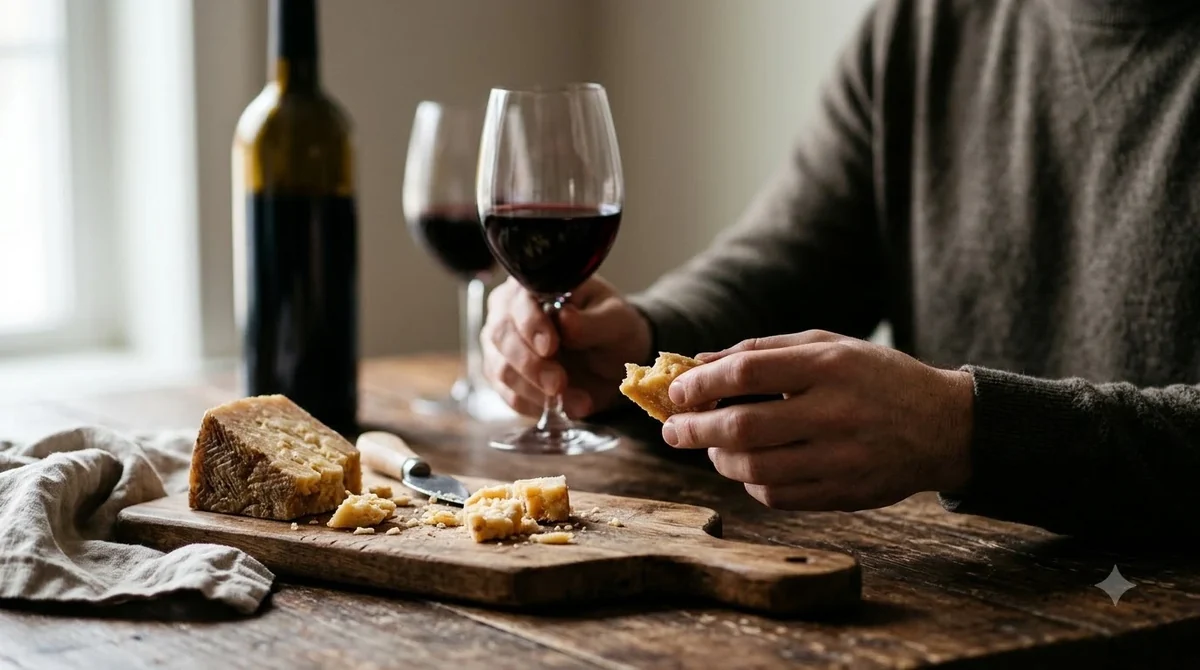
The Cabernet calls for richer food. Grilled ribeye, beef stew, and lamb chops are the strongest matches, since the fat in the meat softens the tannins. Aged cheddar and firm Manchego make a good finish for the Cabernet.
For a mixed table, pour the Pinot first and the Cabernet second. The lighter wine can then carry the first courses, and the Cabernet works with the main dish once the meal has settled.
How to Choose Between Meiomi Reds
Start with the main course. If the plate is light or built around poultry, fish, or vegetables, the Pinot Noir is the easier match. If you are cooking red meat or a hearty stew, the Cabernet has the structure to stand up to it.
Next, think about the occasion. Pinot Noir is an easy pour for a weeknight, a casual gathering, or a dinner where guests are drinking a variety of wines. Cabernet suits a roast or a special meal where the wine is meant to be the focus of the table.
Finally, check the label. The Sonoma Coast Pinot Noir names its region on the bottle, while the core Meiomi Pinot Noir does not. Choose the bottling that matches the style you want, and check the vintage for freshness.
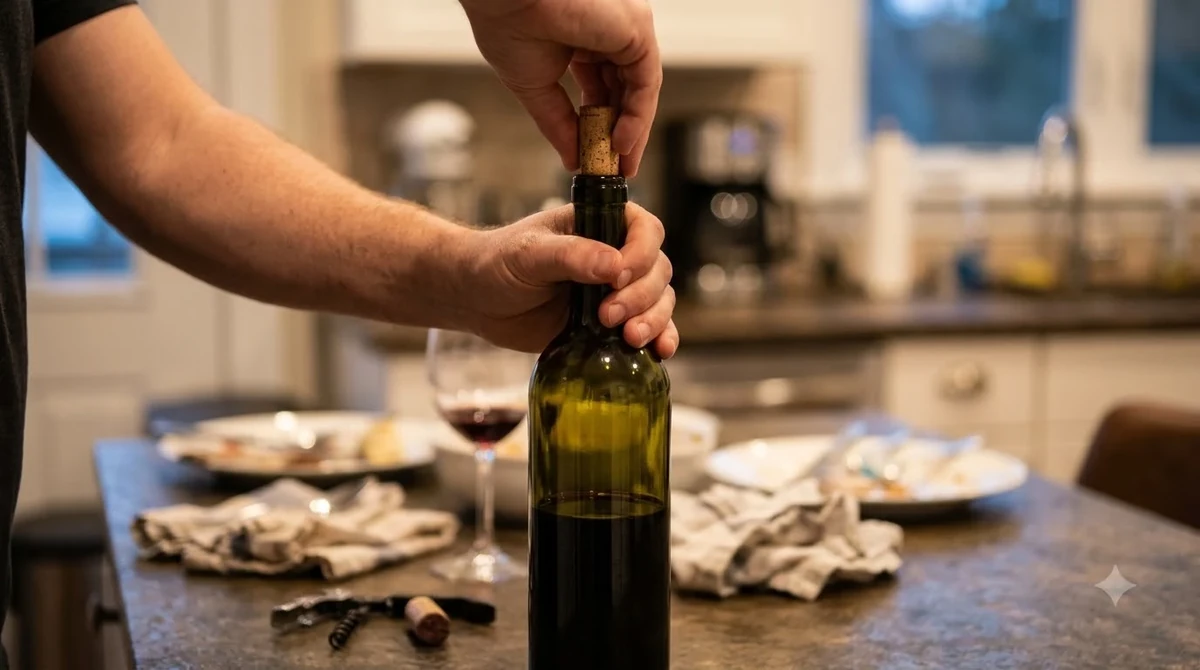
Storage is simple for both reds. Keep the bottles in a cool, dark place, and avoid heat from a window or appliance. Pinot is more sensitive to heat than Cabernet, so a cool cabinet is especially useful for it. Once opened, a Pinot Noir is best finished within a day or two, since its fresh fruit fades faster than a firmer Cabernet, which can often last a little longer with the cork pushed back in and the bottle stored upright in the fridge.
Tip: If you only buy one red for a mixed dinner, the Pinot Noir is the safer choice. It suits more dishes and is easier to enjoy at a slightly cooler temperature.
For more on the brand as a whole, the Meiomi Cabernet guide goes deeper into the Cabernet style, and the wine brands hub lists the other names shoppers often compare. You can also look at Andre Spumante if you want a sparkling option for the same table.
For the grape itself, the Wine Folly Pinot Noir guide is a good reference for flavor, body, and serving temperature.
Frequently Asked Questions
Is Meiomi red wine mostly Pinot Noir?
Pinot Noir is the brand’s signature red and the wine most people know it for. The range also includes a Cabernet Sauvignon, so check the label to confirm which red you are buying.
Is Meiomi Pinot Noir light-bodied?
Pinot Noir is generally medium-bodied with low tannins and high acidity, according to Wine Folly. It feels lighter than a Cabernet, which is why it suits a wider range of foods.
What temperature should Meiomi red wine be served at?
Pinot Noir is best slightly cooler than room temperature, around 55 to 60°F. The Cabernet is better warmer, around 60 to 68°F.
Does Meiomi red wine need to be decanted?
Decanting is optional. The Pinot Noir can be poured directly from the bottle, while a young Cabernet can benefit from 30 to 45 minutes in a decanter.
Meiomi red wine gives you a clear choice between a lighter, cherry-led Pinot Noir and a fuller Cabernet for heavier food. Keep both on hand, match each to the main course, and you will have a reliable red for most dinners.
More in Wine Brands
 Underwood Wine Price: Compare Bottles, Cans, and Pack SizesUpdated Nov 21, 2026
 Zenato Wine Price: Compare Styles and Choose the Right BottleUpdated Nov 21, 2026
 Zuccardi Wine Price: Compare Bottles and Find the Right RangeUpdated Nov 21, 2026
 Yellow Tail Moscato Review: Taste, Sweetness and Serving TipsUpdated Nov 21, 2026
 Wolf Blass Yellow Label Review: Choose Your Best StyleUpdated Nov 21, 2026
 Wolffer Estate Rose Review: Choose the Right Bottle for Your TableUpdated Nov 21, 2026