

We may earn a commission when you buy through links on this page, at no extra cost to you. Learn more.
The Kosta Boda decanter Line 98cl is a stylish crystal-glass serving piece for wine drinkers who value Scandinavian design, generous capacity and traditional glassmaking craftsmanship. Designed by Anna Ehrner, this mouth-blown carafe combines a practical 980 ml capacity with a distinctive hand-applied glass-thread detail. Its main drawbacks are the hand-washing requirement and the relatively tall shape, which may not suit every kitchen cabinet or cleaning routine.
Kosta Boda makes glassware that sits between everyday tableware and decorative design, and its decanters follow the same approach. The Line 98cl is particularly interesting because it combines a straightforward serving function with a recognizable visual detail. This review examines its construction, capacity, usability, care requirements and position alongside other Kosta Boda designs to help buyers decide whether it belongs on their dining table.
Specs and Key Features of the Kosta Boda Line Decanter
The Line 98cl is a mouth-blown crystal-glass carafe designed for serving wine, water and other drinks. Its 980 ml capacity accommodates a standard 750 ml wine bottle with additional room, while the hand-applied glass thread gives it a more distinctive appearance than a plain serving vessel.
Designed by Anna Ehrner, the decanter belongs to the Line series, which Kosta Boda says has been in production since 1982. The series is recognized for its spun glass thread, applied by hand. This decorative element connects the decanter to a broader collection of drinkware rather than making it an isolated statement piece. Buyers who already own Line wine glasses may appreciate the visual consistency.
The product’s dimensions deserve attention before purchase. At 270 mm high and 105 mm wide, it has a relatively narrow footprint but needs sufficient vertical clearance for storage. Its 98 cl volume is also useful for more than wine: the manufacturer specifically identifies water as another suitable serving option. That flexibility makes the design relevant to households that entertain guests but do not necessarily serve wine every evening.
| Specification | Kosta Boda Line 98cl |
|---|---|
| Product name | Line decanter 98cl |
| Article number | 7021562 |
| Designer | Anna Ehrner |
| Series | Line |
| Material | Crystal glass |
| Capacity | 98 cl / 980 ml |
| Height | 270 mm / 27 cm |
| Width | 105 mm / 10.5 cm |
| Manufacturing technique | Mouth-blown |
| Decorative detail | Hand-applied spun glass thread |
| Dishwasher safe | No |
| Cleaning | Hand wash |
| Suggested uses | Wine, water and other drinks |
These specifications suggest a product designed primarily for serving rather than specialized wine-cellar work. The decanter has enough volume for a standard bottle, but its published product information does not specify a particular aeration performance, pouring rate or wine style. Those distinctions matter because an attractive carafe should not automatically be treated as a technical decanting tool.
The manufacturer’s official Line decanter product information confirms the construction, dimensions, capacity and cleaning instructions. Those details make it easier to assess the piece on practical grounds rather than relying on appearance alone.
What Owners and Design Enthusiasts May Appreciate
The strongest appeal of the Line decanter is its combination of recognizable design and everyday serving capacity. Its mouth-blown construction, hand-applied decorative thread and connection to a long-running glassware series give it a character that ordinary mass-produced carafes may lack.
There is an important distinction between verified product characteristics and customer-review consensus. The manufacturer provides detailed construction and care information, but the product information does not establish a reliable set of owner-review statistics. Therefore, it is more useful to examine the features likely to matter to buyers than to claim that customers universally praise particular qualities.
Distinctive Scandinavian-inspired design
The Line series has a clear visual identity. Rather than depending on an elaborate silhouette, it uses a spun glass thread applied by hand. That detail gives the decanter a decorative element without requiring an unusually large footprint or an excessively complicated shape.
This approach works well for households that prefer glassware with some visual personality but do not want every item on the table to compete for attention. The decanter can serve as a centerpiece during dinner while remaining appropriate for less formal occasions. Its transparent crystal-glass construction also allows the wine or water inside to remain part of the overall presentation.
A useful capacity for entertaining
A 980 ml capacity is generous for a single-bottle serving vessel. A standard 750 ml wine bottle leaves approximately 230 ml of nominal additional capacity, although practical filling should leave room at the top for handling and pouring.
That extra capacity can be useful when serving guests because the carafe does not need to be filled completely to accommodate one standard bottle. It also gives the decanter flexibility for water service at a family meal or dinner party. Buyers who routinely serve several bottles at once, however, may still prefer a larger vessel or multiple carafes.
Compatibility with existing glassware
One advantage of choosing a decanter from an established glassware collection is the opportunity to coordinate it with matching tableware. Kosta Boda lists several Line wine glasses, including 35 cl, 44 cl and 67 cl options, along with a 15 cl champagne glass and 31 cl tumbler.
These pieces offer different serving formats while maintaining a common collection identity. Someone assembling a complete table setting can therefore select glassware according to the drink rather than trying to find unrelated pieces that happen to look similar. For additional buying considerations, see our guide to wine glasses, which explains how bowl shape and glass size influence everyday serving choices.
Common Complaints and Practical Limitations
The Line decanter’s main limitations are its hand-wash-only care, relatively tall proportions and lack of published technical claims about aeration. Buyers should consider these points before choosing it as their primary wine-decanting vessel.
The first drawback is straightforward: Kosta Boda explicitly says that the product is not dishwasher safe. This matters in households where most glassware goes directly into an automatic dishwasher. A decorative crystal-glass piece that requires individual washing introduces an additional task, particularly after a dinner party involving several bottles and multiple guests.
Hand washing also requires a little more attention to the glass thread and the interior. A narrow opening or a shape that makes reaching the bottom difficult can complicate cleaning, even when the exterior looks relatively simple. The published product specifications do not provide an opening diameter, so buyers should not assume that every standard decanter brush will fit comfortably.
Storage height and cabinet clearance
At 27 cm tall, the Line decanter needs more vertical space than many ordinary drinking glasses and compact water carafes. Buyers with low shelves should measure the available clearance rather than relying on photographs. The height may also affect where the piece can be displayed when it is not being used.
Its 10.5 cm width is comparatively manageable, but the overall height remains the more important storage consideration. If a cabinet has adjustable shelves, checking the distance between shelves before purchase can prevent an avoidable storage problem.
Not a specialized aeration specification
Another limitation is the absence of published information about aeration performance. The product is described as a mouth-blown carafe for wine and water, but the manufacturer does not provide a technical claim about how quickly it opens up young red wines or how much surface exposure it creates.
This distinction matters for buyers who specifically want to decant young, full-bodied Cabernet Sauvignon, Syrah or other tannic reds. Such wines can benefit from exposure to air, but the vessel’s practical effectiveness depends on its shape, the wine volume and the time allowed before serving. The Line decanter should be viewed first as a stylish serving carafe rather than a scientifically specified wine-aeration device.
Handling and fragile construction
Crystal glass requires sensible handling regardless of the manufacturer’s reputation. A mouth-blown piece with hand-applied decorative work should not be treated like a thick everyday water jug. Avoid placing it directly against metal cookware, stacking other objects inside it or leaving it where it can be knocked against a sink or countertop.
These are general precautions rather than evidence of a documented defect in this particular product. The available manufacturer specifications do not establish a special impact-resistance rating or a guarantee against accidental breakage. Anyone buying the decanter for frequent household use should consider how carefully it can be stored and cleaned.
Tip: Before buying the Line 98cl, measure a 27 cm vertical space in your cabinet and consider whether you are comfortable hand-washing a crystal-glass vessel after every use. These two practical checks can matter more than its appearance in a product photograph.
Who Should Buy the Kosta Boda Line and Who Should Skip It
The Line decanter makes the most sense for buyers who value design, want a generous 980 ml serving vessel and are comfortable with hand washing. It is less suitable for people who prioritize dishwasher convenience, compact storage or highly specialized aeration performance.
Who should buy it
Design-conscious wine drinkers: The hand-applied glass thread gives the Line series a recognizable identity. Buyers who appreciate Scandinavian glass design may find that this detail makes the decanter more interesting than a plain, undecorated carafe.
Households that entertain regularly: The 98 cl capacity works well for serving a standard 750 ml wine bottle. It is also suitable for water, which gives the piece a purpose beyond formal wine service. A single carafe can therefore be useful at a dinner table even when some guests prefer not to drink wine.
Existing Line collection owners: Buyers who already own Line wine glasses can create a coordinated table setting. The manufacturer lists several wine-glass capacities within the series, including 35 cl, 44 cl and 67 cl. The decanter offers another functional piece within that broader collection.
Gift buyers: A decanter can be a thoughtful gift for someone who enjoys glassware and hosting. The combination of mouth-blown construction and a recognizable collection design gives the Line model a stronger decorative identity than a basic utility jug. It is particularly appropriate when the recipient already appreciates designer tableware.
Who should skip it
Dishwasher-dependent households: The manufacturer’s instructions are explicit: the Line decanter is not dishwasher safe. If hand washing is a deal-breaker, a different serving vessel with care instructions suited to the household is a better choice.
Buyers who need a dedicated aerator: People who regularly decant young, tannic reds for controlled aeration should compare specialized wine decanters before choosing a decorative serving carafe. The Line’s product information does not provide a technical aeration claim.
People with limited cabinet space: Its 27 cm height can make storage awkward in cabinets with short shelves. A shorter design may be easier to keep accessible and may be more practical for smaller kitchens.
Large-group hosts: The 980 ml capacity is generous for one bottle, but it does not replace a larger multi-bottle vessel when serving a crowd. Anyone routinely pouring wine for a large group may need two decanters or a higher-capacity design.
How It Compares to Other Kosta Boda Decanters
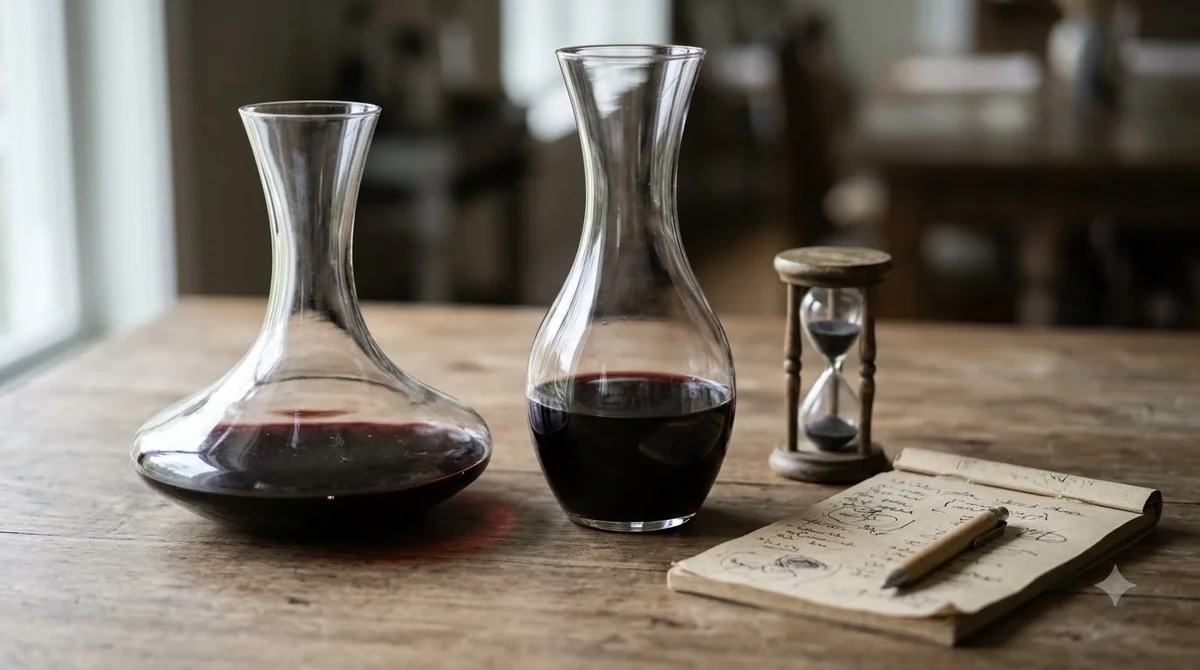
The Line is not the only Kosta Boda design worth considering. The Wave 90 cl offers a shorter, wider alternative with a decorative ripple-patterned base, while the Line provides greater nominal capacity and a taller, narrower profile.
The distinction is mainly about proportions and visual character rather than a proven difference in wine performance. Both are crystal-glass serving vessels, and both require hand washing. The Line’s mouth-blown construction and hand-applied thread are clearly documented, while the Wave is characterized by its contemporary shape and base decoration.
Line 98cl versus Wave 90cl
The Line has a 980 ml capacity, compared with 900 ml for the Wave. That gives the Line an additional 80 ml of nominal capacity. Both can accommodate a standard 750 ml wine bottle, so the difference is more relevant to overall proportions and remaining headspace than to whether one can hold a standard bottle.
The dimensions are quite different. Line measures 270 mm high and 105 mm wide, whereas Wave measures 194 mm high, 130 mm wide and 130 mm long. The Wave is therefore substantially shorter and wider. Buyers with limited vertical cabinet clearance may prefer its proportions, while those who like a taller serving piece may find the Line more appealing.
The decoration is another point of separation. Line uses a hand-applied spun glass thread, while Wave has a ripple pattern across its base. The latter is also described by Kosta Boda as a good match for its Limelight glassware collection.
For complete Wave specifications, consult the official Kosta Boda Wave decanter page. Both designs suit buyers looking for crystal-glass presentation pieces, but neither should be selected on the assumption that its shape has a verified advantage for aerating a particular wine.
Considering historical Kosta Boda designs
Kosta Boda also has a documented history of distinctive decanter designs beyond the currently listed Line and Wave products. The Corning Museum of Glass records a Kosta Boda decanter with stopper and goblet made in Sweden in 1982–1983. That piece has a flattened round body, a cylindrical neck, a cork stopper and a metal top.
Its accompanying goblet has a transparent blue bowl with a yellow-spattered stem and foot. The museum records the complete object as made from glass, cork and metal. It demonstrates how varied the company’s decanter designs can be, but it is a historical museum object rather than a direct specification for the Line 98cl.
Collectors looking at older Kosta Boda pieces should distinguish historical designs from currently listed retail products. Vintage condition, completeness, authenticity and replacement-part availability can all affect the practicality of an older decanter. A piece with an original stopper or accompanying goblet may have a different purpose from a contemporary carafe intended for regular dinner-table service.
Choosing the right shape for your table
For a coordinated modern setting, Line is a natural choice if its thread detail complements the existing glassware. Wave may work better if a shorter, wider silhouette and a decorative base are more important. Buyers should also consider whether their other glassware comes from Line, Limelight or another collection before deciding which design looks most cohesive.
People building a complete table setting can also compare their options in our guide to red wine glasses. Glassware and decanters serve different purposes, but selecting them together can help create a consistent presentation for dinner parties and everyday meals.
Care, Cleaning and Everyday Use
The best way to maintain the Line decanter is to follow Kosta Boda’s hand-washing instructions and avoid treating crystal glass as ordinary dishwasher-safe tableware. Gentle handling, prompt cleaning and careful drying help reduce the risk of accidental damage and visible residue.
Hand-washing procedure
Begin by emptying the decanter promptly after use rather than allowing wine residue to dry inside overnight. Rinse it with lukewarm water, then use a mild dishwashing detergent and a soft cleaning tool. Avoid abrasive pads, scouring powders and aggressive scrubbing around the decorative thread.
Rinse thoroughly so detergent does not remain on the glass. If water droplets or mineral marks appear, dry the exterior with a clean, soft lint-free cloth. Hold the vessel securely with both hands when washing and avoid gripping it tightly by the neck.
Removing wine residue
Red wine can leave visible traces if it remains inside a decanter for an extended period. Prompt rinsing is the simplest preventive measure. For dried residue, use a suitable decanter-cleaning brush only if its shape and size fit the opening and interior without forcing it against the glass.
Cleaning beads may be an option for some decanter shapes, but the manufacturer does not specifically recommend them for this product. Buyers should avoid assuming that a cleaning accessory is suitable merely because it is marketed for crystal decanters. The opening and internal geometry need to accommodate the accessory safely.
Storage between uses
Store the decanter in a stable cabinet where it cannot knock against plates, pans or other glassware. Its 27 cm height means a shelf with adequate clearance is important. A dedicated position can also make it easier to remove and return without disturbing other fragile pieces.
Make sure the vessel is completely dry before putting it away. Storing it with moisture trapped inside can encourage unpleasant odors or visible water marks. If the decanter is not being used frequently, keeping it away from busy cabinet edges and high-traffic areas is a sensible precaution.
Using it for different wines
The Line can serve red or white wine, but serving temperature should be determined by the wine rather than by the vessel. Light reds are generally served around 55–60°F, while fuller-bodied reds are commonly served around 60–65°F. Full-bodied whites are usually served around 50–55°F, and lighter whites around 45–50°F.
For a young, full-bodied red, allowing approximately 30–60 minutes of decanting time can be useful when the wine benefits from air exposure. However, the Line’s published specifications do not establish an exact aeration rate, so the ideal timing depends on the wine and the desired result. A delicate older red may need more cautious handling than a youthful Cabernet Sauvignon.
For a practical serving setup, pair the decanter with appropriately sized wine glasses and keep a separate water carafe available when hosting. Our overview of Glassware Brands can help readers compare design-focused collections and understand how different glassware choices fit a home bar or dining room.
Frequently Asked Questions
These answers address additional buying and usage questions about the Line 98cl, including capacity calculations, product identification and the distinction between a carafe and a specialized wine decanter.
Can the Kosta Boda Line decanter hold a full bottle of wine?
Yes. A standard 750 ml bottle contains 75 cl, while the Line decanter has a nominal capacity of 98 cl. That leaves approximately 23 cl of additional capacity, although it is sensible not to fill a serving vessel to its absolute brim.
Does the Kosta Boda Line decanter come with a stopper?
The official Line 98cl product specifications do not list a stopper as an included accessory. Buyers should therefore avoid assuming that it comes with a fitted lid. It is best treated as an open serving carafe unless the retailer explicitly confirms otherwise.
What does mouth-blown glass mean for this decanter?
Mouth-blown glass is formed through a glassblower’s breath and shaping work rather than being produced solely through a conventional automated molding process. This traditional technique allows the maker to shape the vessel during production. It is a manufacturing description, not a guarantee that the glass is unbreakable or that every individual piece has identical dimensions.
Can the decanter be used for spirits or cocktails?
The manufacturer specifically describes the Line carafe as suitable for wine, water and other serving purposes. Its 980 ml capacity also makes it a possible presentation vessel for certain non-carbonated drinks. However, the official specifications do not establish compatibility with every spirit, cocktail ingredient or storage application.
Is the Kosta Boda Line decanter a collectible item?
The Line series has a documented production history dating to 1982, which may interest collectors of established Scandinavian glassware designs. However, the standard Line 98cl serving carafe should not automatically be considered a limited edition or rare collectible. Collectibility depends on the specific piece, its condition, production details and availability.
The Kosta Boda Line 98cl is a compelling choice for buyers who want a distinctive crystal-glass serving vessel with a practical one-bottle capacity and established Scandinavian design credentials. Its hand-wash-only care and lack of specialized aeration claims are important limitations, but for stylish wine and water service, it offers a thoughtful balance of form and everyday function.
More in Wine Glasses
 Zwiesel Glas Champagne Flutes for Durable Everyday Sparkling WineUpdated Nov 20, 2026
 Vera Wang Crystal Wine Glasses: Design, Quality and Buying AdviceUpdated Nov 20, 2026
 West Elm White Wine Glasses: Compare Designs for Better Everyday Wine ServiceUpdated Nov 20, 2026
 Zalto Stemless Wine Glasses: Discover Their Distinctive DesignsUpdated Nov 20, 2026
 Viski Champagne Glasses That Match Your Style and Sparkling WineUpdated Nov 20, 2026
 Vista Alegre Decanter Review: Crystal Style and Wine ServiceUpdated Nov 20, 2026