

We may earn a commission when you buy through links on this page, at no extra cost to you. Learn more.
This Kirkland Signature wine review finds that Costco’s private-label wines can offer excellent quality and value, particularly when shoppers choose individual bottles by grape variety, region, producer, and vintage. The range includes California Cabernet Sauvignon, Italian Barolo, French Champagne, New Zealand Sauvignon Blanc, and many other styles. Quality is not identical across the collection, however, so knowing which categories to consider and what to look for on the label makes a significant difference.
Kirkland Signature has become an interesting name in American wine retail because it brings wines from established regions and producers into a warehouse-club setting. Some bottles are straightforward everyday choices, while others represent more ambitious regional styles. This guide examines how the range works, which wines deserve attention, how to compare different bottles, and how to make a sensible buying decision without assuming every Kirkland label offers the same experience.
Who This Is For: Costco Wine Shoppers Seeking Quality and Value
Kirkland Signature wine is particularly suitable for shoppers who want recognizable wine styles, practical everyday drinking options, and occasional bottles for special meals without automatically paying premium-winery prices. Its selection spans approachable wines and traditional appellations, making it useful for both newer wine drinkers and people familiar with regions such as Napa Valley, Barolo, and Chianti Classico.
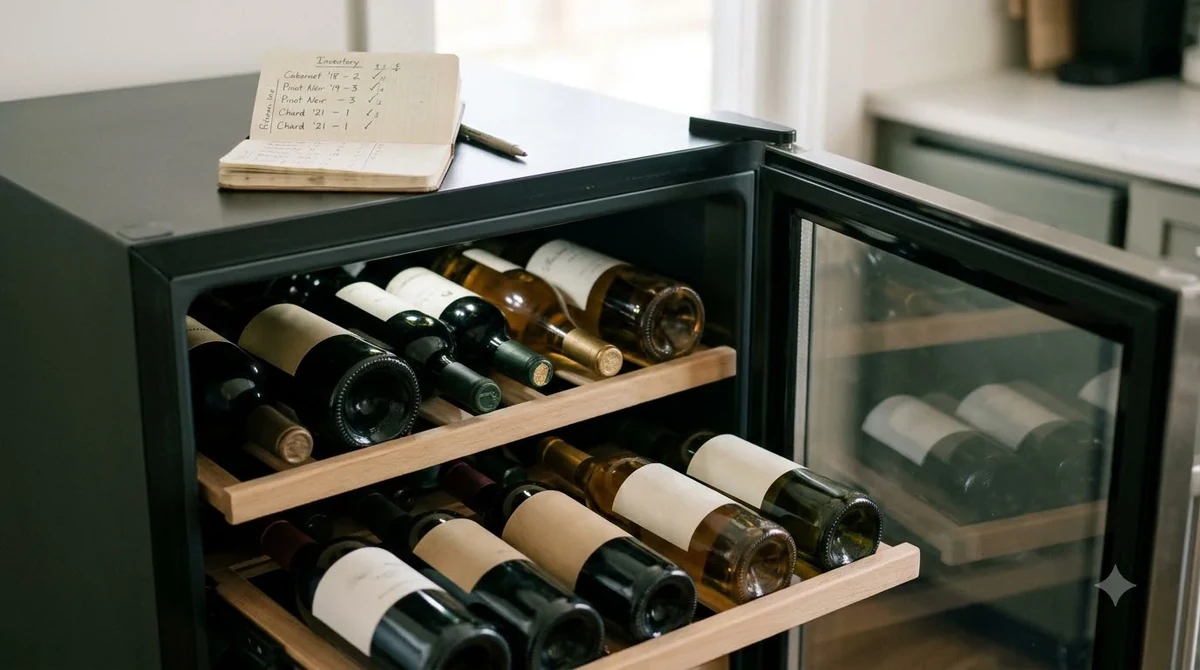
Everyday wine drinkers are an obvious audience. A bottle of Sauvignon Blanc for a casual seafood dinner, Chardonnay for roast chicken, or Cabernet Sauvignon for a weekend steak meal can cover several common occasions. The brand’s international selection also gives curious shoppers an opportunity to explore grapes and regions they might otherwise overlook.
More experienced wine enthusiasts may find the selection interesting for a different reason. Some Kirkland wines identify their winemakers or producers, offering useful information about the people behind the bottle. The San Francisco Chronicle, for example, identified Caiarossa as the producer of a Kirkland Signature Toscana and Ti Point as the winery associated with a Marlborough Sauvignon Blanc. These connections illustrate why private-label wine deserves consideration beyond its front label.
Costco’s buying approach also helps explain the range’s appeal. In an interview with Wine Enthusiast, Costco wine buyer Russell York described how the company considers established suppliers, regional expertise, customer favorites, and emerging trends when selecting wines. The retailer’s purchasing volume and business model help it pursue competitive values across different categories.
However, Kirkland Signature is not necessarily the right choice for someone who wants a consistent relationship with one winery, a specific vineyard, or a carefully documented collection of bottles from the same producer. Individual wines can come from different suppliers, and vintages may change. Shoppers who value a recognizable winemaker’s personal style may prefer buying directly from an established winery.
The broader Wine Brands category can help explain the differences between producer-owned labels, négociant bottlings, and retailer-owned wine brands. Understanding those distinctions makes Kirkland’s business model easier to evaluate.
Key Factors to Compare Before Buying Kirkland Signature Wine
The best way to evaluate Kirkland Signature is to compare individual bottles rather than judge the entire collection as one wine. Region, grape variety, vintage, producer information, and intended drinking occasion are the five most useful starting points.
| Comparison factor | What to examine | Why it matters |
|---|---|---|
| Grape variety | Cabernet Sauvignon, Pinot Noir, Chardonnay, Sauvignon Blanc | Indicates the wine’s likely structure and flavor profile |
| Region | Napa Valley, Columbia Valley, Barolo, Marlborough | Provides clues about regional wine traditions |
| Vintage | Harvest year printed on the bottle | Helps distinguish different releases and growing seasons |
| Producer | Winery, winemaker, importer, or bottler | Provides additional information about sourcing |
| Alcohol content | Percentage of alcohol by volume | Helps anticipate the wine’s general weight and intensity |
| Bottle size | 750 ml standard bottle | Provides a consistent basis for serving calculations |
| Appellation | Specific protected wine region or designation | Indicates geographical origin and production requirements |
| Occasion | Everyday drinking, dinner, celebration, or aging | Helps match the wine to its intended use |
Grape variety is usually the easiest place to begin. Cabernet Sauvignon generally has high tannin and a substantial structure, making it a natural candidate for grilled beef and other rich foods. Merlot is usually softer, while Pinot Noir typically has lower-to-medium tannin and higher acidity. These differences can be more useful than choosing a bottle simply because its region sounds prestigious.
White wines require a slightly different comparison. Sauvignon Blanc generally has high acidity and can show citrus, green fruit, and herbal characteristics. Chardonnay has medium acidity and can range from crisp and restrained to fuller-bodied and influenced by oak. For shoppers who prefer aromatic whites, Riesling and Moscato are also useful varieties to recognize when they appear in the selection.
Regional information is equally important. A Cabernet Sauvignon from Napa Valley should not automatically be judged against a Cabernet from Columbia Valley as if both represented identical styles. Climate, vineyard conditions, grape sourcing, and winemaking decisions can produce noticeably different results.
Producer information adds another layer. Look at the front and back labels for winery names, winemaker details, importer information, and bottling statements. A named producer can help establish a connection between the Kirkland bottle and a winery with its own regional experience. Nevertheless, knowing the producer does not guarantee that the retailer’s bottling will taste exactly like that winery’s flagship wine.
Vintage is particularly important for traditional European wines and age-worthy reds. A change in harvest year can influence ripeness, acidity, tannin, and overall balance. A favorable review of one vintage should not automatically be applied to the next release.
Tip: Compare the grape, appellation, vintage, and producer before considering the Kirkland name. These four details offer a much clearer picture of the wine than the private-label branding alone.
Independent assessments can provide additional context. Wine Enthusiast’s coverage of Costco wines includes evaluations across several regions and categories, illustrating the range of quality available under the same retailer-owned label.
Step-by-Step: How to Choose a Kirkland Signature Bottle
A straightforward selection process helps shoppers avoid confusing an attractive regional designation with a guarantee of quality. Five practical steps can narrow the options and make the final decision more relevant to the occasion.
- Decide on the wine style. Start with red, white, rosé, or sparkling wine. For a steak dinner, consider Cabernet Sauvignon or another structured red. For grilled fish, consider Sauvignon Blanc or Chardonnay. For a celebration, look at the sparkling selection.
- Identify the grape and region. Compare the variety with the appellation. A Marlborough Sauvignon Blanc, for example, offers a different regional expression from a California Chardonnay or an Italian Sangiovese-based wine.
- Examine the vintage and producer. Read both labels and identify any named winery, winemaker, importer, or bottler. If the wine is vintage-dated, treat that particular release as an individual product rather than assuming every year is equivalent.
- Consider independent evaluations. Look for professional reviews that identify the exact wine and vintage. Pay attention to tasting descriptions, acidity, tannin, balance, and structure instead of relying exclusively on an overall score.
- Match the bottle to the meal and occasion. Consider how many people will drink it, whether the wine will be served immediately, and whether its flavor profile suits the food. A light Pinot Noir and a structured Barolo serve different purposes even though both are red wines.
One useful approach is to select a familiar grape for everyday drinking and use a more distinctive regional wine for exploration. Someone who regularly enjoys Cabernet Sauvignon might begin with a Columbia Valley or California bottling before considering a more specialized Tuscan or Piedmontese red.
For a dinner party, think about the full menu rather than the main course alone. Tomato-based dishes benefit from wines with sufficient acidity, while salty and fatty foods can soften tannin. A heavily tannic red is generally less suitable for delicate oily fish, and chili heat can become more pronounced alongside wines with substantial alcohol and tannin.
Independent tasting coverage can also reveal where a particular bottle succeeds or falls short. VinePair’s Kirkland Signature wine coverage provides useful examples of why the individual wine matters: its discussion of different Italian bottlings shows that prestigious regional names alone do not guarantee an enjoyable result.
Finally, remember that a wine’s intended use affects how much research is necessary. A casual bottle for a Tuesday dinner does not need the same level of scrutiny as a wine purchased for a milestone celebration or long-term cellar storage.
Types or Styles Explained: Reds, Whites, and Sparkling Wines
Kirkland Signature covers several familiar wine categories, but the strongest buying opportunities depend on the specific bottling. Understanding the principal styles makes it easier to identify what each category can offer and where shoppers should be more selective.
Cabernet Sauvignon and Other Full-Bodied Reds
Cabernet Sauvignon is one of the most recognizable varieties in the range. It generally offers high tannin, substantial structure, and dark-fruit characteristics. Depending on the region and winemaking approach, flavors can include blackcurrant, blackberry, black cherry, cedar, and spice.
Wine Enthusiast has reviewed Kirkland Signature Cabernet Sauvignon from several California and Washington regions, including Rutherford, Stags Leap District, Columbia Valley, and California more broadly. Its coverage of the Stags Leap District bottling describes dark cherry and plum characteristics, integrated spice, and a substantial tannic structure.
These wines are worth considering for shoppers who enjoy structured reds. However, the differences between appellations matter. A regional designation such as Rutherford or Stags Leap District indicates a more specific origin than a broad California designation, but the exact quality still depends on the individual wine and vintage.
For a meal, pair Cabernet Sauvignon with grilled steak, roast beef, lamb, or hard aged cheeses. Salt and fat can soften the perception of tannin, making these combinations particularly useful. Young, full-bodied reds can benefit from 30 to 60 minutes of decanting before serving.
Pinot Noir and Lighter Red Wines
Pinot Noir offers an alternative for drinkers who prefer more acidity and less tannin. Its fruit profile commonly includes cherry, raspberry, strawberry, and sometimes earthy or savory notes.
The San Francisco Chronicle discussed a Kirkland Signature Russian River Pinot Noir associated with winemaker Alison Crowe and Plata Wine Partners. Its description highlighted cherry and cola characteristics associated with the region, along with a noticeably ripe fruit profile.
Pinot Noir is particularly useful with roast chicken, mushroom dishes, pork, salmon, and dishes that would overwhelm a more heavily structured red. Serve lighter reds around 55 to 60 degrees Fahrenheit rather than at warm room temperature.
Buyers should pay attention to the region and vintage because Pinot Noir can change significantly with growing conditions and winemaking choices. A fruit-forward example may appeal to casual drinkers, while someone looking for earthy, restrained Burgundy-style characteristics may prefer another bottling.
Italian Reds: Barolo, Toscana, and Chianti Classico
Italian wines are among the most interesting categories to investigate in the Kirkland collection. The range has included wines from important regions such as Tuscany and Piedmont, providing access to traditional varieties and appellations.
Barolo is made from Nebbiolo and is known for its high tannin, acidity, floral aromas, and savory complexity. The San Francisco Chronicle discussed a Kirkland Barolo from Serralunga d’Alba, describing earthy and floral characteristics alongside firm tannin. This is a more structured wine than a casual, soft red and is particularly appropriate with braised beef, lamb, and rich mushroom dishes.
Toscana bottlings can offer a different experience, depending on the grape blend and producer. The Chronicle identified Caiarossa as the producer of one Kirkland Signature Toscana. This is a useful example of how the label can connect shoppers with established regional winemaking expertise.
Chianti Classico is another category to recognize. It is based primarily on Sangiovese and generally offers lively acidity, cherry fruit, and savory characteristics. Its acidity makes it a natural companion for tomato-based pasta, pizza, and roasted vegetables.
However, not every Italian bottle will appeal to every drinker. A prestigious appellation can establish expectations, but the actual balance and expression of the wine are what determine whether a particular release is worth selecting.
White Wines: Sauvignon Blanc and Chardonnay
Kirkland Sauvignon Blanc is particularly interesting for shoppers who enjoy fresh, aromatic white wines. The Marlborough example associated with Ti Point is a recognizable option because Marlborough is an established New Zealand Sauvignon Blanc region.
Expect the general style to emphasize citrus, fresh herbs, green fruit, and lively acidity. This profile works particularly well with shellfish, grilled shrimp, goat cheese, salads, and fresh seafood. Serve light whites around 45 to 50 degrees Fahrenheit.
Chardonnay is a broader category with more stylistic variation. California examples can show apple, pear, citrus, tropical fruit, vanilla, and baking spice. Wine Enthusiast described a Kirkland Signature California Chardonnay as concentrated yet dry, with tropical fruit, stone fruit, floral notes, and a dry finish.
Chardonnay is suitable for roast chicken, creamy pasta, seafood, and richer vegetable dishes. Serve fuller-bodied whites around 50 to 55 degrees Fahrenheit so their texture and aromas remain expressive.
Champagne and Prosecco
Sparkling wine provides another reason to explore the Kirkland range. The distinction between Champagne and Prosecco is especially important because these wines differ in origin, grape varieties, production methods, and general flavor profile.
Champagne must come from the Champagne region of France and undergoes its second fermentation in the bottle. The resulting wine can show citrus, apple, toasted bread, and yeast-derived complexity. Kirkland Champagne is a recognizable option for celebrations, although the San Francisco Chronicle’s assessment of a Brut bottling noted that it was less complex than some more expensive examples.
Prosecco is generally made from Glera and uses the tank method, with typical alcohol levels around 11 to 12 percent ABV. It often emphasizes fresh pear, apple, citrus, and floral characteristics. The style is suitable for aperitifs, brunch, and sparkling cocktails.
For shoppers interested in this category, the dedicated Kirkland Signature Prosecco discussion offers a more focused starting point. Those seeking a traditional French sparkling wine can also explore Kirkland Champagne.
Serve sparkling wines around 40 to 50 degrees Fahrenheit. For food pairings, dry sparkling wines work with salty appetizers, fried seafood, and light cheeses. Sweeter sparkling styles are better suited to fruit desserts and other sweet dishes.
Common Mistakes When Buying Kirkland Signature Wine
The most common mistake is treating every bottle with the Kirkland Signature name as if it came from the same winery or followed one consistent production philosophy. The brand covers many producers, regions, and wine styles, so a successful purchase in one category does not establish the quality of every other bottle.
Assuming every bottle has the same quality: A well-reviewed Cabernet Sauvignon does not guarantee that a different vintage of Chianti Classico will be equally appealing. The wines have different producers, grape varieties, and regional requirements. Evaluate each bottling individually.
Choosing a wine only because of its appellation: Names such as Barolo, Brunello di Montalcino, and Napa Valley can create high expectations. However, the regional name is only part of the story. A bottle still needs balanced acidity, suitable tannin, good fruit expression, and an appropriate structure.
Ignoring producer information: Private-label branding can make the original winery less obvious. Look at the back label for producer and bottler information. If the winery is identified, its background may help explain the wine’s regional character. However, do not assume that the producer’s own premium wine and its Kirkland bottling are identical products.
Using an old review to evaluate a new vintage: Vintage-specific reviews describe a particular release. Changes in harvest conditions, fruit sourcing, and production decisions can affect the next bottling. A strong review of one year’s Cabernet should not be treated as a permanent endorsement of all future releases.
Buying only by grape variety: Two Cabernet Sauvignons can be dramatically different. A fruit-forward California example may feel generous and approachable, while a structured Barolo is a different style altogether despite both potentially being paired with rich meals. Consider the region, tannin, acidity, and body as well as the variety.
Expecting identical warehouse selections: Costco’s alcohol assortment can vary by state, warehouse, and distribution conditions. State alcohol regulations also affect where and how Costco can sell wine. A bottle available in one location may not be available in another.
Overlooking food compatibility: High-tannin Cabernet Sauvignon may work beautifully with fatty beef but can overwhelm delicate fish. A high-acid Sauvignon Blanc can be more appropriate for citrus-dressed seafood. Match the wine’s structure to the food rather than choosing solely by color.
Another mistake is buying more bottles than necessary simply because a wine is unfamiliar or appears to represent an attractive value. If a particular Kirkland wine is new to the household, start with a single bottle before deciding whether it deserves a place in regular rotation.
Care and Storage Tips for Getting the Most From Each Bottle
Good storage and serving practices can improve the experience of Kirkland Signature wines, particularly structured reds, aromatic whites, and sparkling bottles. Temperature, light exposure, bottle position, and the time between opening and drinking all matter.
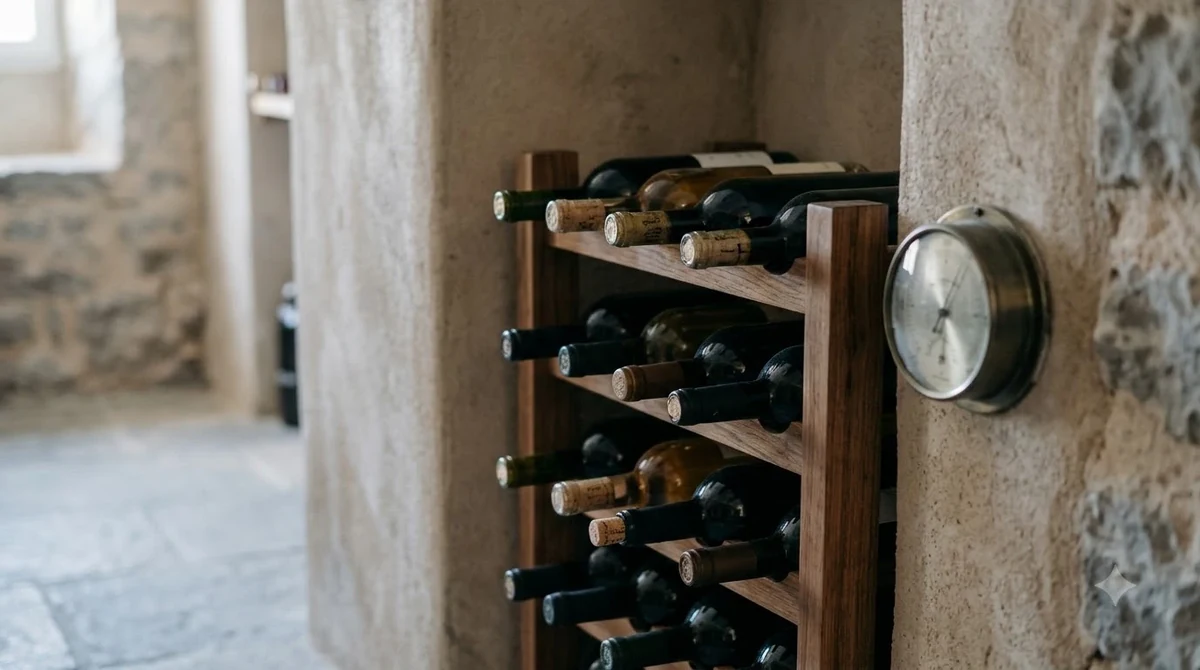
Store unopened bottles correctly. A cool, dark location near 55 degrees Fahrenheit is a useful target for longer-term storage. Keep bottles away from direct sunlight, radiators, kitchen appliances, and large temperature fluctuations. Traditional cork-finished bottles are generally best stored on their sides to keep the cork from drying out.
Serve each style at an appropriate temperature. Temperature affects the way wine expresses aroma, acidity, alcohol, and tannin. Overly warm white wine can seem heavy, while excessively cold red wine can appear closed and more astringent.
- Sparkling wine: 40 to 50 degrees Fahrenheit.
- Light whites and rosé: 45 to 50 degrees Fahrenheit.
- Full-bodied whites: 50 to 55 degrees Fahrenheit.
- Light reds: 55 to 60 degrees Fahrenheit.
- Full-bodied reds: 60 to 65 degrees Fahrenheit.
- Sweet whites: 43 to 50 degrees Fahrenheit.
Use appropriate glassware. A standard wine glass with a bowl that allows some air circulation works for most still wines. Larger bowls are useful for aromatic reds such as Pinot Noir and structured wines such as Barolo. Sparkling wines can be served in tulip-shaped glasses that retain bubbles while providing more room for aromas than narrow traditional flutes.
Measure servings consistently. A standard 750 ml bottle provides approximately five 5-ounce servings. This is useful when planning a dinner party or estimating how many bottles are needed for a meal. The actual number of servings will vary according to pour size.
Preserve opened bottles. Refrigeration slows oxidation and helps maintain freshness. As a general guideline, opened sparkling wines are best consumed within 1 to 3 days, while most opened still wines remain enjoyable for approximately 3 to 5 days when properly resealed and refrigerated. Fortified wines can last several weeks, depending on their style and storage conditions.
For sparkling wines, a suitable sparkling-wine stopper helps preserve carbonation. For still wines, a secure closure reduces unnecessary exposure to air. Returning opened white and red wines to the refrigerator is useful even when the red will eventually be served at a warmer temperature.
Consider the wine’s intended drinking window. Most everyday whites and uncomplicated reds are best enjoyed while fresh rather than held for many years. Structured Barolo, selected Cabernet Sauvignon, and other age-worthy wines may develop additional complexity with appropriate storage, but aging potential depends on the individual bottle rather than the Kirkland label.
Finally, allow a young, full-bodied red around 30 to 60 minutes of decanting when additional aeration is useful. Lighter Pinot Noir generally needs less time. Taste the wine periodically rather than assuming every red requires the same treatment.
Frequently Asked Questions
Does Kirkland Signature wine have its own winery?
No. Kirkland Signature is Costco’s retailer-owned wine label rather than the name of one independent winery. Its wines are sourced through different producers and suppliers, and the original producer may be identified on individual bottle labels. The company therefore does not represent one single winemaking location or estate.
Can nonmembers purchase Kirkland Signature wine at Costco?
Alcohol purchasing rules depend on state law. Some states restrict warehouse-club alcohol sales differently from ordinary retail purchases, and certain locations may allow eligible nonmembers to purchase alcoholic beverages. Contact the local warehouse to confirm its current requirements before visiting.
Does Costco release Kirkland Signature wines throughout the year?
Different wines can appear at different times, and some regional or seasonal bottlings have limited availability. CostcoWineBlog tracks historical release timing for numerous Kirkland wines, making its vintage records useful for shoppers following particular categories. Release patterns are not guarantees that a specific warehouse will receive every bottling.
Are Kirkland Signature wines suitable for wine collecting?
Some structured bottlings may have aging potential, particularly wines made from Nebbiolo or quality Cabernet Sauvignon. Collectors should investigate the specific producer, vintage, storage conditions, and expected drinking window before purchasing multiple bottles. A private-label designation by itself does not establish long-term aging potential.
Does Kirkland Signature offer organic or sustainably certified wines?
Certification is specific to an individual wine and its production. Shoppers interested in organic viticulture or sustainability should look for recognized certification marks and supporting producer information on the particular bottle. It is not appropriate to assume that the entire Kirkland Signature collection follows one shared certification standard.
Kirkland Signature deserves consideration from shoppers who want to explore established wine regions without automatically choosing expensive producer-owned labels. Its greatest strength is the variety of wines available under one accessible retail brand, although individual bottlings can differ considerably in quality and style. Compare the producer, region, grape, and vintage before buying, and choose the bottle that best fits the meal and occasion. That approach makes the Kirkland Signature range much easier to shop with confidence.
More in Wine Brands
 Underwood Wine Price: Compare Bottles, Cans, and Pack SizesUpdated Nov 21, 2026
 Zenato Wine Price: Compare Styles and Choose the Right BottleUpdated Nov 21, 2026
 Zuccardi Wine Price: Compare Bottles and Find the Right RangeUpdated Nov 21, 2026
 Yellow Tail Moscato Review: Taste, Sweetness and Serving TipsUpdated Nov 21, 2026
 Wolf Blass Yellow Label Review: Choose Your Best StyleUpdated Nov 21, 2026
 Wolffer Estate Rose Review: Choose the Right Bottle for Your TableUpdated Nov 21, 2026