

We may earn a commission when you buy through links on this page, at no extra cost to you. Learn more.
Clarksburg wine comes from a small American Viticultural Area in California’s Sacramento Valley, where Delta breezes and cool fog keep the grapes fresher than the hot city nearby would suggest. The region spans parts of Sacramento, Solano, and Yolo counties, and it covers a wide range of grape varieties, from Chardonnay and Sauvignon blanc to Syrah and Tempranillo. Most of the grapes grown here are processed at wineries elsewhere in California, so bottles that carry the Clarksburg name are less common than the vineyards themselves.
If you have seen Clarksburg on a wine label or a shop shelf and wondered what it means, you are not alone. The name refers to a place, not a style, and the region has a distinct character shaped by its soils, climate, and location on the Sacramento River Delta. This guide explains where Clarksburg is, what grows there, and how to choose and serve its wines.
Where Clarksburg Sits on the Map
Clarksburg is an American Viticultural Area, or AVA, in California’s Sacramento Valley. According to Wikipedia’s entry on the Clarksburg AVA, it spans parts of Sacramento, Solano, and Yolo counties, southwest of the city of Sacramento. The area takes its name from the town of Clarksburg in its northern section, and it is a short drive from the state capital.
The Bureau of Alcohol, Tobacco and Firearms established the AVA on January 23, 1984, after a petition from John Baranek of Clarksburg Vintners & Growers. The original area covered 64,640 acres. A 2022 expansion added roughly 27,945 acres in Sacramento and Solano counties, bringing the total to 92,585 acres, and the sub-appellation of Merritt Island sits within it. Planted vineyards cover more than 10,000 acres.
The expansion mattered because it recognized vineyards around Grand and Ryer Islands, which had been part of the Delta landscape for a long time. For a wine region, boundaries matter because they determine which grapes can carry the Clarksburg name on a label. Knowing the boundary helps you read a bottle more accurately, especially when a producer uses a broader California appellation.
If you enjoy comparing a Delta-influenced region with a more mountain-based area, our guide to Hunter Valley wine offers a useful contrast in climate and terrain. For a broader view of how wine regions differ, the Wine Regions guide explains the main factors behind those differences.
Soil and Climate Shape the Wine
The soils in Clarksburg are dense clay, silt, and loam. Sources describe them as delta soils with high organic matter, and the region depends on networks of ditches and canals to lower the water table. Some vineyards in the basin and backswamp areas also need tile drains to keep the roots healthy. This is not ideal soil for every vine, which is one reason the region’s plantings are carefully chosen.
The climate is cooler than many people expect for a valley so close to a major city. The area is classed as Region IV on the Winkler scale, with a growing season of about 281 days and around 18 inches of annual rainfall. Fog and cool breezes from San Francisco Bay help keep the region cooler than Sacramento itself. Those low growing-season minimum temperatures help grapes hold their acidity, which gives the wines a sense of freshness.
The Grapes Grown in Clarksburg
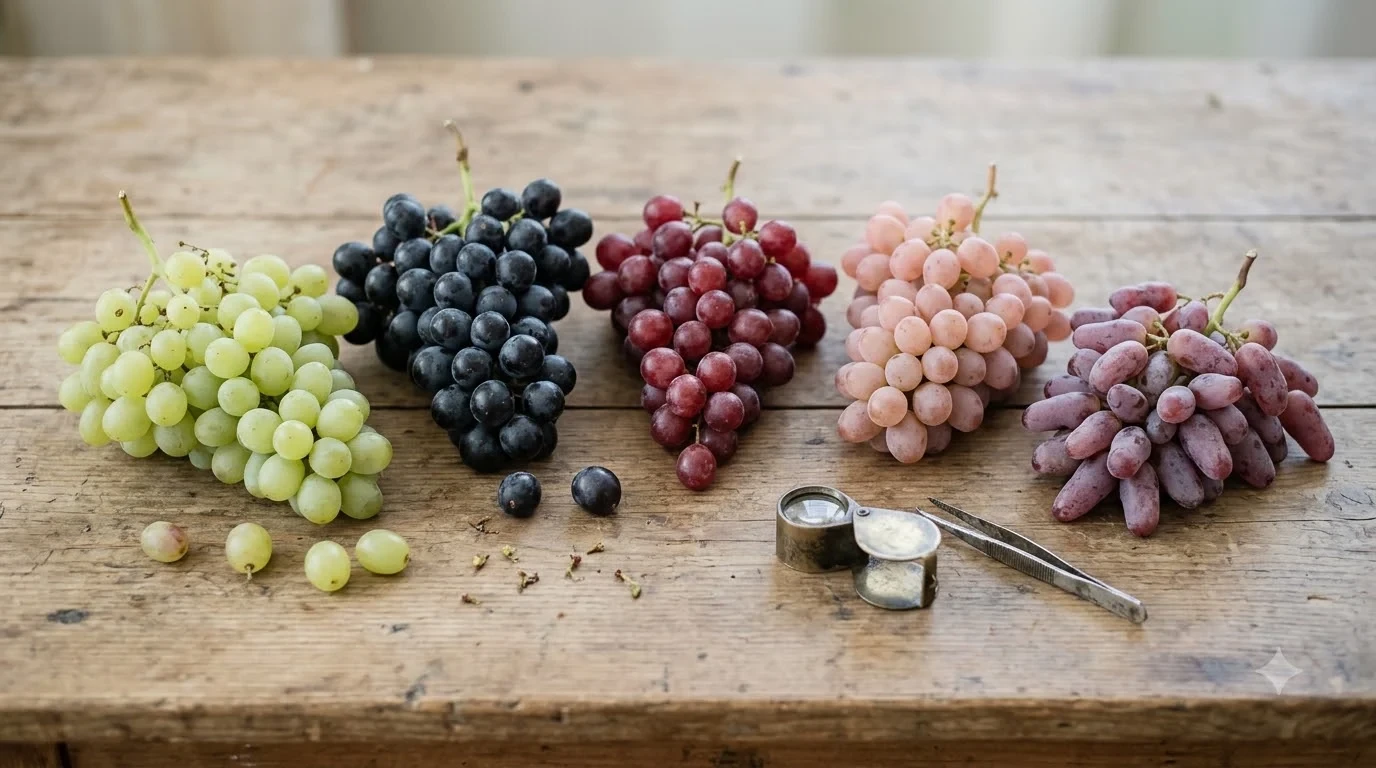
Clarksburg vineyards grow a broad mix of varieties. The AVA’s own reference lists 17 varieties, including Albariño, Cabernet Sauvignon, Chardonnay, Chenin Blanc, Gewürztraminer, Grenache blanc, Malvasia, Merlot, Orange Muscat, Petite Sirah, Pinot gris, Riesling, Sauvignon blanc, Syrah, Tempranillo, Verdelho, and Viognier. That range is wider than many single-variety regions, and it gives winemakers plenty of room to experiment.
| Style group | Example varieties from the region | What to expect |
|---|---|---|
| Crisp whites | Sauvignon blanc, Chenin Blanc, Albariño | Bright acidity and a fresh, clean finish |
| Rich whites | Chardonnay, Viognier, Gewürztraminer | Fuller texture and aromatic character |
| Structured reds | Cabernet Sauvignon, Merlot, Petite Sirah | Firmer tannins and deeper fruit |
| Spicy and Mediterranean reds | Syrah, Tempranillo, Grenache blanc (white) | Savory notes and a food-friendly structure |
The region’s mix of soils also explains why one vineyard can taste different from its neighbor. Delta soils hold moisture and nutrients differently than the gravel or volcanic soils found in many famous regions, so the same grape can show a softer or more textured profile here. Producers in the area often talk about the soil and the breezes in their own tasting notes, and reading those notes can help you understand what you are drinking.
Because so many grapes are grown here, the best way to understand Clarksburg is to taste a few different styles. A crisp white from one producer and a structured red from another will show you how the region can express itself across the glass.
Tip: Clarksburg wine is often blended or sold under a broader California label. If you want a bottle that clearly shows the Clarksburg AVA, check the label for the appellation name.
Visiting and Buying Clarksburg Wine
Enjoy Clarksburg, the regional tourism site, describes the area as uncrowded and unspoiled, with scenic country roads, sprawling vineyards, oak trees, and views of the Delta. It also notes that warm summer days are cooled by the Delta Breeze in the evenings. The site lists wineries including Three Wine Company, Bogle Family Vineyards, Elevation Ten Winery, Julietta Winery, Heringer Estates, Kirchhoff Wines, Scribner Bend Vineyards, Grand Island Vineyards, Clarksburg Wine Company, and Fellow Wines, which gives visitors a starting point for planning a route.
The region’s proximity to Sacramento makes it practical for a day trip. Check each winery’s hours and whether it needs a reservation before you go, since tasting formats differ. Many visitors combine a tasting with a meal, and a regional map from the tourism site can help you link several stops in one afternoon.
Serving and Pairing Clarksburg Wine
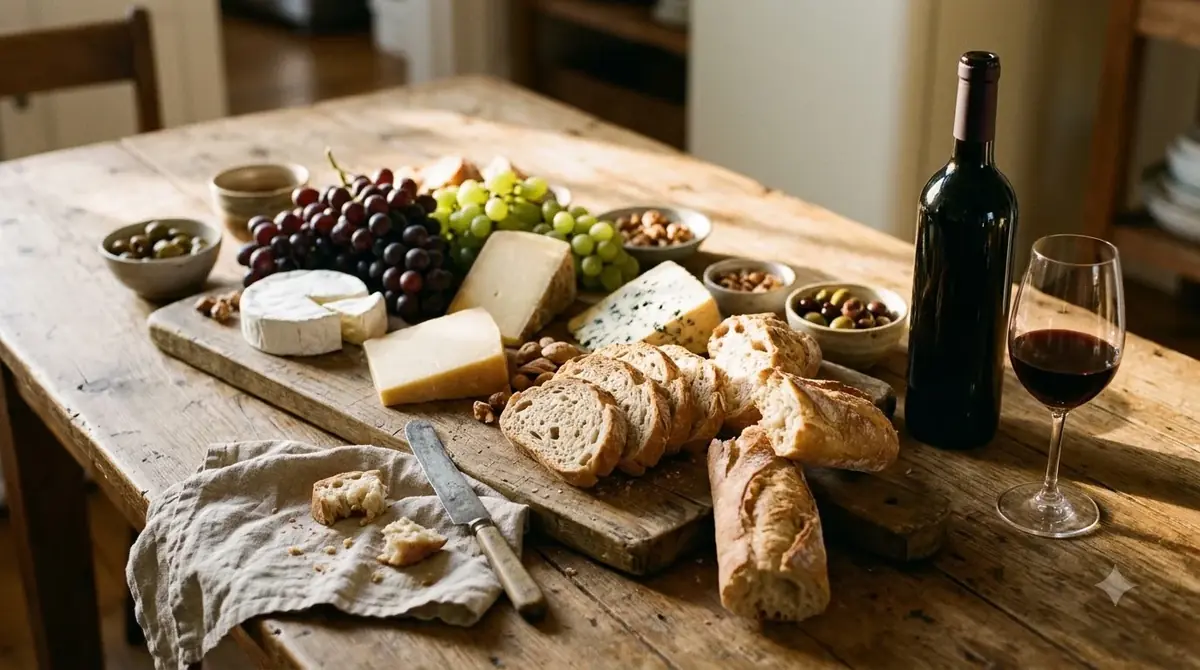
The right serving approach depends on the style you pour. Crisp whites are best well chilled but not icy, which lets their fruit and acidity come through. Richer whites can take a little more warmth. Reds such as Syrah and Tempranillo are usually best slightly below room temperature, and a short rest in a cool room before serving can help.
Pairings follow the same logic as with any wine. Sauvignon blanc and Albariño suit seafood and fresh salads. Chardonnay and Viognier pair well with roasted chicken and creamy sauces. Cabernet Sauvignon and Merlot go with grilled meats, while Syrah and Tempranillo match well with roasted vegetables and Mediterranean-style dishes. Match the wine’s weight to the food first, then consider acidity and tannin.
Always drink responsibly and pace your glasses with food and water. A glass or two with a meal is the normal way most people enjoy wine.
Frequently Asked Questions
Is Clarksburg a single wine style?
No. Clarksburg is a place, not a style. The AVA’s vineyards grow a wide range of varieties, from crisp whites to structured reds, so the wines can differ a lot from one producer to the next.
Why is Clarksburg wine hard to find?
According to the AVA’s reference, about 90 percent of the grapes grown here are processed at wineries elsewhere in California. As a result, relatively few bottles carry the Clarksburg name on their labels.
What makes Clarksburg’s climate different?
Fog and cool breezes from San Francisco Bay help keep the area cooler than Sacramento. The growing-season temperatures help grapes keep their acidity, which gives many wines a fresh character.
Can I visit Clarksburg wineries from Sacramento?
Yes. The region is only a short drive from Sacramento, which makes it a practical day trip. Confirm hours and reservation rules with each winery before you travel.
Clarksburg is a region worth learning once you know its quirks. Start with a crisp white and a structured red from different producers, then compare them with the AVA’s soils and climate in mind. To explore more wine regions and how they compare, visit our Hermann wine trail guide or the Wine Regions overview.
More in Wine Regions
 Willcox Wine Trail: Discover Arizona’s High-Elevation Wine CountryUpdated Nov 20, 2026
 Yakima Valley Wine Region: Find the Best Styles to TryUpdated Nov 20, 2026
 Vosne Romanee Wine Tasting: Identify Aromas and Choose Better PairingsUpdated Nov 20, 2026
 Yakima Valley Wine Festival: Find the Best Seasonal Wine EventsUpdated Nov 20, 2026
 Wales Vineyards: Discover Cool-Climate Wines and Where to VisitUpdated Nov 20, 2026
 Yountville Wine Festival: Discover Napa Wines and Local FoodUpdated Nov 20, 2026