

We may earn a commission when you buy through links on this page, at no extra cost to you. Learn more.
Clarksburg vineyards are known for producing distinctive Chenin Blanc and other expressive wines in California’s Sacramento River Delta, where fertile alluvial soils and cooling maritime breezes help grapes develop ripe flavors while retaining freshness. The Clarksburg AVA spans portions of Yolo, Sacramento, and Solano Counties, offering a diverse selection of white and red wines. Chenin Blanc remains its signature variety, while Chardonnay, Sauvignon Blanc, Petite Sirah, and Merlot demonstrate the region’s broader potential. Understanding the climate, soils, grape varieties, and local wineries makes it easier to appreciate what distinguishes this California wine region.
California wine country is often associated with Napa Valley and Sonoma County, but the Sacramento River Delta offers a different experience. Clarksburg combines a long agricultural history, relatively flat vineyard landscapes, and a distinctive growing environment influenced by waterways and cool evening air. Its wines offer an appealing combination of ripe fruit, freshness, and approachable structure. For wine enthusiasts interested in discovering less familiar American appellations, Clarksburg deserves a closer look.
Where Clarksburg Vineyards Are Located and What Defines the AVA
Clarksburg is a federally recognized American Viticultural Area in California’s Sacramento River Delta. Established in 1984, the appellation is distinguished by its agricultural landscape, network of waterways, and maritime influences that create growing conditions different from those found in many neighboring inland vineyards.
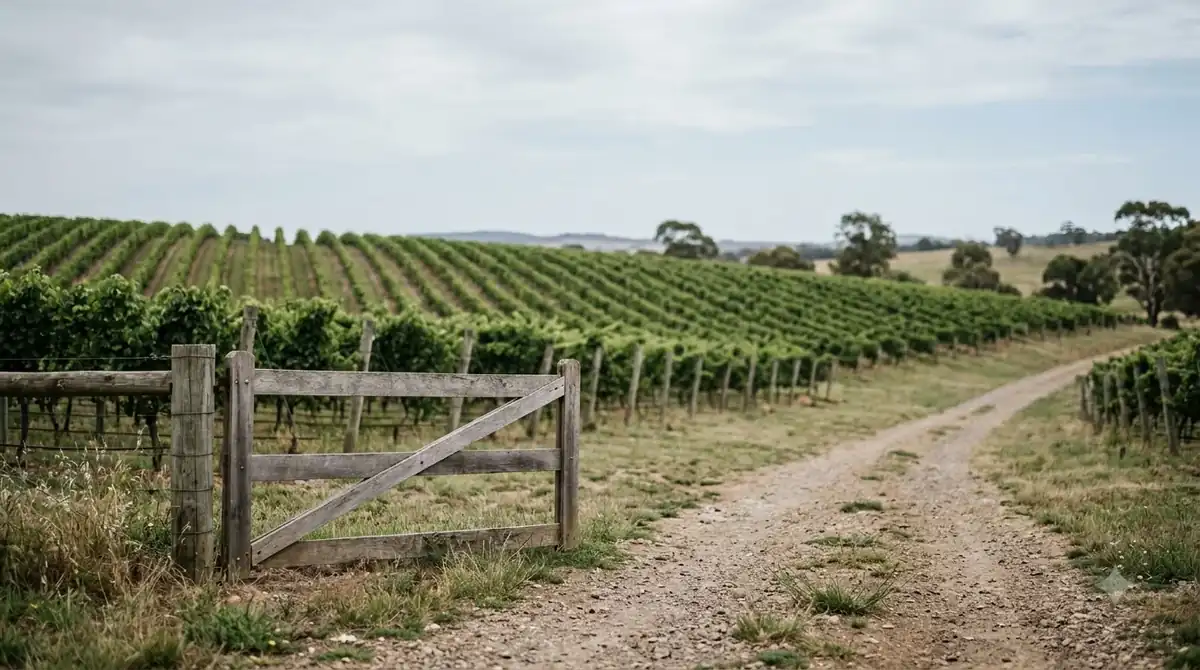
The appellation extends across portions of Yolo, Sacramento, and Solano Counties, southwest of Sacramento. Its location places vineyards within an extensive delta landscape shaped by the Sacramento River and its tributaries. Rather than steep hillsides and mountainous vineyard blocks, Clarksburg is characterized by relatively level farmland, river channels, levees, orchards, and cultivated fields.
The geographical measurements associated with Clarksburg vary slightly between historical and current descriptions. The original federal designation described an area of approximately 101 square miles, or 64,640 acres, measuring about 16 miles long and eight miles wide. The Clarksburg Wine Growers Association describes the appellation as approximately 56,900 acres. These figures reflect different published descriptions and should not be confused with the actual acreage planted to wine grapes.
The region’s wine-growing identity developed alongside its agricultural history. The Sacramento Delta was an important farming area long before its reputation for wine became established. Its waterways, fertile farmland, and transportation connections supported a wide range of agricultural operations.
Vineyard development eventually gave the area a more specialized agricultural identity. Chenin Blanc became particularly important, helping distinguish Clarksburg from other California growing areas. The variety’s ability to retain refreshing acidity while developing ripe fruit flavors made it a natural fit for the Delta’s growing conditions.
Clarksburg received official AVA recognition in 1984, giving wineries and grape growers a geographically defined appellation to identify the origin of their fruit. The federal designation was intended to distinguish the geographical origin of grapes rather than certify a particular standard of wine quality. The original rule can be read in the federal Clarksburg AVA designation.
The regional agricultural community remains important to the appellation. Growers supply grapes to wineries within and outside Clarksburg, helping connect the Delta’s vineyards with the wider California wine industry. Some fruit becomes wine labeled with the Clarksburg appellation, while other grapes are used by producers identifying their wines with different geographical origins, subject to applicable labeling regulations.
Clarksburg’s location is also useful for understanding its visitor appeal. Its proximity to Sacramento makes it a practical wine-country destination for people exploring California’s capital region. The surrounding Delta landscape offers a quieter alternative to the more heavily visited wine destinations elsewhere in Northern California.
Delta Climate, Cool Evening Breezes, and Growing Conditions
Clarksburg has a warm growing season moderated by cool maritime influences from the Sacramento River Delta and San Francisco Bay. Warm daytime temperatures encourage grape ripening, while cooler evenings help preserve acidity and aromatic freshness in varieties such as Chenin Blanc and Sauvignon Blanc.
The region’s temperature pattern is one of its defining characteristics. Grapevines receive substantial daytime warmth, supporting sugar accumulation and the development of ripe fruit flavors. However, the Delta’s waterways and evening breezes help prevent the growing environment from behaving like a consistently hot inland location.
The difference between Clarksburg and nearby Sacramento can be significant. The original federal appellation description noted that Sacramento is normally eight to ten degrees warmer than Clarksburg on a hot summer day. This temperature difference illustrates the influence of the Delta’s maritime air on vineyard conditions.
These changing temperatures can be particularly beneficial for white grape varieties. Chenin Blanc needs enough warmth to develop its characteristic fruit profile, but maintaining acidity is equally important for producing balanced wine. The cooling influence of the Delta helps provide conditions in which both qualities can develop.
The breeze also contributes to vineyard conditions beyond temperature. Air movement through the canopy can help reduce stagnant, humid conditions around grape clusters. Vineyard managers still need to monitor canopy density, irrigation, and disease pressure, but natural airflow is a useful component of site management.
The growing season is generally long and dry. This allows vineyard managers to make decisions about harvesting based on grape maturity, flavor development, and acidity rather than relying exclusively on a narrow harvest window. Different grape varieties and vineyard sites can therefore be picked at different stages to achieve their intended wine styles.
Harvest timing is especially important with Chenin Blanc. Earlier picking can emphasize crisp citrus and green fruit characteristics, while additional ripening can produce fuller flavors of pear, melon, and stone fruit. The desired balance depends on the winemaker’s approach and the particular vineyard conditions.
Red varieties also benefit from the combination of daytime warmth and nighttime cooling. Merlot and Petite Sirah can develop substantial fruit character, while careful harvest decisions help maintain freshness. The resulting wines can offer a different expression from those produced in substantially hotter inland California locations.
It is important not to assume that every Clarksburg wine will have identical acidity or alcohol levels. Vintage conditions, harvest dates, vineyard management, and winemaking choices all influence the final result. The Delta climate provides a useful foundation, but individual bottles still reflect their producers and growing sites.
For consumers, the most practical characteristic to look for is balance. A well-made Clarksburg white often combines ripe fruit with refreshing acidity, while its reds can show generous fruit without necessarily becoming heavy or overly alcoholic.
Delta Soils, Alluvial Deposits, and Vineyard Management
Clarksburg’s soils reflect its position within a river delta and the agricultural history of the surrounding land. Alluvial deposits, clay, silt, and loam contribute to the region’s varied growing conditions, while drainage and irrigation management play important roles in successful vineyard production.

Alluvial soils develop from material transported and deposited by flowing water. Over long periods, rivers carry sediment from surrounding landscapes and distribute it across floodplains and delta environments. Clarksburg’s agricultural land reflects this geological process.
Clay and clay loam are particularly relevant to vineyard management because these soils can retain considerable moisture. This can be beneficial during dry periods, but excessive water retention can also create drainage challenges. Growers must understand the characteristics of individual vineyard blocks rather than assuming that all soils behave identically.
Silt and loam contribute additional variation in soil structure. The proportions of clay, sand, silt, and organic material influence water movement, nutrient availability, and root development. These characteristics help determine how growers manage irrigation and maintain healthy vines throughout the season.
Drainage is an important consideration in the Delta. The original federal AVA designation specifically identified poorly drained clay and clay loam soils as characteristic features. Low-lying agricultural areas require careful water management, and vineyard sites may need drainage infrastructure, appropriate row arrangements, and raised planting areas to manage excess moisture.
Growers must consider both the water-retention capacity of their soils and the natural drainage of each vineyard block. Clay-rich sites may retain water longer than sandier locations, while individual blocks can vary depending on soil depth and composition. The objective is to provide sufficient moisture for healthy vine growth without encouraging excessive vegetative development.
Vineyard canopy management is another important practice. Leaf removal can improve air circulation around grape clusters and adjust the amount of sunlight reaching the fruit. Shoot thinning and crop management help growers control vine vigor and encourage more consistent ripening.
Vinum Cellars describes leaf-pulling and fruit and shoot removal among the practices used at Wilson Family Farms. These techniques help improve airflow and allow growers to influence the fruit characteristics desired by individual winemakers.
These practices are especially relevant for Chenin Blanc, where preserving acidity while achieving mature flavors is a central objective. Appropriate exposure, balanced crop levels, and thoughtful irrigation help growers produce fruit suited to different winemaking styles.
Clarksburg’s soils should not be treated as a single uniform terroir. Individual vineyards can differ in texture, drainage, water availability, and other characteristics. Two wines carrying the same appellation designation may therefore express different fruit profiles and textures because their grapes come from different sites.
For wine drinkers, these differences are part of the region’s appeal. Comparing bottles from different Clarksburg producers can reveal variations in freshness, body, fruit intensity, and texture even when the wines are made from the same grape variety.
Chenin Blanc and the Other Grapes Grown in Clarksburg
Chenin Blanc is Clarksburg’s signature grape, recognized for its ability to combine ripe fruit flavors with lively acidity in the Delta climate. The appellation also grows Chardonnay, Sauvignon Blanc, Merlot, Petite Sirah, Syrah, Cabernet Sauvignon, and other varieties that contribute to its diverse wine selection.
Chenin Blanc is particularly important because it reflects the relationship between the region’s climate and its agricultural history. The grape can produce several different styles depending on harvest timing, fermentation choices, and residual sugar. In Clarksburg, it is commonly associated with fresh, approachable white wines that emphasize fruit and acidity.
Typical Chenin Blanc aromas and flavors include:
- Green apple and pear.
- Lemon, lime, and citrus blossom.
- Melon and white peach.
- Honey and floral notes in riper or more developed expressions.
- Mineral and herbal nuances depending on vineyard and production choices.
Dry Chenin Blanc is particularly versatile. Its acidity makes it suitable for seafood, poultry, salads, and dishes containing fresh herbs. Some producers also make wines with a softer texture or a touch of residual sweetness, providing additional pairing possibilities.
The grape also offers winemakers considerable flexibility. Fermentation in stainless steel can preserve crisp fruit and aromatic freshness, while aging in neutral oak or other vessels can contribute additional texture without necessarily making the wine taste heavily oaked.
Chardonnay offers another important expression of Clarksburg’s white-wine potential. Depending on the winemaking approach, it can show apple, pear, citrus, and stone fruit flavors. Stainless-steel fermentation generally emphasizes freshness and direct fruit character, while oak aging can introduce creamier textures, vanilla, toast, and additional weight.
Sauvignon Blanc is another useful variety to explore. Its naturally high acidity supports refreshing wines with citrus, green fruit, and herbal characteristics. These qualities make it a natural choice for warm-weather drinking and dishes featuring shellfish, fresh vegetables, and citrus-based sauces.
Among red varieties, Merlot is known for its relatively soft tannins and flavors of plum, cherry, and blackberry. Clarksburg Merlot can be approached as an accessible red for everyday meals, particularly when the wine emphasizes fruit rather than extensive oak influence.
Petite Sirah provides a more substantial red-wine option. It is associated with deep color, concentrated dark fruit, and considerable tannin. These characteristics make it suitable for drinkers who enjoy fuller-bodied reds with grilled meats and hearty dishes.
Syrah and Cabernet Sauvignon add further diversity. Syrah can show dark berries, pepper, and savory notes, while Cabernet Sauvignon is generally more structured, with firmer tannins and blackcurrant characteristics. Both benefit from appropriate serving temperatures and food choices that complement their structure.
The Clarksburg Wine Growers Association identifies more than 25 varieties in its appellation description. Chardonnay, Merlot, Chenin Blanc, Sauvignon Blanc, Petite Sirah, Syrah, Zinfandel, Viognier, Cabernet Sauvignon, and Pinot Gris are among the varieties it names. This range demonstrates that Clarksburg should not be viewed exclusively as a Chenin Blanc appellation.
| Grape variety | Typical wine character | Useful food pairing | General structure |
|---|---|---|---|
| Chenin Blanc | Apple, pear, citrus, melon | Seafood, poultry, salads | Fresh acidity |
| Chardonnay | Apple, citrus, peach | Roast chicken, creamy pasta | Medium acidity |
| Sauvignon Blanc | Citrus, herbs, green fruit | Goat cheese, shellfish | High acidity |
| Merlot | Plum, cherry, blackberry | Roast pork, burgers | Medium, softer tannins |
| Petite Sirah | Blackberry, dark plum, spice | Grilled beef, barbecue | Full-bodied, firm tannins |
| Syrah | Blackberry, pepper, savory spice | Lamb, grilled vegetables | Medium-plus to high tannin |
| Cabernet Sauvignon | Blackcurrant, dark cherry, cedar | Steak, braised beef | High tannin |
These descriptions represent typical grape characteristics rather than guarantees about every Clarksburg bottle. Ripeness, vineyard location, fermentation, oak treatment, and blending all affect the finished wine. Exploring several varieties is one of the best ways to understand the appellation beyond its signature Chenin Blanc.
Clarksburg Wine Styles, Food Pairings, and Serving Temperatures
Clarksburg wines are generally approachable at the table, with refreshing whites and fruit-forward reds offering several pairing opportunities. The best matches depend on acidity, sweetness, body, and tannin rather than simply choosing a wine based on its color.
Chenin Blanc is a particularly flexible food wine. Its acidity can complement seafood, while its fruit character works with lightly seasoned poultry and vegetable dishes. A dry expression is especially useful with grilled shrimp, roast chicken, and salads dressed with lemon or vinaigrette.
When serving Chenin Blanc with acidic food, match the food’s acidity with an equally fresh or more acidic wine. A sharply acidic citrus dressing can make a softer wine seem flat. The same principle applies to Sauvignon Blanc, whose naturally high acidity can handle lemon-based sauces and tangy ingredients.
Chardonnay offers a different pairing direction. Its medium acidity and potentially fuller texture make it suitable for roast chicken, creamy pasta, and dishes featuring mushrooms. A more oak-influenced style can work particularly well with grilled poultry or richer preparations.
Merlot is a practical choice for meals featuring pork, roast vegetables, and moderately rich meat dishes. Its softer tannins make it less demanding than Cabernet Sauvignon or Petite Sirah, particularly when served alongside foods that do not contain substantial protein or fat.
For more structured reds, consider the interaction between tannin and food. Salt and fat can soften the perception of tannin, making Petite Sirah and Cabernet Sauvignon more comfortable alongside grilled beef, lamb, and rich braised dishes.
Spicy dishes require more attention. Alcohol and tannin can intensify the perception of chili heat, so heavily peppered or spicy foods may be difficult matches for powerful reds. A fresher white with modest alcohol and a little residual sweetness can often work better.
Oily fish such as salmon and tuna generally pair more comfortably with white wines or lighter reds than with strongly tannic reds. A fresh Chenin Blanc can be a particularly useful option, especially when the fish is prepared with herbs, citrus, or a light butter sauce.
Sweetness is another important consideration. A wine served with dessert should be at least as sweet as the dessert itself. A dry Clarksburg white can taste sour or thin beside a very sweet cake, while a fruit-based dessert with moderate sweetness may work with a softer wine style.
Recommended serving temperatures
Temperature influences the way wine expresses acidity, fruit, alcohol, and tannin. Serving Clarksburg wines at suitable temperatures helps maintain balance and makes their individual characteristics easier to appreciate.
- Chenin Blanc and Sauvignon Blanc: 45–50 F.
- Fuller-bodied Chardonnay: 50–55 F.
- Light-bodied reds: 55–60 F.
- Full-bodied Petite Sirah and Cabernet Sauvignon: 60–65 F.
Very cold white wine can conceal aromatic detail, while excessively warm red wine can make alcohol seem more prominent. A few minutes outside the refrigerator or a short period in a cool room can make a meaningful difference.
Tip: Serve a fresh Clarksburg Chenin Blanc at approximately 47 F with grilled shrimp, lemon, and fresh herbs. For a fuller Petite Sirah, aim for approximately 62 F and pair it with grilled beef or slow-cooked short ribs. These temperatures provide a practical starting point for enjoying the wines without suppressing their aromas or structure.
For an informal tasting, use a standard 5-ounce pour. A 750-milliliter bottle provides approximately five glasses, making it easy to compare two or three varieties without pouring excessive quantities.
After opening, store still wines in the refrigerator and use a suitable closure. Most opened still wines remain enjoyable for approximately three to five days, although freshness depends on the wine, storage conditions, and exposure to oxygen.
For additional pairing ideas and regional comparisons, explore our guides to Chianti Classico vineyards and Tasmania vineyards. These regions provide useful contrasts in climate, grape varieties, and wine styles.
Wineries, Tasting Experiences, and Visiting Clarksburg
Clarksburg offers a relaxed wine-country experience built around small-town agriculture, local wineries, and the Sacramento Delta landscape. Visitors can explore established family wineries, tasting rooms at the Old Sugar Mill, and outdoor activities that provide a broader appreciation of the region.
One notable destination is Heringer Estates Family Vineyards & Winery. The Yolo County Vineyard & Winery Association identifies the Heringer family as a seventh-generation farming family with roots in Clarksburg dating to 1868. The winery is known for its estate vineyards and certified sustainable growing practices.
Heringer Estates is an interesting starting point for visitors who want to understand the connection between wine production and the area’s agricultural heritage. Its multi-generational history illustrates how farming traditions have contributed to the development of the appellation.
Another destination is Elevation Ten Winery, located at the historic Old Sugar Mill. Founded by three local families, Elevation Ten focuses on approachable wines that showcase Clarksburg fruit. The location makes it a useful stop for people interested in exploring the area’s wine offerings in a concentrated setting.
The Old Sugar Mill is especially convenient because several winery tasting experiences are available within the same historic property. Instead of spending an entire day driving between distant vineyard locations, visitors can explore different producers in one place. It provides an opportunity to compare varieties and winemaking approaches without making a complicated itinerary.
Before visiting, confirm tasting availability and current opening hours directly with the individual wineries. Some tasting rooms operate on particular days, and reservations may be necessary for certain experiences or larger groups. A little planning helps prevent unnecessary travel between locations.
Clarksburg also offers activities beyond wine tasting. The Yolo County Vineyard & Winery Association identifies Sacramento River cruises, cycling, hiking, and Saturday markets as regional visitor activities. These experiences provide a way to appreciate the area’s agricultural character and waterways rather than spending the entire visit indoors.
The Delta landscape is a distinctive part of the experience. Levees, agricultural fields, orchards, and river channels create a different setting from the rolling vineyard hills of many California wine destinations. Visitors interested in regional geography and farming may find this aspect particularly appealing.
A sensible first visit can be organized around two or three winery experiences rather than trying to cover every producer. Start with a tasting at the Old Sugar Mill, arrange a separate visit to a family winery such as Heringer Estates, and leave time for exploring the surrounding countryside.
For visitors staying in Sacramento, Clarksburg can work well as a day trip. It is also possible to combine the area with a wider exploration of Yolo County wine country. Those planning a longer California wine itinerary may want to compare the Delta’s growing conditions with other destinations covered in our Wine Regions collection.
The most rewarding visits are those that include some variety. Taste a dry Chenin Blanc, compare it with Chardonnay or Sauvignon Blanc, and then explore a red such as Merlot or Petite Sirah. This approach provides a practical introduction to the range of wines associated with the appellation.
How to Choose, Store, and Explore Clarksburg Wines
Choosing a Clarksburg wine is easiest when you begin with the grape variety and the style you prefer. Chenin Blanc is the natural starting point for understanding the appellation, but Chardonnay, Sauvignon Blanc, Merlot, and Petite Sirah offer different expressions of the Delta growing environment.
If you prefer crisp, refreshing whites, start with Chenin Blanc or Sauvignon Blanc. Chenin Blanc often offers a combination of apple, pear, citrus, and melon, while Sauvignon Blanc tends toward sharper citrus and herbal characteristics. Both are useful choices for seafood and lighter meals.
For a richer white, consider Chardonnay. Look for descriptions that indicate stainless-steel fermentation if you prefer fresh fruit and a cleaner texture. Wines that receive oak aging may offer additional weight and notes of vanilla, toast, and spice.
Red wine drinkers have several options. Merlot is a sensible starting point for those who prefer softer tannins and approachable fruit. Petite Sirah is more appropriate for people who enjoy deep color, concentrated dark fruit, and a firmer structure.
Cabernet Sauvignon is another choice for drinkers who prefer stronger tannins and a more structured finish. Its natural characteristics make it especially suitable for meals with grilled or roasted red meat.
When comparing bottles, consider the following factors:
- Grape variety: Start with Chenin Blanc to understand the region’s signature white wine.
- Winemaking approach: Compare stainless-steel and oak-aged wines to identify your preferred texture.
- Acidity: Look for fresh, balanced acidity in whites intended for food pairing.
- Body: Choose lighter whites and reds for delicate meals, and fuller wines for richer dishes.
- Producer: Compare wines from different wineries to discover differences in vineyard sourcing and style.
Proper storage is important after selecting a bottle. Keep unopened wine away from direct sunlight, heat sources, and major temperature fluctuations. A consistent storage temperature near 55 F is a useful target for maintaining wine quality.
Bottles sealed with natural cork are generally stored on their sides to keep the cork from drying out. Avoid storing wine near ovens, radiators, or windows where temperatures can fluctuate considerably.
Once opened, reseal the bottle and refrigerate it. Even red wines benefit from refrigeration after opening because cooler temperatures slow the oxidation process. Allow red wine to warm slightly before serving again.
Young, full-bodied reds can benefit from decanting for approximately 30–60 minutes. This can help open up aromas and soften the initial impression of a structured wine. Lighter reds and fresh whites generally need less preparation.
Exploration should not stop with one appellation. Comparing Clarksburg with other wine regions can reveal how geography influences grape selection, acidity, ripeness, and traditional styles. For example, Uruguay vineyards offer an interesting contrast in South American wine-growing conditions and grape varieties.
For Clarksburg, however, Chenin Blanc remains the most revealing first purchase. It connects the region’s agricultural history, Delta climate, and contemporary winemaking identity in a single glass. Once you understand that grape, the appellation’s other varieties become easier to explore and appreciate.
Frequently Asked Questions
Is Clarksburg part of Napa Valley?
No. Clarksburg is a separate American Viticultural Area in the Sacramento River Delta, while Napa Valley is a different appellation north of San Francisco. Their vineyard landscapes and growing conditions are distinct, and Clarksburg has a particularly strong association with Chenin Blanc.
What does AVA mean on a Clarksburg wine label?
AVA stands for American Viticultural Area, a federally recognized geographical designation for a wine-growing region. Under federal labeling rules, a wine using an AVA name generally must contain at least 85% grapes grown within that appellation. This requirement helps establish a meaningful geographical connection between the wine and its stated origin.
Is Clarksburg Chenin Blanc always dry?
No. Chenin Blanc can be produced in dry, off-dry, and sweet styles, depending on the producer’s winemaking decisions. Fermentation choices and the amount of residual sugar influence the finished wine, so two Clarksburg Chenin Blanc bottles can have noticeably different sweetness levels.
Can Clarksburg grapes be used by wineries outside the appellation?
Yes. Grapes grown in Clarksburg can be purchased by wineries elsewhere, subject to applicable wine-labeling rules. The name of the appellation on a bottle depends on its grape sourcing and the relevant labeling requirements, rather than simply the physical location of the winery.
What is the difference between Clarksburg wine and Delta wine?
Delta wine is a broader geographical description that can refer to wine from the Sacramento River Delta and surrounding areas. Clarksburg wine identifies fruit associated with the specifically designated Clarksburg AVA. Consequently, not every wine described as a Delta wine necessarily qualifies to carry the Clarksburg appellation name.
Clarksburg is a distinctive California wine region where agricultural heritage, alluvial soils, and cooling Delta breezes come together to produce expressive wines. Its Chenin Blanc is the best introduction, but its Chardonnay, Sauvignon Blanc, Merlot, and Petite Sirah make the appellation worth exploring further. Whether you visit the Old Sugar Mill or discover Clarksburg bottles at home, the region offers a rewarding perspective on the diversity of California wine country.
More in Wine Regions
 Willcox Wine Trail: Discover Arizona’s High-Elevation Wine CountryUpdated Nov 20, 2026
 Yakima Valley Wine Region: Find the Best Styles to TryUpdated Nov 20, 2026
 Vosne Romanee Wine Tasting: Identify Aromas and Choose Better PairingsUpdated Nov 20, 2026
 Yakima Valley Wine Festival: Find the Best Seasonal Wine EventsUpdated Nov 20, 2026
 Wales Vineyards: Discover Cool-Climate Wines and Where to VisitUpdated Nov 20, 2026
 Yountville Wine Festival: Discover Napa Wines and Local FoodUpdated Nov 20, 2026