

We may earn a commission when you buy through links on this page, at no extra cost to you. Learn more.
A typical santa margherita wine price is about $20 to $30 for a 750 ml bottle across its main white and sparkling wines, while Chianti Classico Riserva can sit closer to the mid-$30s, based on VinoAlert’s tracked U.S. retail offers. The flagship Pinot Grigio is the best-known bottle, but the range also includes rosé, Prosecco, sparkling rosé, and Tuscan red wine. Expect the final shelf price to vary by state, store, bottle size, and vintage.
Santa Margherita is often treated as a single-wine name because its crisp Pinot Grigio has a strong presence in U.S. stores, yet the buying decision is broader than that. The right comparison starts with the style you want, then considers what the producer says about origin and serving, what independent retailer listings show, and whether you are paying for the wine itself or simply a convenient local listing. This guide separates those factors so you can judge the price without assuming that every bottle carrying the name should cost the same.
Who This Is For
Santa Margherita suits shoppers seeking recognizable Italian styles with clear food uses and a mid-tier budget. It is especially relevant when comparing a dry white for seafood, a sparkling bottle for a gathering, or a structured red for dinner.
The signature Pinot Grigio suits buyers who like dry, medium-bodied white wine. Santa Margherita describes it as straw-yellow, clean in aroma, and marked by Golden Delicious apple character; the producer’s Pinot Grigio notes and specifications also explain its vineyard source and tank-fermentation approach. Grapes come from the Adige River Valley in the Italian Alps; the producer lists 12.5% alcohol and a serving temperature of 50 to 54 F. It is a fresh, dry white rather than a sweet or heavily oaked wine.
It also suits hosts who want one white for the first pour and the meal. The producer recommends fresh cheeses, white meats, soufflés, shellfish, and seafood pasta. For an aperitif or grilled fish, the santa margherita pinot grigio is the clearest fit. Buyers who prefer a sweet white or substantial oak should compare other grapes instead.
The brand covers more than one price point. Its online shop lists core 750 ml wines for about $25 to $30, while VinoAlert’s U.S. retailer listings for Pinot Grigio extend below and above that band. The wider santa margherita wine range is useful when you want a red or sparkling alternative from the same producer.
Key Factors to Compare
Compare the bottle size, wine style, origin, and current retailer range before deciding whether a Santa Margherita listing is fairly priced. For a like-for-like comparison, use 750 ml bottles of the same wine and vintage category rather than comparing a half bottle or a special bottling with the flagship Pinot Grigio.
| Wine | Typical U.S. retail range | What the price data suggests | Best reason to choose it |
|---|---|---|---|
| Pinot Grigio, 750 ml | About $20 to $30, based on VinoAlert’s tracked U.S. retailer listings. | Broad retailer spread; compare more than one store. | Dry, medium-bodied white for seafood and lighter meals. |
| Rosé Trevenezie IGT, 750 ml | About $20 to $30, based on VinoAlert’s tracked U.S. retailer listings. | Retail listings cluster around the mid-$20s. | Dry rosé with floral and red-berry character. |
| Chianti Classico Riserva, 750 ml | About $20 to $35, based on VinoAlert’s tracked U.S. retailer listings. | Vintage and retailer have a meaningful effect. | Tuscan red with Sangiovese character and firmer tannin. |
| Prosecco, 750 ml | About $20 to $30, based on VinoAlert’s tracked U.S. retailer listings. | Store listings can sit below or above the mean. | Dry sparkling wine for aperitif pours and celebrations. |
| Sparkling Rosé, 750 ml | About $20 to $35, based on VinoAlert’s tracked U.S. retailer listings. | Compare it with the still rosé, not with Pinot Grigio. | Red-berry aromas with bubbles for festive occasions. |
These are shopping ranges, not fixed national prices. VinoAlert records a wider Pinot Grigio spread, from about $18 to the upper-$40s per 750 ml bottle; its listed prices exclude shipping and tax. Total Wine also warns that its 750 ml price, vintage, and availability vary by store.
Santa Margherita’s online shop lists its core 750 ml wines for about $25 to $30, with Chianti Classico Riserva slightly above the Pinot Grigio, rosé, Prosecco Superiore, and sparkling rosé. Treat that narrow producer-store band as one reference, not as the only prices available nationally.
One useful distinction is the difference between a tracked average and the price a shopper is likely to encounter. VinoAlert summarizes multiple listings, but a local store can sit below or above that range because inventory, shipping reach, and vintage availability differ. A price near the middle of the table’s target range is a reasonable comparison point; a much higher tag deserves a second check, especially for the same non-vintage Pinot Grigio in the same 750 ml format. The goal is not to chase the lowest number regardless of seller, but to avoid paying a premium without a clear reason.
Origin matters, too: the flagship Pinot Grigio comes from the Adige River Valley, while Chianti Classico Riserva is a Tuscan Sangiovese. Prosecco is made from Glera and should be judged as a sparkling wine, not by the same criteria as a still white.
Step-by-Step
A simple sequence keeps the label from distracting you from the details that determine value. Choose a style, confirm bottle size, compare retailer listings, and judge the final amount for the wine you actually want.
- Start with the occasion. Choose Pinot Grigio for seafood or a lighter dinner, still rosé for a picnic, Prosecco or sparkling rosé for a toast, and Chianti Classico Riserva for grilled meat, pork, or Tuscan food.
- Set the bottle size. Compare 750 ml with 750 ml. VinoAlert tracks 375 ml and 750 ml formats for Pinot Grigio and Chianti Riserva, and a half bottle may cost more than half the full-bottle price per equivalent volume.
- Check the wine name. Still rosé, sparkling rosé, and Prosecco are different products. The producer lists Rosé, Sparkling Rosé, and Prosecco Superiore separately, so match the title to the style you want.
- Compare two sellers. Pinot Grigio listings can differ by several dollars or more. Use the producer’s shop as one reference, then check a local retailer; add shipping and tax because comparison listings generally exclude them.
- Match the bottle to the meal. Pinot Grigio suits shellfish and fresh cheese; Chianti’s firmer structure fits grilled red meat, pork, and tomato-rich food. Dry sparkling wine works as an aperitif, while rosé fits salads and lighter savory dishes.
- Buy a useful quantity. A 750 ml bottle gives about five 5 oz glasses. For only two servings, a 375 ml bottle may be more practical.
A higher listing may reflect store location, vintage, bottle format, shipping, or inventory rather than a different grape or more prestigious origin. It can also reflect the convenience of a shop with local pickup or an unusual shipping area, so the shelf price is only one part of the total cost.
Types or Styles Explained
The range covers still white, still rosé, red, and sparkling wine, so compare by style rather than color alone. Each category suits a different occasion and brings a different structure to food.
Pinot Grigio: This is the signature dry white. Santa Margherita says its grapes come from the Adige River Valley, are harvested by hand, and are fermented in temperature-controlled tanks. The producer describes Golden Delicious apple aromas, a straw-yellow color, and a clean, balanced taste. It lists 12.5% alcohol and recommends serving at 50 to 54 F. Think versatile and food-friendly, rather than sweet or heavily textured.
Still Rosé: Santa Margherita describes its rosé as dry, with floral and red-berry aromas. VinoAlert identifies the Rosé Trevenezie IGT as a Pinot Noir and Chardonnay blend, with many 750 ml U.S. listings in the low-to-upper-$20s. Choose it for fruit character without bubbles, alongside appetizers, salads, grilled vegetables, or lighter chicken.
Chianti Classico Riserva: This is the red-wine option. H-E-B describes it as a Sangiovese from the Chianti Classico zone in Tuscany, with firm tannin and complex aromas; its listing gives 13.5% alcohol. Pair it with grilled red meat, pork, or Tuscan dishes rather than delicate fish or mild salad.
Prosecco Superiore and sparkling rosé: The producer lists these as separate wines, and VinoAlert identifies Prosecco as Glera-based. Prosecco is a direct choice for dry aperitif bubbles; sparkling rosé adds red-fruit and floral notes. Both appear in 750 ml formats in the producer’s shop.
For white-wine shoppers, compare the santa margherita white wine options separately; a crisp Pinot Grigio and a fuller white are not interchangeable. The Wine Brands directory can help put this producer alongside other Italian labels.
Common Mistakes
The most common pricing mistake is comparing unlike bottles. Size, style, vintage, and retailer affect the displayed amount, and a small difference in the product title may signal a different wine.
Do not assume the flagship Pinot Grigio represents the entire brand. Compare Chianti Classico Riserva with other reds, still rosé with other rosés, and Prosecco with sparkling wines. Sangiovese’s firmer structure is not a substitute for a light white simply because the same producer makes both.
Do not assume a 375 ml bottle costs half as much as a 750 ml bottle. The smaller format can cost more per equivalent volume, and a multi-bottle offer has little value if you only need one bottle.
Check the vintage, seller, and shipping policy before choosing the lowest listing. VinoAlert separates vintages and excludes shipping and tax, while Total Wine notes that price and availability can vary by store. A low figure may not be available for delivery to your state.
Tip: Compare the same wine name, same vintage category, and same bottle size across at least two sellers; then compare the final total after shipping and tax. For a half bottle, convert the listed price to a 750 ml equivalent before judging its value.
Higher price does not guarantee a better food match. Chianti Riserva may overwhelm delicate shellfish, while Pinot Grigio could be the better choice; value depends on matching structure and flavor to the meal.
Care or Storage Tips
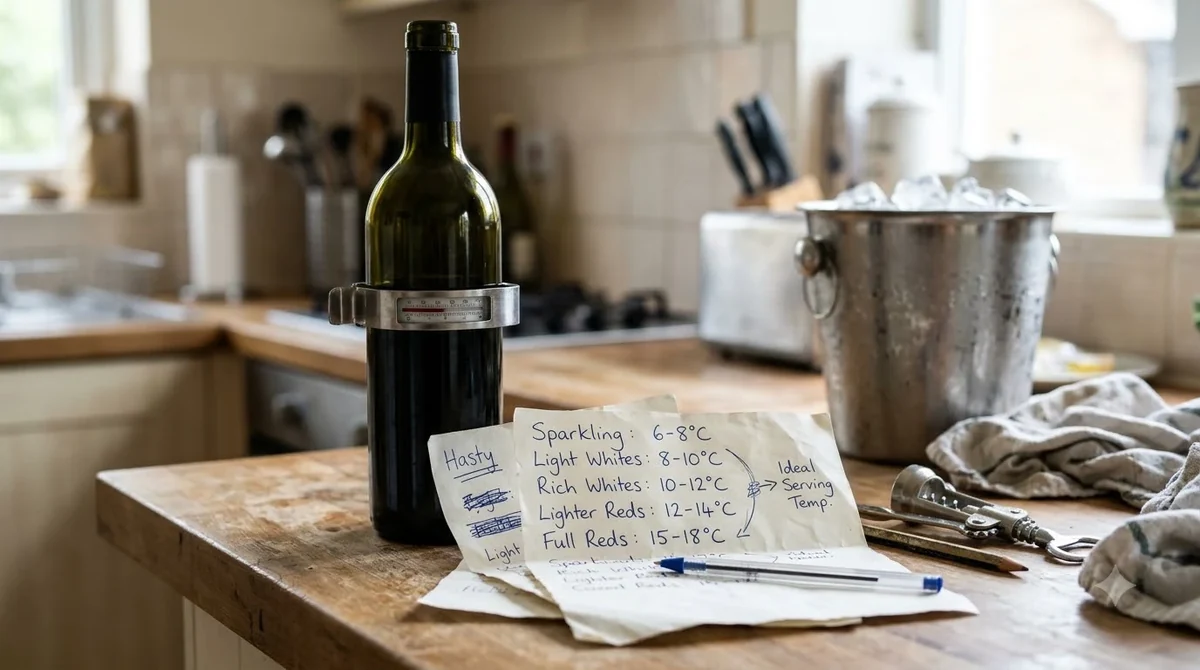
Good serving and storage protect the wine’s freshness. Santa Margherita recommends 50 to 54 F for Pinot Grigio, with sparkling wines served colder and full-bodied reds warmer.
For Pinot Grigio, use the producer’s recommended medium tulip-shaped glass. Serve it at 50 to 54 F; excessive cold can mute its apple and floral aromas. Prosecco and sparkling rosé are better served colder, around 40 to 50 F, to keep the bubbles lively.
Serve light whites and still rosé at about 45 to 50 F, and Chianti Classico Riserva around 60 to 65 F. In a warm room, a brief chill can keep a red from seeming overly alcoholic. Adjust by style instead of using one temperature for every bottle.
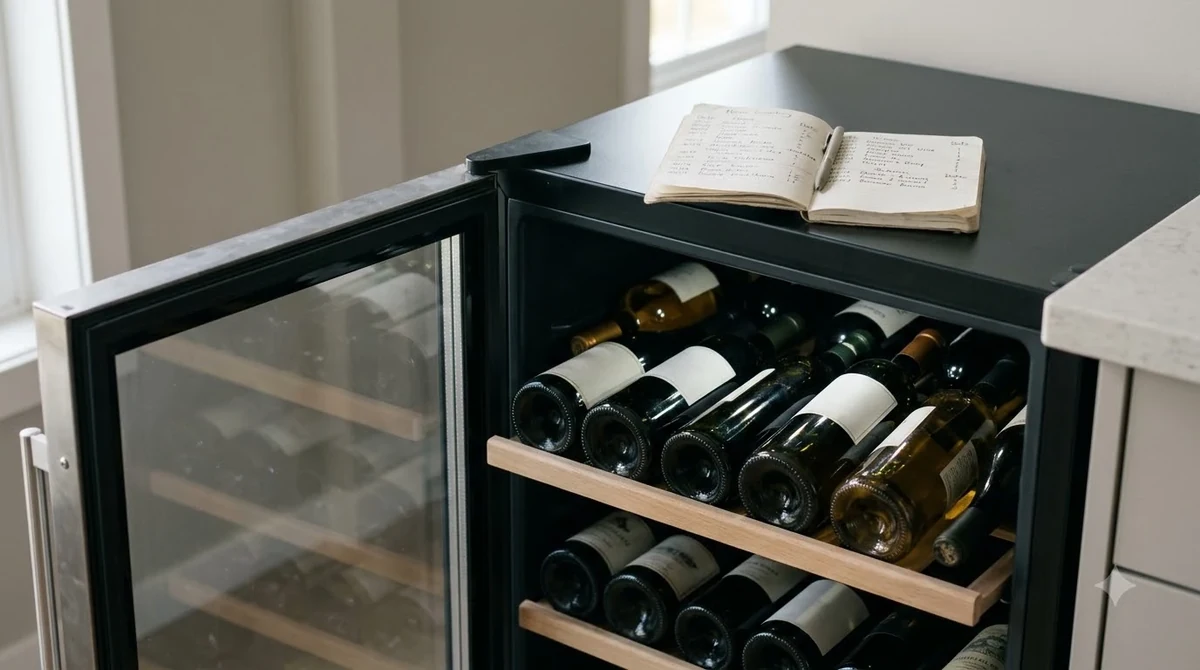
Store unopened bottles in a cool, dark place near 55 F, away from sunlight and temperature swings. Keep cork-finished bottles on their sides for longer storage. Santa Margherita lists just 1 to 2 years of aging potential for Pinot Grigio, so it is intended for fresh drinking rather than long cellaring.
After opening a still white or rosé, re-cork it and refrigerate for about 3 to 5 days. Sparkling wine is best within 1 to 3 days when sealed with a proper stopper. Refrigerate leftover Chianti, then let the next pour move back toward serving temperature.
Frequently Asked Questions
These answers cover technical details that help explain the flagship wine’s vineyard and production profile beyond the displayed price.
How high are the Pinot Grigio vineyards?
Santa Margherita lists an altitude range of 985 to 1,475 feet above sea level. The grapes come from the Adige River Valley in the Italian Alps.
When are the Pinot Grigio grapes harvested?
The producer lists the harvest period as the first half of September. It also says the clusters are hand-harvested to keep them whole and protect their delicate aromas.
What type of soil is listed for the Pinot Grigio vineyard?
The producer describes the soil as moderately loose and pebbly, with morainic and fluvial origins. That is a specific vineyard detail rather than a general description of all Alto Adige soils.
How densely are the vines planted?
The technical details list 1,620 to 2,025 vines per acre. The producer identifies Guyot as the vine-training system used for the signature Pinot Grigio.
What vineyard training system does Santa Margherita list?
The producer lists Guyot as the training system, a method that trains the vine along a supporting wire.
For most buyers, the best starting point is the wine style that fits the meal, followed by a same-size comparison across retailers. The flagship Pinot Grigio is the most recognizable option, but the rosé, Prosecco, sparkling rosé, and Chianti Riserva each serve a different purpose, so use the range rather than the label alone to decide what belongs in your cart.
More in Wine Brands
 Underwood Wine Price: Compare Bottles, Cans, and Pack SizesUpdated Nov 21, 2026
 Zenato Wine Price: Compare Styles and Choose the Right BottleUpdated Nov 21, 2026
 Zuccardi Wine Price: Compare Bottles and Find the Right RangeUpdated Nov 21, 2026
 Yellow Tail Moscato Review: Taste, Sweetness and Serving TipsUpdated Nov 21, 2026
 Wolf Blass Yellow Label Review: Choose Your Best StyleUpdated Nov 21, 2026
 Wolffer Estate Rose Review: Choose the Right Bottle for Your TableUpdated Nov 21, 2026