

We may earn a commission when you buy through links on this page, at no extra cost to you. Learn more.
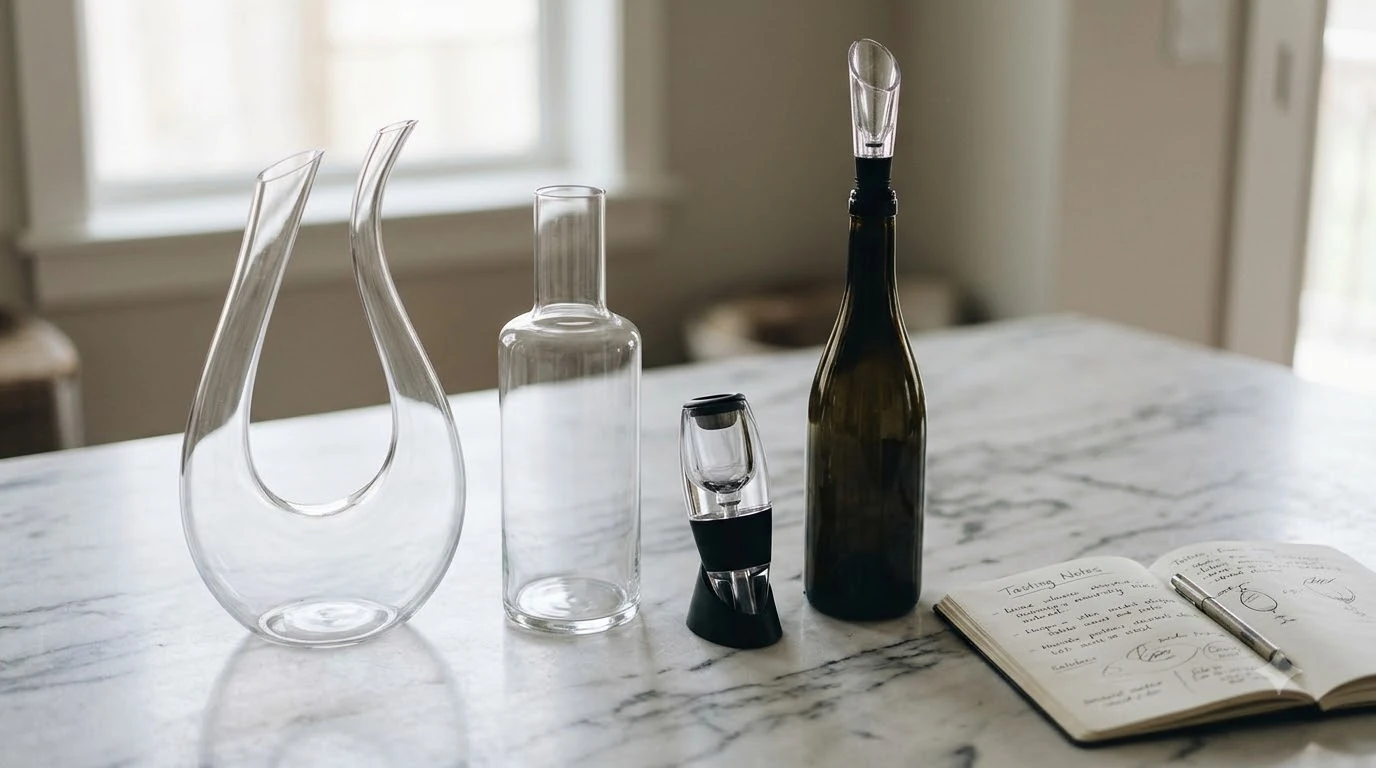
Aerator vs decanter comes down to speed and purpose: an aerator introduces air while wine is poured, while a decanter transfers wine into another vessel for controlled aeration, sediment separation, and serving. An aerator is convenient for opening up a young Cabernet Sauvignon or Syrah when a glass is needed immediately. A decanter is more versatile for serving a full bottle, giving structured reds time to develop, and carefully separating sediment from mature wines. The right choice depends on the wine, its condition, and how you plan to serve it.
Wine accessories can look similar in purpose even when they perform different jobs. Both aerators and decanters expose wine to oxygen, but their designs create different serving experiences. Understanding those differences makes it easier to decide whether a compact pouring accessory, a traditional glass vessel, or both deserve a place in your wine collection.
| Comparison | Wine Aerator | Wine Decanter |
|---|---|---|
| Primary purpose | Introduces air during pouring | Transfers wine into another vessel |
| Typical use time | During each pour | Approximately 10–120 minutes, depending on wine |
| Light red benchmark | Immediate air exposure | 15–30 minutes |
| Medium red benchmark | Immediate air exposure | 30–60 minutes |
| Full-bodied red benchmark | Immediate air exposure | 60–120 minutes |
| Sediment separation | Generally unsuitable | Yes, with careful pouring |
| Serving capacity | Individual pours | Can hold a full bottle |
| Air exposure control | Limited adjustment | Adjustable through time and handling |
| Storage | Compact accessory | Requires more cabinet space |
How Aerators and Decanters Work
An aerator introduces air into wine as it passes through a pouring device, while a decanter holds wine after it has been transferred from its original bottle. Both increase contact with air, but a decanter also allows sediment separation and more control over serving time.
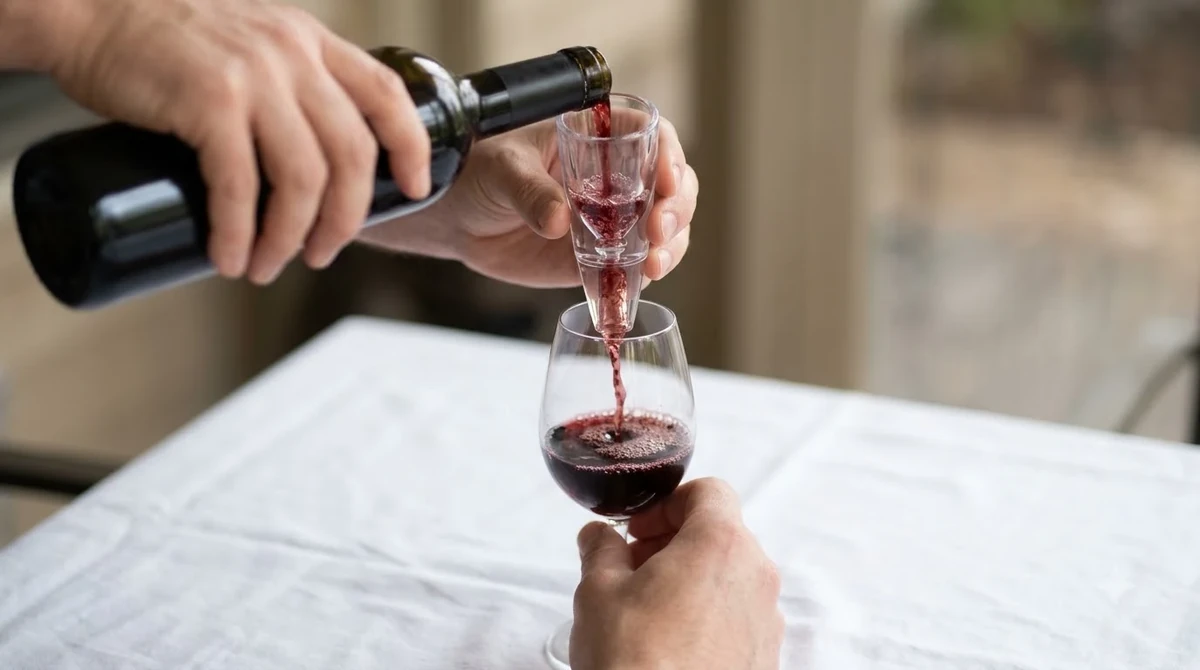
A typical wine aerator attaches to the bottle neck or sits between the bottle and glass. Some models contain an air chamber that mixes air with wine as the liquid passes through. Others use several small openings or spouts to disperse the stream, increasing the wine’s exposure to oxygen during pouring.
The main advantage is convenience. You do not have to transfer wine into another container or prepare a serving vessel in advance. Simply pour through the accessory and serve. This makes an aerator particularly useful when opening a young, concentrated red shortly before dinner.
A decanter works differently. You remove the bottle closure, transfer the wine into a clean glass vessel, and allow it to rest before serving. Many decanters have a broad base that increases the exposed surface area of the wine. Their shape also makes it possible to swirl the liquid gently, encouraging further air contact.
There is an important distinction between aeration and decanting. Aeration describes exposing wine to air. Decanting describes transferring wine from one container into another. A decanter can aerate wine, but decanting can also be performed primarily to separate sediment, with as little additional oxygen exposure as possible.
Wine Enthusiast explains that aerators generally work during pouring, whereas decanters are particularly useful for older wines that may contain sediment. Its comparison of wine aerators and decanters also highlights why the two accessories should not be treated as interchangeable.
Neither accessory automatically improves every bottle. Oxygen can help a young wine with firm tannins or restrained aromas, but too much exposure can cause delicate fruit and freshness to fade. Start by pouring a small taste and assessing the wine before deciding how much air it needs.
For everyday drinking, even a large wine glass can provide enough air exposure for many bottles. Swirling increases contact between wine and air without requiring specialized equipment. The accessory becomes more useful when a particular wine needs more exposure or when the serving situation makes a separate vessel practical.
Speed, Aeration, and Serving Control
An aerator is designed for immediate use, while a decanter provides more control over how wine develops before serving. For a young red opened shortly before dinner, an aerator offers convenience; for a bottle that benefits from gradual development, a decanter allows more flexibility.
With an aerator, wine receives additional air exposure as it passes through the device. This occurs during the pour, so there is no need to prepare a separate vessel or wait for a scheduled resting period. It is especially convenient when serving individual glasses of a young, concentrated red.
A decanter requires more preparation, but the additional time can be useful. Virginia Wine Market recommends assessing wine every 10 to 15 minutes and provides different starting points according to wine style. Its guidance includes 30 to 60 minutes for medium-bodied reds and 60 to 120 minutes for fuller-bodied Cabernet Sauvignon and Syrah.
Those figures are starting points rather than fixed requirements. A young wine may become expressive quickly after a vigorous pour, while another bottle may need more time. The best approach is to taste periodically and stop aerating when the wine reaches a pleasant balance.
For example, a young Cabernet Sauvignon that initially seems firm might become more expressive after 30 minutes in a decanter. Another bottle from the same grape variety might already have open fruit and balanced tannins immediately after opening. The grape variety provides a useful starting point, but the condition of the individual wine matters just as much.
An aerator offers less control over the development process. You can choose how much wine to pour and whether to use the device for every glass, but you cannot recreate the gradual resting period of a full bottle in a decanter. This makes an aerator a convenient serving tool rather than a complete substitute for traditional decanting.
Wine.com recommends approximately 30 to 60 minutes for young tannic reds such as Cabernet Sauvignon, Petite Sirah, and Nebbiolo. Its guide to decanting wine also distinguishes those wines from mature, delicate reds that should be transferred gently and served soon afterward.
There is no reason to leave every bottle in a decanter for a predetermined number of hours. Wine continues changing after the initial pour, including while it circulates in glasses during dinner. A short initial aeration period followed by occasional tasting is often more useful than following a rigid schedule.
Sediment Removal and Mature Wine
A decanter is the better choice when an older wine contains sediment because it allows clear wine to be separated from solid deposits. A conventional aerator is designed to introduce air, not to perform careful sediment separation.
Sediment is a natural deposit that can appear in certain wines during fermentation, aging, or bottle storage. Older red wines are particularly likely to develop deposits of pigment and tannin. Some unfiltered wines can also contain suspended particles. These solids do not automatically mean that a wine is defective, but they can create an unpleasant gritty sensation when poured into a glass.
A decanter provides a practical way to leave those deposits behind. Before opening an older bottle, keep it upright long enough for suspended material to settle. Wine.com recommends standing a bottle upright a day or two ahead when possible. Handle it carefully because unnecessary movement can send sediment back into the wine.
When pouring, use a light source behind the bottle neck or shoulder so you can see the sediment approaching. Transfer the clear wine slowly into a clean decanter. As the final portion leaves the bottle, watch for cloudiness or visible particles and stop before they enter the serving vessel.
The purpose of this technique differs from aerating a young wine. The goal is clarity rather than maximum oxygen exposure. Once the clear wine has been transferred, serve it promptly if it is mature and delicate.
A standard aerator is not an equivalent solution. Solid particles may block narrow openings, interrupt the flow, or pass through into the glass. Some products include filters, but a small filter is not a replacement for the controlled pouring technique used to separate wine from accumulated sediment.
Older bottles also require more caution because their aromas and flavors can be fragile. A mature Pinot Noir or aged Bordeaux may already be expressive when opened. Vigorous aeration can cause delicate fruit and developed aromas to fade rather than improve.
Tip: For an older red with visible sediment, prioritize gentle handling and careful pouring. Stand the bottle upright beforehand, use a flashlight to watch the bottle shoulder, stop when sediment approaches the neck, and serve the clear wine promptly instead of sending it through an aerator.
For young, unfiltered wines with visible particles, a decanter can still be useful, although the best technique depends on whether the wine also needs substantial aeration. A fine wine strainer may help with loose particles, but careful pouring remains the central method.
Some wine drinkers confuse sediment with crystals that can appear in certain bottles. Tartrate crystals are harmless deposits that may resemble small pieces of glass. They are not a reason to assume a wine has spoiled, although separating them from the serving wine can improve its texture.
Another consideration is the difference between a mature wine and a wine that is simply old by its vintage date. Bottle condition, grape variety, storage history, and winemaking style all influence how a wine responds to oxygen. An older bottle should therefore be assessed individually rather than automatically receiving an extended decant.
Which Wine Styles Benefit From Each Accessory?
Young, tannic reds are the strongest candidates for aeration, while mature wines with sediment benefit more from careful decanting. White wines, lighter reds, and sparkling wines generally require a more selective approach.
Young Cabernet Sauvignon and Syrah
Cabernet Sauvignon and Syrah are good examples of structured red wines that may benefit from additional air. Cabernet Sauvignon typically has high tannin, while Syrah often has medium-plus to high tannin. When young, either wine can seem firm or closed immediately after opening.
An aerator is useful when you want to serve these wines without waiting for a traditional decanting period. A decanter is preferable if you have time to let a full bottle develop. Virginia Wine Market gives 60 to 120 minutes as a general benchmark for full-bodied reds, with periodic tasting to assess progress.
For a particularly concentrated young Cabernet, pouring into a broad decanter can provide more exposure than simply attaching an aerator to the bottle. If the wine remains tight, check it again after 15 minutes. Continue only if the aroma, fruit, and texture are improving.
Merlot and Other Medium-Bodied Reds
Merlot generally has softer, medium tannins compared with Cabernet Sauvignon. Some bottles are expressive immediately after opening, while others benefit from a little air. A short decant or a pour through an aerator can help if the wine initially seems closed.
Medium-bodied reds such as Sangiovese and Cabernet Franc may also respond to moderate aeration. Virginia Wine Market suggests 30 to 60 minutes for these styles as a starting point. The exact period depends on concentration and the wine’s condition.
For an informal dinner, a short aeration period or a few minutes of swirling in a large glass may be enough. There is little reason to prepare a full decanter if the wine already smells expressive and tastes balanced.
Pinot Noir and Delicate Reds
Pinot Noir typically has low-to-medium tannin and relatively high acidity. Its delicate fruit and aromatic character may be more important than the firm structure of a young Cabernet Sauvignon. As a result, aggressive aeration is not always necessary.
For a lighter Pinot Noir or Beaujolais, a large wine glass and gentle swirling may provide enough air. Virginia Wine Market suggests 15 to 30 minutes for light reds when additional aeration is useful. Mature examples should receive particular care because extended exposure can diminish their more delicate aromas.
Older Burgundy, mature Rioja, and aged Chianti Classico are examples of wines that may benefit from careful sediment removal rather than vigorous aeration. If the wine is clear and expressive, pouring directly into a glass may be the better decision.
Chardonnay, Albariño, and Sauvignon Blanc
White wines do not automatically need aeration. Chardonnay has medium acidity, while Sauvignon Blanc and Albariño generally have higher acidity. Some structured whites can seem restrained when first poured, particularly when they have reductive aromas.
Virginia Wine Market recommends 10 to 30 minutes in a glass for certain structured whites. A decanter is rarely necessary for an ordinary fresh white, but a larger glass and a little swirling can help reveal its aromatic character. An aerator is an optional experiment rather than a standard serving requirement.
Full-bodied Chardonnay may benefit from a little air when its initial aromas seem closed. A fresh, crisp Sauvignon Blanc generally needs less intervention. Taste before choosing an accessory, and avoid warming chilled white wine excessively while it rests.
Sparkling and Sweet Wines
Sparkling wine should generally be served in a way that preserves its carbonation. Running Champagne, Cava, or Prosecco through an aerator can encourage the loss of bubbles, which defeats an important part of the wine’s character. A chilled bottle and suitable glassware are usually the better choices.
Sweet wines and dessert wines also do not automatically benefit from additional oxygen. Their aroma, sweetness, acidity, and age determine whether air exposure is useful. For an ordinary bottle of Moscato or a fresh dessert wine, direct pouring into a suitable glass is usually sufficient.
For sparkling wines, serving temperature is particularly important. A cold bottle helps retain freshness and carbonation, while aggressive pouring can release bubbles more quickly. A standard wine glass can also provide more room for aromas without requiring a dedicated aeration device.
Convenience, Cleaning, and Everyday Use
An aerator is easier to store and generally faster to use, while a decanter provides greater serving flexibility but requires more space and cleaning. Your regular drinking habits should influence which accessory you buy first.
A bottle-neck aerator is compact enough to fit in a kitchen drawer or accessory organizer. It is convenient for weeknight dinners, informal gatherings, and occasions when different guests want individual glasses at different times. You can pour directly into each glass without setting up a separate serving vessel.
A handheld aerator offers a slightly different serving experience. It can be positioned over a glass or used with a suitable pouring arrangement, depending on the design. Some models are easier to clean than bottle-neck versions because their components can be separated. However, narrow internal channels still need thorough rinsing after use.
A decanter takes more room in a cabinet, particularly if it has a wide base or an unusual shape. It also needs a stable surface during service. However, it can hold the contents of a bottle, making it practical for a dinner with several guests who are drinking the same wine.
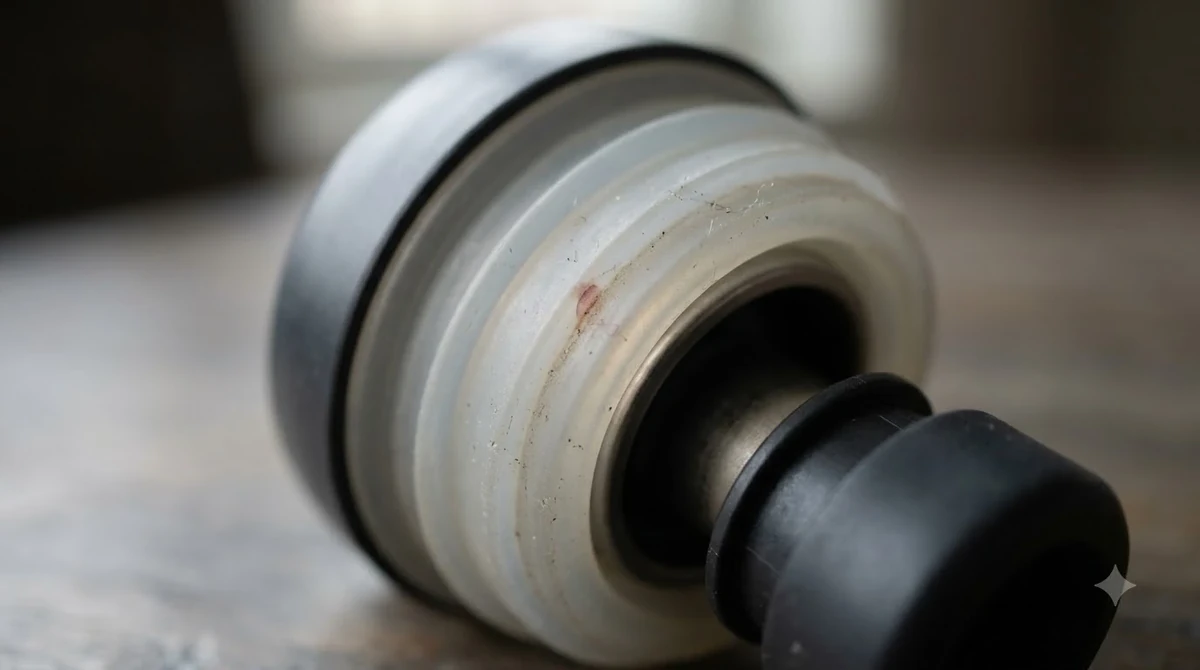
Cleaning is another important consideration. Aerators often have narrow openings, air chambers, or multiple small components. Wine residue can dry inside these areas, so rinsing immediately after use helps prevent buildup. Follow the manufacturer’s cleaning instructions, especially if the device contains seals or moving parts.
Decanters have their own cleaning challenges. Their wide bowls are often easy to rinse, but narrow necks and curved interiors can make it difficult to reach every surface. Avoid strongly scented detergents that could leave unwanted odors. Thorough rinsing and complete drying help maintain neutral wine service.
Both accessories should be kept clean and odor-free. Wine can pick up unwanted aromas from residual soap, stale liquid, or poorly maintained equipment. A clean accessory is more important than an expensive design.
Presentation may also influence the decision. A traditional glass decanter can make a dinner table feel more formal and allows guests to see the wine. An aerator is more discreet and practical for casual service. If you are organizing a dedicated wine-serving area, a bar cart can provide space for a decanter, glasses, corkscrews, and smaller accessories.
For people who enjoy both convenience and traditional service, a decanter with aerator offers a combined approach. Such designs can be useful, but the presence of an aerating component does not remove the need for careful sediment handling with older bottles.
There is also a practical difference in serving capacity. An aerator is generally used one glass at a time, so it is convenient when guests are drinking at different speeds. A decanter allows a full bottle to be presented together, which can simplify serving during a meal with four or more guests.
If you regularly entertain, a decanter can also make it easier to keep the original bottle away from the dining table. This is particularly useful when the bottle has a label you want to preserve or when a wine is being served from a cellar collection.
For occasional wine drinkers, however, a dedicated decanter may spend more time in storage than on the table. A compact aerator or a large glass may provide all the functionality needed for everyday service.
Which Should You Pick?
Choose an aerator if quick, individual pours of young wine are your priority; choose a decanter if you want more control, full-bottle presentation, or sediment separation. Neither accessory is essential for every bottle, and owning both makes sense only if your drinking habits justify the extra equipment.
Choose a wine aerator if:
- You regularly open young Cabernet Sauvignon, Syrah, or other structured reds shortly before dinner.
- You prefer serving wine one glass at a time rather than transferring an entire bottle.
- You want a compact accessory that fits easily into a kitchen drawer.
- You value convenience and do not regularly encounter sediment in your wines.
- You want to experiment with the effect of additional air without preparing a separate vessel.
Choose a wine decanter if:
- You regularly serve full bottles of red wine to several guests.
- You enjoy allowing young, full-bodied wines time to develop before dinner.
- You purchase older Bordeaux, Burgundy, or other wines that may contain sediment.
- You want to control air exposure by tasting the wine at intervals.
- You appreciate traditional presentation and want a dedicated serving vessel.
Consider owning both if: Your collection includes young structured reds for casual dinners and mature bottles for special occasions. An aerator can handle a quick glass of young Cabernet Sauvignon, while a decanter provides a more suitable way to serve an older bottle with sediment.
There is also a practical alternative: a large wine glass. Pouring a small amount into a glass and swirling it can provide useful air exposure without purchasing another accessory. This approach is particularly appropriate for lighter reds, expressive whites, and wines that need only a modest change.
If you are building a broader collection of wine accessories, compare the different serving options in the wine accessories guide. A traditional wine decanter set with glasses can also be useful when you want coordinated serving equipment rather than buying individual pieces.
The most useful buying decision is based on the wines you actually drink. Someone who mostly enjoys young, bold reds and pours one glass at a time may use an aerator more frequently. Someone who collects mature reds or hosts bottle-sharing dinners is more likely to appreciate a decanter.
For a household that drinks several different styles, a simple decision process works well. Use an aerator for a young, firm red when serving immediately, a decanter for a full bottle that needs controlled aeration, and gentle sediment decanting for an older bottle. Skip both accessories when a wine already tastes balanced.
Frequently Asked Questions
Can you use an aerator and a decanter together?
Yes, a young, tightly structured red can be passed through an aerator directly into a decanter for additional air exposure. This approach combines the convenience of an aerator with the serving capacity of a decanter. Avoid this combination with delicate mature wines because excessive oxygen can diminish their aromas.
Does opening a wine bottle several hours early replace decanting?
Simply removing the cork exposes only a relatively small surface area of wine to air inside the bottle. Transferring wine into a decanter creates substantially more contact with air. For a young, structured red, pouring into a suitable vessel can therefore produce a more noticeable change than leaving the bottle standing open.
Can a decanter change the temperature of wine?
Yes. Transferring wine into a vessel at room temperature can gradually change its serving temperature. A decanter that sits in a warm room may warm chilled wine more quickly than intended, so a cool serving environment is useful when temperature control matters.
Is a glass pitcher an acceptable substitute for a wine decanter?
A clean, odor-free glass pitcher can perform the basic function of holding transferred wine and providing additional surface area for air contact. It can also be used for carefully separating sediment if its shape allows controlled pouring. A broad opening and a comfortable pouring lip make a suitable pitcher easier to use.
Can an aerator remove cork fragments from wine?
Some aerators include mesh or filtering components that can catch certain larger particles, but not every model has this feature. A separate fine strainer may be more appropriate if a broken cork leaves fragments in the bottle. Cork particles are different from the accumulated sediment found in aged wine, so the two situations require different handling methods.
An aerator and a decanter can both improve the serving experience, but they solve different problems. Choose an aerator for convenient air exposure during individual pours and a decanter for controlled aeration, traditional presentation, and sediment removal. The best accessory is the one that suits the wine in the bottle rather than the one that adds the most equipment to your collection.
More in Wine Accessories
 Vinglace Wine Tumbler Review: A Glass-Lined Choice for Better SippingUpdated Nov 20, 2026
 ZWILLING Electric Wine Opener Review: Features and DrawbacksUpdated Nov 20, 2026
 Vinturi Electric Wine Opener Review for Easy UncorkingUpdated Nov 20, 2026
 Vinabon Wine Aerator Review for Easier, Cleaner Wine ServingUpdated Nov 20, 2026
 Vacu Vin Electric Wine Opener Review: Easy Cork Removal for Home Wine LoversUpdated Nov 20, 2026
 Rabbit Wine Accessories for Easier Home Wine ServiceUpdated Nov 20, 2026