

We may earn a commission when you buy through links on this page, at no extra cost to you. Learn more.
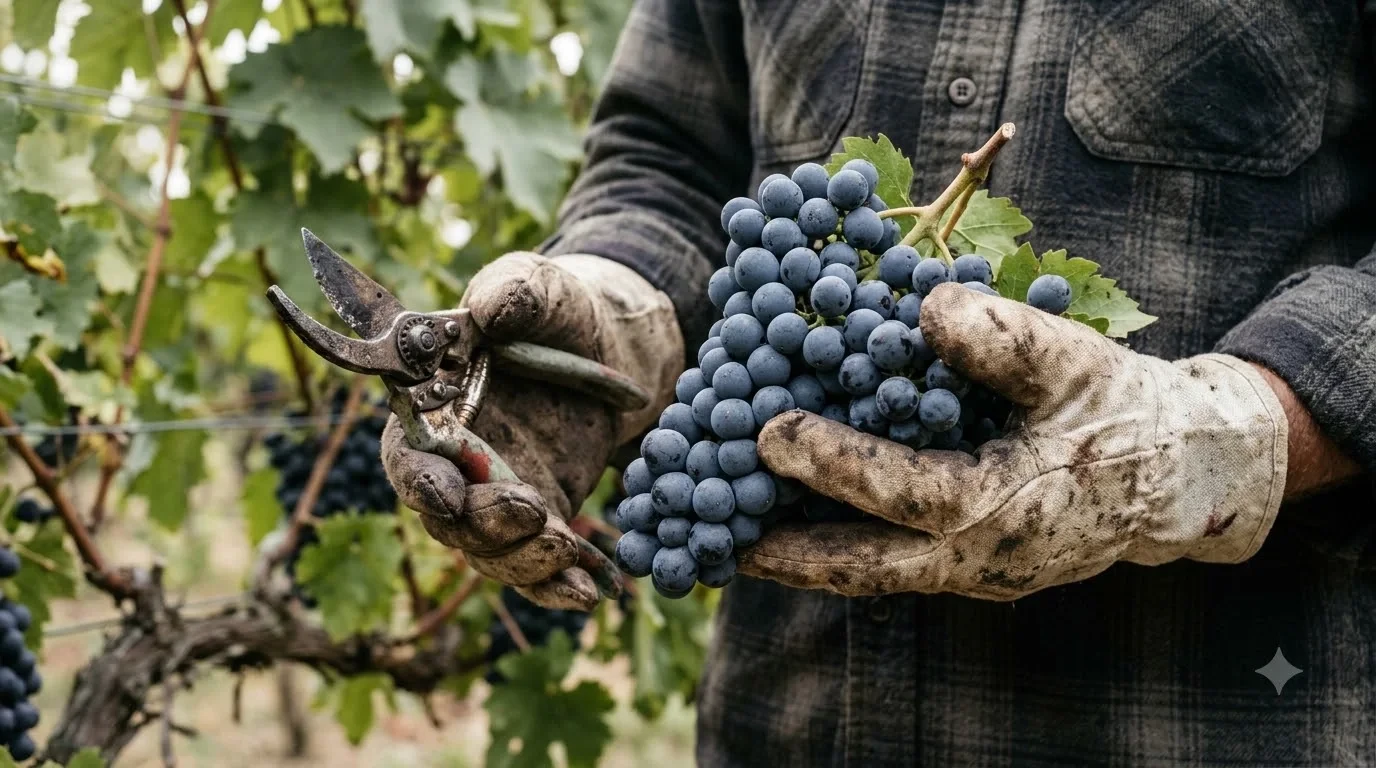
Nebraska vineyards are small, cold-climate plantings that grow mostly French-American hybrid and American grapes, because the state’s hot summers and cold winters rule out most European varieties. According to the Wikipedia overview of Nebraska wine, the state had about 5,000 acres of grapes by the end of the 1800s, mostly along the Missouri River, and the modern industry began again only in the mid-1980s. Today the state has around 200 vineyards and a set of small wineries that mainly sell to visitors at the winery itself.
This guide explains how Nebraska’s vineyards developed, which grapes suit the climate, where the wine is made and what to look for when you taste or buy a bottle. If you want a broader picture of American growing areas, the wine regions overview is a useful starting point.
How Nebraska’s wine industry developed
Winemaking in Nebraska goes back to the late 1800s, when vineyards were planted in the southeastern counties along the Missouri River. By the end of that century, the state had about 5,000 acres of grapes in production, which made it a significant area for its time.
The industry was then badly damaged. Prohibition in the 1910s hit commercial grape growing hard, and a November 1940 storm destroyed the remaining commercial grape industry. For several decades, very little commercial wine was made in the state.
The revival began in the mid-1980s. The Nebraska Farm Wineries Act of 1986 raised a winery’s annual production limit from 200 to 50,000 US gallons, which opened the door to small estate producers. In the early 1990s fewer than 10 acres of vineyards were in cultivation, so the modern industry was built largely from a small base.
Why hybrid grapes dominate
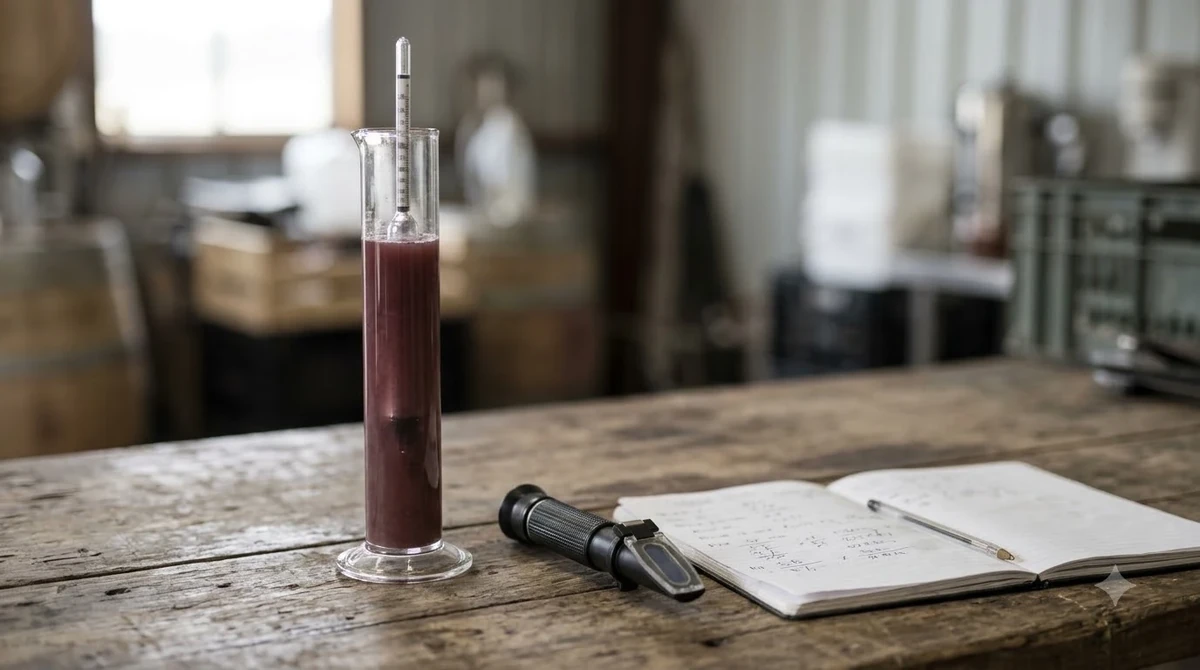
Nebraska has long, hot summers, cold winters and wide seasonal swings in rainfall and humidity. These conditions make it hard to grow the European grape varieties that dominate famous wine regions, so most Nebraska vineyards use French-American hybrids or American varieties bred to survive the winter and ripen in a shorter season.
This is the single biggest reason the wines taste different from the ones you might know from California or France. Hybrids often show brighter, fruit-forward flavours, and their character is shaped as much by the local climate as by the winemaker.
| Grape type | Examples named for Nebraska | Typical role |
|---|---|---|
| White hybrids | Edelweiss, La Crosse, St. Croix, Vignoles, Seyval blanc, Traminette | Crisp, fruity or floral whites |
| Red hybrids and American grapes | Frontenac, Chambourcin, De Chaunac, Marechal Foch, Norton, Swenson Red | Dry to medium-bodied reds |
| Newer and promising varieties | Petite Pearl, Temparia (from a local breeding program) | Varieties suited to the climate |
Some of these names will be unfamiliar, and that is part of the appeal. Tasting a wine made from a grape you have never heard of is one of the most useful ways to learn what the local climate can produce.
Tip: When a label names a hybrid, check the producer’s tasting notes for the style. Hybrids can vary a great deal, so a note on sweetness and body is more useful than the grape name alone.
Where Nebraska wineries are found
The historical centre of the vineyards was the southeastern part of the state along the Missouri River. Today the wineries are spread across several areas, and visitors will find small estates in different towns. Two examples named in the Wikipedia overview are Cuthills Vineyard in Pierce, which opened in December 1994 as the first winery since Prohibition, and Whisky Run Creek Vineyard in Brownville, which produced the state’s first Riesling in 2006.
Because the wineries are small, opening hours and tasting options can change with the season. Check each estate’s website or call ahead before planning a route, especially if you are visiting on a weekday or outside the summer months.
Scale and what the numbers mean
Nebraska’s industry is modest by national standards, and the figures for it vary between sources. The Wikipedia overview gives about 200 vineyards and roughly 103,000 gallons of wine produced in its infobox. Its text puts the number of commercial wineries at about thirty-five, while the infobox lists 32 wineries, with 28 in production. The difference suggests that counts change from year to year as new estates open and others close.
The state does not have any designated American Viticultural Areas, which means there is no official Nebraska appellation on a label. Most wineries are therefore identified by their own name and by the state, rather than by a legal growing area.
Notable producers and awards
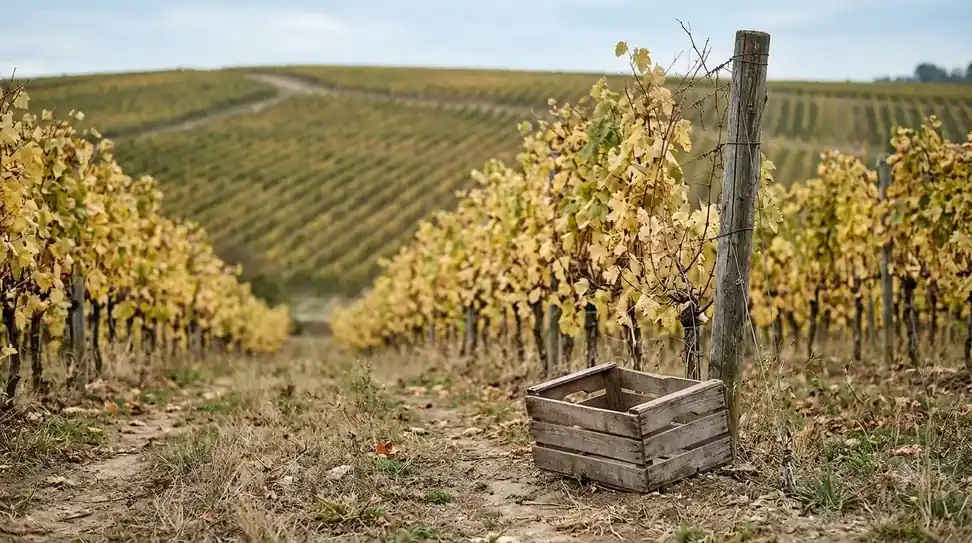
Several Nebraska producers have won recognition at competitions. The Wikipedia overview notes that Miletta Vista Winery won Best of Show in 2012 for its Brianna at a national competition in Sonoma, California, and that its Edelweiss was recognised at the Florida State Fair competition. Its Petite Pearl was recognised by the Sommelier’s Choice Awards.
Soaring Wing’s “Dragons Red” was named best hybrid red in the 2006 Best of the East competition, and the article says the winery has since earned more than 120 awards. Awards are a helpful signal, but they are only one part of choosing a wine, and they do not replace a taste test of your own.
What to taste first
If you are new to Nebraska wine, start with a white hybrid. Wines made from Edelweiss, La Crosse or Vignoles are often crisp and fruit-forward, and they give you a clear sense of the local style. Once you are comfortable, move to a red hybrid such as Frontenac or Chambourcin and compare how the tannin and body differ.
Food pairing is a useful test. Lighter whites suit simple dishes such as roast chicken or fresh salads, while fuller reds can handle grilled meats and hearty stews. Because hybrid wines can be bright and fruit-forward, a little acidity on the plate often brings out their best character.
Ask the tasting room staff which wines come from the most recent vintage. A wine’s character changes with each growing season, and staff can explain which bottles show the most typical flavours for the year.
Planning a visit to Nebraska vineyards
Because the wineries are spread out and small, plan your route carefully. Group stops by area, allow time for each tasting, and build in a meal. Many estates sell wine mainly at the winery, so buying a bottle on the day can be the easiest option.
Drink responsibly and arrange a designated driver or ride service. Spitting at tastings is a normal way to judge several wines without overindulging, and water between pours helps you keep track of what you have tasted.
Frequently Asked Questions
Which grapes grow best in Nebraska?
Most Nebraska vineyards grow French-American hybrids and American varieties because they handle the cold winters and short seasons better than most European grapes. Edelweiss, La Crosse, Frontenac and Chambourcin are among the varieties named in the overview.
How many vineyards does Nebraska have?
The Wikipedia overview lists about 200 vineyards in its infobox. The number of wineries varies by source, since some estates grow grapes without running a commercial winery.
Is there an official Nebraska wine region?
No. The overview states that Nebraska has no designated American Viticultural Areas, so wines are usually identified by winery and state rather than by an official growing area.
Can I buy Nebraska wine outside the state?
Availability depends on the producer and local distribution rules. Many small wineries sell mainly at the winery, so check each estate’s website for shipping or retail options before you plan a purchase.
Nebraska vineyards reward curiosity. The state’s climate has shaped a distinctive set of hybrid grapes, and the revival since the mid-1980s has produced small estates with a clear local identity. Start with a white hybrid, try a red hybrid next, and take notes so you can compare vintages. For a full history of the state’s wine, the Wikipedia article on Nebraska wine is a good next read, and for more on how other growing areas compare, see the guides to murphys vineyards, new mexico vineyards and santa ynez valley vineyards.
More in Wine Regions
 Willcox Wine Trail: Discover Arizona’s High-Elevation Wine CountryUpdated Nov 20, 2026
 Yakima Valley Wine Region: Find the Best Styles to TryUpdated Nov 20, 2026
 Vosne Romanee Wine Tasting: Identify Aromas and Choose Better PairingsUpdated Nov 20, 2026
 Yakima Valley Wine Festival: Find the Best Seasonal Wine EventsUpdated Nov 20, 2026
 Wales Vineyards: Discover Cool-Climate Wines and Where to VisitUpdated Nov 20, 2026
 Yountville Wine Festival: Discover Napa Wines and Local FoodUpdated Nov 20, 2026