

We may earn a commission when you buy through links on this page, at no extra cost to you. Learn more.
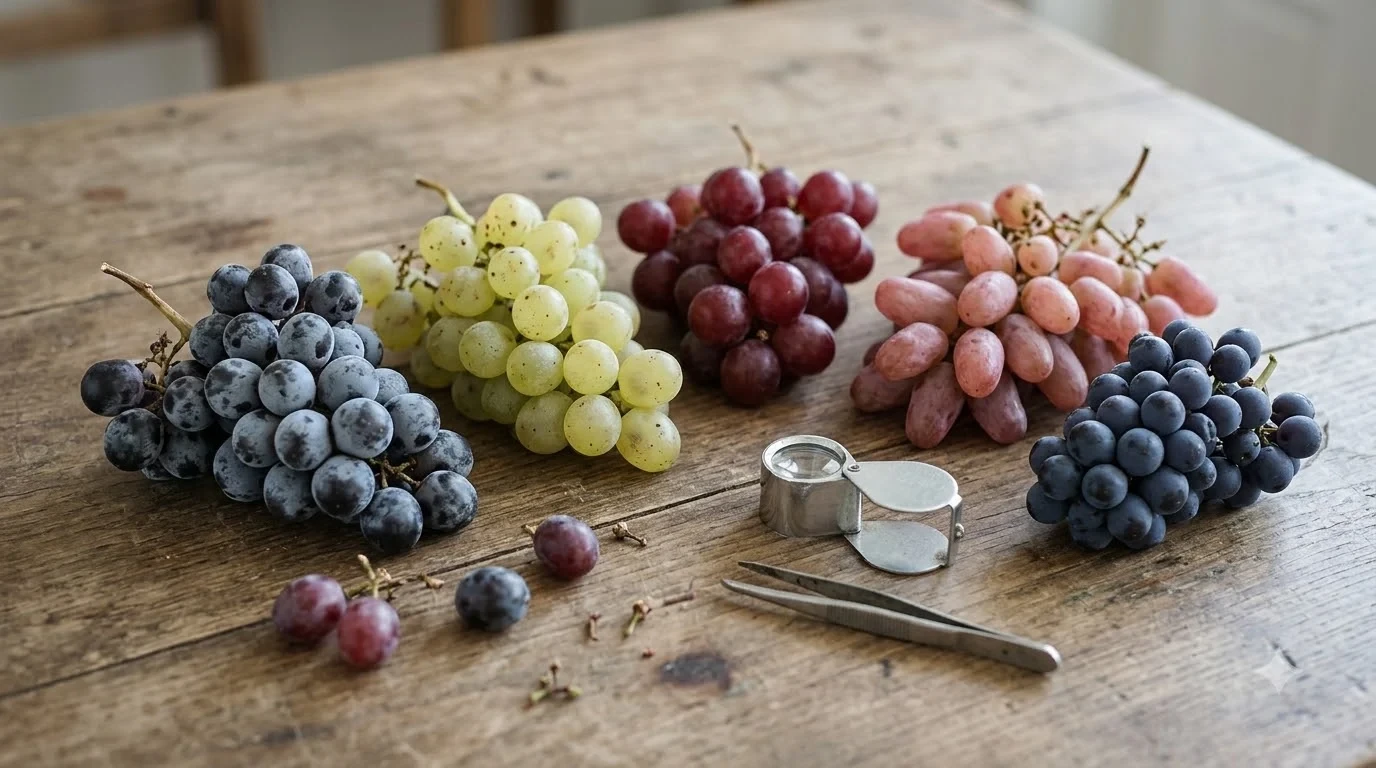
Nebraska wine is produced mostly from hybrid and American grape varieties such as Concord, Chambourcin, Edelweiss and Vignoles, because the state’s long hot summers and cold winters make European vines hard to grow. The industry was nearly wiped out by Prohibition and a 1940 storm, then revived after the 1986 Nebraska Farm Wineries Act and the opening of Cuthills Vineyard in 1994. Today the state has a few dozen commercial wineries, most of them small family operations.
If you have tasted a Midwest hybrid wine and wondered where it comes from, or you are planning a trip to a Nebraska tasting room, this guide covers the essentials. It explains how the industry developed, which grapes shape the wines, what the state’s climate means for growers and how to choose a bottle or plan a visit.
How Nebraska Wine Got Started
Grape growing and winemaking began in Nebraska in the late 19th century. By the end of that period, about 5,000 acres of grapes were in production, mostly in the southeastern counties along the Missouri River. The river valleys gave growers sheltered sites and a practical route to markets, which helped the early industry take hold.
The boom did not last. Prohibition devastated the industry in the 1910s, and after it ended in 1933, a severe storm in November 1940 destroyed the remaining commercial grape industry. For decades afterward, Nebraska had almost no commercial wine production. The turning point came in the mid-1980s, when the Nebraska Farm Wineries Act of 1986 raised the annual production limit for a state winery from 200 to 50,000 US gallons. That change made it realistic for small producers to open again.
The Grapes Behind Nebraska Wine
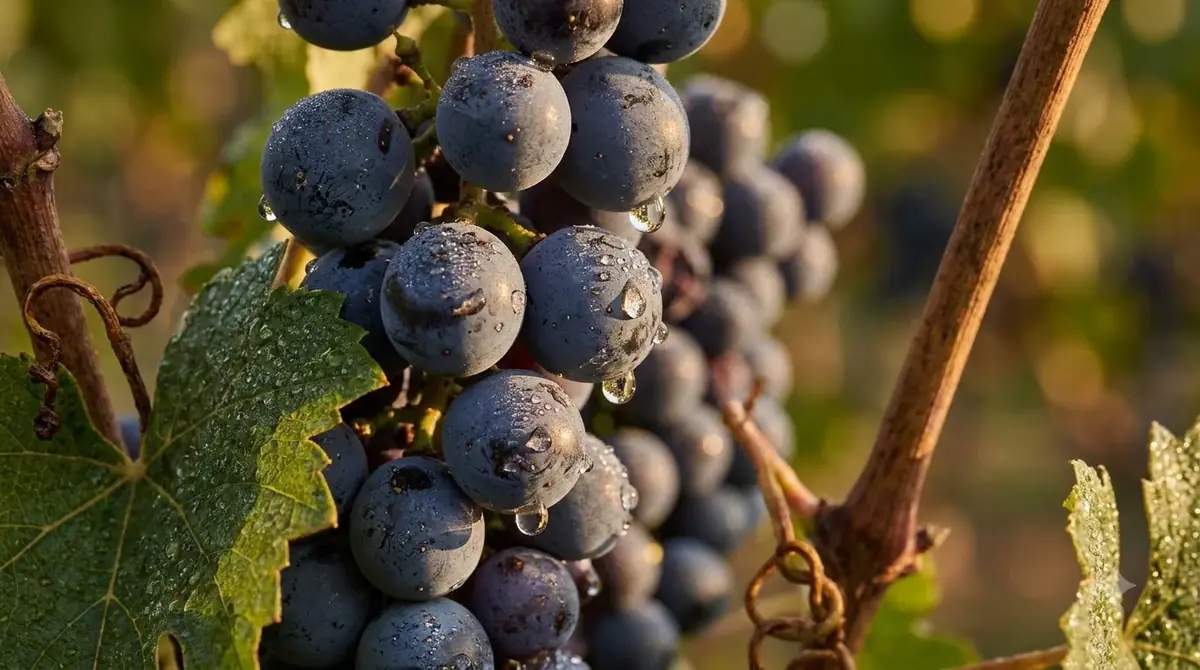
Most Nebraska grapes are French-American hybrids and American varieties, chosen because they handle the state’s winters and humid summers better than classic European vines. Concord and Chambourcin appear across the state’s vineyards, and Edelweiss is the variety most often produced. Other grapes commonly grown include La Crosse, Frontenac, St. Croix and Vignoles, each of which gives a different style of wine.
Breeding work is part of the story too. Reference sources describe Petite Pearl as a promising red grape that appears to do well in Nebraska’s climate, and the state’s breeding programs have looked for hybrids that combine cold-hardiness with good fruit. Newer varieties may not yet be common on store shelves, so a tasting room is often the best place to try them.
The table below gives a quick sense of how these varieties usually show up in the glass. Descriptions are general, and the actual character of a wine depends on the winemaker’s choices as well as the grape.
| Grape | Typical style | What to look for |
|---|---|---|
| Concord | Sweet, fruity red | Grape-forward flavor, often served chilled |
| Chambourcin | Dry to off-dry red | Medium body and bright fruit, a common Midwest and East red |
| Edelweiss | White, often off-dry | Floral and fresh, the state’s most-produced variety |
| Vignoles | White | Crisp acidity, a versatile partner for lighter food |
Climate, Vineyards and Why Hybrids Dominate
Nebraska’s climate is the main reason the wine style leans toward hybrids. Reference sources describe long, hot summers, cold winters and wide swings in rainfall and humidity from season to season. Those conditions make disease pressure and winter damage real concerns for growers, and European grape varieties often struggle to cope with them.
Growers have responded by planting cold-hardy varieties and working with local conditions rather than trying to copy regions with milder winters. The state also has no designated American Viticultural Areas, so a Nebraska label names the state rather than a specific appellation. That makes the producer and the grape the most useful guides when you choose a bottle.
Wineries, Associations and the Modern Industry
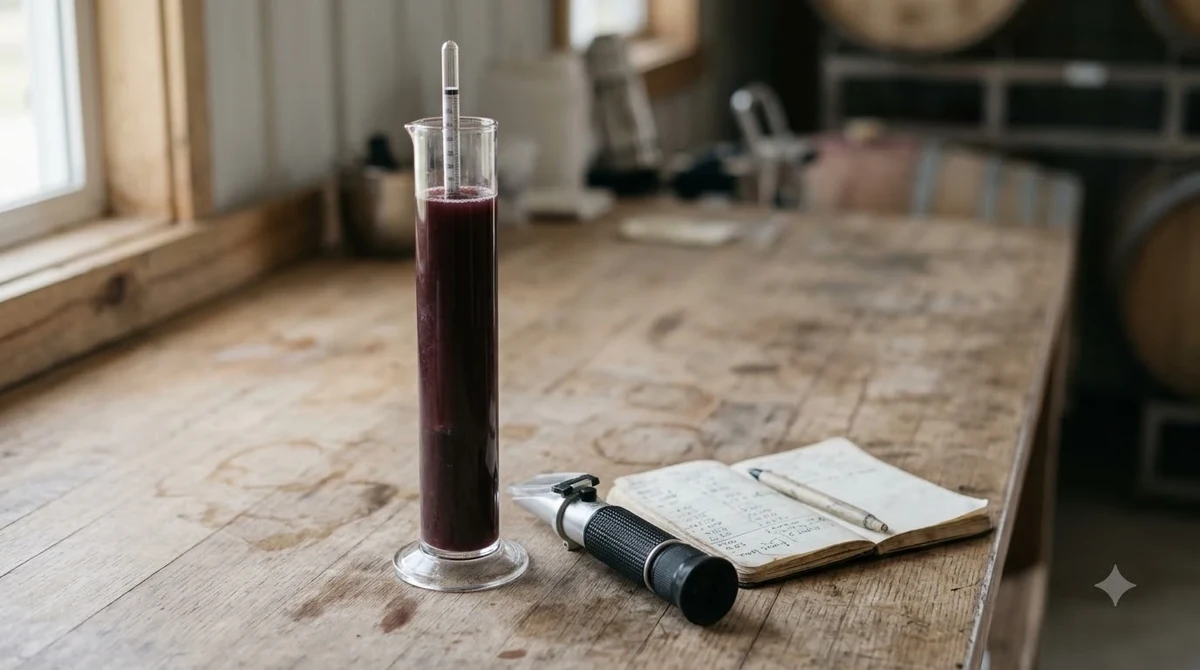
The modern industry is made up of small family operations, many of them open for tastings and events. Reference sources list roughly 30 to 35 commercial wineries, along with a few hundred vineyards, and counts vary from one source to the next. The Nebraska Winery and Grape Growers Association, based in Milford, represents many of these producers and helps promote the state’s wine country.
Several milestones show how the industry has grown. Whisky Run Creek Vineyard in Brownville produced the state’s first Riesling in 2006. Cuthills Vineyard in Pierce, which opened in 1994, was the first winery in Nebraska since Prohibition, and its breeding program later produced a hybrid used in commercial wine. The University of Nebraska–Lincoln also runs a viticulture program that supports growers across the state.
The association’s website points to the Nebraska Wine Passport and a state wine trail that connects tasting rooms across the state. The association also promotes the TOAST Wine Festival, which gives visitors a chance to taste many producers in one place. Check the current schedules before you travel, because events and tasting room hours change from year to year.
Tip: Ask tasting staff which grapes are estate-grown and which are sourced from other vineyards. In a state with many small producers, that answer often tells you how closely the bottle reflects a specific Nebraska site.
How to Choose and Serve a Nebraska Bottle
Start with the style you like. If you enjoy sweet, fruity reds, a Concord-based wine is a traditional choice, and it tastes best chilled. If you prefer a dry red, Chambourcin offers medium body and bright fruit that pair well with grilled meats and hearty vegetables. For whites, Edelweiss gives floral aromas and fresh fruit, while Vignoles offers more crisp acidity for lighter dishes.
Serve red hybrids slightly cooler than you would a bold Cabernet, and chill white and sweeter wines well. Because many Nebraska wines are made in small batches, bottles can sell out at the winery, so buy when you find a style you enjoy. Read the back label for the producer and vintage, and ask staff for a recommendation based on the food you plan to serve.
Food matching works well with Nebraska wines because many of them are lighter in tannin than big Cabernets. A dry Chambourcin suits grilled sausages, roast chicken and barbecue, while a crisp Vignoles or Edelweiss pairs with fish, salads and soft cheeses. Sweeter styles such as Concord are better with dessert, fruit-based dishes or a relaxed porch-side glass in the afternoon.
Frequently Asked Questions
Does Nebraska make good wine?
Nebraska produces a range of wines, from sweet fruit styles to dry reds and crisp whites. Quality depends on the producer and the grape, and many wineries have won awards at regional and national competitions in recent years.
Which grapes are grown in Nebraska?
The most common grapes include Concord, Chambourcin, Edelweiss, La Crosse, Frontenac, St. Croix and Vignoles. Most are French-American hybrids or American varieties, chosen for their cold-hardiness.
Does Nebraska have American Viticultural Areas?
Reference sources state that Nebraska has no designated American Viticultural Areas. Labels typically name the state, so the producer and the grape are the most useful guides when choosing a bottle.
Where can I learn more about Nebraska wine?
The Nebraska Winery and Grape Growers Association, based in Milford, is a good starting point. Its materials cover wineries, the state wine trail and events such as the Nebraska Wine Passport and the TOAST Wine Festival.
Nebraska wine rewards curiosity, especially if you are used to wines from coastal regions. Start with a Concord or Edelweiss to taste the local character, then try a dry Chambourcin with dinner to see how hybrids handle food. For a broader view of how climate shapes what grows in each region, the wine regions guide explains the factors behind many of the world’s best-known wine areas, and if you are planning a multi-state trip, the Illinois wine trail offers a useful comparison.
More in Wine Regions
 Willcox Wine Trail: Discover Arizona’s High-Elevation Wine CountryUpdated Nov 20, 2026
 Yakima Valley Wine Region: Find the Best Styles to TryUpdated Nov 20, 2026
 Vosne Romanee Wine Tasting: Identify Aromas and Choose Better PairingsUpdated Nov 20, 2026
 Yakima Valley Wine Festival: Find the Best Seasonal Wine EventsUpdated Nov 20, 2026
 Wales Vineyards: Discover Cool-Climate Wines and Where to VisitUpdated Nov 20, 2026
 Yountville Wine Festival: Discover Napa Wines and Local FoodUpdated Nov 20, 2026