

We may earn a commission when you buy through links on this page, at no extra cost to you. Learn more.
Josh Cellars red wine is a California lineup led by Cabernet Sauvignon, with Merlot, Pinot Noir, and red blends alongside it. The brand was founded in 2007 by Joseph Carr, who named it after his late father, Josh. Its reds are aimed at everyday drinking, with a fruit-forward style and a range that runs from simple bottles to barrel-aged reserve wines.
If you have seen Josh Cellars on a grocery shelf and wondered what the red wines actually are, this guide walks through the brand’s background, the main reds on the list, how to serve them, and which foods suit them. It is written for shoppers who want a clear picture before picking a bottle for a weeknight dinner or a casual gathering.
What Josh Cellars Is and Where It Came From
Josh Cellars is a wine brand rather than a single estate. According to the Wikipedia entry on the brand, Joseph Carr started it in 2007, and his first wine was a Cabernet Sauvignon. The name honors his father. The brand was later acquired by Deutsch Family Wine & Spirits in 2011, which took over sales, marketing, and production, while Carr stayed on as the public face of the company.
The brand’s own website describes the wines as “well-balanced” and “made to exacting standards,” and it lists a set of reds that include several named by region, such as North Coast, Central Coast, and Paso Robles. The site does not go into detail about individual vineyards, so the best way to read the regional names is as a guide to the style of the blend rather than a promise about one specific farm.
Where the Grapes Come From
Because Josh Cellars is a multi-region brand, its red wines do not all come from one place. Wikipedia notes that the brand works with wine regions in Mendocino and Paso Robles, and that production takes place at facilities in Oregon and Italy in addition to California. That mix is common for brands at this price level, since producers blend fruit from several growing areas to keep a consistent house style from year to year.
For a reader, the practical takeaway is that the label region tells you more about the flavor profile than about a single vineyard. A North Coast bottling usually means a cooler, more balanced fruit profile than a bottle from a warmer inland area, while a Paso Robles wine tends to show riper, more concentrated fruit. Those are general patterns in California wine, not specific claims about each Josh Cellars release.
The Main Red Wines in the Josh Cellars Lineup
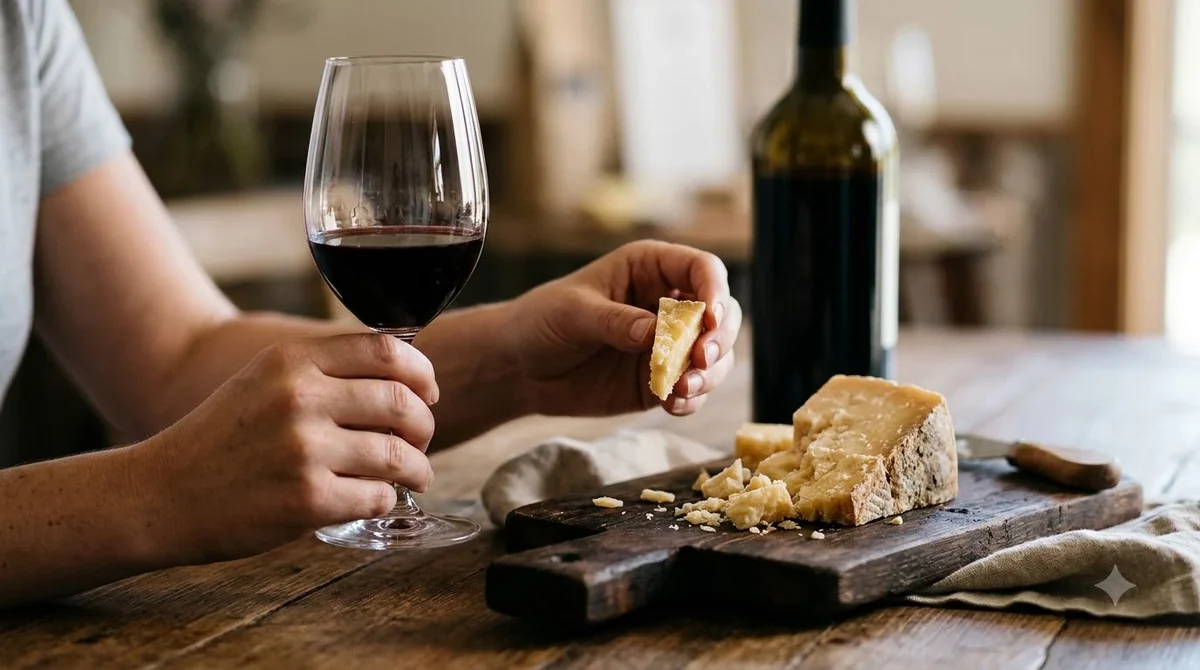
The red side of the range is built around Cabernet Sauvignon, which remains the anchor of the brand. Other reds include a Pinot Noir, a Legacy Red Blend, and barrel-aged bottlings. The table below sorts the reds listed on the brand’s site and the wines Wikipedia mentions, so you can see where each one fits.
| Wine | Style | Best for |
|---|---|---|
| Cabernet Sauvignon | Full-bodied, dark fruit, the brand’s original wine | Steak, hearty dinners, first purchase |
| Hearth Cabernet Sauvignon | Cabernet from the brand’s Hearth label | Trying a second Cabernet from the same house |
| Legacy Red Blend | Blended red, not a single varietal | Pizza, pasta, mixed groups |
| Pinot Noir | Lighter red, the only Pinot on the red list | Salmon, mushroom dishes |
| Bourbon Barrel Aged Cabernet Sauvignon | Cabernet aged in bourbon barrels, oak is the main feature | Dessert, cheese, sipping after dinner |
| North Coast Cabernet Sauvignon | Cabernet labeled by its North Coast growing area | Everyday meals |
How to Serve Josh Cellars Red Wine
Serving temperature changes how a red tastes, so it helps to get it right. Wine Folly’s Cabernet Sauvignon grape guide lists a serving range of 60 to 68°F (15 to 20°C) for the style. Pull the bottle from a cool cellar or a wine fridge about 15 minutes before pouring, and the fruit and tannins will come forward without the alcohol feeling hot.
Glassware matters less than most people think, but a wider bowl gives a Cabernet room to open. For the Pinot Noir in the range, a slightly cooler serve around 55 to 60°F is a reasonable starting point. A bottle of the bourbon barrel aged reds can be poured in a smaller glass because the oak and spice notes are more concentrated.
Give the wine 20 to 30 minutes in the glass before you judge it. Reds often taste tighter when first poured and softer after they have had a little air. A short decant is optional for the Cabernet styles and mostly useful if the bottle is young.
Food Pairing Ideas for the Reds
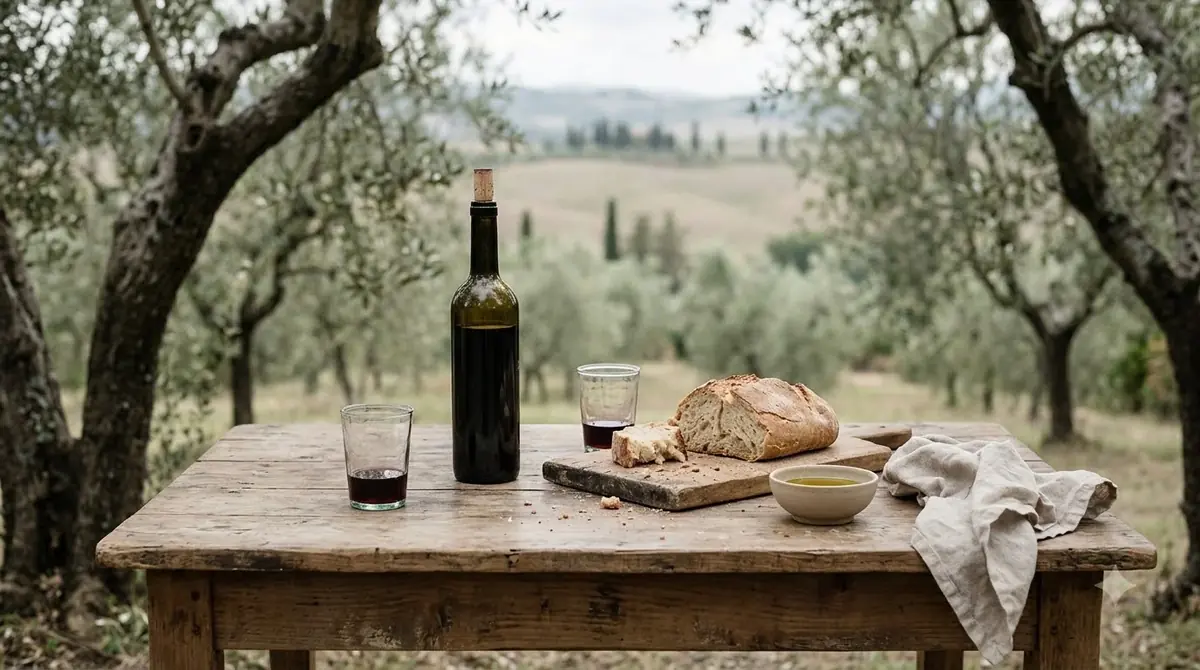
Cabernet Sauvignon pairs best with foods that have enough fat and salt to balance its tannins. Grilled steak, roast lamb, and aged cheddar are classic choices. The Legacy Red Blend fits a wider range of dishes, from tomato-based pasta to burgers, because its fruit is less intense than a single-varietal Cabernet.
The Pinot Noir in the lineup is the easier match for lighter food. Roast chicken, grilled salmon, and mushroom risotto all work well with its red berry fruit and softer structure. Avoid pairing it with very spicy food, since heat tends to make the fruit taste thinner.
For the bourbon barrel aged bottles, think about dessert or a cheese board. Dark chocolate and nuts are a natural fit, and a firm sheep’s milk cheese works well with the oak notes.
How to Choose the Right Josh Cellars Red
Start with the meal rather than the label. If you are cooking red meat, a Cabernet Sauvignon is the most direct choice. If you are hosting a larger group with mixed dishes, the Legacy Red Blend is more flexible. If you want something lighter for the week, the Pinot Noir is the bottle to reach for.
Next, think about style. A Hearth or North Coast Cabernet is a good step up if you already like the brand’s entry wine and want to try a different expression of the same grape. Reserve and barrel-aged bottles are better as a special bottle than as a daily pour, because the oak and sweetness make them feel heavier with a simple dinner.
Price and availability vary by store and region, so a quick check of the brand’s store locator is worth doing before you plan a bigger purchase. The brand’s site points visitors to a “Find Josh Near You” tool for local stock rather than listing every retailer.
It also helps to compare the brand with other options on the shelf. The wine brand hub on this site gives an overview of the names shoppers often compare, and the related guides below look at similar brands from a different angle.
Tip: If you are buying for a group, open the Cabernet first and the Pinot Noir second. Tannic reds are easier to judge after the lighter wine has been poured and the palate has settled.
For more background on the category, you can also read the wine brands guide and compare other shelf names such as A to Z Wineworks before you decide.
Frequently Asked Questions
Is Josh Cellars red wine a Cabernet Sauvignon?
Cabernet Sauvignon is the brand’s flagship red and its first wine, but the lineup also includes a Pinot Noir, a Legacy Red Blend, and several barrel-aged bottlings. Check the label to confirm which grape or blend you are buying.
Where is Josh Cellars wine made?
Wikipedia reports that the brand sources fruit from Mendocino and Paso Robles and produces wine at facilities in Oregon and Italy as well as California. Regional labels such as North Coast or Central Coast point to the growing area of the blend.
What temperature should Josh Cellars red wine be served at?
For the Cabernet styles, a serving range of about 60 to 68°F works well, based on Wine Folly’s Cabernet guide. Lighter reds such as the Pinot Noir taste better slightly cooler, closer to 55 to 60°F.
Does Josh Cellars red wine need to be decanted?
Decanting is not required. A short wait after pouring, around 20 to 30 minutes, lets the wine open up. Decanting is more useful for younger, more tannic Cabernets.
Josh Cellars red wine offers a clear, approachable place to start if you want a California red with a recognizable house style. Pick the Cabernet for steak, the Legacy Red Blend for mixed meals, and the Pinot Noir for lighter dinners, and you will have a reliable set of options for most occasions.
More in Wine Brands
 Underwood Wine Price: Compare Bottles, Cans, and Pack SizesUpdated Nov 21, 2026
 Zenato Wine Price: Compare Styles and Choose the Right BottleUpdated Nov 21, 2026
 Zuccardi Wine Price: Compare Bottles and Find the Right RangeUpdated Nov 21, 2026
 Yellow Tail Moscato Review: Taste, Sweetness and Serving TipsUpdated Nov 21, 2026
 Wolf Blass Yellow Label Review: Choose Your Best StyleUpdated Nov 21, 2026
 Wolffer Estate Rose Review: Choose the Right Bottle for Your TableUpdated Nov 21, 2026