

We may earn a commission when you buy through links on this page, at no extra cost to you. Learn more.
Cheap Chardonnay can be an excellent everyday white wine when you choose the right growing region, oak treatment, and flavor profile. Affordable bottles can offer refreshing citrus, green apple, ripe pear, or creamy vanilla character without requiring an expensive purchase. The smartest approach is to decide whether you prefer crisp unoaked Chardonnay or richer oak-influenced Chardonnay before choosing a bottle.
Chardonnay is one of the most adaptable white wine grapes, which makes it particularly useful for shoppers looking for reliable everyday wine. It grows in regions ranging from Burgundy in France to California, Chile, Australia, and South Africa. Those different climates and winemaking approaches produce considerably different wines from the same grape. Understanding a few basic label terms and regional characteristics can help you find satisfying bottles for casual dinners, entertaining, and weeknight drinking.
Who Cheap Chardonnay Is For
Affordable Chardonnay is a practical choice for wine drinkers who want a versatile white wine without paying for prestigious vineyard names or elaborate barrel aging. The best choice depends on whether you enjoy bright citrus flavors, ripe orchard fruit, or a creamy texture.
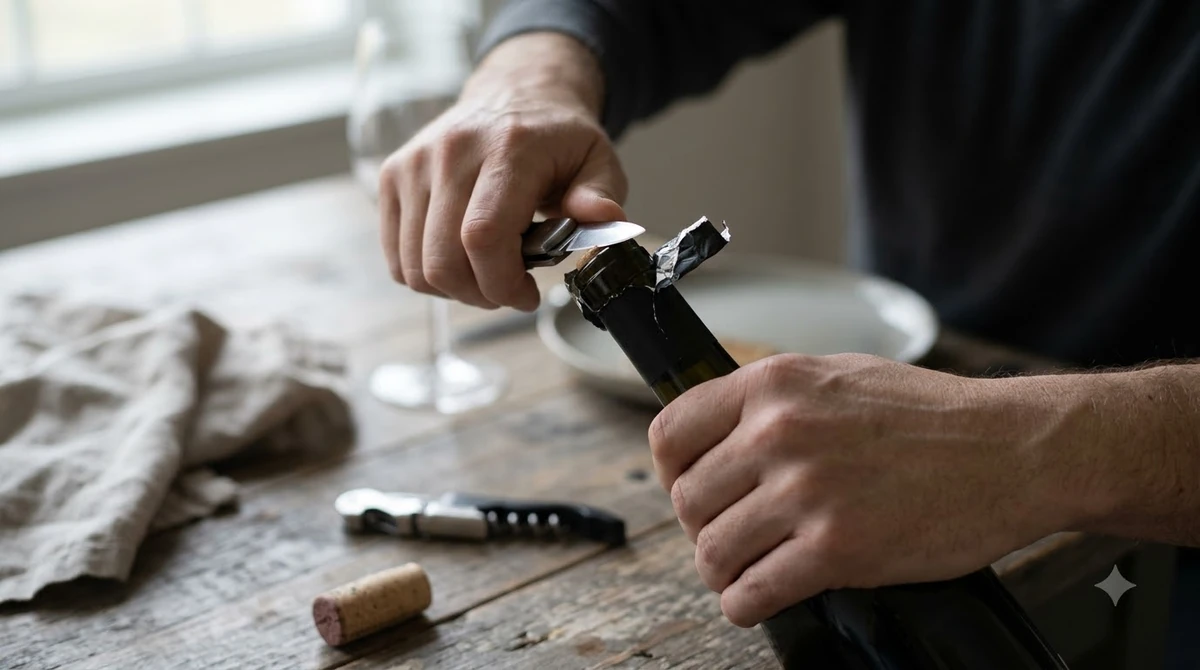
Everyday Chardonnay works especially well for people who regularly serve white wine with dinner. Its medium body gives it more weight than many lighter white wines, while its generally moderate acidity makes it approachable alongside a wide variety of foods. A bottle can work with roasted chicken on Monday, shrimp pasta on Wednesday, and a cheese board on the weekend.
It is also a useful starting point for shoppers who are still learning what they like. Chardonnay is not a single, narrowly defined flavor profile. A stainless-steel-fermented bottle can taste crisp and lemony, while an oak-influenced version can have notes of vanilla, toasted nuts, and butter. Trying these two styles helps identify personal preferences before spending more on specific producers or regions.
Shoppers who enjoy inexpensive wine for casual gatherings should consider Chardonnay’s flexibility. It is familiar enough for many guests, works with several common foods, and can be served without complicated preparation. A standard 750 ml bottle provides approximately five 5-ounce servings, making it straightforward to plan quantities for dinner.
However, inexpensive Chardonnay is not necessarily the right choice for every occasion. Someone seeking a highly complex white Burgundy with extended aging potential will have different expectations from someone purchasing a refreshing bottle for grilled chicken. The goal with an everyday wine is consistency, enjoyable fruit character, and a finish that makes another glass appealing.
Shoppers who prefer wines without noticeable sweetness should also remember that Chardonnay is typically dry. Its ripe fruit aromas can suggest sweetness even when the wine contains little residual sugar. For a closer explanation of that distinction, see this guide to dry Chardonnay.
Key Factors to Compare When Buying Chardonnay
The most useful comparisons are oak treatment, growing climate, fruit ripeness, acidity, and alcohol level. These characteristics provide a much better indication of the wine’s likely flavor than the appearance of its bottle or the attractiveness of its label.
| Factor | What to Look For | Likely Wine Character |
|---|---|---|
| Oak treatment | Unoaked, stainless steel, or oak-aged | Crisp fruit or creamy vanilla and toast |
| Growing climate | Cool or moderate climate | More citrus and freshness |
| Fruit ripeness | Green apple to tropical fruit | Lean or ripe fruit character |
| Acidity | Moderate to medium-high | Freshness and food compatibility |
| Alcohol | Commonly around 12% to 15% ABV | Lower or higher perceived warmth |
| Serving temperature | 50°F to 55°F | Better balance of fruit and aroma |
| Bottle size | 750 ml standard bottle | Approximately five 5-ounce glasses |
Oak or stainless steel
Oak treatment is one of the biggest influences on Chardonnay’s personality. Stainless steel fermentation and storage preserve fresh fruit aromas, producing a wine that can feature lemon, green apple, pear, and a clean finish. Oak aging introduces additional flavors such as vanilla, coconut, toast, baking spice, and sometimes caramel.
Oak also affects texture, although the buttery sensation associated with Chardonnay is not simply a result of barrel aging. Malolactic fermentation converts sharper malic acid into softer lactic acid, creating a rounder impression. The process can produce buttery aromas through compounds such as diacetyl. Some wines undergo full malolactic fermentation, while others receive partial treatment or avoid it.
For shoppers who prefer freshness, stainless-steel-fermented Chardonnay is often a sensible starting point. It allows the grape’s fruit characteristics to remain prominent without relying on expensive new barrels. For someone who prefers a richer wine, a lightly oaked bottle may offer a more satisfying combination of fruit, texture, and spice.
Climate and grape ripeness
Growing conditions influence the balance between acidity and ripe fruit. Cooler regions generally preserve more acidity and produce flavors associated with lemon, green apple, and citrus peel. Warmer regions and later harvesting can encourage peach, pineapple, melon, and other tropical fruit characteristics.
California offers a particularly wide selection because its Chardonnay-growing areas include both cooler coastal vineyards and warmer inland locations. Chile’s Casablanca Valley, parts of Australia, and South Africa’s Western Cape are also useful places to explore when comparing different expressions of the grape.
Alcohol and body
Alcohol content can help indicate the wine’s general weight, although it should never be considered a complete measure of quality. Chardonnay commonly falls within approximately 12% to 15% ABV. Cooler-climate wines often occupy the lower portion of that range, while richer expressions from warmer climates can reach higher levels.
Body matters because it influences how the wine feels alongside food. A lighter Chardonnay works comfortably with delicate seafood, salads, and simple chicken dishes. A fuller Chardonnay can handle roasted poultry, creamy pasta, and dishes with more substantial sauces.
Tip: If you are unsure which style to buy, begin with an unoaked or lightly oaked Chardonnay. Fresh apple and citrus flavors are generally easier to recognize, making it simpler to decide whether you want more richness or more oak in your next bottle.
Step-by-Step: How to Choose a Good Bottle
A reliable buying process starts with your preferred flavor profile, then narrows the options by region, production method, and intended use. You do not need extensive wine knowledge to make a sensible selection.
-
Decide whether you prefer crisp or creamy wine.
Think about your previous experiences with white wine. If you enjoy lemon, green apple, and refreshing acidity, look for unoaked Chardonnay. If you prefer vanilla, butter, baked apple, and a fuller mouthfeel, consider an oak-influenced style.
-
Choose a suitable region.
For freshness, investigate Chablis, Chile’s Casablanca Valley, Oregon, and cooler parts of California. For riper fruit and fuller body, consider California’s warmer growing areas, southern Australia, and Argentina’s Mendoza region.
-
Read the winemaking description.
Terms such as stainless steel, unoaked, barrel fermented, oak-aged, and malolactic fermentation can reveal more about the expected flavor than general promotional language. Stainless steel generally suggests a fresher profile, while oak and lees aging can indicate additional richness.
-
Consider the food you plan to serve.
Choose a lighter Chardonnay for shrimp, oysters, and delicate white fish. For roast chicken, mushroom dishes, or creamy pasta, a fuller wine with moderate oak influence may be a better match.
-
Compare the producer and regional information.
Look for clear information about the wine’s origin and production style. Established regional producers and straightforward descriptions can make comparison easier, especially when choosing between unfamiliar labels.
-
Buy with the occasion in mind.
An everyday dinner bottle does not need the same complexity as a wine intended for a special meal. For casual drinking, prioritize clean fruit, balanced acidity, and a style you already enjoy.
-
Serve the wine at an appropriate temperature.
Chill the bottle before opening, then allow it to warm slightly in the glass if its aromas seem muted. A temperature around 50°F to 55°F is a useful general target for Chardonnay.
This approach also helps prevent unnecessary experimentation. Rather than purchasing several unrelated bottles, compare wines that share similar characteristics and change one variable at a time. For example, try two unoaked Chardonnays from different regions before moving to a buttery California style.
For shoppers building a broader understanding of the category, the site’s Wine Buying Guides provide additional information about choosing wine by style, region, and occasion.
Affordable Chardonnay Types and Styles Explained
Inexpensive Chardonnay generally falls into several recognizable styles, from lean stainless-steel wines to fruit-forward expressions and richer oak-influenced bottles. Understanding these categories makes it easier to predict what is inside the bottle before opening it.
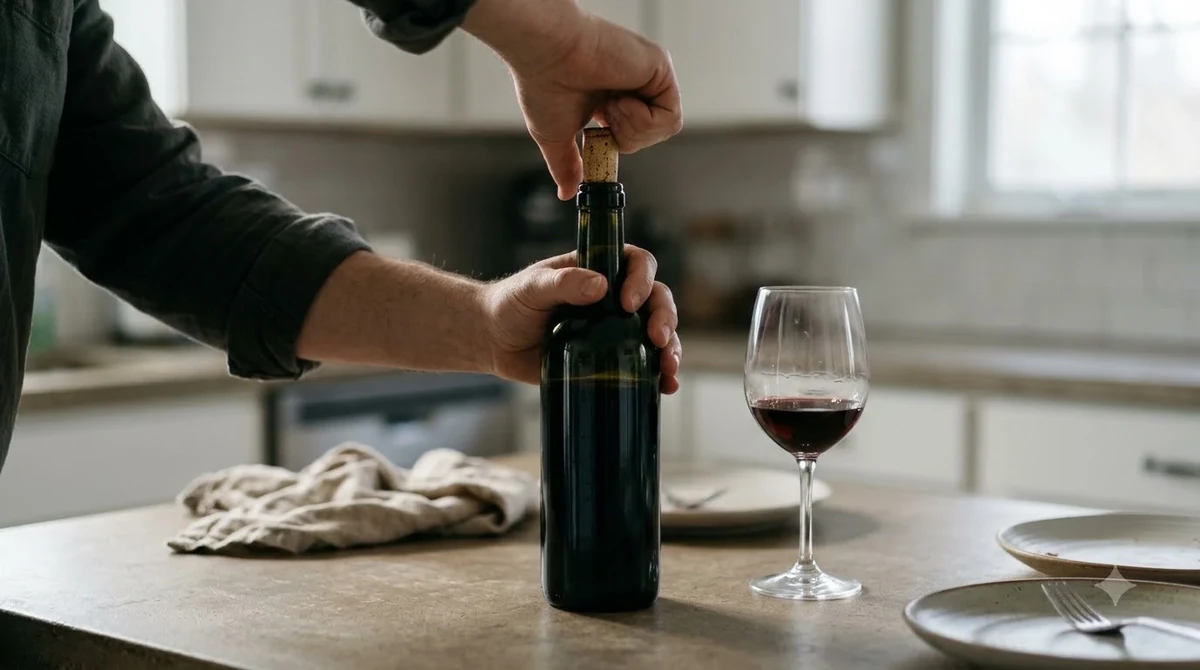
Unoaked Chardonnay
Unoaked Chardonnay is often the most straightforward option for drinkers who enjoy crisp white wine. It is commonly fermented and stored in stainless steel, which limits the influence of wood and helps retain fresh fruit character.
Typical flavors include lemon, lime, green apple, pear, and sometimes subtle mineral notes. The acidity can feel particularly refreshing, especially when the wine comes from a cooler growing area. It is a useful alternative for someone who normally purchases Sauvignon Blanc but wants a wine with slightly more body.
Chile, Oregon, California’s Sonoma Coast, and parts of Western Australia are regions worth exploring. The style can be particularly suitable for casual lunches, seafood, and warm-weather gatherings.
Lightly oaked Chardonnay
Lightly oaked Chardonnay provides a middle ground between crisp stainless-steel wines and heavily buttery expressions. The wine retains recognizable fruit character while gaining subtle notes of toast, vanilla, or baking spice.
Producers can achieve this balance through limited barrel aging, older neutral barrels, or a combination of stainless steel and wood. Lees contact and partial malolactic fermentation may also contribute texture without making the wine excessively rich.
This style is especially useful for households where different people prefer different white wine profiles. It has enough weight for roast chicken and pasta while maintaining enough freshness for seafood and vegetable dishes.
Rich, buttery Chardonnay
Rich Chardonnay typically combines ripe fruit with noticeable oak influence and a rounder mouthfeel. Common aromas include vanilla, butter, baked apple, pineapple, coconut, and toasted nuts.
California is an important source of this style, particularly from warmer growing areas. Some Australian wines also emphasize ripe fruit and fuller textures. These bottles can be appealing to drinkers who enjoy creamy sauces, roasted poultry, and richer seafood preparations.
However, heavy oak is not automatically a sign of superior quality. An inexpensive wine can use oak alternatives such as chips or staves to introduce wood-related flavors. These methods can provide an oaky impression without the same barrel-aging process used for more expensive wines.
Cool-climate Chardonnay
Cool-climate Chardonnay is a useful category for people who want freshness without sacrificing the grape’s natural body. The wines often show lemon, green apple, pear, and mineral characteristics, supported by more noticeable acidity.
Chablis is a classic example from France, while Oregon and Chile provide other regional expressions worth investigating. Entry-level wines from the Mâconnais in Burgundy can also be appealing to shoppers interested in French Chardonnay.
Decanter’s discussion of Chardonnay production and regional differences explains how climate, oak, and winemaking influence the grape. Its Chardonnay regional and winemaking guide is a useful reference for understanding why wines made from the same grape can taste so different.
Fruit-forward Chardonnay
Fruit-forward Chardonnay emphasizes ripe fruit rather than pronounced oak or mineral character. Depending on growing conditions, it can feature peach, melon, pineapple, pear, and apple.
This category can be especially approachable for people who enjoy aromatic white wines but do not want an obviously buttery finish. It also provides a flexible choice for informal gatherings where guests have different preferences.
One important distinction is that fruit-forward does not necessarily mean sweet. Chardonnay is typically dry, and ripe fruit aromas can create an impression of sweetness without the wine actually containing substantial residual sugar. Shoppers who genuinely want a sweeter profile should explore a dedicated guide to sweet Chardonnay.
Common Mistakes When Buying Cheap Chardonnay
The biggest purchasing mistakes come from assuming that every Chardonnay tastes the same or using one characteristic as a substitute for overall quality. A little attention to style, acidity, and production information can prevent disappointing purchases.
Assuming inexpensive Chardonnay must be sweet
One of the most common misunderstandings is confusing ripe fruit flavors with sugar. Pineapple, peach, and melon can smell sweet even when the wine is technically dry. Chardonnay is generally produced as a dry white wine, although individual bottlings can vary in residual sugar.
If you prefer a dry wine, focus on the producer’s description and the overall style rather than relying on fruit-related tasting notes. Citrus, green apple, mineral, and crisp are useful clues, although none independently guarantees a particular sugar level.
Choosing solely by the bottle design
Packaging can communicate a brand’s personality, but it does not reliably predict the wine’s balance or quality. A heavy bottle, elaborate label, or decorative closure is not proof that the Chardonnay inside will be enjoyable.
Pay more attention to the producer, growing region, and production description. A simple label from a reliable regional producer can be a better everyday choice than an unfamiliar bottle with expensive-looking packaging.
Assuming all oak flavors come from expensive barrels
Oak influence can come from several winemaking techniques. Traditional barrel aging introduces flavor and allows limited oxygen exposure, while oak chips and staves can provide wood-related aromas in a tank.
New barrels are expensive, so lower-cost wines may use alternatives to achieve vanilla, toast, or spice characteristics. This does not automatically make a wine poor. The important question is whether the resulting flavor is balanced and enjoyable.
Ignoring acidity
Acidity is essential to how refreshing a white wine feels. A Chardonnay with ripe fruit but insufficient freshness can seem heavy, especially when served alongside rich food.
Cooler-climate Chardonnay often provides a brighter profile, making it useful for seafood, salads, and dishes containing lemon. A richer style may be more suitable for creamy sauces and roasted poultry.
Serving Chardonnay too cold
Very cold wine can have muted aromas and less expressive fruit. Although chilling is important, taking a bottle directly from an extremely cold refrigerator to the table can make it harder to appreciate its character.
A general serving range of 50°F to 55°F works well for many Chardonnay styles. Lighter, fresher examples can be served toward the cooler end, while fuller-bodied oak-aged wines benefit from slightly warmer serving temperatures.
Expecting every affordable bottle to improve with age
Most inexpensive Chardonnay is made for relatively early drinking rather than long-term cellaring. Its appeal usually comes from fresh fruit, approachable texture, and immediate drinkability.
Keeping a simple everyday bottle for many years does not necessarily improve it. If the wine is intended for regular meals, opening it while its fruit remains fresh is generally a more sensible approach than treating it like a collectible wine.
Care, Serving, and Storage Tips
Good storage and serving practices help inexpensive Chardonnay retain its freshness and make its aromas easier to appreciate. Temperature, exposure to air, and how quickly an opened bottle is consumed all matter.
Chill before serving
For most Chardonnay, aim for approximately 50°F to 55°F. Wine Enthusiast recommends this general range because excessive warmth can make alcohol seem more prominent, while excessive cold can mute the aromas and flavors.
A practical method is to refrigerate the bottle before dinner and remove it shortly before pouring. If the wine seems too cold, allow it to sit in the glass for a few minutes. Its fruit and aromatic character should become easier to recognize as the temperature rises.
Use an appropriate glass
A standard white wine glass is sufficient for everyday Chardonnay. A reasonably wide bowl provides space for aromas to develop while keeping the wine cool enough to enjoy.
There is no need to purchase specialized glassware simply to drink an inexpensive bottle. Clean, odor-free glasses are more important than an expensive design. Avoid glasses that retain detergent or kitchen odors because these can interfere with the wine’s aromas.
Store unopened bottles correctly
For bottles intended for short-term storage, choose a cool, dark location away from direct sunlight and strong temperature fluctuations. A storage temperature near 55°F is a useful general target for wine.
Bottles with traditional cork closures are generally stored on their sides for longer-term storage to help keep the cork from drying out. Avoid placing wine beside ovens, radiators, or windows that receive strong sunlight. Heat and temperature changes can accelerate deterioration.
Preserve an opened bottle
Once opened, Chardonnay begins interacting with oxygen. Replace the closure after pouring and refrigerate the remaining wine. Many still wines retain acceptable freshness for approximately three to five days under refrigeration, although delicate bottles can lose their best aromas sooner.
Do not leave an opened bottle on a dining table overnight. Refrigeration slows oxidation and helps preserve the wine’s fruit character. Remove it from the refrigerator shortly before the next serving if it becomes excessively cold.
Pair with the right food
Chardonnay’s moderate acidity and flexible body make it suitable for a wide range of meals. The key is matching the wine’s weight and intensity to the food rather than choosing pairings based only on the grape name.
- Unoaked Chardonnay: Pair with oysters, shrimp, scallops, grilled cod, fresh goat cheese, and lemon-seasoned vegetables.
- Lightly oaked Chardonnay: Serve with roast chicken, turkey, pork loin, mushroom risotto, or grilled white fish.
- Rich Chardonnay: Match with creamy pasta, crab cakes, roasted chicken, lobster, and dishes containing butter-based sauces.
- Fruit-forward Chardonnay: Try with grilled vegetables, mild cheeses, seafood salads, and simple poultry dishes.
Acidity matters particularly when food includes lemon, vinegar, or other tart ingredients. The wine should have comparable or greater acidity so that it does not taste flat alongside the meal. Salt and fat can soften the perception of richness and help create a more balanced combination.
For additional pairing inspiration, Wine Folly’s Chardonnay wine guide discusses different flavor profiles, serving temperatures, and suitable foods.
Frequently Asked Questions
Is Chardonnay made from green or red grapes?
Chardonnay is made from green-skinned grapes, which produce white wine when fermented without extended skin contact. Its pale color can range from light straw to deeper golden yellow depending on ripeness, winemaking, and aging. The grape is also used in sparkling wines, including Blanc de Blancs Champagne.
Does Chardonnay contain tannins?
Chardonnay generally has little to no noticeable tannin because it is a white wine made without prolonged contact with grape skins. This helps explain its smooth texture compared with many red wines. Any subtle drying sensation in an oak-aged example may come from wood influence rather than substantial grape-skin tannin.
Can Chardonnay be used for cooking?
Yes. Dry Chardonnay can be used in pan sauces, seafood preparations, risotto, and chicken dishes. A simple unoaked or lightly oaked style is particularly versatile because its fruit and acidity complement ingredients without adding strong vanilla or toasted oak flavors. Avoid using a wine that has developed unpleasant oxidation aromas.
Is Chardonnay suitable for making wine spritzers?
Yes. A dry, fruit-forward Chardonnay can work in a simple white wine spritzer with chilled sparkling water. A practical starting proportion is three parts wine to one part sparkling water, served over ice with a lemon slice. Lighter unoaked versions are generally more refreshing in this preparation than heavily oaked examples.
What is the difference between Chardonnay and Blanc de Blancs?
Chardonnay is a grape variety, while Blanc de Blancs is a wine designation meaning white wine made from white grapes. In Champagne, Blanc de Blancs is made exclusively from white grape varieties, most commonly Chardonnay. It undergoes a second fermentation in the bottle, creating its characteristic bubbles and additional complexity.
Finding a satisfying everyday Chardonnay is less about choosing the most expensive-looking bottle and more about understanding oak, climate, acidity, and fruit character. Start with an unoaked style if you prefer freshness, or choose a lightly oaked expression if you enjoy a rounder texture and subtle vanilla notes. Once you identify the characteristics you enjoy, comparing regions and producers becomes much easier, and affordable Chardonnay can become a dependable part of your regular wine selection.
More in Wine Buying Guides
 Cheap Red Blend: How to Find a Flavorful Bottle for LessUpdated Nov 20, 2026
 Pinot Grigio Gift: How to Choose a Bottle They’ll EnjoyUpdated Nov 20, 2026
 Best White Wine at Total Wine for Every MealUpdated Nov 20, 2026
 Wine Fridge Replacement Shelves: Find the Right FitUpdated Nov 20, 2026
 Best Sparkling Wine Under 20: Find Bubbles Worth BuyingUpdated Nov 20, 2026
 Best Wine For Birthday Celebrations With Perfect Party PairingsUpdated Nov 20, 2026