

We may earn a commission when you buy through links on this page, at no extra cost to you. Learn more.
Sutter Home wine price typically ranges from about $5 to $10 for a 750 ml bottle, depending on the varietal and retailer, with larger 1.5-liter bottles generally costing about $9 to $14. The brand offers affordable red, white, and pink wines, including White Zinfandel, Moscato, Chardonnay, Cabernet Sauvignon, and Merlot. Four-packs of 187 ml bottles provide another option for smaller servings, while larger bottles can make sense for parties and regular entertaining. Prices vary by state, retailer, bottle size, and local availability.
Sutter Home occupies a familiar place in American wine shopping: an accessible brand with recognizable varieties, approachable fruit flavors, and several packaging options. Its selection ranges from sweeter wines such as Moscato and White Zinfandel to traditional varietals such as Cabernet Sauvignon and Sauvignon Blanc. Understanding the differences between bottle sizes and wine styles makes it easier to compare shelf prices and choose a bottle that suits both your budget and your preferences.
Who This Is For
Sutter Home is a practical option for shoppers who want familiar wine styles without committing to premium-bottle spending. A standard 750 ml bottle serves approximately five glasses at a conventional 5 oz pour, making it suitable for a casual dinner, a small gathering, or an occasional glass at home.
This buying guide is particularly useful for shoppers comparing inexpensive wines at grocery stores, supermarkets, and neighborhood liquor stores. Someone choosing between White Zinfandel and Moscato, for example, needs to consider sweetness and serving occasion as well as the amount displayed on the shelf. The two wines occupy different styles even though they can appear in similar price brackets.
It also helps people buying wine for a group. A 1.5-liter bottle contains twice the wine of a standard 750 ml bottle, while a four-pack of 187 ml bottles provides four separate portions. Those formats serve different purposes, and the lowest shelf price does not automatically represent the lowest cost per serving.
Shoppers who prefer dry wines can also find familiar choices within the collection. Chardonnay, Pinot Grigio, Sauvignon Blanc, Merlot, and Cabernet Sauvignon offer alternatives to the sweeter pink and fruit-forward styles. The brand’s official collection organizes these options into red, white, and pink categories, making it relatively straightforward to narrow down the selection.
For a broader overview of the available varieties, start with Sutter Home’s official wine collection. Shoppers who are still comparing producers can also explore our wider Wine Brands coverage before settling on a bottle.
Key Factors to Compare
The most useful comparison starts with bottle size, varietal, sweetness, and cost per ounce. A standard bottle, a four-pack of minis, and a 1.5-liter bottle may all appear in the same product family, but they deliver different amounts of wine and different levels of convenience.
| Format or wine | Typical listed price range | Wine volume | Approximate 5 oz servings |
|---|---|---|---|
| White Zinfandel, 750 ml | $5–$8 | 750 ml | 5 |
| Moscato, 750 ml | $5–$10 | 750 ml | 5 |
| Chardonnay, 750 ml | $5–$10 | 750 ml | 5 |
| Cabernet Sauvignon, 750 ml | $7–$10 | 750 ml | 5 |
| Merlot, 750 ml | $5–$10 | 750 ml | 5 |
| White Zinfandel, 1.5 liters | $9–$14 | 1,500 ml | 10 |
| Four-pack of 187 ml bottles | $6–$10 | 748 ml total | About 5 |
These are approximate US retail comparison ranges, not guaranteed national shelf prices. The 750 ml ranges reflect listings from Whitehouse Liquor & Wine and other US retailers, while the larger-bottle and mini-pack ranges reflect listings from Target and Whitehouse Liquor & Wine. Prices vary by state and retailer, and local taxes, inventory, and delivery arrangements can change the amount paid.
According to Whitehouse Liquor & Wine, listed examples include White Zinfandel 750 ml at $5.99, Moscato 750 ml at $6.99, Chardonnay 750 ml at $5.99, and Merlot 750 ml at $5.99. Its 1.5-liter White Zinfandel listing is $10.49, illustrating why shoppers should compare total volume rather than relying on the shelf price alone. See the retailer’s Sutter Home wine selection and listed bottle prices for these examples.
Packaging also affects how convenient a purchase is. A 750 ml bottle is a sensible default for one or two people, whereas four mini bottles allow individual portions without opening a full-size bottle. A 1.5-liter bottle makes more sense when several guests are drinking the same wine.
Calculate the cost per serving
A standard 750 ml bottle contains approximately 25.4 US fluid ounces. At a 5 oz serving, that works out to approximately five glasses. A 1.5-liter bottle contains approximately 50.7 fluid ounces, or about ten standard servings.
Consider two hypothetical shelf-price comparisons within the ranges above: a 750 ml bottle costing $7 and a 1.5-liter bottle costing $12. The smaller bottle costs approximately $1.40 per standard serving, while the larger bottle costs approximately $1.20 per serving. The larger format provides a lower serving cost in this example, although the purchase requires more wine upfront.
There is another detail worth considering: four 187 ml bottles contain 748 ml in total, almost the same volume as a 750 ml bottle. If the four-pack costs more than a standard bottle, the extra expense is effectively paying for individual packaging and portion convenience rather than additional wine.
Tip: Compare the total fluid ounces or milliliters before choosing a package. A 1.5-liter bottle contains twice as much wine as a 750 ml bottle, while four 187 ml minis contain almost the same volume as one standard bottle.
Step-by-Step: How to Choose a Sutter Home Bottle
A straightforward buying process prevents shoppers from choosing a wine simply because it has the lowest shelf price. Start with the style you actually enjoy, then compare package sizes and serving needs before making a purchase.
- Decide how sweet you want the wine.
Begin by separating sweeter choices from more traditional dry styles. Moscato, Pink Moscato, and White Zinfandel are natural starting points for shoppers who enjoy noticeable fruit sweetness. Cabernet Sauvignon, Merlot, Pinot Grigio, and Sauvignon Blanc are better starting points for those seeking more conventional red or white wine profiles.
- Choose a color and varietal.
Think about whether you want red, white, or pink wine. Cabernet Sauvignon is a fuller red option, Merlot is generally softer, Pinot Grigio is a lighter white choice, and White Zinfandel offers a pink wine with strawberry and melon character.
- Choose the bottle format.
For a regular evening at home, start with 750 ml. For a dinner with several wine drinkers, consider 1.5 liters. If everyone wants an individual serving or you do not expect to finish a bottle, a four-pack of 187 ml bottles may be more convenient.
- Compare the actual retail listings.
Look at at least two local retailers when possible. Compare the same varietal and bottle size rather than comparing a 750 ml Moscato with a 1.5-liter White Zinfandel. A listing of $6.99 for a 750 ml bottle cannot be compared fairly with a $9.99 listing for 1.5 liters without accounting for volume.
- Consider the meal or occasion.
For grilled steak, Cabernet Sauvignon is a familiar choice. For seafood, consider Pinot Grigio or Sauvignon Blanc rather than a heavily tannic red. Moscato and sweeter pink wines can work with fruit desserts and moderately spicy dishes, provided the wine is at least as sweet as the dessert.
- Check the serving requirements.
Plan to chill white and pink wines before serving. Light whites and rosé generally work well at 45–50 degrees Fahrenheit, while full-bodied whites are better around 50–55 degrees. Red wines are often more enjoyable slightly cooler than a warm room, with light reds at 55–60 degrees and fuller reds at 60–65 degrees.
- Buy according to realistic consumption.
Choose a larger bottle only when there will be enough people to enjoy it or you have a plan for storing the opened wine. A lower cost per ounce does not help if a significant portion of the bottle goes unfinished.
This process is particularly helpful when shopping for a gathering. A group that prefers sweet pink wine might be better served by a larger White Zinfandel bottle than several unrelated varietals. A dinner featuring steak and roasted vegetables may call for Cabernet Sauvignon or Merlot instead.
Types and Styles Explained
Sutter Home’s collection covers several familiar wine categories, from sweet and fruity pink wines to conventional dry reds and whites. Understanding the main differences helps shoppers choose a bottle based on flavor expectations rather than assuming all inexpensive wines taste alike.
White Zinfandel
White Zinfandel is one of the most recognizable wines associated with Sutter Home. It has strawberry and melon characteristics and is generally associated with a softer, fruit-forward pink wine style. It is a reasonable choice for people who enjoy lighter wines with noticeable sweetness.
The wine also has an important place in the producer’s history. According to Sutter Home’s official history, the original White Zinfandel was first produced in 1972 using the saignée technique. A later fermentation problem left the 1974 vintage with residual sugar and a light pink color, helping establish the sweeter style that customers embraced in 1975.
For shoppers comparing Sutter Home White Zinfandel, the most useful considerations are sweetness, serving temperature, and package size. It works well chilled and can accompany casual lunches, fruit-based dishes, and moderately spicy food.
Moscato and Pink Moscato
Moscato is a popular choice for drinkers who prefer sweet, aromatic wines. Sutter Home describes its Moscato as creamy with peach characteristics, while Pink Moscato is associated with bright berry aromas and sweet fruit flavors.
These wines suit fruit desserts, lightly sweet pastries, and gatherings where guests prefer approachable wines. Moscato can also work with spicy food because its sweetness offers contrast, although high alcohol and tannin can intensify chili heat. Serve sweet whites around 43–50 degrees Fahrenheit to keep their sweetness refreshing.
The distinction between regular Moscato and Pink Moscato is primarily the wine’s style and flavor presentation. Pink Moscato is a fruit-forward pink option, while regular Moscato is a white wine. For shoppers comparing the white version, our Sutter Home Moscato coverage provides additional guidance.
Chardonnay
Chardonnay offers a familiar white-wine alternative for people who want something different from Moscato. Sutter Home describes its Chardonnay with pear, apple, and peach characteristics and a richer, creamy profile.
Chardonnay generally has medium acidity, making it flexible with roasted chicken, creamy pasta, and moderately rich seafood dishes. It is usually served around 50–55 degrees Fahrenheit when fuller-bodied, although lighter expressions can benefit from slightly cooler temperatures.
Pinot Grigio and Sauvignon Blanc
Pinot Grigio is generally the lighter, crisp option for shoppers seeking refreshing white wine. Sutter Home describes floral aromas in its Pinot Grigio, making it a suitable starting point for people who prefer uncomplicated white wines with fresh character.
Sauvignon Blanc provides another direction, with the producer describing passion fruit, melon, and citrus characteristics. Sauvignon Blanc typically has high acidity, so it can work especially well with salads, seafood, and dishes containing citrus or fresh herbs.
Cabernet Sauvignon and Merlot
Cabernet Sauvignon is a traditional red-wine option with higher tannin, making it a natural partner for red meats and richer meals. Sutter Home specifically identifies homemade chicken dishes, red meats, game, and mildly seasoned pasta as pairing possibilities for its Cabernet Sauvignon.
Merlot generally has medium tannin and softer fruit characteristics than Cabernet Sauvignon. It is a sensible choice for shoppers who want red wine without the more pronounced tannic structure associated with Cabernet. Both varieties can accompany dinner, but the meal should determine the final selection.
Sweet Red and White Merlot
Sweet Red Wine provides another option for drinkers who prefer fruit-forward flavors. Sutter Home describes its Sweet Red as combining peach and cherry characteristics. It is suited to casual occasions and can be served slightly chilled if the wine’s sweetness is prominent.
White Merlot is a pale-pink alternative to conventional red Merlot. It offers a different presentation for shoppers who like the idea of Merlot but prefer a lighter-colored wine. It should not be confused with the tannic structure of a traditional red Merlot.
Common Mistakes When Comparing Sutter Home Prices
The most common purchasing mistake is treating every Sutter Home bottle as interchangeable because the brand sits in an affordable price category. Varietal, sweetness, package volume, and serving occasion all influence whether a purchase represents good value.
Comparing different bottle sizes
A 750 ml bottle and a 1.5-liter bottle should not be compared using the shelf price alone. The larger bottle contains twice the wine, so a higher total price may still represent better value per ounce. Compare the cost of equivalent volumes before deciding.
Assuming all pink wines are identical
White Zinfandel, Pink Moscato, and White Merlot are different wine styles. White Zinfandel has a recognizable strawberry and melon profile, Pink Moscato emphasizes berry fruit and sweetness, and White Merlot presents a lighter pink interpretation of Merlot.
Choosing among them based only on the bottle color can lead to disappointment. Consider the expected sweetness and flavor profile instead.
Choosing a wine solely because it is inexpensive
The lowest shelf price is not necessarily the right purchase. A shopper who dislikes sweet wine may not enjoy Moscato even if it is less expensive than a preferred Chardonnay. Similarly, someone who enjoys lighter reds may find Cabernet Sauvignon too tannic for everyday drinking.
Ignoring the serving size
A 187 ml mini bottle provides approximately 6.3 fluid ounces, or slightly more than one conventional 5 oz serving. Four minis therefore provide approximately the same total wine as a 750 ml bottle. They are convenient, but their individual packaging may increase the cost per ounce.
Buying more wine than necessary
A 1.5-liter bottle is convenient for a gathering, but it may be unnecessary for a household that only drinks one glass occasionally. A standard bottle or individual minis can reduce leftover wine and make portion planning easier.
Expecting every retailer to stock the same varieties
Retailer inventories differ. One store may have several 750 ml wines and a broad mini-bottle selection, while another may carry mostly larger bottles. The absence of a particular varietal on a retailer’s website does not necessarily mean the producer has discontinued it.
Care and Storage Tips
Proper storage and serving temperatures help preserve the flavors of affordable wines just as they do more expensive bottles. Keep unopened bottles away from heat and direct sunlight, and refrigerate opened bottles promptly to slow oxidation.
Store unopened bottles correctly
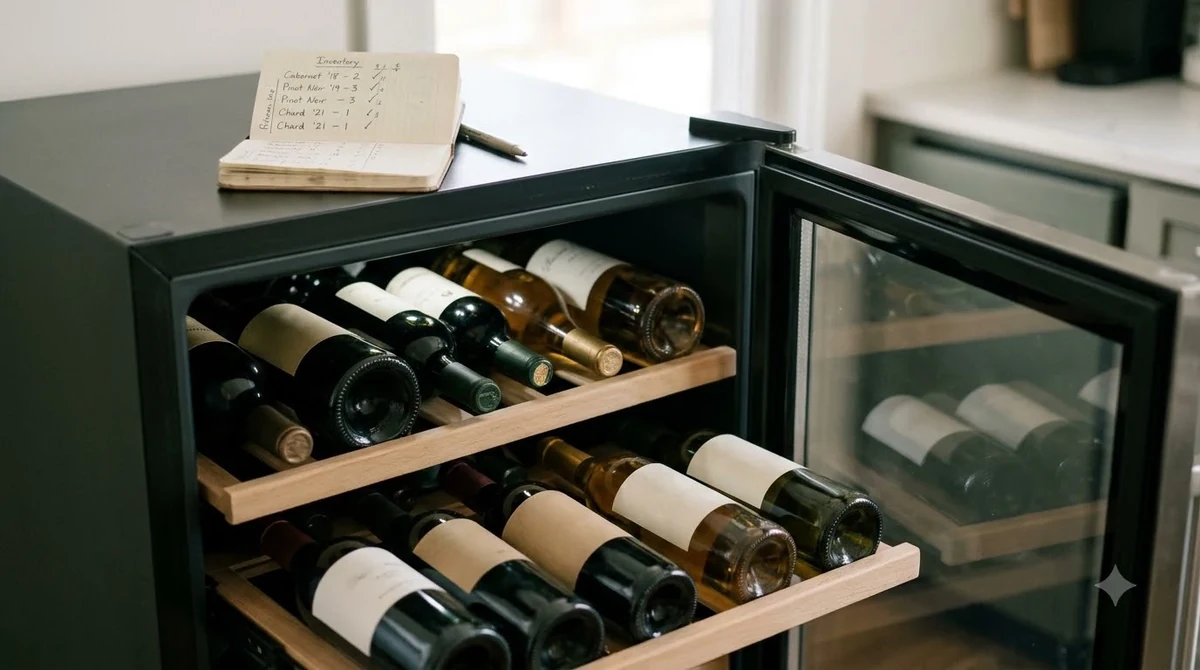
For longer storage, keep wine in a cool, dark location near 55 degrees Fahrenheit with minimal temperature fluctuation. Bottles with traditional cork closures are generally stored on their sides to keep the cork from drying out. Avoid leaving wine in a hot kitchen, near a sunny window, or inside a vehicle.
Most everyday Sutter Home wines are intended for relatively straightforward enjoyment rather than extended cellar aging. There is little reason to purchase several bottles for long-term storage unless there is a particular reason to do so. Buy according to your expected consumption and keep the wine in appropriate conditions.
Serve each style at the right temperature
White Zinfandel, Pink Moscato, Moscato, Pinot Grigio, and Sauvignon Blanc are generally more refreshing when chilled. Light whites and rosé work well around 45–50 degrees Fahrenheit, while sweet whites are typically served around 43–50 degrees.
Chardonnay can be served slightly warmer, around 50–55 degrees Fahrenheit, particularly if it has a fuller profile. Merlot and Cabernet Sauvignon generally show better balance around 55–65 degrees, depending on body. Serving red wine too warm can make alcohol feel more prominent.
Preserve opened bottles
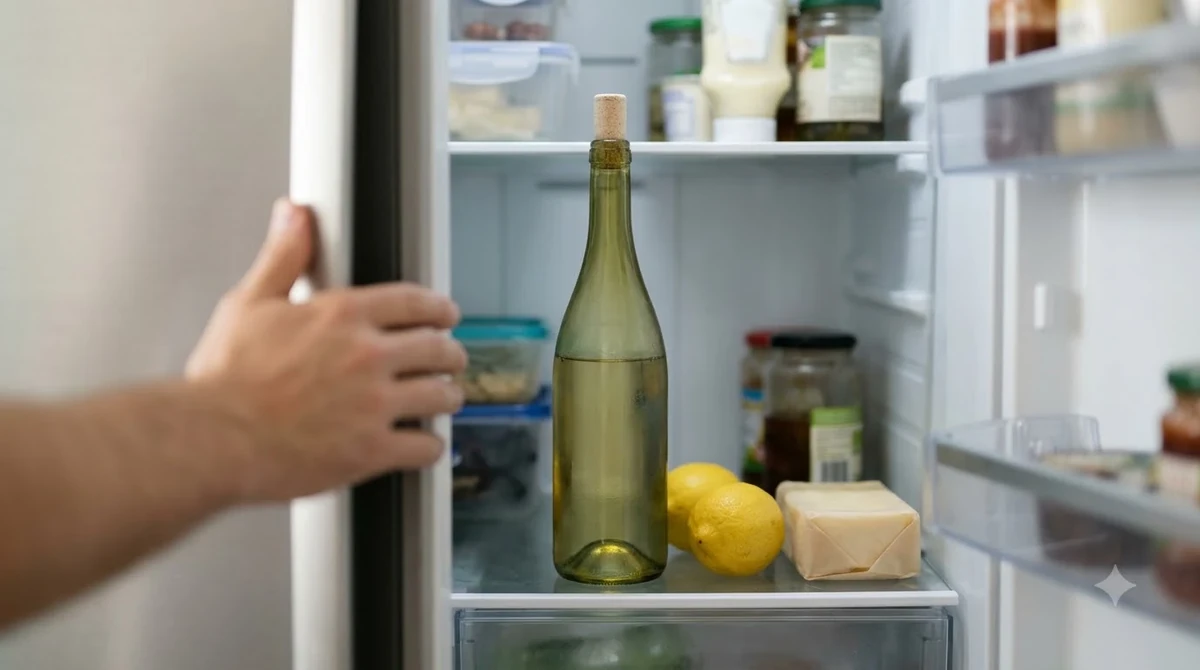
After opening a bottle, replace the closure and refrigerate the remaining wine. Most opened still wines are best consumed within approximately three to five days. This applies to reds, whites, and rosés, although freshness and quality can decline at different rates depending on the wine and storage conditions.
For sparkling wine, the usual refrigerated window is approximately one to three days with an appropriate sparkling-wine stopper. Fortified wines can last several weeks after opening, while bag-in-box wines commonly remain usable for approximately four to six weeks once opened, depending on the packaging and storage conditions.
If a standard Sutter Home bottle is unlikely to be finished within a few days, consider buying individual minis next time. That packaging makes it easier to open only the amount needed rather than repeatedly exposing a larger bottle to air.
Plan portions for gatherings
A 750 ml bottle provides approximately five standard 5 oz pours. For a gathering of ten adults who each want one glass, two standard bottles provide a reasonable starting point. If guests expect two glasses each, plan closer to four bottles, adjusting for the number of people who actually drink wine.
For mixed preferences, offering one white, one red, and one pink option may be more useful than buying several bottles of the same style. A combination of Pinot Grigio, Merlot, and White Zinfandel covers different preferences without making the selection unnecessarily complicated.
Frequently Asked Questions
Is Sutter Home considered an inexpensive wine brand?
Yes. Sutter Home is positioned around accessible, everyday wines rather than luxury or collectible bottles. Its selection includes familiar varietals and multiple package sizes, which makes it practical for casual meals and informal gatherings. Its official brand philosophy emphasizes making wine at a fair price.
Why did Sutter Home White Zinfandel become so popular?
Its popularity was closely connected to the sweeter style that emerged from a fermentation problem involving the 1974 vintage. Sutter Home reports that the wine retained approximately 2 percent residual sugar and quickly attracted customers. By 1987, production had grown to more than 4.5 million cases, compared with 25,000 cases in 1981.
Does Sutter Home offer wine in twist-cap packaging?
The official wine collection identifies Twist & Go as one of its packaging formats, alongside Mini, 750 ml, and 1.5-liter options. Availability of particular varietals and formats depends on the market. Twist-style packaging can be useful for portable occasions where traditional bottle service is less convenient.
How many calories are in a glass of Sutter Home wine?
Calorie content depends on the particular wine, alcohol concentration, and residual sugar. Sweet wines can contain more residual sugar than dry wines, while alcohol also contributes calories. For an accurate figure, consult the nutritional information provided for the specific bottle rather than assuming all varietals have identical values.
Can Sutter Home wines be used for cooking?
Yes. Chardonnay can be used in creamy chicken sauces and pan sauces, while Cabernet Sauvignon and Merlot can contribute flavor to braised beef and tomato-based meat dishes. Choose a wine style that complements the recipe and avoid using a noticeably sweet wine in a savory dish unless its sweetness is intentional.
Sutter Home offers a broad selection of approachable wines in standard, mini, and larger formats, making it possible to find an option for different budgets and occasions. Compare the same varietal across equivalent bottle sizes, then choose according to sweetness, food pairing, and serving needs rather than shelf price alone. For most shoppers, a 750 ml bottle is a sensible starting point, while 1.5-liter bottles and mini packs make more sense when convenience or group size becomes the priority.
More in Wine Brands
 Underwood Wine Price: Compare Bottles, Cans, and Pack SizesUpdated Nov 21, 2026
 Zenato Wine Price: Compare Styles and Choose the Right BottleUpdated Nov 21, 2026
 Zuccardi Wine Price: Compare Bottles and Find the Right RangeUpdated Nov 21, 2026
 Yellow Tail Moscato Review: Taste, Sweetness and Serving TipsUpdated Nov 21, 2026
 Wolf Blass Yellow Label Review: Choose Your Best StyleUpdated Nov 21, 2026
 Wolffer Estate Rose Review: Choose the Right Bottle for Your TableUpdated Nov 21, 2026