


We may earn a commission when you buy through links on this page, at no extra cost to you. Learn more.
What is the best wine for sangria? A dry, fruity, moderately acidic red wine such as Spanish Garnacha is the best all-around choice for traditional sangria. Choose a young, lightly oaked bottle with soft tannins so fresh fruit, citrus, and mixers can contribute flavor without creating excessive bitterness. For lighter pitchers, crisp white wines such as Albariño and Sauvignon Blanc or a fresh, dry rosé are excellent alternatives.
Sangria is a flexible wine-based drink, but the wine you choose determines how well its ingredients work together. A bottle that tastes balanced on its own can provide the right foundation for oranges, apples, berries, brandy, and sparkling mixers. The key is matching the wine’s sweetness, acidity, body, and tannin level to the recipe rather than choosing the boldest or most expensive bottle. This guide explains which grapes to look for, how to compare different styles, and how to prepare a pitcher that tastes refreshing instead of overly sweet or bitter.
Who Should Choose Each Style of Sangria Wine?
The best wine depends on the kind of sangria you want to serve. Dry Spanish reds are the natural starting point for traditional recipes, while crisp whites and fruity rosés work particularly well for lighter gatherings and warm-weather entertaining.
Traditional red sangria: Choose Garnacha, Tempranillo, or a Spanish red blend when you want a familiar fruit-forward pitcher. Garnacha is particularly versatile because its rounded fruit flavors complement oranges, cherries, and berries without requiring a complicated recipe. A young Tempranillo works well when you prefer a darker, spicier character.
White sangria: Choose Albariño, Verdejo, Pinot Grigio, or Sauvignon Blanc when you want a crisp drink with citrus and orchard-fruit flavors. These wines work especially well with peaches, green apples, pears, lemons, and fresh herbs. White sangria is a natural choice for outdoor lunches, brunches, and seafood-oriented menus.
Rosé sangria: Select a dry, fruit-forward rosé when you want something between the richness of red sangria and the freshness of white sangria. Garnacha rosé is a particularly useful option because strawberry and raspberry flavors complement peaches, oranges, and summer berries.
Sparkling sangria: Use Cava or Prosecco when bubbles are part of the intended style. These wines provide a lively finish, but their carbonation should be preserved by adding them shortly before serving rather than allowing them to sit in a pitcher overnight.
Hosts preparing drinks for guests with different wine preferences can make two smaller pitchers rather than forcing every ingredient into one recipe. A red Garnacha pitcher and a white Albariño pitcher offer noticeably different experiences while using many of the same fruit ingredients.
Wine knowledge also helps with selecting ingredients. Understanding what is a sommelier can provide a useful starting point when asking a wine professional for a dry, fruit-forward bottle suitable for mixing.
Key Factors to Compare Before Buying Wine for Sangria
Four characteristics matter most when selecting sangria wine: sweetness, acidity, tannins, and body. A balanced bottle makes it easier to control the finished drink because the fruit, juice, and mixers can contribute their own flavors without overwhelming the wine.
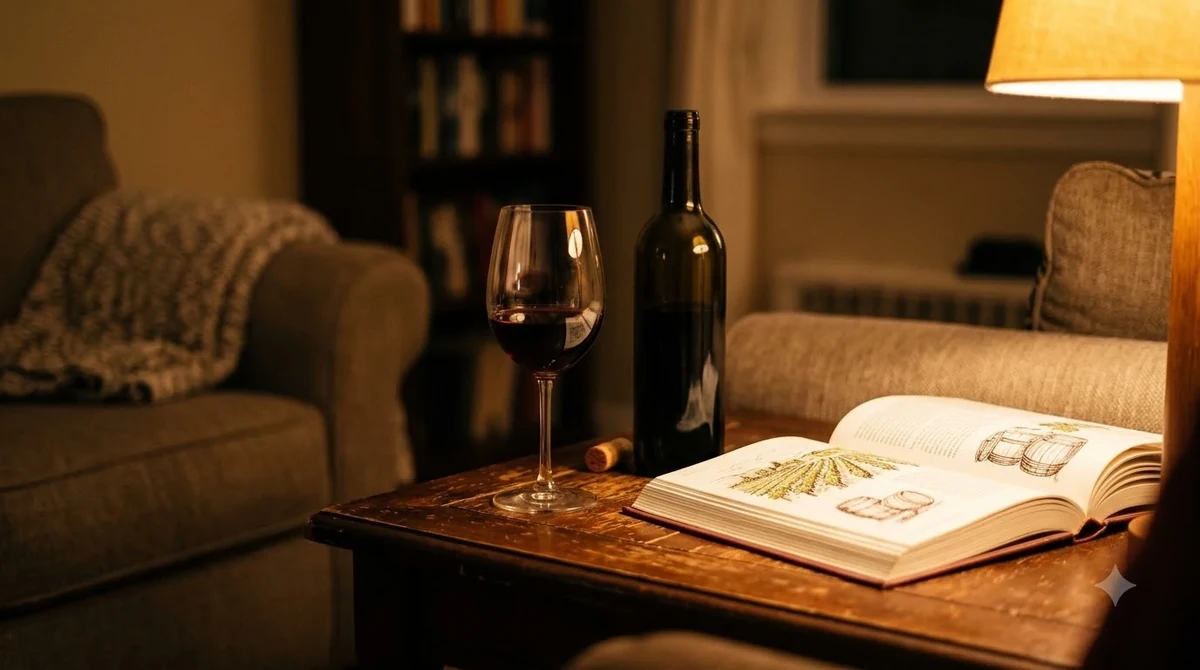
Sweetness: Dry wine is generally the easiest starting point because oranges, peaches, berries, fruit juice, and soda already contribute sweetness. A wine with noticeable residual sugar can make the finished pitcher taste heavy if the recipe also includes sweetened mixers. If you prefer a sweeter sangria, start with a dry wine and add sweetness gradually rather than choosing an intensely sweet bottle from the beginning.
Acidity: Acidity gives sangria freshness and helps counterbalance sugar. A wine that tastes lively and slightly tart usually makes a more refreshing pitcher than a soft wine with little acidity. Albariño, Sauvignon Blanc, Barbera, and many young Spanish reds are useful examples of wines with refreshing acidity.
Tannins: Tannins create a drying, sometimes astringent sensation in the mouth. A wine with substantial tannins can become unpleasantly bitter when combined with citrus pith, sweet fruit, and other cocktail ingredients. Garnacha, Gamay, and many lighter Pinot Noir wines are generally easier choices than heavily structured Cabernet Sauvignon.
For a deeper explanation, read what is tannins in wine. Understanding the difference between tannin and dryness is important: a wine can taste dry because it contains little residual sugar while still having substantial tannin.
Body and oak: Light- to medium-bodied wines usually blend naturally with fruit and mixers. Heavy oak influence can introduce vanilla, toast, smoke, and other flavors that compete with citrus and fresh fruit. This does not mean every wine with oak influence is unsuitable, but a young, relatively unoaked bottle is a safer choice for a first batch.
| Wine characteristic | Preferred choice | Why it matters |
|---|---|---|
| Sweetness | Dry | Leaves room for fruit and mixers |
| Acidity | Medium-high to high | Balances sweetness and keeps the drink fresh |
| Tannins | Low to moderate | Reduces the risk of bitterness |
| Body | Light to medium | Blends more easily with other ingredients |
| Oak influence | Minimal | Allows fruit and citrus flavors to remain prominent |
| Fruit profile | Fresh and aromatic | Complements fresh fruit additions |
| Serving quantity | 750 ml bottle | Provides approximately 5 standard 5-ounce pours |
Think of these characteristics as a practical shopping checklist rather than strict rules. A dry wine with good acidity and moderate body will usually give you more control over the final recipe than a sweet, heavily oaked wine with strong tannins.
Another useful consideration is how the wine will be served. A pitcher poured over ice experiences some dilution, so a wine with enough acidity and fruit intensity will maintain its character better than an already soft, low-acid bottle.
Tip: Taste a small glass of wine before mixing the pitcher. If it tastes fresh, fruity, and balanced without excessive sweetness or drying tannins, it is likely to make a good sangria base. Avoid choosing a bottle simply because the recipe contains lots of fruit that might hide its shortcomings.
Step-by-Step: How to Choose and Prepare Sangria Wine
A good sangria recipe starts with a suitable bottle and adds ingredients gradually. The most reliable approach is to select the wine first, match the fruit and mixer to its flavor, and adjust sweetness only after everything has had time to combine.
- Decide which color of sangria you want. Choose red wine for a traditional pitcher, white wine for a crisp citrus-forward drink, or rosé for a middle-ground style. If you are serving a summer gathering, consider making white sangria with peaches and green apples. For a more traditional tapas-inspired meal, red sangria with oranges and apples is an easy starting point.
- Select the grape variety. For red sangria, start with Garnacha, Tempranillo, Gamay, or Pinot Noir. For white sangria, look for Albariño, Verdejo, Sauvignon Blanc, or Pinot Grigio. For rosé, choose a young, dry example with strawberry or raspberry characteristics.
- Check the wine’s flavor profile. Look for fresh fruit, balanced acidity, and limited oak influence. Avoid bottles that are excessively sweet, unusually tannic, or dominated by strong oak flavors. A simple, well-made wine is more useful than a complicated bottle with subtle characteristics that will disappear once mixed.
- Prepare the fruit. Wash and slice oranges, lemons, apples, peaches, or berries. For red sangria, oranges, apples, and cherries are natural choices. For white sangria, use peaches, green apples, pears, and lemon. Remove damaged fruit and avoid excessive citrus pith, which can contribute bitterness.
- Combine the wine and fruit. Pour the wine into a large pitcher and add the prepared fruit. Stir gently to distribute the ingredients. If the recipe includes brandy or orange liqueur, add a measured amount rather than pouring freely.
- Chill the mixture. Refrigerate the pitcher for at least 2 hours to allow the fruit and wine flavors to combine. Some recipes benefit from longer refrigeration, but delicate fruit can lose its texture if left soaking excessively.
- Adjust the sweetness and acidity. Taste the mixture before adding sugar, syrup, or fruit juice. If it tastes too tart, add a small amount of sweetener. If it tastes too sweet, add a little lemon juice or unsweetened sparkling water.
- Finish and serve. Add sparkling water, lemonade, or sparkling wine according to the recipe. Pour over ice and garnish with fresh fruit. For sparkling sangria, add Cava or Prosecco immediately before serving so the bubbles remain lively.
A useful starting point for a large pitcher is one 750 ml bottle of wine, approximately 1 to 2 cups of prepared fruit, and a modest quantity of juice or mixer. Increase the quantities proportionally for larger gatherings, but avoid automatically increasing sugar and spirits at the same rate as the wine.
For a larger batch, the BBC Good Food sangria guidance uses approximately 500 ml of mixer for 1.4 liters of wine, or two standard 700 ml bottles. It also suggests roughly one part spirit to five parts wine, depending on the spirit’s strength. These are recipe starting points rather than mandatory ratios.
One practical approach is to prepare the wine, fruit, and any noncarbonated ingredients ahead of time, then add soda or sparkling wine when guests arrive. This keeps the pitcher fresh and makes it easier to adjust the final balance after tasting.
Types of Wine Explained: Red, White, Rosé, and Sparkling
Different wine styles create noticeably different sangria profiles. Red offers the most traditional character, white emphasizes freshness, rosé brings soft berry flavors, and sparkling wine adds carbonation for a celebratory finish.
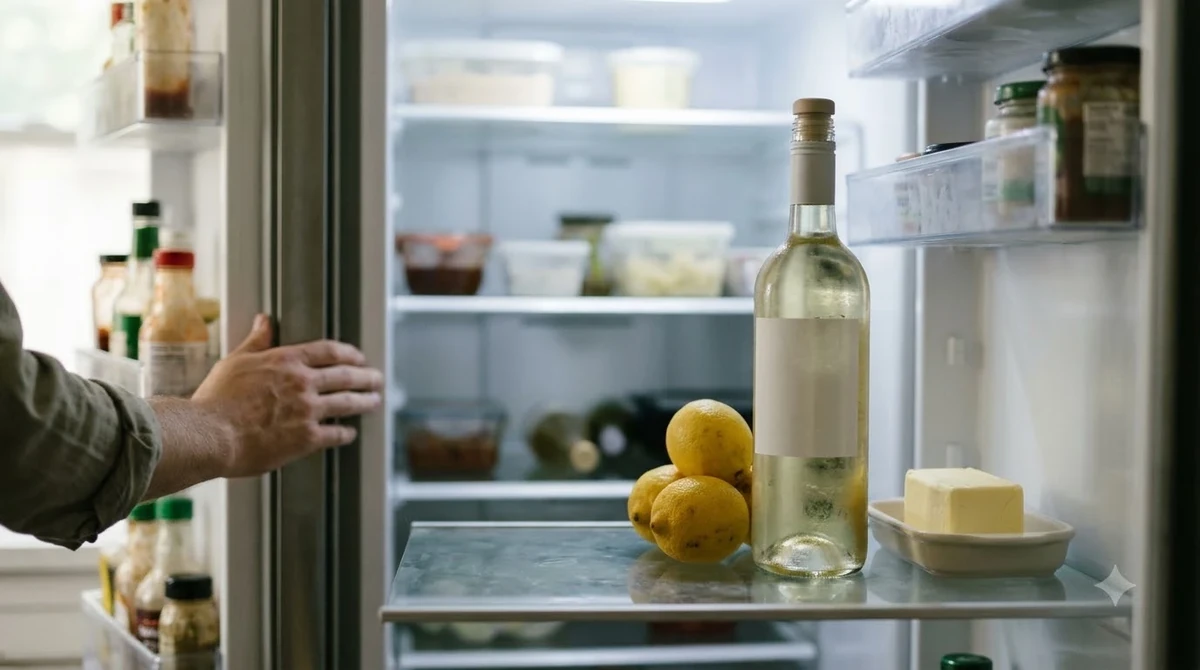
Red wine: Garnacha, Tempranillo, and other fruity reds
Red wine is the classic choice for sangria, and Spanish grapes are particularly suitable for this style. Garnacha, also known as Grenache, is a strong starting point because its ripe red fruit character complements oranges, strawberries, and cherries. It generally offers a rounder, softer profile than highly structured Cabernet Sauvignon.
Tempranillo provides a different experience. Its darker fruit and spice characteristics create a more substantial pitcher that works well with oranges, apples, cinnamon, and modest quantities of brandy. A young, lightly oaked Tempranillo is generally more suitable than an expensive, heavily aged bottle.
Other useful options include Gamay, Beaujolais, Barbera, Zweigelt, and Pinot Noir. Gamay offers tart fruit, Barbera contributes lively acidity, and Pinot Noir provides a lighter-bodied alternative. The best choice depends on whether you want a softer, fruitier pitcher or one with more pronounced tartness.
White wine: Albariño, Verdejo, and Sauvignon Blanc
White sangria is a particularly good option for people who prefer citrus and orchard-fruit flavors. Albariño from Spain’s Rías Baixas region offers refreshing acidity and aromatic fruit, making it suitable for peaches, lemon, green apple, and pears.
Verdejo is another Spanish option, especially when the recipe includes citrus and herbs. Sauvignon Blanc offers bright acidity and recognizable citrus and green-fruit characteristics. Pinot Grigio is a more neutral alternative when you want the fruit and mixer to contribute most of the flavor.
Wine Enthusiast also identifies Cava as an option for lighter, sparkling sangria styles. Its discussion of white sangria emphasizes acidity and matching the wine’s fruit profile to the ingredients. Read its white wine recommendations for sangria for additional grape and style ideas.
Rosé wine: Garnacha rosado and dry rosé
Rosé occupies a useful middle ground between red and white sangria. Its berry flavors can complement strawberries, raspberries, peaches, and orange slices, while its lighter structure makes the finished drink approachable.
Choose a dry or nearly dry rosé rather than one with substantial residual sugar if your recipe includes sweetened lemonade or fruit juice. A young Garnacha rosé is a particularly suitable choice for a pitcher with peaches, citrus, and berries.
Rosé sangria can also work with apple juice and soda water. Keep the additions relatively restrained so the wine’s fresh fruit character remains recognizable instead of becoming a generic sweet fruit punch.
Sparkling wine: Cava and Prosecco
Sparkling sangria offers a different texture because the bubbles make the drink feel lighter and more lively. Spanish Cava is a natural option for a Mediterranean-inspired recipe, while Italian Prosecco provides a fruit-forward alternative.
Prosecco is made primarily from Glera grapes and commonly has an alcohol content around 11% to 12% ABV. Cava and Champagne use traditional bottle fermentation, while Prosecco is commonly produced using the tank method. These production differences influence texture and flavor, but either style can work in a suitable sangria recipe.
Choose a dry sparkling wine, particularly Brut, when the pitcher already includes sweet fruit or juice. Add it just before pouring rather than refrigerating the finished carbonated mixture for several hours.
For a broader explanation of sweetness terminology, consult what is the sweetest wine. Understanding the difference between dry, off-dry, and sweet wines makes it easier to adjust a sangria recipe without adding unnecessary sugar.
Common Mistakes When Choosing Sangria Wine
The most common sangria problems come from choosing a wine that is too sweet, too tannic, or too heavily oaked. Other mistakes involve adding excessive sugar, using unsuitable mixers, or leaving delicate ingredients in the pitcher for too long.
Choosing an expensive, complex bottle
Sangria is not the best setting for showcasing the subtle qualities of an expensive wine. Fruit, juice, ice, and mixers change the original flavor considerably. A simple bottle with good fruit character and acidity is generally more practical than a premium bottle whose individual characteristics become difficult to recognize.
However, inexpensive should not mean poorly made. A wine with unpleasant sourness, obvious faults, or harsh bitterness will not become delicious simply because oranges and sugar are added. Choose a sound, enjoyable wine that you would be comfortable drinking without mixing.
Using an excessively tannic red
Cabernet Sauvignon is a familiar grocery-store option, but its naturally high tannin can make it less suitable for a refreshing fruit punch. The same concern applies to certain heavily extracted Syrah wines and aged reds with pronounced oak influence.
This does not mean that every Cabernet-based sangria will fail. A softer, fruit-forward example can work in a recipe with sufficient fruit and balanced acidity. However, Garnacha, Gamay, and many lighter Pinot Noir wines are easier starting points for people who want to minimize astringency.
Starting with a wine that is already too sweet
Sweet wine combined with orange soda, lemonade, ripe fruit, and syrup can produce a pitcher that tastes cloying. Instead, begin with a dry wine and control sweetness through the additional ingredients.
If guests prefer a sweeter drink, use a small quantity of fruit juice or syrup and taste again. It is much easier to add sweetness gradually than to correct a pitcher that already contains too much sugar.
Ignoring the fruit and mixer combination
Not every fruit works equally well with every wine. Red sangria usually benefits from oranges, apples, cherries, and cinnamon, while white sangria is particularly suitable for peaches, pears, lemons, and green apples.
Also consider the acidity of the mixer. Lemon juice can make an already tart wine seem sharper, whereas sweet orange soda can soften the impression of acidity. Adjust ingredients in small quantities rather than assuming every recipe needs the same balance.
Adding sparkling wine too early
Carbonation disappears gradually after a bottle is opened and its contents are mixed with other ingredients. Adding Prosecco or Cava several hours before serving can leave the finished drink flatter than intended.
Prepare the still-wine base in advance and refrigerate it. Add the sparkling wine or soda immediately before serving, ideally with the ingredients already chilled.
Using too much alcohol
Brandy, orange liqueur, rum, and other spirits can add complexity, but large quantities can overpower the fruit and wine. A moderate amount is usually sufficient for a balanced pitcher.
Remember that sangria remains an alcoholic drink even when served with plenty of fruit and ice. The flavor of a sweet pitcher can make its alcohol content less obvious, so serving portions should remain measured.
Care, Storage, and Serving Tips for Better Sangria
Good preparation and refrigeration preserve the freshness of sangria. Keep the wine base cold, use fresh fruit, and add carbonated ingredients shortly before serving to maintain the intended flavor and texture.
Choose the right refrigeration time
Allow a traditional red or white sangria mixture to chill for at least 2 hours when possible. This gives the fruit and wine time to exchange flavors and creates a more integrated drink than immediately combining everything and serving it warm.
For recipes with delicate berries or sliced peaches, avoid excessive soaking that can make the fruit mushy. A practical approach is to prepare the base a few hours ahead and add fragile garnishes closer to serving.
Keep the serving temperature appropriate
Sangria is normally served chilled, often over ice. Keep the pitcher refrigerated between servings rather than allowing it to remain at room temperature throughout a gathering.
For a large gathering, consider dividing the sangria into smaller pitchers. This allows one batch to remain refrigerated while the other is being served. It also reduces the need to add excessive ice directly to the main pitcher, where melting ice can dilute the wine and fruit flavors.
Use appropriate glassware and portions
A wine glass, large tumbler, or traditional glass pitcher works well for sangria. A glass with sufficient room for ice and fruit makes the drink easier to serve, while a wide opening allows guests to enjoy its citrus and berry aromas.
A standard wine pour is approximately 5 ounces, and a 750 ml bottle provides about five such servings before accounting for added mixers and ice. Sangria portions may vary depending on the recipe, so the finished pitcher will generally provide more servings than the original bottle alone.
Store leftover sangria safely
Refrigerate leftover sangria promptly in a covered container. Still wine generally retains its quality for approximately 3 to 5 days after opening under refrigeration, although sangria containing fresh cut fruit is best enjoyed sooner because the fruit gradually loses texture and freshness.
Remove heavily soaked fruit before storing leftovers if you plan to keep the wine mixture for another day. This can help prevent over-extraction and unpleasant bitterness, particularly when citrus slices with their peel remain in the pitcher.
For a second serving, taste the refrigerated mixture before adding anything. Fruit may have released additional sweetness, and the mixture may need fresh citrus or a little sparkling water to restore its balance.
Match the wine to the food
Red sangria works naturally with Spanish-inspired food such as paella, tortilla, grilled vegetables, and chorizo dishes. Its fruit character complements savory flavors, while its acidity helps refresh the palate between bites.
White sangria is particularly suitable for lighter meals, including seafood, salads, grilled chicken, and fresh fruit dishes. Rosé sangria works across a broad range of casual summer foods, especially grilled vegetables, soft cheeses, and fruit-based appetizers.
For additional wine fundamentals, explore Wine Q&A, which can help explain the differences between grape varieties, sweetness, acidity, and serving styles.
Frequently Asked Questions
Can sangria be made with boxed wine?
Yes. Boxed wine can be practical for sangria because its larger format makes it convenient for preparing several pitchers. Many bag-in-box packages contain 3 liters, equivalent to four standard 750 ml bottles. Choose a fresh, balanced wine rather than assuming every boxed wine is suitable for mixing.
Can frozen fruit replace fresh fruit in sangria?
Yes. Frozen strawberries, raspberries, peaches, and mixed berries can be used when fresh fruit is unavailable. They may release more juice as they thaw, which can change the drink’s sweetness and texture. Use them while partially frozen if you want them to help chill the pitcher without adding extra ice.
Does sangria need to be strained before serving?
No. Sangria is commonly served with pieces of fruit in the glass, which are part of its presentation. However, removing heavily soaked citrus and other fruit before storing leftovers can help maintain a cleaner flavor. A small serving strainer can also make pouring easier when the pitcher contains substantial amounts of chopped fruit.
Can nonalcoholic wine be used for sangria?
Yes. Nonalcoholic wine can provide a grape-based foundation for a sangria-inspired drink. Because alcohol removal can change the wine’s body and flavor, choose an option with good acidity and avoid adding excessive sweetened juice. Fresh citrus, berries, and sparkling water can help provide a balanced finished drink.
What is the difference between sangria and tinto de verano?
Tinto de verano is a simpler Spanish drink made by combining red wine with a lemon or orange soda. Sangria generally includes a broader combination of ingredients, such as sliced fruit, juice, and sometimes brandy or liqueur. Tinto de verano is therefore a simpler alternative when you want a refreshing red-wine drink without preparing a fruit-filled pitcher.
For most traditional recipes, a dry Spanish Garnacha is the easiest place to start when choosing sangria wine. Albariño, Sauvignon Blanc, and dry rosé provide excellent alternatives when you prefer a lighter pitcher. Focus on freshness, balanced acidity, and moderate tannins, then adjust the fruit and mixers to suit the occasion. With the right bottle and a little preparation, sangria can be a refreshing, versatile centerpiece for casual gatherings and meals.
More in Wine Basics
 Which Rose Is Best for Your Taste, Budget, and Food PairingsUpdated Nov 21, 2026
 Is Cheap Wine Bad? How to Find Bottles Worth DrinkingUpdated Nov 21, 2026
 What To Write On A Wine Gift Tag: Thoughtful Messages For Every OccasionUpdated Nov 21, 2026
 Which Wine Is Best For Weight Loss? Compare Lower-Calorie ChoicesUpdated Nov 21, 2026
 What Is The Best Wine For Mimosas? Choose Bubbly That Balances Orange JuiceUpdated Nov 20, 2026
 Which Prosecco Is Best for Your Taste and OccasionUpdated Nov 20, 2026