

We may earn a commission when you buy through links on this page, at no extra cost to you. Learn more.
alamos malbec review: Alamos Malbec is a fruit-forward Mendoza red with dark berry flavors, a soft-edged texture, and enough structure for meals built around beef, pork, or tomato-based pasta. Expect blackcurrant, blackberry, dark cherry, and spice rather than a delicate or especially light red. It suits drinkers who want recognizable Malbec character, approachable tannins, and a bottle that can work at a casual dinner or backyard gathering.
Alamos comes from Argentina’s Mendoza region, where vineyards near the Andes benefit from bright sunlight and cool nights. The wine’s profile fits the generous fruit many drinkers seek in Malbec, although individual vintages and technical details can differ. This guide covers the style, vintage, pairings, and storage. For a closer look at the bottle itself, see the Alamos Malbec overview.
Who This Wine Is For
Alamos Malbec suits drinkers who enjoy ripe dark fruit, a substantial feel, and tannins that stay in the background. The producer describes its 2023 bottling as full-bodied, with blackcurrant, wild blackberry, dark cherry, white pepper, sweet tea, and shaved chocolate; its Alamos Malbec page outlines the winemaking behind that vintage.
An independent assessment of the 2024 bottling in Tastings’ review identifies black raspberry, roasted fig, dark chocolate, cola, and black currant, describing it as dry and medium-to-full bodied. That combination makes the wine useful at a mixed table: its fruit is clear enough for casual sipping, while its savory notes can stand up to grilled food. A 5-ounce pour is a practical serving, and a standard 750-milliliter bottle yields about five glasses.
Choose it if you reach for Malbec, Merlot, or softer styles of Cabernet and like black cherry, plum, cocoa, and pepper. It is less appealing if you prefer a very light red, delicate white fish, or a crisp white wine; the 2024 Alamos bottling listed by Tastings is 13.5% alcohol by volume.
Key Factors to Compare
Start with the vintage, alcohol level, body, and flavor profile rather than assuming every bottle carrying the Alamos name is identical. The producer gives technical details for its 2023 Malbec, while an independent review reports the alcohol level and tasting profile for a 2024 bottling; these are reference points, not a promise that every release has identical specifications.
The figures below show what those published references say and how to use them while shopping. Cold soaking, fermentation temperature, skin contact, and oak can influence color, texture, and aroma, but none of those numbers alone determines whether you will enjoy the wine.
| Factor | Published reference | What it means for the buyer |
|---|---|---|
| Origin and grape | Mendoza, Argentina; Malbec | Expect ripe dark fruit and a structured red-wine profile. |
| Alcohol | 13.5% ABV for the 2024 bottling listed by Tastings | Compare the actual vintage and label rather than treating one figure as permanent. |
| Cold soak | 72 hours for the 2023 wine on the U.S. producer page | A pre-fermentation step used to develop color and flavor extraction. |
| Fermentation | Seven days, maximum 85°F, for the 2023 wine | A detail about the producer’s cellar approach for that vintage. |
| Skin contact | Up to 20 days for the 2023 wine | Extended contact can contribute to color, flavor, and structure. |
| Vineyard altitude | 3,000 to 5,000 feet in the Andes foothills | High-elevation conditions help explain the region’s bright sun and cool evenings. |
For the tasting profile, compare the producer’s blackcurrant, blackberry, dark cherry, white pepper, and chocolate notes with the 2024 review’s black raspberry, roasted fig, dark chocolate, cola, and black currant. The overlap is the dark-fruit core; supporting notes can shift with vintage, bottle age, and storage. Specific flavor descriptions are more useful than vague retailer terms such as “smooth” or “bold.”
Oak is another point to notice. The U.S. producer page says its 2023 Malbec was aged using French and American oak, but does not give a maturation duration there. Alamos’ UK technical page describes a different specification, so do not transfer every number from one market or vintage to another. Compare the stated vintage and technical information attached to the bottle you are considering.
Step-by-Step: How to Choose and Serve a Bottle
A good buying decision starts with the food and the style you enjoy, then moves to the vintage and serving plan. Use these steps to decide whether Alamos suits the occasion before opening it.
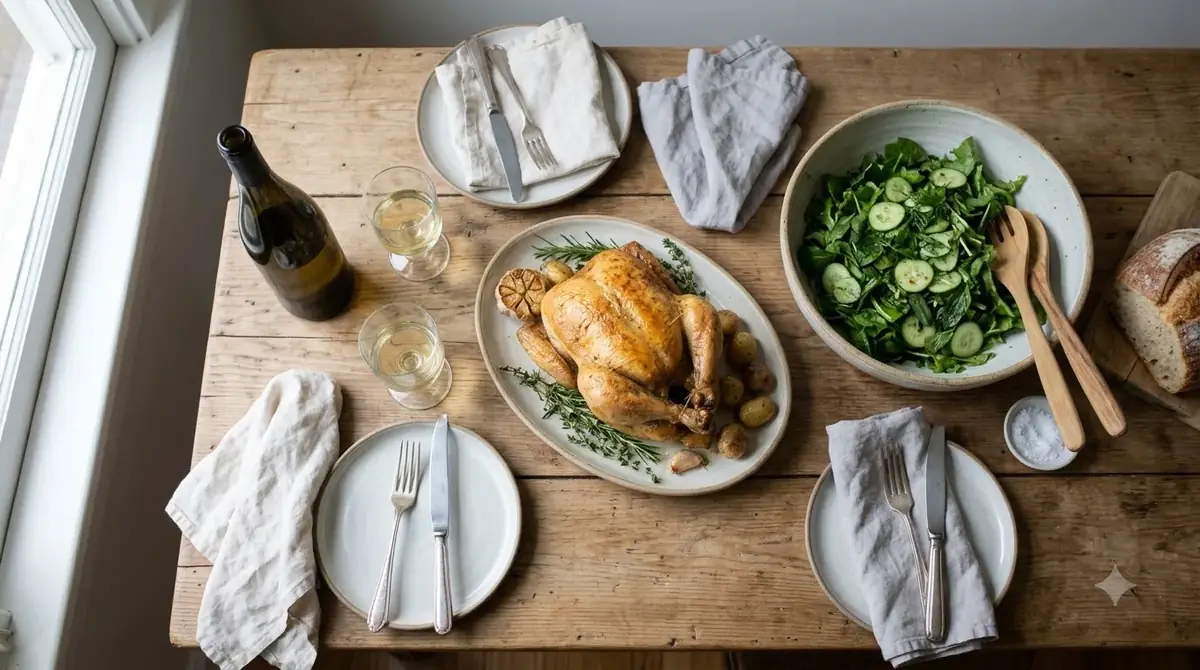
- Decide on the meal. Grilled beef, burgers, roast pork, and lasagna suit the wine’s dark fruit and structure. For delicate fish or a dish with pronounced chili heat, consider a lighter, higher-acid wine.
- Check the vintage and alcohol level. The reviewed 2024 bottling is listed at 13.5% ABV, but the percentage can vary by release. Use the actual bottle information when comparing it with another Malbec.
- Look for the flavor profile you prefer. Choose this style if blackcurrant, blackberry, dark cherry, pepper, and chocolate appeal to you. Look elsewhere for crisp citrus, tart red berries, or a very restrained, low-oak profile.
- Bring it to a cool serving temperature. For a fuller-bodied red, aim for about 60 to 65°F. A short chill can make the fruit and structure seem more balanced if the room is warm.
- Open it before the meal if useful. A young, full-bodied red can benefit from 30 to 60 minutes in a decanter. Taste after opening; if the aromas are expressive and the texture is comfortable, there is no need to wait for a fixed time.
- Use a suitable glass and pour. A medium or large bowl gives the wine room to release its aromas. Pour around 5 ounces, leaving space to swirl.
- Reassess it with food. Taste before dinner and again with the main course. Salt and fat can soften tannin, while a sweet sauce can make a dry red seem more bitter.
Tip: If the wine seems overly warm or alcoholic, cool it for 15 to 20 minutes before serving. A modest temperature adjustment can make a fuller red feel fresher without hiding its fruit.
The separate Alamos Malbec alcohol content explainer is useful when comparing vintages.
Types and Styles Explained
Malbec is a grape variety, not one fixed flavor recipe; its style changes with climate, vineyard elevation, harvest conditions, blending, and cellar choices. Alamos focuses on a Mendoza expression with dark fruit and a rounded texture, so its vintage notes are best read as a broad house style rather than a fixed flavor promise.
Mendoza sits in west-central Argentina near the Andes. Alamos places its vineyards in foothill areas around 3,000 to 5,000 feet, where intense sunlight, cool evenings, and irrigation from mountain snowmelt shape growing conditions. These factors help explain why Mendoza Malbec can combine ripe fruit with freshness, though altitude alone cannot guarantee a particular level of acidity or tannin.
Within Malbec, you may encounter fresh, fruit-led bottlings intended for early drinking, fuller wines with more oak influence, and structured wines made for cellaring. Alamos’ 2023 description emphasizes full body, black fruit, spice, and chocolate, while its winemaking notes mention French and American oak. Tastings’ 2024 review describes a dry, medium-to-full body with dark fruit, roasted fig, cola, and a medium-long finish. Together, those descriptions point to a generous, approachable red rather than a thin or sharply acidic style.
It is not a sparkling wine, a sweet red, or a light-bodied red in the Pinot Noir mold. Pinot Noir typically has lower-to-medium tannin and high acidity; Malbec generally gives a darker-fruited, more structured impression. Compared with Cabernet Sauvignon, Malbec can feel less assertively tannic, although exact structure varies. Merlot is a useful comparison for drinkers who like a softer red, while Syrah may bring more pronounced savory spice. For a first purchase, the standard Alamos Malbec makes sense if you want to understand the producer’s main expression before trying a different grape. A move to Cabernet Sauvignon changes the tannin profile, while Chardonnay changes the color, acidity, and serving approach.
Common Mistakes When Buying or Pairing It
The most common mistake is to assume a dark, fruity Malbec is sweet. Tastings describes its 2024 Alamos bottle as dry, so ripe fruit and chocolate-like flavors should not be confused with dessert-wine sweetness.
Another mistake is serving it too warm. A full-bodied red poured at 72 to 75°F can seem heavy and alcoholic, particularly in a warm room. Try 60 to 65°F first and adjust to taste. Serving it too cold can mute aroma and make tannin seem firmer, so avoid leaving the bottle in an ice bucket for too long.
Food pairing errors can be just as noticeable. Chili heat can feel hotter alongside alcohol and tannin, so a very spicy dish may make this red seem more aggressive. Oily fish can clash with tannic reds, while delicate seafood is often better with a crisp white. A rich tomato sauce, roasted vegetables, or grilled meat is generally a friendlier match.
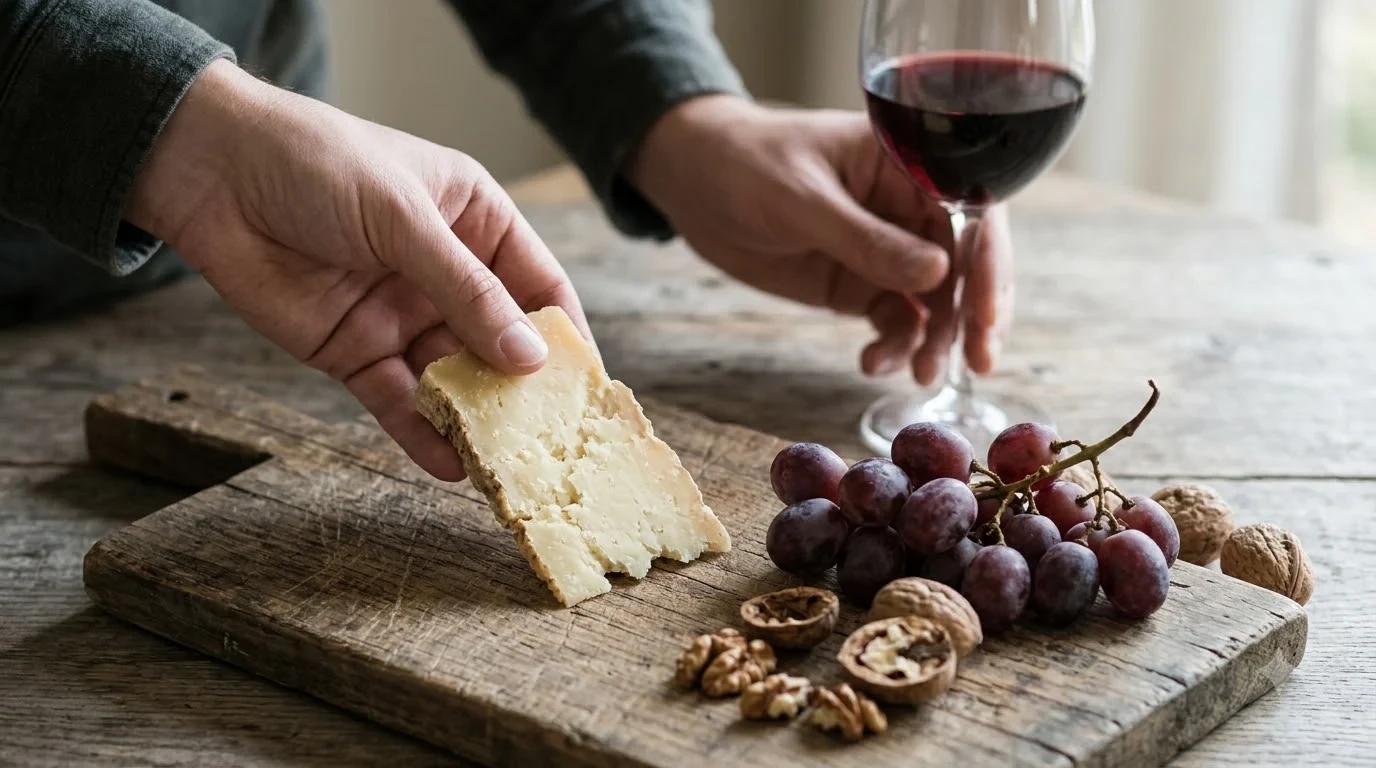
Do not assume every cheese works equally well. Salt and fat can soften tannin, making aged or firm cheeses useful partners, but a very delicate fresh cheese may disappear beside a dark-fruited red. Match the intensity of the food to the wine: beef stew can stand beside its fruit and structure, while a subtle salad with mild vinaigrette probably cannot. A final buying mistake is treating an older review as a guarantee for a current vintage. The 2018, 2023, and 2024 examples are separate releases; their shared Mendoza Malbec identity is a useful comparison, but harvest conditions, blend composition, oak choices, and bottle age can change the details. The Alamos Malbec food pairing guide can help with beef, pork, cheese, and pasta. Keep food at least as intense as the wine without adding so much sweetness or chili heat that the red tastes harsh.
Care, Serving, and Storage Tips
Serve Alamos Malbec slightly cool, give it air only as needed, and store any remaining wine with as little air exposure as practical. Start around 60 to 65°F, taste after opening, and decide whether the glass would benefit from additional time in contact with air.
For a young, full-bodied red, 30 to 60 minutes of decanting is a reasonable starting range, not a strict requirement. Decanting can soften the initial impression and help aromas emerge, but if the wine already smells open and tastes balanced after a short rest, serve it. If it seems tight or dominated by alcohol, give it more time and taste again.
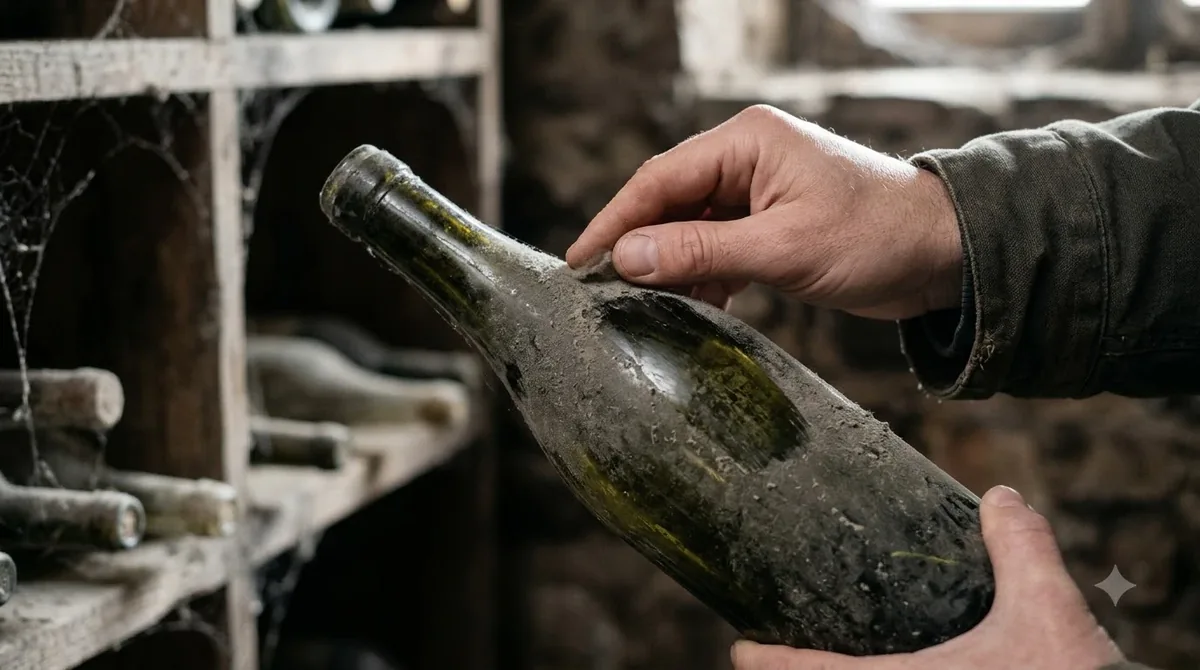
Store unopened bottles away from direct sunlight, heat, and repeated temperature swings. A cool location near 55°F is a useful target for longer storage, and bottles with natural corks are commonly stored on their sides to keep the cork from drying. Avoid a counter near an oven, a sunny shelf, or a car trunk. Alamos Malbec is generally best approached as an everyday-to-near-term drinking wine rather than a bottle that needs years of cellaring.
After opening, reseal the bottle and place it in the refrigerator, even if it is red. Cold slows oxidation; let the next pour warm briefly in the glass. Most opened still wines are best used within about 3 to 5 days, depending on how much air remains and how carefully the bottle was stored. A vacuum stopper or inert-gas system may help preserve the wine, but neither can restore freshness once oxidation has progressed. When you pour again, check for changes in fruit, aroma, and finish rather than relying only on the number of days since opening. If the dark-fruit notes have faded and the wine smells flat or bruised, it is past its best. If it remains lively, enjoy it with meatloaf, roast pork, or tomato-based pasta. Keeping the bottle cold between pours is a simple way to preserve its remaining character.
Frequently Asked Questions
These answers cover practical questions that come up after choosing a bottle, including how to read its style and plan for the next pour.
Is Alamos Malbec a single-variety wine in every vintage?
Not necessarily. A technical listing on Alamos’ UK site gives one formulation as 85% Malbec, 10% Bonarda, and 5% Syrah, showing that published specifications can include supporting grapes. Blend information can vary by vintage and market, so do not assume one technical listing applies to every bottle.
Should Alamos Malbec be allowed to age for several years?
It is generally aimed at accessible drinking rather than a long cellar project. A separate 2018 Alamos Malbec entry at K&L Wine Merchants reproduces a Wine Advocate note describing violet, wild-berry, and herbal aromas, rounded tannins, and a dry finish; that review of another vintage does not establish a long aging window for a newly bought bottle.
Does Alamos Malbec need to be decanted?
No special vessel is required. A young bottle may benefit from 30 to 60 minutes of air, but pouring a glass and letting it sit for several minutes can be enough to judge its aromas. Sediment is more likely to matter in older, less-filtered wines than in a young commercial bottling.
What glass shape works best for this wine?
A standard red-wine glass with a bowl wider than the rim is a practical choice. The wider bowl gives dark-fruit and spice aromas space to collect, while the narrower opening directs them toward the nose. A special Malbec-branded glass is unnecessary; a versatile Bordeaux-style glass is also suitable.
Can Alamos Malbec be used for cooking?
Yes, a dry red can be used in beef stew, braised short ribs, or a tomato-rich sauce, provided the wine is still sound. Avoid reducing a wine that smells oxidized or vinegary, since cooking concentrates unpleasant flavors as well as good ones. Use a modest amount and simmer it long enough for the raw alcohol aroma to cook off.
Alamos Malbec is a sensible choice for drinkers who want a dry, dark-fruited Mendoza red with an approachable texture and enough flavor for grilled meat or hearty pasta. Match the bottle to the vintage and meal, serve it a little cool, and let the glass tell you whether it needs extra air. That straightforward approach will show whether this Malbec belongs in your regular rotation.
More in Wine Brands
 Underwood Wine Price: Compare Bottles, Cans, and Pack SizesUpdated Nov 21, 2026
 Zenato Wine Price: Compare Styles and Choose the Right BottleUpdated Nov 21, 2026
 Zuccardi Wine Price: Compare Bottles and Find the Right RangeUpdated Nov 21, 2026
 Yellow Tail Moscato Review: Taste, Sweetness and Serving TipsUpdated Nov 21, 2026
 Wolf Blass Yellow Label Review: Choose Your Best StyleUpdated Nov 21, 2026
 Wolffer Estate Rose Review: Choose the Right Bottle for Your TableUpdated Nov 21, 2026