

We may earn a commission when you buy through links on this page, at no extra cost to you. Learn more.
The tignanello wine price for a standard 750 ml bottle typically ranges from about $150 to $265 in the United States, depending on the vintage, retailer, and local market. Produced by Marchesi Antinori in Tuscany, Tignanello is a prestigious Sangiovese-led red blend with Cabernet Sauvignon and Cabernet Franc. Its single-vineyard origin, careful oak aging, limited vintage production, and reputation as an original Super Tuscan help explain its premium positioning. Comparing vintages and checking retailer pricing can help buyers make a more informed purchase.
Tignanello occupies a distinctive position among Italian collectible wines. It combines the freshness and savory character of Sangiovese with the structure and darker fruit characteristics of Cabernet grapes. For buyers, the important question is not simply how much a bottle costs, but what makes one vintage more expensive than another and whether an older bottle offers a better experience. This guide explains typical American retail pricing, vintage considerations, production methods, and practical buying decisions.
Who Should Consider Buying Tignanello?
Tignanello is particularly suitable for wine enthusiasts who appreciate structured Italian reds, collectors interested in prestigious Tuscan producers, and buyers looking for a special-occasion bottle. Its combination of Sangiovese acidity and Cabernet structure makes it especially appealing to people who enjoy wines with both freshness and depth.
The wine comes from a dedicated vineyard in the Chianti Classico production area of Tuscany. According to Marchesi Antinori, the vineyard covers approximately 77 hectares, with limestone-rich soils and southwestern exposure at elevations between 350 and 400 meters. These growing conditions contribute to the wine’s distinctive identity and help explain why it is regarded as more than an ordinary regional red.
Buyers familiar with traditional Chianti may recognize the familiar Sangiovese character but notice a different level of richness and oak influence. Tignanello uses Cabernet Sauvignon and Cabernet Franc alongside Sangiovese, creating a more layered style than a straightforward Sangiovese bottling. The wine is generally dry, structured, and suitable for pairing with substantial meals.
It is also a reasonable choice for people beginning to explore prestigious Super Tuscan wines. However, its premium cost makes it less appropriate for someone simply looking for an inexpensive everyday Italian red. Those buyers may prefer to explore other producers and regional styles through our guide to Wine Brands.
Consider the intended occasion before purchasing. A younger bottle can suit a celebration where the wine will be enjoyed with dinner after some aeration, while a carefully stored older vintage may appeal to someone interested in developed aromas and softer tannins. Collectors should also consider provenance, storage history, and bottle condition rather than relying on the vintage number alone.
Key Factors That Determine Tignanello Wine Price
The main factors affecting Tignanello’s retail cost are vintage, bottle condition, retailer location, market availability, and demand. A recent vintage and an older collectible bottle can occupy different pricing positions even though both carry the same producer name.
For a practical US reference, WinesRate’s retailer comparison lists the 2021 vintage in 750 ml bottles at approximately $170 to $265 across its surveyed retailers. Its listings include shops in Florida, New York, California, Illinois, and Washington. This range illustrates why buyers should compare multiple stores rather than assume that every retailer follows the same pricing structure.
The Pennsylvania Liquor Control Board’s October 2026 retail list provides another useful regional reference. It lists several Tignanello vintages in the following approximate price bands. These are state-specific published retail figures, not a guarantee of what another retailer will charge.
| Vintage | Bottle Size | Published Retail Price |
|---|---|---|
| 2019 | 750 ml | About $150 |
| 2020 | 750 ml | About $106 listed price |
| 2021 | 750 ml | About $180 |
| 2022 | 750 ml | About $176 |
| 2021 | 750 ml | About $170–$265 |
The 2020 figure in the Pennsylvania listing is a published promotional figure rather than a reliable measure of the usual national retail level. It should not be treated as a standard market valuation. Likewise, a retailer’s advertised price does not establish the value of every bottle from that vintage.
Vintage quality is another consideration. Antinori bottles Tignanello only in favorable vintages, and the producer’s historical information identifies several years in which the wine was not produced. This selective approach contributes to its prestige, although scarcity alone does not establish that an older vintage is worth more.
Storage and provenance also affect collectible bottles. A bottle with a damaged capsule, low fill level, signs of leakage, or uncertain storage conditions may be less attractive than a properly preserved bottle of the same vintage. These details matter particularly when buying wines that have spent many years outside the producer’s cellar.
Prices vary by state and retailer, and local taxes, shipping arrangements, availability, and distribution costs can change the final amount. The WinesRate Tignanello retailer comparison is a useful starting point for understanding the differences between US markets.
Step-by-Step: How to Choose the Right Tignanello Bottle
Choosing a Tignanello bottle becomes easier when the decision is broken into a few practical steps. Start with your budget, decide whether you prefer youthful fruit or mature complexity, and then evaluate the retailer and bottle condition.
-
Set a realistic budget.
Use the approximately $150 to $265 range seen in US retailer comparisons as an initial reference for a 750 ml bottle of a recent or relatively current vintage. If a listing is substantially below comparable offers, investigate the retailer, bottle condition, and authenticity before purchasing.
-
Decide which drinking experience you want.
Younger Tignanello generally emphasizes fresh cherry, dark fruit, lively acidity, and firm tannins. More mature bottles can develop additional savory, earthy, leather-like, and spice-related complexity. The right choice depends on whether the wine will be opened soon or kept in a cellar.
-
Compare individual vintages.
Antinori publishes vintage-specific information, including grape composition, growing conditions, vinification, and tasting notes. For example, the producer describes the 2023 wine as showing cherry, pomegranate, orange, floral notes, cocoa, and white pepper. These details help buyers understand how the wine changes between growing seasons.
-
Check the retailer’s reputation.
Look for established wine merchants with clear bottle descriptions, proper storage practices, and transparent shipping policies. A reputable retailer should be able to explain the vintage, bottle size, origin, and condition rather than providing only a product photograph.
-
Inspect the bottle details.
For an older vintage, examine the capsule, cork area, fill level, label, and evidence of leakage. Ask about provenance if the wine has changed hands several times. A bottle with a documented storage history generally offers greater confidence than one with an unknown background.
-
Choose an appropriate occasion.
Consider whether the bottle will accompany a steak dinner, a family celebration, or a special wine tasting. Tignanello’s structured profile works particularly well with grilled beef, lamb, game, and aged cheeses. A younger bottle may benefit from advance decanting.
-
Plan how to store and serve it.
Keep the bottle in a cool, dark environment near 55 degrees Fahrenheit and avoid sudden temperature changes. For a young, structured vintage, allow approximately 30 to 60 minutes of decanting as a practical starting point, adjusting the time according to the wine’s development.
Tip: Compare at least three retailer listings for the same vintage and bottle size before buying. A lower advertised price is not automatically better if the seller cannot explain the bottle’s storage history or shipping conditions.
Buyers should also distinguish between the price of a bottle and its drinking readiness. A more expensive older bottle is not necessarily more enjoyable than a younger one. Vintage preference, storage conditions, and personal taste all influence the final experience.
Tignanello’s Grape Blend, Style, and Vintage Differences
Tignanello is a Sangiovese-led Tuscan red blend rather than a single-variety Cabernet Sauvignon. Its principal grape provides freshness and recognizable Italian character, while the Cabernet varieties add structure, fruit depth, and complexity.
According to Marchesi Antinori, the established blend consists of Sangiovese, Cabernet Sauvignon, and Cabernet Franc. The exact percentages vary between vintages. For example, the 2022 vintage is listed by House of Decant as 78% Sangiovese, 18% Cabernet Sauvignon, and 4% Cabernet Franc. This is a useful illustration of the proportions rather than a fixed recipe for every release.
Sangiovese and the Tuscan identity
Sangiovese is central to Tignanello’s character. It contributes red-fruit aromas, freshness, acidity, and savory complexity. The grape is particularly associated with Tuscany, where it forms the foundation of many important regional wines.
In Tignanello, the Sangiovese component provides a lively counterpoint to the richer Cabernet varieties and oak influence. This balance helps the wine remain recognizably Tuscan despite its use of international grape varieties. Buyers who already enjoy structured Chianti Classico wines may find familiar characteristics in the bottle, although Tignanello has its own distinctive production approach.
Cabernet Sauvignon and Cabernet Franc
Cabernet Sauvignon contributes darker fruit characteristics, additional structure, and tannin. Cabernet Franc can add aromatic complexity and complementary herbal and floral notes. Together, the two varieties give Tignanello a broader flavor profile than a traditional Sangiovese-dominant regional wine.
The oak program also contributes to the final style. Antinori’s 2023 technical information describes 13 months of aging in French oak and a smaller proportion of Hungarian oak, followed by an additional 12 months in bottle before release. The producer’s 2018 information describes approximately 14 to 16 months of barrel aging, showing why buyers should not assume that every vintage follows precisely the same schedule.
Why vintage differences matter
Growing conditions affect grape ripeness, acidity, tannin development, and the final blend. Even when a producer follows a consistent winemaking philosophy, individual harvests can produce noticeably different wines.
Some vintages may emphasize fresh red fruit and floral character, while others show darker fruit, greater concentration, or a more powerful structure. These differences influence drinking preferences and can affect retailer demand. They also explain why two bottles from different harvest years should not automatically be treated as equivalent purchases.
For readers comparing different expressions of the producer’s wines, the Tignanello wine overview provides useful background. The distinction between the main red blend and other wine categories is important, particularly because the name Tignanello is strongly associated with its flagship red.
Common Mistakes When Buying Tignanello
The most common buying mistakes involve assuming that every vintage has the same value, confusing the wine with other Antinori bottlings, and overlooking bottle condition. Understanding these differences can prevent expensive purchasing decisions that do not match the buyer’s expectations.
Assuming older always means better
An older vintage may have developed more complex aromas, but age does not guarantee quality or enjoyment. Wine requires suitable storage throughout its life, and poor temperature control can damage even an otherwise excellent bottle.
A younger Tignanello may offer more obvious fruit, fresh acidity, and firmer tannins. An older bottle may show more developed aromas and a softer structure, depending on its condition and vintage. Buyers should choose based on the preferred drinking style rather than automatically selecting the oldest available year.
Confusing Tignanello with other Antinori wines
Marchesi Antinori produces several notable wines, and the producer’s broader range includes other prestigious Tuscan labels. Tignanello should not be confused with Solaia or Marchese Antinori Chianti Classico Riserva. Each has a different identity, grape composition, and positioning.
Buyers should pay attention to the full wine name and label rather than relying on the producer name alone. This is especially important when comparing bottles from the same estate or shopping through retailers that list several Antinori wines together.
Ignoring the bottle’s condition
Collectors sometimes concentrate on vintage reputation while overlooking the physical condition of the wine. However, a bottle with a damaged cork, evidence of seepage, or an unusually low fill level deserves additional scrutiny.
For older bottles, ask how the wine was stored and whether the seller can provide information about its previous ownership. Avoid assuming that attractive packaging means the wine has been preserved properly.
Expecting every vintage to taste identical
Tignanello maintains a recognizable identity, but it is an agricultural product influenced by weather, vineyard conditions, and harvest decisions. The blend and aging details may also differ from one year to another.
Consulting producer vintage information is more useful than assuming that a tasting note for one harvest applies to every bottle. This is particularly important when buying an older vintage for a special event or long-term collection.
Buying without a serving plan
A young, structured red wine can seem overly firm if opened immediately before dinner. Tignanello benefits from appropriate serving temperature and, in many cases, some time in a decanter. Serving it too warm can make its alcohol more noticeable and reduce the impression of freshness.
Likewise, pairing it with delicate seafood or strongly spicy dishes may not show the wine at its best. Richer meat dishes and savory foods generally provide a more suitable setting for its tannins and acidity.
Care, Storage, and Serving Tips for Tignanello
Proper storage and serving can make a meaningful difference to the enjoyment of a premium Tuscan red. Maintain a stable storage temperature near 55 degrees Fahrenheit, protect the bottle from light, and give younger vintages sufficient time to breathe before serving.
Store bottles in suitable conditions
For bottles intended for longer storage, a cool environment with limited temperature fluctuations is preferable. A temperature close to 55 degrees Fahrenheit is a practical target. Keep bottles away from direct sunlight, radiators, kitchen appliances, and areas that experience frequent temperature changes.
Store cork-sealed bottles on their sides so the wine remains in contact with the cork. This helps reduce the risk of the cork drying out during extended storage. Avoid unnecessary movement, especially when storing mature bottles that may contain sediment.
Serve at the right temperature
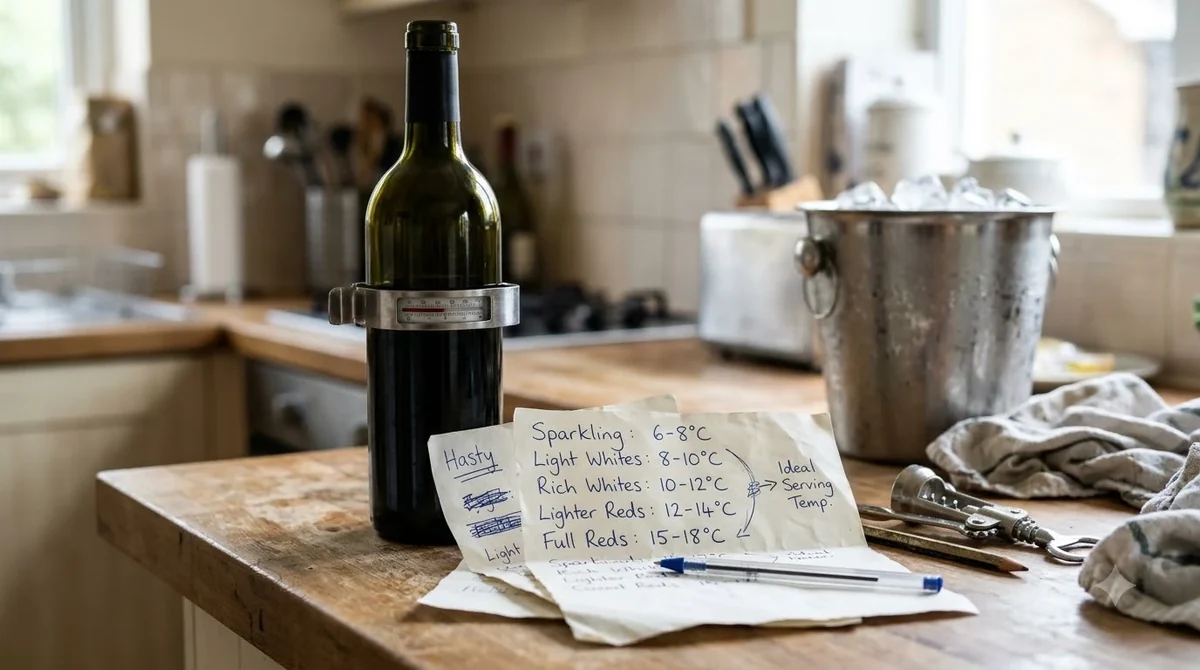
Full-bodied red wines generally show well between 60 and 65 degrees Fahrenheit. Tignanello can be served within this range, with the precise temperature adjusted to personal preference and the wine’s age.
A bottle served too warm can emphasize alcohol and make the wine feel heavier. If it has been kept in a warm room, a short period in a cooler environment can help bring it closer to the desired serving temperature. Avoid serving it excessively cold, as low temperatures can make tannins feel more pronounced and mute aromatic complexity.
Decant young vintages carefully
Young Tignanello can benefit from approximately 30 to 60 minutes of decanting. This allows the wine to receive oxygen and can help its fruit, spice, and oak aromas become more expressive. Some very young or concentrated vintages may need additional time, but longer decanting is not automatically better.
Older bottles require more caution. Extended exposure to oxygen may cause a mature wine to lose its delicate aromatic character. Pour slowly and watch for sediment near the bottom of the bottle. If the wine is particularly old, a gentle opening and careful serving approach may be more suitable than aggressive aeration.
Choose food that complements the wine
Tignanello works especially well with grilled beef, roasted lamb, venison, and other savory meat dishes. Its acidity helps balance rich food, while its tannins complement the texture and protein of substantial meat preparations.
Good choices include bistecca alla Fiorentina, grilled ribeye, slow-cooked beef, and lamb with rosemary. Aged Pecorino and other firm, savory cheeses can also make good companions. Avoid pairing a strongly tannic red with oily fish, since the combination can produce an unpleasant taste. Very spicy food may also make the wine’s alcohol and tannins seem more pronounced.
For a standard tasting pour, use approximately 5 ounces. A 750 ml bottle provides roughly five such glasses, making it suitable for a small dinner gathering. If the bottle is opened but not finished, reseal it and store it in the refrigerator. Most opened still red wines are best enjoyed within approximately three to five days, although freshness depends on the wine’s age, storage, and exposure to oxygen.
For further reading about the producer’s wine categories, see our discussion of Tignanello red wine. Buyers should remember that the main Tignanello is a red wine and should not confuse it with unrelated white wine offerings or assume that the same storage and serving expectations apply to every wine style.
Frequently Asked Questions
Is Tignanello classified as Chianti Classico DOCG?
No. Although its vineyard is located within the Chianti Classico production area, Tignanello is labeled Toscana IGT. Its use of Cabernet varieties and its departure from certain traditional Chianti production conventions helped establish its separate identity. The distinction is important because geographic origin and appellation classification are not always the same thing.
Who designed the Tignanello wine label?
Italian designer Silvio Coppola designed the label in 1974 for the release of the 1971 vintage. Its distinctive visual identity includes a stylized sun and the historic Antinori family crest. Marchese Piero Antinori also chose to have his father Niccolò sign the label as a mark of recognition.
Does Tignanello contain white grapes?
The modern Tignanello blend uses Sangiovese, Cabernet Sauvignon, and Cabernet Franc rather than white grapes. Historically, the original 1970 wine included Trebbiano and Malvasia, but Antinori permanently removed white grapes beginning with the 1975 vintage. This change was an important part of the wine’s development.
Why is Tignanello sometimes called a Super Tuscan?
The term describes a group of influential Tuscan wines that adopted winemaking approaches or grape varieties outside traditional regional conventions. Tignanello became an important example by combining Sangiovese with Cabernet varieties and using small oak barrels. Its historical influence helped establish the reputation of modern premium Tuscan blends.
Which vintages of Tignanello were not produced?
Antinori’s published historical information identifies 1972, 1973, 1974, 1976, 1984, 1992, and 2002 as vintages in which Tignanello was not produced. The producer explains that the wine is bottled only in favorable vintages. This makes vintage verification particularly important when researching older bottles or evaluating historical collection records.
Tignanello remains one of Tuscany’s most recognizable premium red wines, combining Sangiovese character with Cabernet structure and carefully managed oak aging. For US buyers, comparing vintage-specific listings, retailer reputation, and bottle condition is more useful than relying on a single advertised figure. A well-chosen bottle can make a memorable addition to a special dinner or a carefully maintained wine collection.
More in Wine Brands
 Underwood Wine Price: Compare Bottles, Cans, and Pack SizesUpdated Nov 21, 2026
 Zenato Wine Price: Compare Styles and Choose the Right BottleUpdated Nov 21, 2026
 Zuccardi Wine Price: Compare Bottles and Find the Right RangeUpdated Nov 21, 2026
 Yellow Tail Moscato Review: Taste, Sweetness and Serving TipsUpdated Nov 21, 2026
 Wolf Blass Yellow Label Review: Choose Your Best StyleUpdated Nov 21, 2026
 Wolffer Estate Rose Review: Choose the Right Bottle for Your TableUpdated Nov 21, 2026