

We may earn a commission when you buy through links on this page, at no extra cost to you. Learn more.
kim crawford sauvignon blanc review: Kim Crawford Sauvignon Blanc is a dry, bright Marlborough white with lively acidity and recognizable citrus, passion fruit, melon, and fresh-herb character. It suits drinkers who like aromatic whites with a crisp finish and enough fruit to work at the table. The key is to serve it cool rather than icy, then pair its acidity with seafood, green vegetables, or dishes with fresh herbs.
This guide covers the standard Kim Crawford Marlborough Sauvignon Blanc, what to compare before buying, and how to serve it. For a bottle-specific overview, see our Kim Crawford Sauvignon Blanc page. Technical figures are vintage-specific, not fixed brand promises.
Who This Wine Is For
Kim Crawford Sauvignon Blanc is a sensible choice for people who enjoy dry white wine with expressive fruit, brisk acidity, and a clear herbal edge. The producer identifies Marlborough, New Zealand, as the wine’s home and describes citrus, tropical fruit, and crushed herbs on the nose, followed by passion fruit, melon, and grapefruit on the palate. That combination makes it more aromatic and assertive than a very subtle, neutral white.
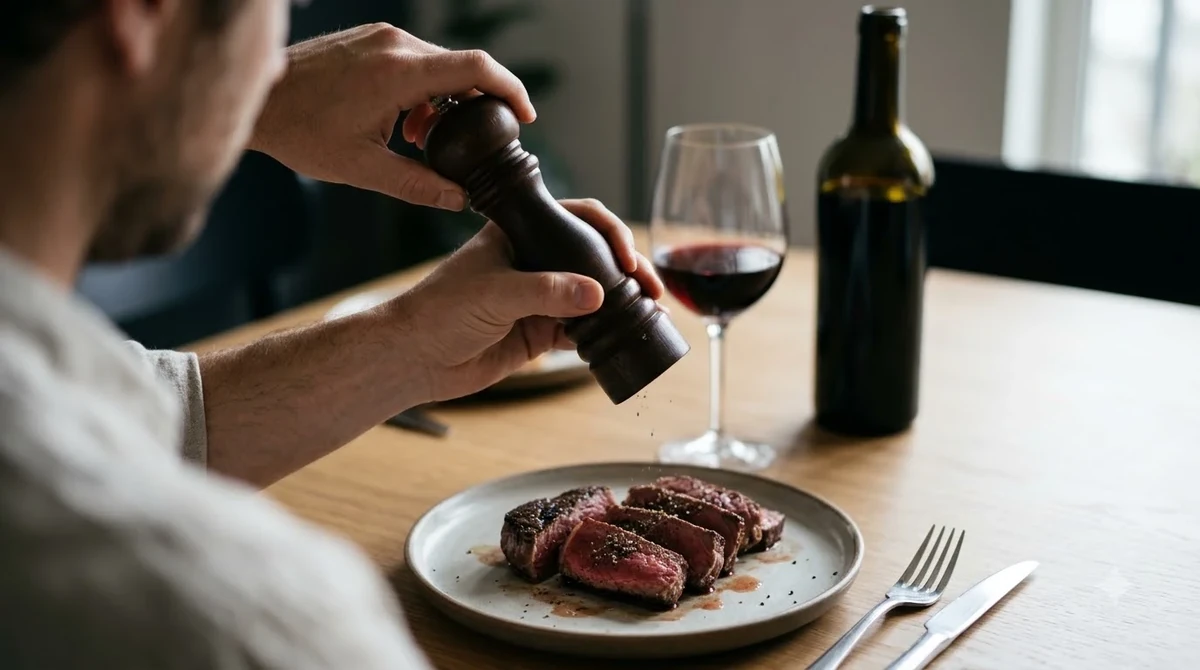
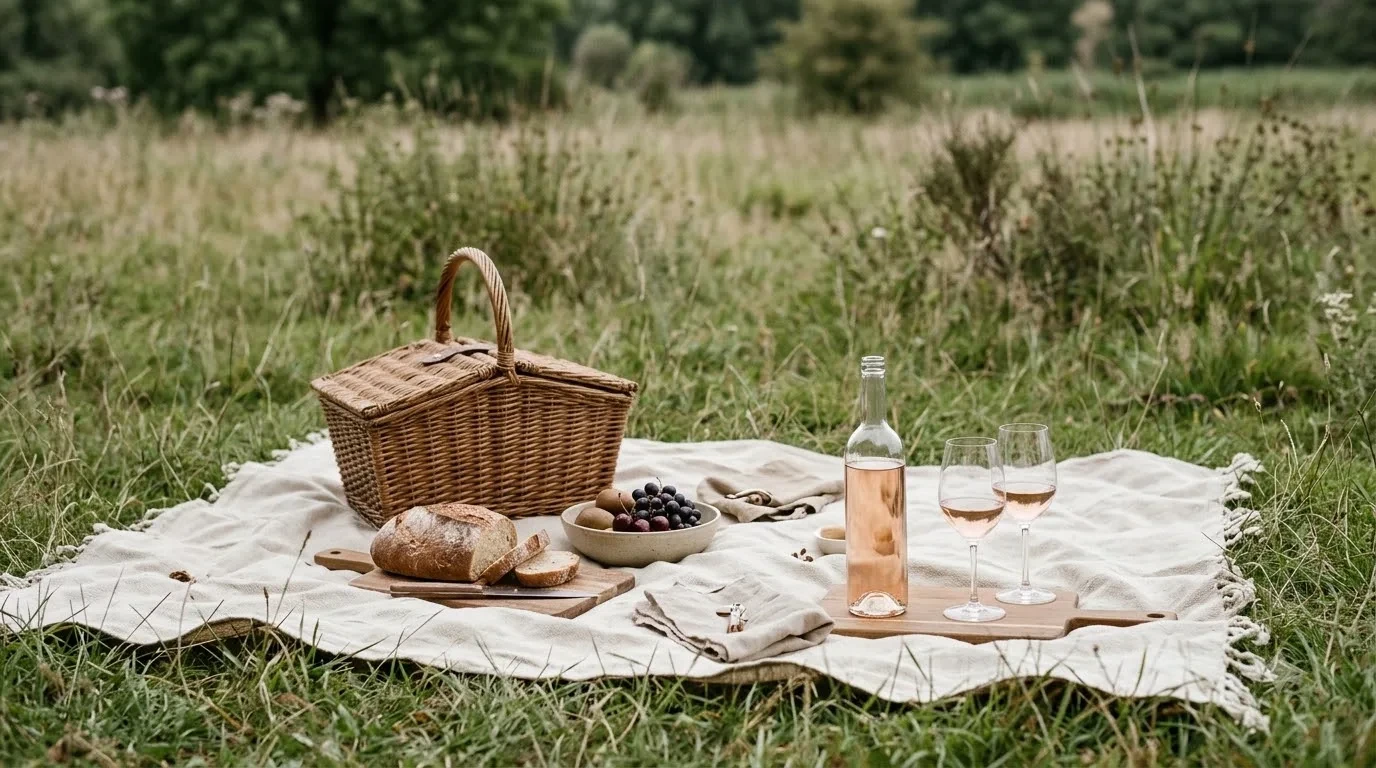
Its strongest audience is likely to be drinkers who want a familiar, refreshing bottle for seafood dinners, warm-weather meals, and casual gatherings. Fresh oysters, lobster, and asparagus are the producer’s own suggested matches. The wine’s lively acidity also gives it a useful role alongside dishes that include lemon, lime, cilantro, parsley, basil, or other fresh green herbs. A squeeze of citrus in the food can make the pairing feel connected rather than simply placing a wine beside a meal.
It is less suitable for someone looking for a soft, buttery white with obvious vanilla or toast, or for a very low-acid wine to sip without a food pairing. Marlborough Sauvignon Blanc is prized for freshness and aromatic lift, and that freshness is the point here. The palate is fruit-forward but not automatically sweet: strong passion-fruit and melon aromas can seem ripe even when the wine itself is made in a dry style.
Key Factors to Compare
Compare the origin, vintage, alcohol level, flavor profile, and bottle format before deciding whether this is the right Sauvignon Blanc for a meal. The bottle’s Marlborough identity is the clearest style cue, while the exact technical figures should be read as vintage-specific rather than as permanent brand specifications.
The producer lists the wine in 375 ml and 750 ml formats. A 750 ml bottle provides about five standard 5-ounce pours, which is enough for a small dinner table when wine is served alongside food. The half bottle is useful for a pair of diners or a single meal, particularly when the aim is to finish the wine while it is still fresh. The full-size bottle makes more sense when several people will be sharing it.
| Factor | What to look for | Why it matters |
|---|---|---|
| Region | Marlborough, New Zealand | Signals a bright, aromatic Sauvignon Blanc style with citrus, tropical fruit, and herbal notes. |
| Grape and profile | Sauvignon Blanc; passion fruit, melon, grapefruit, citrus, and crushed herbs | Helps predict a fruit-forward white with lively acidity rather than a creamy, oak-led flavor. |
| 2024 vintage alcohol | 13.5% ABV, as listed by Liberty Wines and Tastings.com for the 2024 wine | Useful when considering the strength of a particular vintage; do not assume every release has the same figure. |
| 2024 technical figures | 7.1 g/L acidity, 3.5 g/L residual sugar, and pH 3.26, reported by Liberty Wines | These figures provide context for the 2024 bottling’s fresh, dry-leaning profile. |
| Bottle formats | 375 ml and 750 ml, listed by the producer | Choose the size that matches the number of drinkers and the meal. |
| Serving range | Start around 45–50°F; let the glass warm slightly if aromas seem tight | Chilling preserves freshness, while a little warmth makes the fruit and herbal aromas easier to notice. |
The 2024 technical figures are a useful snapshot, not a promise about every bottle carrying the label. Liberty Wines lists 13.5% alcohol by volume, 7.1 grams per liter of acidity, 3.5 grams per liter of residual sugar, and a pH of 3.26 for its 2024 entry. Tastings.com also lists 13.5% for its review of the 2024 vintage. Different vintages can be made from fruit harvested under different weather conditions, so alcohol and acid balance can shift. For a closer look at the numbers, see our page on Kim Crawford Sauvignon Blanc alcohol content.
Step-by-Step: Choose and Serve the Bottle
A few practical steps make it easier to buy the right size, serve the wine at a useful temperature, and match it with food. For this crisp Marlborough style, temperature and food acidity matter more than complicated preparation.
- Choose the bottle size for the occasion. Select 375 ml for one or two modest pours, or 750 ml for a group. A standard 750 ml bottle yields about five 5-ounce servings.
- Confirm the style you want. Look for Marlborough Sauvignon Blanc for the classic citrus, tropical-fruit, and crushed-herb profile. Alcohol-reduced and alcohol-removed wines with similar names are separate styles with different body and finish.
- Chill before opening. Start around 45–50°F. From room temperature, allow about 1½ to 2 hours in a refrigerator or 30 minutes in an ice-water bath. Let the glass warm briefly if the aromas seem closed.
- Use a normal white-wine glass. Use a stemmed white-wine glass with a moderate bowl. Pour about 5 ounces and swirl briefly to release the citrus and tropical aromas.
- Match the food’s weight and acidity. Pair it with oysters, grilled shrimp, lobster, asparagus, or herb-forward chicken. Lemon, lime, and fresh herbs echo its citrus and green notes; richer dishes need a more substantial preparation than a light salad.
Our Kim Crawford Sauvignon Blanc tasting notes page explains the main descriptors. The producer’s official Sauvignon Blanc page confirms the Marlborough origin, formats, and suggested food matches.
Tip: Do not serve the bottle straight from a very cold refrigerator and assume that colder means better. Begin near 45–50°F, then let the wine rise a few degrees in the glass; the fruit and crushed-herb aromas are easier to assess once the chill is not masking them.
Marlborough Sauvignon Blanc Styles Explained
Kim Crawford’s standard Sauvignon Blanc sits within a broader style associated with Marlborough, on New Zealand’s South Island. The producer’s notes emphasize lifted citrus, tropical fruit, crushed herbs, and vibrant acidity; Liberty Wines adds passion fruit, guava, grapefruit, and a wet-stone impression to its description. The result is an aromatic, fresh white where fruit and acidity are both easy to notice.
Marlborough is not a single flavor in every bottle. Liberty Wines says the Kim Crawford blend draws on parcels from the Wairau Valley, Awatere Valley, Blind River, Waihopai, and Omaka, and that 250 wines from across Marlborough are assessed before blending. The finished wine combines fruit character and structure from more than one site rather than expressing one small vineyard alone.
Other Sauvignon Blanc regions can offer a different balance. In France’s Loire Valley, wines from areas such as Sancerre and Pouilly-Fumé often lean toward citrus, gooseberry, herbs, and mineral or flinty impressions. Marlborough examples are widely associated with exuberant passion fruit, grapefruit, and green herbal notes. Sauvignon Blanc from California can show riper melon and softer herbal character, depending on site and winemaking. The grape is the same, but climate, harvest timing, and fermentation choices affect the finished style.
Production choices matter too. Liberty Wines describes the 2024 wine as undergoing slow, cool fermentation after crushing and pressing. Stainless-steel fermentation helps preserve fresh fruit and aromatic detail rather than adding obvious oak flavors, which suits a wine built around citrus, tropical fruit, and herbs.
Common Mistakes When Buying or Pairing It
The most common misread is assuming that vivid tropical aromas mean the wine is sweet or low in acidity. Another is serving it so cold that the aromas disappear, or pairing it with food that is much more powerful than the wine. A few adjustments keep the bottle’s character in balance.
Confusing fruitiness with sweetness, or serving it too cold. Passion fruit, melon, and grapefruit can create a ripe impression, but Sauvignon Blanc is usually made as a dry still wine. The producer describes Kim Crawford as fresh and juicy with vibrant acidity; that is different from a sweet white. A useful pairing principle is to serve a wine at least as sweet as the food, so this dry style is not a natural match for a very sweet dessert. Temperature matters too: start around 45–50°F, since excessive chill mutes aroma, while a warm glass can make alcohol seem more prominent.
Pairing it with excessive acidity. Sauvignon Blanc can work with lemony seafood and herb-driven salads, but a dish dominated by vinegar or sharp pickling can make both the food and wine taste thin and tart. Match the intensity of the acidity in the glass with the acidity on the plate, and avoid letting a sour dressing overwhelm the fish or vegetables. A squeeze of lemon is usually more harmonious than a heavy pour of vinegar.
Overlooking salt, fat, heat, and preparation. Salt can make fruit seem more vivid, while fat softens the perception of acidity. Chili heat can feel stronger alongside alcohol, so keep very spicy dishes moderate or add cooling ingredients such as cucumber, yogurt, or avocado. Fresh oysters, grilled shrimp, and herb-roasted chicken are straightforward matches; an oily fish with a rich or smoky sauce needs more thought. The classic caution about oily fish concerns tannic reds, not this low-tannin white, but sauce intensity still matters more than the word “seafood” on a menu.
Care and Storage Tips
Treat the standard Kim Crawford Sauvignon Blanc as a fresh, aromatic white intended to be enjoyed while its fruit and acidity are lively. Store unopened bottles away from heat, sunlight, and sharp temperature swings. Chill the wine shortly before serving instead of keeping it cold for months in a kitchen refrigerator.
For longer storage, a cool, dark place near 55°F is a practical target for wine. Avoid a sunny counter or a cabinet beside an oven. A cork-finished bottle is best stored on its side; a screwcap bottle can stand upright or lie on its side. The producer lists 375 ml and 750 ml formats, so choose a size you can finish while fresh.
Once opened, close the bottle promptly and refrigerate it. A preserved still white commonly remains usable for about 3–5 days in the refrigerator, although expressive aromas may fade sooner. Wine Enthusiast gives Sauvignon Blanc a more conservative flavor window of 2–4 days after recorking and refrigeration, so aim to finish the bottle within the first couple of days.
Use a stopper or the original closure to limit air exposure. Keep the bottle upright in the refrigerator and pour only what you plan to drink. If its fresh grapefruit and passion-fruit character has faded but the wine still smells sound, use it in a pan sauce for fish or chicken; return the bottle to the refrigerator between pours.
Frequently Asked Questions
These answers cover a few details that often come up after choosing the bottle, including the closure on a documented vintage, the wine’s short-term aging window, and the grape’s characteristic herbal aromas.
Does Kim Crawford Sauvignon Blanc need to be decanted?
No. Wine Folly’s general handling guidance for Sauvignon Blanc says decanting is not needed, which fits a fresh, aromatic wine intended for early drinking. Open the bottle, pour into a white-wine glass, and swirl gently; adjusting the temperature is usually more useful than giving it extended air exposure.
How long can the 2024 Kim Crawford Sauvignon Blanc be kept?
Tastings.com suggests enjoying its 2024 review now through three years. That window applies to the reviewed vintage; it does not guarantee that every bottle will improve with age or that later vintages share the same timing.
Why can Sauvignon Blanc smell like green pepper or cut grass?
Wine Enthusiast explains that aromatic compounds called pyrazines contribute grassy, herbal, and bell-pepper notes in Sauvignon Blanc. Cooler growing conditions or earlier picking can make those green characteristics more prominent, while riper fruit can shift the impression toward grapefruit, passion fruit, and guava. The balance differs by region and vintage.
Does Kim Crawford use a screwcap?
Liberty Wines lists a screwcap closure for its 2024 Kim Crawford Marlborough Sauvignon Blanc entry. That closure makes the bottle straightforward to open without a corkscrew and simple to reseal after pouring. Packaging can differ by market or bottling run, so this detail should be treated as specific to the cited 2024 listing.
How is Sauvignon Blanc different from Pinot Grigio?
Wine Enthusiast characterizes Sauvignon Blanc as more pronounced in acidity and flavor, with grass, mineral, and grapefruit notes, while Pinot Grigio is generally more delicately flavored with white peach, citrus, and mineral tones. Sauvignon Blanc is often the more aromatic choice; Pinot Grigio is a useful alternative when a lighter, quieter white is preferred.
Kim Crawford Sauvignon Blanc is best understood as a bright, aromatic Marlborough white for seafood, fresh herbs, and meals that benefit from lively acidity. Choose the bottle size to suit the table, serve it cool rather than icy, and enjoy it while the citrus and tropical-fruit character is fresh. Explore more producers in our Wine Brands section.
More in Wine Brands
 Underwood Wine Price: Compare Bottles, Cans, and Pack SizesUpdated Nov 21, 2026
 Zenato Wine Price: Compare Styles and Choose the Right BottleUpdated Nov 21, 2026
 Zuccardi Wine Price: Compare Bottles and Find the Right RangeUpdated Nov 21, 2026
 Yellow Tail Moscato Review: Taste, Sweetness and Serving TipsUpdated Nov 21, 2026
 Wolf Blass Yellow Label Review: Choose Your Best StyleUpdated Nov 21, 2026
 Wolffer Estate Rose Review: Choose the Right Bottle for Your TableUpdated Nov 21, 2026