

We may earn a commission when you buy through links on this page, at no extra cost to you. Learn more.
The typical yellow tail wine price in the United States is about $6 to $8 for a 750 ml bottle and approximately $10 to $15 for a 1.5 L bottle. Popular varieties such as Cabernet Sauvignon, Chardonnay, Shiraz, Merlot, and Pinot Grigio generally occupy the brand’s affordable everyday-wine category. The exact amount depends on the retailer, location, bottle size, and individual wine style, so comparing the cost per ounce can help identify the better purchase.
Yellow Tail has become a familiar name in American wine stores because its range includes approachable Australian reds, whites, rosé, and sweeter options. Its relatively accessible pricing makes it an option for casual dinners, informal gatherings, and shoppers who want recognizable grape varieties without spending heavily on a bottle. However, the cheapest bottle is not automatically the right choice: grape variety, sweetness, alcohol content, serving occasion, and package size all influence value. This guide explains typical US retail pricing, compares the main styles, and shows how to choose a bottle that fits both your preferences and your budget.
Who Should Compare Yellow Tail Wine Prices?
Yellow Tail is worth comparing for shoppers who want affordable Australian wine in familiar styles, particularly Cabernet Sauvignon, Chardonnay, Shiraz, and Pinot Grigio. Understanding the difference between a standard 750 ml bottle and a 1.5 L bottle is especially useful for households that purchase wine regularly or serve several guests.
First-time wine buyers may appreciate the straightforward variety-based selection. Instead of choosing among unfamiliar regional appellations, shoppers can start with recognizable grape names and decide whether they prefer red, white, rosé, or a sweeter wine. Someone who already enjoys Cabernet Sauvignon, for example, can begin with Yellow Tail Cabernet rather than experimenting with an entirely different wine category.
Budget-conscious shoppers should also consider how frequently they open wine. A standard bottle contains 750 ml, which provides approximately five conventional 5-ounce servings. A 1.5 L bottle contains twice that volume, making it useful for family dinners, parties, and other occasions where several people will share the same wine.
Another important consideration is consistency. Yellow Tail’s familiar core varieties provide relatively straightforward starting points for shoppers who want a particular grape style without researching numerous producers. Cabernet Sauvignon generally offers more tannin and structure, while Merlot tends to be softer. Chardonnay provides a fuller white-wine experience than a lighter, crisp Pinot Grigio.
The range can also suit people who prefer different sweetness levels. A dry Sauvignon Blanc and a sweeter Moscato serve different preferences, even if their bottles occupy similar retail shelves. Understanding those differences before comparing prices helps prevent buying a low-cost wine that does not suit the intended meal or occasion.
For readers exploring other producers and wine categories, the Wine Brands section offers a broader starting point for comparing labels, styles, and purchasing considerations.
Key Factors That Affect Yellow Tail Wine Price
The most important pricing factors are bottle size, wine variety, retailer, and geographic location. A standard bottle and a larger-format bottle may have very different shelf prices, but the larger format often costs less per ounce.
US retailer listings provide a useful picture of the range. Total Wine’s Sacramento-area listings show several standard Yellow Tail wines in approximately the $5.99 to $6.49 range, while its larger 1.5 L bottles generally appear around $9.99 to $11.99. Warehouse Wines & Spirits lists standard bottles around $6.99 and larger formats at prices that can reach approximately $14.99, depending on the wine. These are retailer-specific examples rather than guaranteed nationwide prices. Prices vary by state and retailer.
| Bottle format or style | Typical US retail range | What to consider |
|---|---|---|
| Core 750 ml wines | About $6–$8 | Suitable for individual purchases and smaller households |
| Pure Bright 750 ml wines | About $6–$8 | Compare the specific lighter-style variety |
| Core 1.5 L wines | About $10–$15 | Twice the volume of a standard bottle |
| 750 ml Cabernet Sauvignon | About $6–$8 | Familiar structured red-wine option |
| 750 ml Chardonnay | About $6–$8 | Fuller-bodied white-wine option |
| 750 ml Pinot Grigio | About $6–$8 | Lighter, refreshing white-wine option |
| 750 ml Merlot | About $6–$8 | Generally softer red-wine style |
The standard-bottle and larger-format ranges above reflect the listings reviewed from Total Wine and Warehouse Wines & Spirits, rather than fixed prices for every Yellow Tail product. Total Wine’s displayed selection includes several 750 ml bottles between approximately $5.99 and $6.49, while Warehouse Wines & Spirits lists some comparable bottles at approximately $6.99. Its larger-format Cabernet Sauvignon is listed at $11.99, illustrating how the same variety can have a different price depending on the retailer and package size. Prices vary by state and retailer.
Variety can influence the final shelf price as well. Core Cabernet Sauvignon, Chardonnay, Merlot, and Pinot Grigio bottles are widely represented in retailer selections. Specialized expressions, including Pure Bright and particular blends, may be priced differently. It is better to compare the same bottle size and product line than to assume every wine carrying the Yellow Tail name has identical pricing.
Retailer location matters because state alcohol regulations, distribution arrangements, local taxes, and store pricing policies can affect what customers pay. A bottle displayed at one price in California may not have the same shelf price in New York or Florida. Online listings may also show different prices depending on delivery location and local availability.
Understanding bottle-size value
Comparing the cost per milliliter gives a more meaningful picture than comparing shelf prices alone. For example, a 750 ml bottle contains 25.36 US fluid ounces, while a 1.5 L bottle contains approximately 50.72 US fluid ounces.
Consider a hypothetical comparison between a standard bottle costing $7 and a larger bottle costing $12. The standard bottle costs approximately $0.28 per fluid ounce, while the larger bottle costs approximately $0.24 per fluid ounce. The larger format provides a lower unit cost, although it is only useful if the wine will be consumed while it remains in good condition.
Tip: Compare the price per fluid ounce rather than the shelf price alone. A 1.5 L bottle contains twice as much wine as a 750 ml bottle, so it may provide better value even when its displayed price is higher.
For a useful retailer comparison, the Total Wine Yellow Tail selection shows several varieties and both standard and larger bottle formats. The listings also make it easier to see how different expressions occupy different price categories.
Step-by-Step: How to Compare Yellow Tail Bottles
A good purchasing decision starts with the intended occasion and preferred wine style, not simply the lowest shelf price. Following a few practical steps helps shoppers compare equivalent products and avoid paying more for a bottle that does not offer additional value.
-
Decide whether you want red, white, rosé, or sweet wine.
Start with the broad category. Cabernet Sauvignon and Shiraz are red options with more pronounced structure, while Chardonnay and Pinot Grigio offer different white-wine experiences. Moscato is a better starting point for someone seeking a sweeter style.
-
Choose the grape variety.
Think about the flavors and structure you enjoy. Cabernet Sauvignon generally has higher tannin, Merlot has medium and softer tannin, and Pinot Noir tends to have lower-to-medium tannin with higher acidity. For whites, Chardonnay is generally fuller than Pinot Grigio or Sauvignon Blanc.
-
Select the bottle size.
A 750 ml bottle provides approximately five 5-ounce servings. A 1.5 L bottle provides approximately ten servings, making it more suitable for larger gatherings or regular consumption by multiple adults.
-
Compare at least two retailers.
Check the same wine and bottle size at different stores. For example, compare a 750 ml Cabernet Sauvignon with another 750 ml Cabernet Sauvignon, rather than comparing it with a 1.5 L Chardonnay. This keeps the comparison meaningful.
-
Calculate the cost per ounce.
Divide the shelf price by the total fluid ounces. A standard 750 ml bottle contains about 25.36 ounces, and a 1.5 L bottle contains about 50.72 ounces. This simple calculation reveals which format provides more wine for the money.
-
Consider the food and serving occasion.
A structured Cabernet Sauvignon can work with grilled beef, burgers, and hard cheeses. Chardonnay can accompany roasted chicken and creamy pasta, while crisp Pinot Grigio can suit seafood and lighter meals.
-
Check the product details before purchasing.
Confirm the variety, volume, and relevant label information. If vegan suitability matters, look for the brand’s vegan symbol because not every Yellow Tail wine has the same vegan designation.
This approach is particularly helpful when choosing between a familiar everyday bottle and a larger format. The goal is not necessarily to purchase the least expensive wine but to find a bottle that offers an appropriate style, quantity, and level of spending for the occasion.
Shoppers who regularly serve wine at home may prefer a larger format for informal gatherings. Those who like to switch between Cabernet Sauvignon, Chardonnay, and Pinot Grigio may find standard bottles more practical because they can enjoy different varieties without opening a large quantity of any one wine.
Yellow Tail Wine Types and Styles Explained
Yellow Tail offers several recognizable grape varieties, with red and white wines forming the main categories. The best choice depends on whether the drinker prefers fruit-forward reds, softer wines, crisp whites, fuller whites, or noticeable sweetness.
Red wines
Cabernet Sauvignon: Cabernet Sauvignon is generally the more structured choice for drinkers who enjoy fuller reds with noticeable tannins. Its typical flavor profile includes dark fruit characteristics, and it can pair well with grilled steak, lamb, burgers, and aged cheddar. Its relatively firm structure makes it a natural choice for meals with substantial protein and fat.
Shiraz: Shiraz, also known as Syrah in many wine-producing regions, is another full-flavored red option. It commonly features dark berries, plum, and pepper-like characteristics. Yellow Tail Shiraz is a reasonable option for people who prefer an approachable red to serve with barbecue, grilled sausages, and seasoned meats.
Merlot: Merlot generally has softer tannins than Cabernet Sauvignon. Its plum and red-fruit characteristics can make it suitable for casual dinners, roasted poultry, meatloaf, and tomato-based dishes. People who find strongly tannic wines too drying may prefer starting with Merlot.
Pinot Noir: Pinot Noir generally has lower-to-medium tannin and relatively high acidity. Its lighter structure makes it useful with roasted chicken, mushrooms, salmon, and dishes that do not require a powerful red wine. It is also a sensible choice for drinkers who prefer a lighter red rather than a heavily structured Cabernet.
Red blends: Blended wines combine different grape varieties to produce a particular overall style. Yellow Tail’s selection includes named blends and fuller red expressions. These may appeal to shoppers who want an accessible fruit-forward red without committing to one specific varietal profile.
White wines
Chardonnay: Chardonnay is a fuller white-wine option compared with many lighter whites. It generally has medium acidity and can work with roasted chicken, creamy pasta, grilled vegetables, and mild cheeses. Shoppers who enjoy a rounder white-wine profile may find it more suitable than Pinot Grigio. The Yellow Tail Chardonnay selection is a useful place to begin comparing the standard expression with other Chardonnay options.
Pinot Grigio: Pinot Grigio generally offers a lighter, refreshing profile. Its acidity and relatively restrained body make it useful with salads, seafood, grilled shrimp, and light pasta dishes. It is a sensible option for warm-weather meals or occasions where a heavier white wine would feel excessive.
Sauvignon Blanc: Sauvignon Blanc is generally known for higher acidity and fresh citrus or green-fruit characteristics. It can pair well with goat cheese, fresh herbs, shellfish, and salads with citrus-based dressings. People who prefer crisp whites often find this variety more suitable than Chardonnay.
Riesling and Moscato: These varieties are worth considering for drinkers who prefer fruit-forward white wines. Riesling can range from dry to sweet, so the exact expression matters. Moscato is generally a sweeter option and may be more appealing with fruit desserts or lightly sweet snacks.
Pure Bright and other expressions
Yellow Tail also offers Pure Bright wines, which provide another option for people comparing the brand’s standard wines with lighter-style expressions. The retailer selection includes Pure Bright Chardonnay Unoaked, Pinot Grigio, and Sauvignon Blanc. These should be compared by specific variety and bottle size rather than treated as interchangeable products.
The brand’s US nutrition information provides useful alcohol-content comparisons. It lists Chardonnay at 13% ABV, while Pinot Grigio and Sauvignon Blanc are listed at 11.5% ABV. Several listed reds, including Cabernet Sauvignon, Merlot, Shiraz, and Pinot Noir, are listed at 13.5% ABV. These figures help shoppers understand differences between styles, although individual product information should be checked for the bottle being considered.
Sweetness is another important distinction. A wine that tastes fruity is not necessarily sweet, because fruit aromas and residual sugar are different characteristics. Someone who wants a genuinely sweet wine should choose a style intended for that preference rather than assuming every fruit-forward red or white will taste sweet.
Common Mistakes When Comparing Yellow Tail Prices
The most frequent purchasing mistakes involve comparing different bottle sizes, confusing grape varieties, and assuming that all wines from the same brand have identical characteristics. Paying attention to these details makes the purchasing process considerably more accurate.
Comparing different bottle sizes
A $12 bottle may appear more expensive than a $7 bottle, but the larger package could contain twice as much wine. Comparing 750 ml and 1.5 L formats without calculating unit cost can lead to an inaccurate judgment about value.
Another common mistake is assuming that a larger bottle is always the better purchase. If only one or two people drink wine occasionally, a standard bottle may be more practical. Once opened, still wine generally keeps for approximately three to five days in the refrigerator, with appropriate resealing. A larger bottle may therefore be less convenient for households that drink infrequently.
Assuming every variety tastes alike
Cabernet Sauvignon, Merlot, and Pinot Noir are all red wines, but their structures differ significantly. Cabernet Sauvignon generally has high tannin, while Merlot is softer and Pinot Noir tends to be lighter with more noticeable acidity. Choosing solely on the basis of the Yellow Tail name ignores these important differences.
The same applies to white wines. Chardonnay generally offers more body than Pinot Grigio, while Sauvignon Blanc is often sharper in acidity. A shopper who prefers crisp whites may be disappointed by a fuller Chardonnay, even if both bottles carry similar shelf prices.
Confusing fruitiness with sweetness
Fruit-forward aromas do not necessarily indicate a sweet wine. Cabernet Sauvignon can smell of ripe berries while still tasting dry. Moscato, by contrast, is a more appropriate starting point for someone looking for a noticeably sweeter wine.
This distinction becomes particularly important when pairing wine with dessert. The wine should generally be at least as sweet as the dessert; otherwise, the wine may taste unexpectedly sour or thin. A sweet dessert is usually better served with a deliberately sweet wine than with an ordinary dry red.
Ignoring retailer differences
Different stores may list different selections and bottle sizes. One retailer might carry standard Chardonnay and Cabernet Sauvignon, while another has additional Pure Bright expressions or larger bottles. Availability can also differ between online ordering and physical stores.
It is also a mistake to assume that an advertised multi-bottle promotion is automatically better value. Compare the resulting per-bottle and per-ounce costs with the regular shelf price. Buying six bottles does not make financial sense if the household only needs one or two.
Buying without considering food
Food pairing can affect how enjoyable a wine seems. A highly tannic Cabernet Sauvignon may be less suitable with delicate white fish than a crisp white wine. Similarly, spicy food can make wines with substantial alcohol and tannin seem hotter.
For a simple pairing approach, match Chardonnay with roasted chicken, Pinot Grigio with seafood, Merlot with meatloaf, and Shiraz with grilled sausages. These combinations provide practical starting points without requiring complicated pairing rules.
Care, Serving, and Storage Tips for Yellow Tail
Proper serving and storage help preserve the wine’s intended characteristics, regardless of its purchase price. Temperature, light exposure, bottle position, and the time between opening and finishing a bottle all matter.
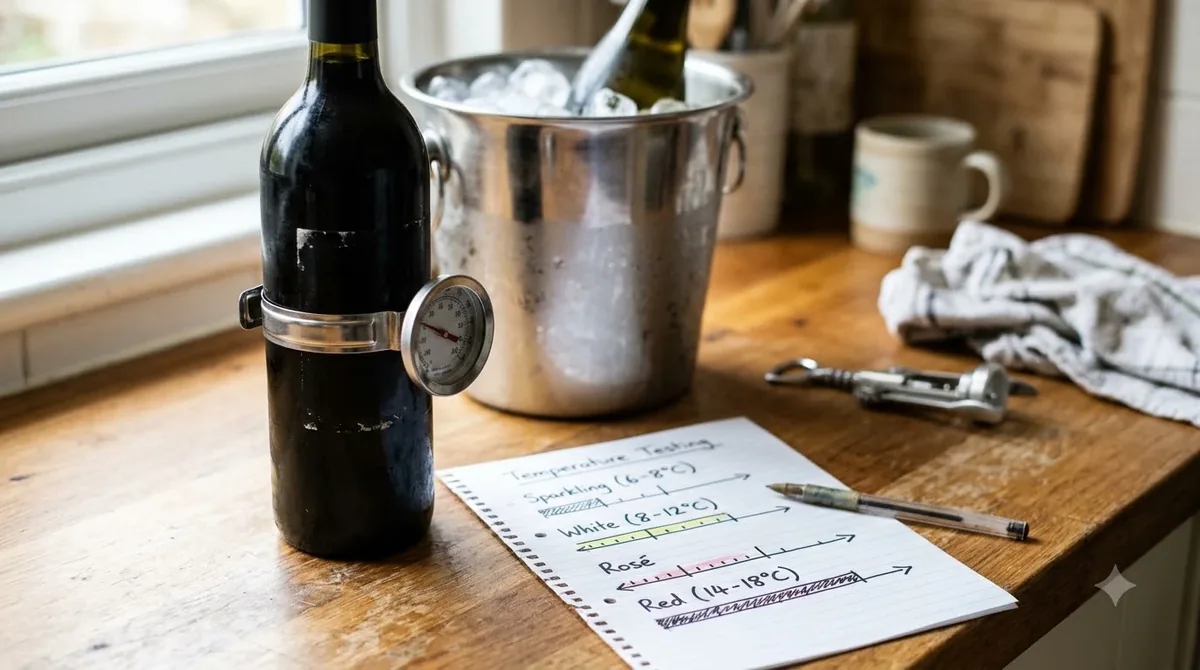
Recommended serving temperatures
White and red wines benefit from different serving temperatures. Serving a white wine too warm can make it seem heavier, while serving a red wine too warm can make its alcohol feel more prominent.
- Pinot Grigio and Sauvignon Blanc: Serve around 45–50°F.
- Chardonnay: Serve around 50–55°F.
- Cabernet Sauvignon and Shiraz: Serve around 60–65°F.
- Merlot and Pinot Noir: Serve around 55–60°F.
- Sweet white wines: Serve around 43–50°F.
A refrigerator can chill white wine effectively, but leaving a bottle in the refrigerator for too long may make it excessively cold. Taking it out briefly before serving can help its aromas become more noticeable. Red wine also benefits from avoiding excessively warm room temperatures, particularly in heated homes.
Storing unopened bottles
Store unopened wine in a cool, dark location with relatively stable temperatures. A storage temperature near 55°F is a useful target for bottles intended to be kept for longer periods. Avoid locations near ovens, radiators, sunny windows, or appliances that produce substantial heat.
For traditional cork-sealed bottles, horizontal storage helps keep the cork in contact with the wine. This is particularly relevant for longer storage periods. Screw-cap bottles do not require the same cork-moisture consideration, although they still benefit from cool, stable storage.
Yellow Tail is generally purchased as an accessible everyday wine rather than as a specialist cellar investment. Most shoppers will get more practical value from buying a bottle for relatively near-term enjoyment than from storing it for years.
Keeping opened bottles fresh
After opening, reseal the bottle and place it in the refrigerator, including red wine. Chilling slows the oxidation process and helps preserve the wine’s freshness. Remove a red bottle from the refrigerator ahead of serving so it can move toward its recommended temperature.
- Still red and white wines: Generally about three to five days refrigerated.
- Sparkling wines: Generally about one to three days with a suitable sparkling-wine stopper.
- Fortified wines: Often several weeks, depending on style and storage.
The actual lifespan depends on the wine, closure, exposure to oxygen, and storage conditions. If a wine develops an unpleasant vinegar-like smell or loses its freshness, it is no longer at its best. Keeping a partially filled bottle tightly sealed and refrigerated is a straightforward way to reduce unnecessary waste.
Choosing the right quantity
A standard 750 ml bottle provides approximately five 5-ounce pours. For a dinner with four adults who each want one glass, one standard bottle may be sufficient, although two bottles provide additional flexibility if guests want another serving.
A 1.5 L bottle provides approximately ten 5-ounce pours. This format is more appropriate for larger gatherings, especially when everyone prefers the same wine. For smaller households that enjoy different varieties, purchasing separate standard bottles may be a more practical approach.
Frequently Asked Questions
Is Yellow Tail wine made in Australia?
Yes. Yellow Tail is an Australian wine brand associated with Casella Family Brands. Its US retail selection identifies Australia as the country of origin. The brand’s familiar kangaroo-themed identity is also intended to communicate its Australian roots.
Are all Yellow Tail wines vegan?
No. Yellow Tail states that many of its wines are vegan-friendly, rather than claiming that every bottle qualifies. The brand uses a vegan symbol on qualifying bottle labels, so shoppers following a vegan diet should look for that specific identification instead of relying on the variety name alone.
Does Yellow Tail wine contain sulfites?
Yes. The brand identifies sulfur dioxide, commonly associated with sulfites, as an additive used to preserve freshness. Sulfur dioxide is a common winemaking preservative, and its presence is separate from the question of whether a particular wine is dry or sweet.
Can Yellow Tail wine be non-vintage?
Yes. Yellow Tail explains that a bottle without a year printed on the front label is non-vintage. This means its wine may contain a blend from more than one harvest year, allowing the winemaking team to maintain a consistent house style across different releases.
Why might a Yellow Tail wine bottle contain sediment?
The brand explains that naturally occurring sediment can consist of tannins and grape-color compounds that fall out of suspension as wine ages. Sediment does not automatically mean a bottle is spoiled. Carefully pouring the wine and leaving the final small amount in the bottle can help keep the particles out of the glass.
Yellow Tail remains a practical option for shoppers looking for familiar Australian wine varieties in accessible bottle formats. The best purchasing decision comes from comparing equivalent wines, considering the difference between 750 ml and 1.5 L bottles, and choosing a style that suits the occasion. By checking local retailer listings and calculating unit cost, shoppers can make a more informed choice without paying for more wine than they actually need.
More in Wine Brands
 Underwood Wine Price: Compare Bottles, Cans, and Pack SizesUpdated Nov 21, 2026
 Zenato Wine Price: Compare Styles and Choose the Right BottleUpdated Nov 21, 2026
 Zuccardi Wine Price: Compare Bottles and Find the Right RangeUpdated Nov 21, 2026
 Yellow Tail Moscato Review: Taste, Sweetness and Serving TipsUpdated Nov 21, 2026
 Wolf Blass Yellow Label Review: Choose Your Best StyleUpdated Nov 21, 2026
 Wolffer Estate Rose Review: Choose the Right Bottle for Your TableUpdated Nov 21, 2026