

We may earn a commission when you buy through links on this page, at no extra cost to you. Learn more.
This dark horse wine review finds that Dark Horse is a worthwhile California wine brand for everyday drinkers who enjoy approachable fruit flavors, familiar grape varieties and versatile food-friendly styles. Its lineup includes Cabernet Sauvignon, Merlot, Pinot Noir, Chardonnay, Sauvignon Blanc, Pinot Grigio and several blends. The strongest choices depend on whether you prefer bold dark fruit, softer reds, crisp whites or richer oak-influenced Chardonnay. Independent Wine Enthusiast reviews also provide useful evidence that individual bottles can perform well beyond their everyday positioning.
Dark Horse takes a relatively straightforward approach to wine: use California grapes, combine traditional winemaking techniques with modern equipment, and produce bottles that are easy to enjoy without requiring specialist knowledge. That philosophy makes the brand interesting for shoppers who want recognizable varieties rather than complicated appellation distinctions. However, the wines are not interchangeable. Cabernet Sauvignon has a different structure from Pinot Noir, and the regular Chardonnay offers a different experience from the Buttery Chardonnay. Understanding those differences is the key to choosing successfully.
Who This Is For: Everyday Wine Drinkers and Value Seekers
Dark Horse is particularly suitable for people who want familiar California grape varieties with expressive fruit and relatively uncomplicated drinking styles. Its range includes both reds and whites, so households with different wine preferences can find several options under the same brand.
The brand’s central philosophy is accessible winemaking. Dark Horse says it was created in 2010 with the goal of producing wines that deliver the character associated with more expensive bottles at prices ordinary wine drinkers could afford. Its approach relies on California grape sourcing, modern winemaking equipment and careful decisions throughout production.
The company identifies Beth Liston as its head winemaker and reports working with more than 400 grape growers across California. That network gives the winemaking team access to grapes from different growing areas and the opportunity to select fruit for particular wine styles. Rather than relying on a single vineyard identity, the brand emphasizes consistency, blending decisions and recognizable varietal characteristics.
According to the producer, its team tastes wines more than 100 times between the vineyard and the finished bottle. It also describes using extended maceration for reds and oak fermentation or aging where appropriate. These techniques help explain why several Dark Horse wines emphasize ripe fruit, texture and oak-derived flavors.
There is also a practical advantage to the range. Someone who prefers Cabernet Sauvignon can choose a darker, firmer red, while another drinker can select Sauvignon Blanc or Pinot Grigio for a fresher style. Chardonnay provides a richer alternative, and Pinot Noir offers a lighter red option. The range is broad enough to cover casual dinners, outdoor gatherings and uncomplicated entertaining.
Dark Horse is less suitable for shoppers whose priorities are highly specific vineyard expressions, traditional European regional character or detailed vintage comparisons. Its California wines are designed around accessibility and a recognizable house approach. Someone searching for a particularly delicate Burgundy Pinot Noir or a mineral-driven white from a small coastal vineyard may prefer a specialist producer.
For readers exploring the wider category, the Wine Brands resource provides a useful starting point for understanding how producers differ in style, sourcing and positioning.
Key Factors to Compare Before Choosing a Dark Horse Bottle
The most useful comparison points are grape variety, body, acidity, tannin and oak influence. These characteristics determine whether a bottle suits your preferred drinking style and the food you plan to serve.
Dark Horse has several wines with overlapping fruit descriptions, but their structures differ considerably. Cabernet Sauvignon emphasizes darker fruit and firmer tannins, while Pinot Noir generally offers lighter tannins and brighter acidity. Chardonnay and Sauvignon Blanc also serve different purposes: the former can offer a rounder texture, while the latter emphasizes freshness and citrus.
| Wine | Typical style | Main characteristics | Best use |
|---|---|---|---|
| Cabernet Sauvignon | Full-bodied red | Blackberry, dark fruit, oak, firm tannins | Steak and grilled beef |
| Merlot | Medium-bodied red | Dark cherry, blackberry, mocha | Burgers and roasted pork |
| Pinot Noir | Light to medium red | Cherry, raspberry, cedar | Chicken and mushroom dishes |
| Red Blend | Medium to full-bodied red | Red cherry, raspberry, cassis | Pizza and mixed appetizers |
| Double Down Red Blend | Full-flavored red blend | Blackberry, molasses, dark chocolate | Barbecue and rich meat dishes |
| Chardonnay | Medium to full-bodied white | Pineapple, guava, peach, vanilla | Roast chicken and creamy pasta |
| Buttery Chardonnay | Rich, round white | Buttercream, baked apple, pear, vanilla | Rich seafood and poultry |
| Sauvignon Blanc | Light to medium white | Grapefruit, green apple, tropical fruit | Seafood and salads |
| Pinot Grigio | Light-bodied white | Pear, apple, white peach | Light appetizers and shellfish |
| Rosé | Dry, refreshing pink wine | Strawberry, watermelon, ripe peach | Salads and summer meals |
These descriptions reflect the producer’s published portfolio and general grape-variety characteristics rather than a promise that every vintage will taste identical. A wine’s final profile can change with the growing season, blending decisions and production choices.
Body and tannin
Body describes how substantial a wine feels in the mouth. Cabernet Sauvignon generally has more body and tannin than Pinot Noir. Merlot usually falls between them, with medium tannin and a softer impression. If you are new to red wine, beginning with Merlot or Pinot Noir may be more comfortable than starting with a structured Cabernet.
Tannin is particularly important when pairing food. The firmer tannins of Cabernet Sauvignon can work well with fatty beef because fat softens their drying sensation. Pinot Noir is a more flexible choice for poultry and mushroom dishes because its lower tannin and higher acidity allow it to complement delicate flavors.
Acidity and oak
Acidity provides freshness and makes a wine feel lively. Sauvignon Blanc and Riesling generally have high acidity, while Chardonnay usually has medium acidity. Dark Horse’s Sauvignon Blanc is the better starting point for drinkers who prefer citrus and a crisp finish.
Oak influence creates another distinction. Vanilla, toasted wood, caramel and baking spice can make a wine feel rounder and richer. The producer’s descriptions of its Chardonnay and Buttery Chardonnay suggest two useful styles for shoppers who enjoy white wines with more texture.
Tip: If you are buying your first Dark Horse bottle, choose according to the food and texture you enjoy rather than selecting the wine with the darkest label or most dramatic flavor description. A crisp Sauvignon Blanc and a firm Cabernet Sauvignon serve very different purposes.
Step-by-Step: How to Choose the Right Dark Horse Wine
A simple selection process makes it easier to match a Dark Horse wine to your preferences. Start with the food or occasion, narrow the choice by grape variety, and then consider body, acidity and serving temperature.
-
Decide whether you want red, white, rosé or sparkling wine.
For a substantial dinner with beef, begin with Cabernet Sauvignon or a red blend. For lighter meals, consider Pinot Noir, Sauvignon Blanc or Pinot Grigio. Rosé is a flexible option for outdoor meals and casual gatherings, while Brut Bubbles offers a sparkling alternative.
-
Choose your preferred fruit profile.
Dark cherry, blackberry and mocha point toward Merlot. Blackberry, dark chocolate and toasted oak suggest Cabernet Sauvignon. Raspberry and Bing cherry are useful clues for Pinot Noir. If you enjoy grapefruit, green apple and tropical fruit, Sauvignon Blanc deserves consideration.
-
Decide how much structure you enjoy.
Drinkers who like a firmer, more substantial red should consider Cabernet Sauvignon. Those who prefer a softer mouthfeel can start with Merlot. Pinot Noir is another good option for people who enjoy red fruit and less pronounced tannin.
-
Consider oak and texture in white wine.
Choose the regular Chardonnay if you want fruit characteristics such as pineapple, guava and peach alongside vanilla. Select Buttery Chardonnay if you prefer a fuller impression with buttercream, baked apple and pear.
-
Match the wine to the meal.
Cabernet works particularly well with fatty beef, Merlot with roasted pork, Pinot Noir with mushrooms and poultry, and Sauvignon Blanc with acidic seafood preparations. The wine should have enough acidity to balance acidic sauces rather than tasting flat beside them.
-
Check the bottle size and occasion.
The standard 750 ml format provides approximately five servings when poured at 5 oz each. Dark Horse also lists several 375 ml formats, which provide approximately two and a half standard servings and can be useful for smaller gatherings.
-
Serve the wine at an appropriate temperature.
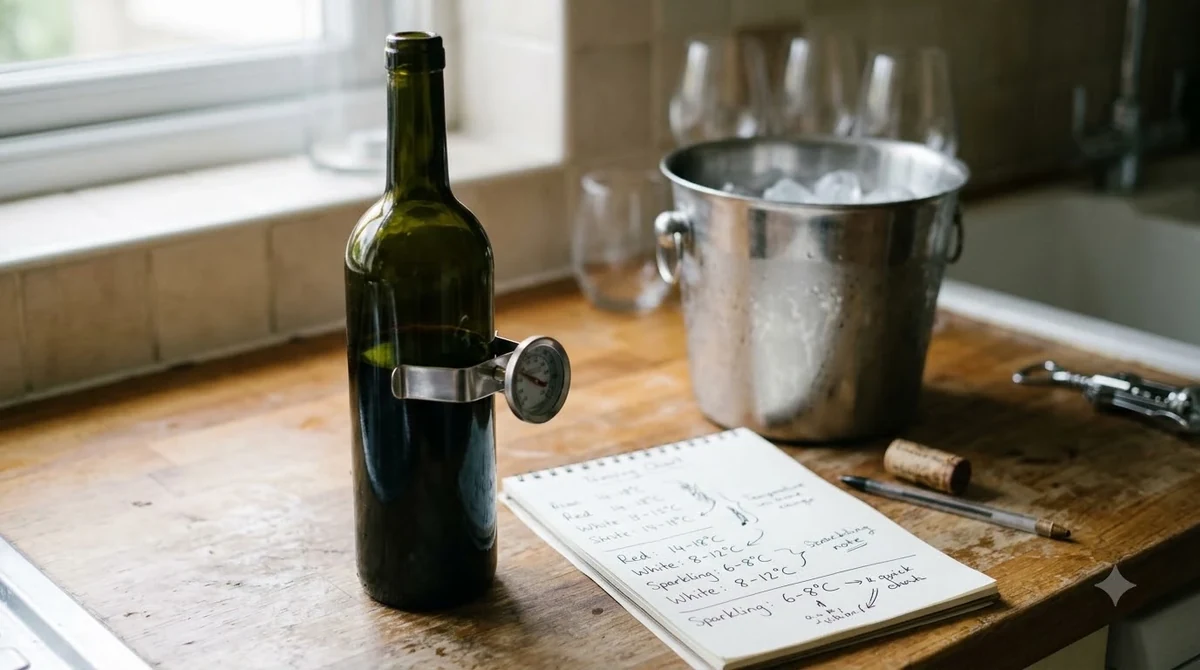
Light whites and rosé are best served around 45–50°F, while fuller whites work well around 50–55°F. Light reds benefit from 55–60°F, and fuller reds are generally best around 60–65°F.
This method is especially useful when buying wine for a group. Instead of assuming that everyone will prefer a Cabernet, offer a lighter red or a white wine as an alternative. A mixed selection of Sauvignon Blanc, Chardonnay and Cabernet Sauvignon covers three distinct preferences without requiring an unusually large collection.
Types and Styles Explained: Dark Horse Reds, Whites and Bubbles
The Dark Horse portfolio is organized around familiar grape varieties and approachable blends. Its red wines emphasize dark and red fruit, its whites cover both crisp and richer styles, and its smaller-format sparkling offerings provide additional choices for casual occasions.
Cabernet Sauvignon: The structured red choice
Cabernet Sauvignon is a natural starting point for people who enjoy full-bodied California reds. The official Dark Horse portfolio describes its 2022 bottling with dark berry, coffee and toasted oak characteristics. Those flavors fit the variety’s reputation for dark fruit and substantial tannin.
Independent evidence provides additional context. Wine Enthusiast awarded the reviewed 2022 Dark Horse Cabernet Sauvignon 91 points and listed its alcohol content at 14.5% in a 750 ml bottle. Reviewer Tonya Pitts described blackberry, Olallieberry, toasted oak and dark chocolate aromas, followed by boysenberry, black licorice, orange zest and black pepper. The review also noted a juicy, dry finish. Read the full Wine Enthusiast review of Dark Horse 2022 Cabernet Sauvignon for its complete tasting assessment.
This is a useful choice for beef burgers, grilled steak, short ribs and other foods with enough richness to balance the wine’s tannin. Serve it around 60–65°F. If the wine seems particularly firm, allowing it to breathe for approximately 30–60 minutes can help a young full-bodied red become more expressive.
Readers specifically interested in this variety can explore the Dark Horse Cabernet selection for a more focused look at its characteristics and food pairings.
Merlot: A softer alternative
Merlot generally offers a more approachable tannin structure than Cabernet Sauvignon. Dark Horse describes its 2022 Merlot with dark cherry, blackberry and mocha. Those flavors make it a useful choice for people who want a dark-fruited red without the firmer structure typically associated with Cabernet.
Its medium body makes Merlot particularly versatile at the dinner table. Try it with roasted pork, meatloaf, mushroom pizza or grilled sausages. The wine’s fruit can complement browned meat and savory seasonings without requiring a heavily seasoned sauce.
Merlot is also worth considering when serving guests with different levels of red-wine experience. Someone who finds Cabernet too drying may prefer Merlot’s softer tannins. It is not necessarily a sweet wine, however; ripe fruit flavors should not be confused with residual sugar.
Pinot Noir: A lighter red option
Dark Horse’s official portfolio describes its 2022 Pinot Noir with Bing cherry, raspberry and shaved cedar. Total Wine also describes the brand’s Pinot Noir with red cherry, raspberry and cedar, noting its lighter tannins and medium-bodied character.
Pinot Noir is generally a more delicate red than Cabernet Sauvignon. It has lower to medium tannin and relatively high acidity, making it suitable for foods that could be overwhelmed by a heavier red. Roasted chicken, grilled salmon, mushroom risotto and herb-seasoned turkey are useful pairing choices.
Serve Pinot Noir around 55–60°F rather than at a warm room temperature. A slight chill can help preserve its freshness, especially when serving it during warmer weather.
Red Blend and Double Down Red Blend
Blends allow winemakers to combine varieties to achieve a particular balance of fruit, texture and structure. Dark Horse’s regular Red Blend is described with red cherry, raspberry and cassis, while Double Down Red Blend emphasizes darker flavors such as blackberry, molasses and dark chocolate.
The regular Red Blend is a practical option for pizza, burgers and casual dinners because its fruit-forward description suggests versatility. Double Down is better suited to richer dishes, particularly barbecue, slow-cooked beef and foods with smoky or sweet-savory sauces.
These wines also give shoppers alternatives when they are unsure which single grape variety to choose. A blend can provide a broader flavor profile than a varietal bottling, although its exact composition and balance depend on the particular wine.
Chardonnay: Two different white-wine directions
Chardonnay is one of the most flexible white grape varieties because its style can range from fresh and restrained to full and creamy. Dark Horse lists both a regular Chardonnay and a Buttery Chardonnay, making the distinction particularly relevant when choosing a bottle.
The producer describes its 2022 Chardonnay with pineapple, guava, peach and vanilla. Its Buttery Chardonnay is associated with buttercream, baked apple, pear and vanilla. These descriptions suggest that shoppers should compare the intended texture and oak influence rather than treating both bottles as identical.
Regular Chardonnay is a good option for roast chicken, baked fish and creamy pasta. Buttery Chardonnay may be more satisfying with lobster, richer seafood dishes, roast poultry and dishes containing butter-based sauces.
For additional detail on the white-wine option, see the Dark Horse Chardonnay resource.
Sauvignon Blanc and Pinot Grigio
Sauvignon Blanc is the more immediately citrus-driven option in the lineup. Dark Horse describes its 2023 bottling with pink grapefruit, green apple and melon. Wine Enthusiast awarded its reviewed 2024 Sauvignon Blanc 87 points, identifying tropical fruit, citrus and acacia flowers on the nose, with guava, white grapefruit zest, lime and acidity on the palate.
That review lists the 2024 bottling at 13% alcohol in a 750 ml bottle. It is useful independent evidence of the wine’s style, particularly for shoppers who prefer fresh white wines with recognizable citrus characteristics. Sauvignon Blanc is a good match for grilled fish, shrimp, goat cheese and salads with citrus dressing. The Wine Enthusiast review of Dark Horse 2024 Sauvignon Blanc provides the full professional tasting description.
Pinot Grigio is another option for drinkers who want a lighter white. Dark Horse describes its 2023 version with pear, green apple and white peach. These fruit characteristics make it a practical companion for shellfish, light pasta dishes and simple appetizers.
Rosé and sparkling wines
Dark Horse also offers rosé, Brut Bubbles and Rosé Bubbles. The producer describes its 2023 rosé with strawberry, watermelon and ripe peach. Its smaller-format Brut Bubbles is associated with lively fruit and toasted oak, while Rosé Bubbles emphasizes stone fruit, citrus and red berries.
Dry rosé is particularly useful with grilled vegetables, chicken salads, seafood and light appetizers. Sparkling wine can be served as an aperitif or alongside salty snacks, fried appetizers and seafood. The bubbles help refresh the palate between bites.
For sparkling wine, sweetness terminology matters. Brut Nature, Extra Brut and Brut are progressively less dry categories, followed by Extra Dry, Dry, Demi-Sec and Doux. Prosecco is generally made from Glera using the tank method, whereas Champagne and Cava undergo their second fermentation in the bottle. These are general wine-category distinctions rather than claims about the production method of every Dark Horse sparkling bottle.
Common Mistakes When Buying and Drinking Dark Horse Wine
The most common mistakes involve choosing by grape name alone, confusing fruit intensity with sweetness and overlooking the importance of serving temperature. A little attention to these details can make an ordinary bottle more enjoyable.
Assuming dark fruit means sweet wine
Blackberry, cherry, plum and chocolate descriptions can make a wine sound sweet, but fruit flavor does not automatically indicate residual sugar. Dark Horse Cabernet Sauvignon, for example, is described by Wine Enthusiast as finishing juicy and dry.
A dry wine can still have ripe fruit aromas and flavors. If you want an actual sweet wine, look for sweetness information rather than relying on terms such as dark fruit, mocha or vanilla. This distinction is especially important when buying for someone who dislikes dry reds.
Choosing Cabernet for every red-wine occasion
Cabernet Sauvignon is a popular choice, but its relatively high tannin does not suit every meal. A delicate chicken dish or a lightly seasoned mushroom preparation may work better with Pinot Noir. Merlot is another useful middle ground when the food is substantial but does not need the firmness of Cabernet.
Oily fish can also clash with tannic reds. For salmon, trout and similar dishes, consider a lighter Pinot Noir or a white wine instead. The preparation matters: grilled fish with rich seasoning is different from delicate poached fish with lemon.
Ignoring acidity in food pairings
Acidic food can make a low-acid wine seem flat. Tomato sauce, citrus dressing and vinegar-heavy preparations are therefore easier to pair with wines that have equal or higher acidity. Sauvignon Blanc is a natural starting point for many citrus-based seafood dishes.
For tomato-heavy pasta, consider a red with enough acidity and moderate structure rather than automatically choosing the fullest wine available. Salt and fat can soften tannin, but acidity still plays a major role in keeping the combination balanced.
Serving white wine too cold
Serving every white wine directly from a very cold refrigerator can mute its aromas. Sauvignon Blanc and Pinot Grigio are generally best around 45–50°F, while fuller Chardonnay can show more character around 50–55°F.
Similarly, full-bodied reds do not need to be served warm. Cabernet Sauvignon is generally more enjoyable around 60–65°F, rather than at the temperature of a heated dining room.
Expecting every vintage to taste identical
Dark Horse’s broad sourcing and winemaking approach are intended to produce recognizable styles, but wines are agricultural products. Weather, harvest conditions and blending decisions can affect the finished bottle. A particular vintage may emphasize darker fruit, more freshness or a different oak impression.
Independent reviews should also be interpreted by vintage and wine type. The 91-point Wine Enthusiast assessment of the 2022 Cabernet Sauvignon does not automatically apply to every other Cabernet vintage or every Dark Horse wine. The 87-point assessment of the reviewed 2024 Sauvignon Blanc is a separate evaluation of a different bottle.
Care and Storage Tips for Dark Horse Bottles
Proper storage and serving make a difference even with everyday wines. Keep unopened bottles away from heat and direct sunlight, use suitable temperatures for each style and refrigerate opened wine promptly.
Storing unopened bottles
A temperature near 55°F is a useful target for storing wine. Consistency matters more than repeatedly moving bottles between warm and cold locations. Large temperature fluctuations can be undesirable, particularly during longer storage.
For cork-closed bottles intended for storage, keep them on their sides so the cork remains in contact with the wine. Avoid placing bottles beside ovens, radiators, sunny windows or other sources of heat. A dark cupboard or dedicated wine refrigerator is more suitable than a kitchen counter.
Dark Horse wines are generally positioned for accessible drinking rather than long-term cellar aging. For that reason, most shoppers should prioritize proper storage and timely enjoyment instead of buying bottles with the intention of keeping them for many years.
Serving temperatures
Temperature can change how fruit, acidity, tannin and alcohol are perceived. The following ranges provide a practical starting point for the major styles:
- Sparkling wine: 40–50°F.
- Light whites and rosé: 45–50°F.
- Fuller whites: 50–55°F.
- Light reds: 55–60°F.
- Full-bodied reds: 60–65°F.
- Sweet whites: 43–50°F.
If a bottle has been stored in a refrigerator, a short period outside it can bring a Chardonnay closer to its ideal serving range. Conversely, a warm Cabernet can benefit from a brief period in the refrigerator before serving.
Opening and preserving wine
Pouring approximately 5 oz per glass gives around five servings from a standard 750 ml bottle. This is a useful measure for dinner planning and helps prevent oversized pours from warming too quickly.
Once opened, still wines generally keep for approximately three to five days in the refrigerator when properly sealed. Sparkling wine usually keeps for one to three days with an appropriate sparkling-wine stopper. Fortified wines can last several weeks, while bag-in-box wines commonly remain usable for four to six weeks after opening.
Refrigeration slows the deterioration of opened wine, including red wine. Take a bottle of Cabernet or Merlot out shortly before serving so it can return toward the appropriate temperature. Avoid leaving opened wine exposed to air for extended periods.
Decanting and glassware
Most approachable Dark Horse wines do not require elaborate preparation. A simple glass with enough room to swirl is adequate for Cabernet Sauvignon, Merlot and Chardonnay. Pinot Noir also benefits from a glass that allows its red-fruit aromas to develop.
Young, full-bodied reds can benefit from approximately 30–60 minutes of decanting, particularly when they seem tight immediately after opening. This is an optional step rather than a requirement for every bottle. Lighter reds and fresh whites generally do not need extended aeration.
For a dinner gathering, open the wine shortly before serving, prepare the food and allow the wine to reach its recommended temperature. These straightforward steps are generally more useful than buying specialized accessories for an inexpensive everyday bottle.
Frequently Asked Questions
Who owns or makes Dark Horse wine?
Dark Horse is part of the E. & J. Gallo wine portfolio. Beth Liston is identified on the brand’s winemaking information as its head winemaker. The brand’s production philosophy combines California grape sourcing with modern winemaking techniques.
Does Dark Horse make wine in half bottles?
Yes. The official portfolio lists several 375 ml formats, including Brut Bubbles, Rosé Bubbles, rosé, Pinot Grigio, Sauvignon Blanc and Pinot Noir. A 375 ml bottle provides approximately two and a half standard 5 oz servings.
Is Dark Horse Cabernet Sauvignon suitable for aging?
Dark Horse Cabernet Sauvignon is primarily positioned as an accessible drinking wine rather than a specialist cellar selection. Its 2022 bottling was reviewed at 91 points by Wine Enthusiast, but that assessment does not establish a specific aging window. For ordinary purchases, enjoying the wine while its fruit remains expressive is a sensible approach.
Is Dark Horse Chardonnay made in an oaky style?
The producer’s descriptions include vanilla in its regular Chardonnay and buttercream and vanilla in its Buttery Chardonnay. Total Wine also describes baked apple, pear, toasted oak, caramel and brown spice in its Chardonnay listing. These characteristics indicate a richer flavor direction than an especially lean, unoaked white wine.
Can Dark Horse wine be used for cooking?
Yes. Dry Dark Horse Cabernet Sauvignon or Merlot can be used in beef stews, pan sauces and red-wine reductions. Chardonnay can work in cream sauces for chicken or seafood, while Sauvignon Blanc is useful for lighter sauces involving herbs, citrus and seafood. Choose a wine you would be comfortable drinking rather than relying on a bottle with an unpleasant or oxidized flavor.
Dark Horse offers a broad selection of approachable California wines, with Cabernet Sauvignon, Merlot and Chardonnay providing particularly useful starting points for everyday drinkers. Its range also includes lighter reds, crisp whites, rosé and sparkling options, so choosing the right bottle is largely a matter of matching grape variety and style to personal preference. For shoppers who want recognizable flavors and uncomplicated food pairings, Dark Horse deserves consideration as an everyday wine brand.
More in Wine Brands
 Underwood Wine Price: Compare Bottles, Cans, and Pack SizesUpdated Nov 21, 2026
 Zenato Wine Price: Compare Styles and Choose the Right BottleUpdated Nov 21, 2026
 Zuccardi Wine Price: Compare Bottles and Find the Right RangeUpdated Nov 21, 2026
 Yellow Tail Moscato Review: Taste, Sweetness and Serving TipsUpdated Nov 21, 2026
 Wolf Blass Yellow Label Review: Choose Your Best StyleUpdated Nov 21, 2026
 Wolffer Estate Rose Review: Choose the Right Bottle for Your TableUpdated Nov 21, 2026