

We may earn a commission when you buy through links on this page, at no extra cost to you. Learn more.
The far niente wine price typically ranges from about $55 to $115 for standard 750 ml Chardonnay and Napa Valley Cabernet Sauvignon bottles, while limited Cave Collection releases can cost considerably more. Far Niente is a premium Oakville winery known primarily for Chardonnay and Cabernet Sauvignon, with additional offerings that include Dolce dessert wine. The bottle, vintage, format, and availability all influence what buyers pay, so comparing the specific wine matters more than looking at the winery name alone.
Far Niente occupies an established position in Napa Valley’s premium wine market. Its traditional Chardonnay offers a different buying proposition from its structured Cabernet Sauvignon, while its Cave Collection targets collectors interested in aged releases. Understanding these distinctions makes it easier to decide whether a standard bottle, a special-occasion wine, or a collectible release deserves a place in the wine budget.
Who Should Consider Far Niente Wine
Far Niente is a strong option for buyers who appreciate premium Napa Valley Chardonnay, structured Cabernet Sauvignon, and wines associated with a recognizable estate. Its range suits different occasions, but buyers should distinguish between everyday entertaining, special dinners, and collecting before choosing a bottle.
Chardonnay is a logical starting point for someone exploring the winery for the first time. Far Niente identifies it as the first wine produced at the estate, with production beginning in 1981. The winery describes its style as combining bright fruit, refreshing acidity, and a rounded, creamy texture. That balance gives the wine appeal for people who enjoy a fuller-bodied California Chardonnay without wanting to sacrifice freshness.
Cabernet Sauvignon is aimed at a somewhat different audience. Its dark-fruit character, silky tannins, structure, and aging potential make it particularly relevant to buyers who enjoy substantial red wines with steak, lamb, or hearty mushroom dishes. Cabernet Sauvignon generally has high tannin, so its structure is an important part of the drinking experience rather than simply a reason for a higher retail price.
Collectors may be more interested in the Cave Collection than in a standard current-release bottle. Far Niente describes these wines as limited releases that have spent time aging in its historic caves. Their limited availability and additional cellar history help explain why their pricing can be substantially different from that of the regular Chardonnay and Cabernet Sauvignon releases.
There are also buyers who want to explore the broader wine family without starting with the flagship estate wines. Related labels such as Post & Beam offer additional Chardonnay and Cabernet Sauvignon choices. Those bottles are useful to consider when the desired style is familiar but the buyer has a more restrained spending limit.
Price Factors to Compare Before Buying
Far Niente wine prices depend on the wine category, vintage, bottle size, and release history. Comparing these four factors gives a more useful estimate than treating all bottles from the winery as one product category.
| Wine category | Typical retail range | Common format | Main buying consideration |
|---|---|---|---|
| Far Niente Chardonnay | About $55–$80 | 750 ml | Premium Napa Valley white wine |
| Far Niente Napa Valley Cabernet Sauvignon | About $85–$130 | 750 ml | Structured, collectible-style red |
| Far Niente Oakville Cabernet Sauvignon | About $250–$350 | 750 ml | Estate-specific premium release |
| Far Niente Cave Collection Cabernet Sauvignon | About $350–$450 or more | 750 ml | Limited, aged release |
| Far Niente Dolce | About $65–$120 | 375 ml | Late-harvest dessert wine |
These are approximate US retail comparison ranges, not guaranteed prices for every vintage or retailer. The Chardonnay range is supported by listings from BuyWinesOnline and Total Wine, while the standard Napa Cabernet range is supported by those retailers’ listings. The higher Oakville and Cave Collection estimates reflect the winery’s own listed releases and retailer selections. For an additional comparison of bottle sizes, vintages, and available categories, consult Total Wine’s Far Niente wine selection. Prices vary by state and retailer, and shipping, taxes, and local availability can change the final amount.
Wine category and production style
The first distinction is between Chardonnay and Cabernet Sauvignon. Chardonnay is a white wine with a different production and market profile from the estate’s Cabernet Sauvignon. Its creamy texture, fruit character, and acidity make it suitable for a range of meals, from roasted chicken to seafood and richer vegetarian dishes.
Cabernet Sauvignon typically occupies a higher-priced position in Far Niente’s range. Its structure, reputation for aging, and Oakville identity are important considerations for buyers. A bottle intended for a special dinner or a longer cellar period may justify a larger budget than a bottle intended for an informal weekend meal.
Vintage and release history
Vintage is another important variable. Two bottles with the same winery name and grape variety can differ in price because they represent different harvests or release categories. A current-release Chardonnay should not be compared directly with a library-release Cabernet Sauvignon simply because both carry the Far Niente label.
The Cave Collection adds another layer. These wines have undergone additional aging before release, and the winery presents them as limited offerings. Buyers are paying for the particular vintage and its history as well as the wine itself.
Bottle size and availability
Standard 750 ml bottles are the easiest format to compare across retailers. Far Niente’s portfolio also includes 1.5-liter magnums and 375 ml half bottles, which require different calculations when comparing the cost per milliliter or the number of servings.
Retailer inventory also matters. A bottle listed by one store may not be available in another state, and an older vintage may disappear from regular retail channels. A seemingly large price difference can therefore reflect different vintages, formats, or stock conditions rather than a straightforward difference in value.
Step-by-Step: How to Find the Right Far Niente Bottle
A practical purchase starts with the intended occasion and ends with a comparison of the exact vintage and format. Following these steps helps avoid paying a premium for a wine that does not match the occasion.
-
Choose the wine style.
Decide whether Chardonnay, Cabernet Sauvignon, or Dolce is the best match. Chardonnay is appropriate for people who enjoy fuller-bodied whites, Cabernet Sauvignon suits structured red wine drinkers, and Dolce is intended for dessert-oriented occasions.
-
Set a realistic spending range.
Use the approximate retail ranges in the comparison table as a starting point. A standard Chardonnay and a limited Cave Collection Cabernet represent very different buying commitments, so decide on the intended budget before browsing individual vintages.
-
Identify the exact vintage.
Record the vintage shown in the listing. A Napa Valley Cabernet Sauvignon and a library-release Oakville Cabernet Sauvignon should be treated as separate purchases, even if both come from the same winery.
-
Compare bottle sizes.
Check whether the listing is for 750 ml, 1.5 liters, or 375 ml. A magnum contains twice the wine of a standard bottle, while a half bottle contains half as much. Comparing total bottle prices without accounting for volume can produce misleading conclusions.
-
Compare at least two retailers.
Look for the same wine, vintage, and bottle size at more than one established seller. The comparison is meaningful only when all three details match. A lower listing for a different vintage is not automatically a better purchase.
-
Review availability and delivery costs.
Confirm whether the bottle is available for delivery or local pickup. Wine shipping restrictions differ by state, and shipping charges can materially affect the total purchase cost, especially for a single bottle.
-
Match the bottle to the occasion.
Choose a standard Chardonnay for a dinner centered on poultry or seafood, Cabernet Sauvignon for a richer red-wine meal, or Dolce for a dessert course. The most expensive option is not necessarily the most suitable one.
Tip: Compare the same vintage and bottle size before judging whether a Far Niente listing is expensive. A 375 ml dessert wine, a 750 ml Chardonnay, and a 1.5-liter Cabernet magnum are not directly comparable by their shelf prices.
These steps are particularly useful for online purchases, where listings can display different vintages and bottle formats on the same brand page. The exact product description should be checked before checkout, particularly when purchasing an older release intended for collecting or gifting.
Far Niente Wine Styles Explained
Far Niente’s core identity centers on Chardonnay and Cabernet Sauvignon, but its portfolio also includes limited releases and dessert wine. Understanding the character and purpose of each style makes the price differences easier to interpret.
Far Niente Chardonnay
Chardonnay is one of the winery’s defining wines and has been produced since 1981. The estate describes its approach as combining cool-climate vineyard sources with French-inspired winemaking. Its stated style emphasizes bright fruit, refreshing acidity, and a rounded, creamy mouthfeel.
That combination makes Chardonnay a versatile choice for a dinner table. It can accompany roast chicken, lobster, scallops, grilled halibut, and dishes with butter-based sauces. Chardonnay has medium acidity in typical wine-style comparisons, so richer preparations often work well with its texture and weight.
For buyers who want to explore the wine in greater detail, the dedicated Far Niente Chardonnay overview is a useful next step. It provides a more focused starting point for understanding the estate’s flagship white wine rather than comparing it with unrelated red or dessert releases.
Far Niente Cabernet Sauvignon
Cabernet Sauvignon is the winery’s other signature category. Far Niente describes its Cabernet style through dark fruit, structure, freshness, and silky tannins. These characteristics make it a natural choice for people who enjoy full-bodied Napa Valley reds.
Cabernet’s relatively high tannin level makes food pairing important. Steak, lamb, short ribs, and dishes featuring earthy mushrooms can provide suitable partners. Salt and fat soften the perception of tannin, which helps explain why a structured Cabernet often works particularly well alongside richer meat dishes.
The standard Napa Valley release is a more accessible starting point than a limited cave release. Buyers interested in the latter should consider whether they specifically want an aged, collectible bottle or simply want to enjoy the winery’s Cabernet style with dinner.
Far Niente Cave Collection
The Cave Collection is intended for people interested in wines with additional aging and limited availability. The winery says its collection dates back to 1979 and features carefully aged bottles re-released from its historic caves.
This is a distinct purchase category. A collector may value a particular vintage, its time in the cellar, and its scarcity, whereas a dinner host may prefer the practicality of a standard current-release Cabernet Sauvignon. Those are different reasons for buying wine and should be evaluated separately.
The Cave Collection is also not limited to a simple price premium over current releases. Its pricing reflects the particular bottle and release, and individual vintages can have different availability. Buyers should pay attention to the exact vintage and whether the listing identifies a library or cave release.
Far Niente Dolce
Dolce is the dessert-wine option in the broader portfolio. Retail listings commonly show it in a 375 ml half-bottle format, making it a smaller-volume purchase than the standard 750 ml wines.
A half bottle can be a practical choice for a dessert course because sweet wine is often poured in smaller servings than a dry table wine. Dolce can be considered alongside fruit desserts, pastries, and blue cheese. The basic pairing principle is to select a wine at least as sweet as the dessert, so the wine does not taste comparatively thin or sour.
Buyers comparing Dolce with Chardonnay or Cabernet should remember that it serves a different purpose. It is not simply another bottle in the same dinner-wine category. Its sweetness, serving role, and smaller bottle format make it a separate purchase decision.
Related labels: Post & Beam and EnRoute
The wider Far Niente wine family includes other labels, notably Post & Beam and EnRoute. BuyWinesOnline identifies Post & Beam with Cabernet Sauvignon and Chardonnay, while EnRoute is associated with Russian River Valley Pinot Noir.
These labels should not be confused with the flagship Far Niente estate wines. They offer additional styles and buying choices within the broader family, which can be useful for people who want to explore wines associated with the same producer group without selecting a premium estate Cabernet.
For a broader overview of the estate and its main offerings, the Far Niente wine guide provides additional context. Buyers interested in the white-wine side can also compare the Far Niente white wine range.
Common Mistakes When Comparing Far Niente Prices
The biggest buying mistakes come from comparing different wines as if they were equivalent. Vintage, appellation, bottle volume, and release category all affect what a reasonable purchase looks like.
Comparing different vintages without checking the details
A common mistake is comparing two Cabernet listings solely by their winery name. One may be a current Napa Valley release, while another may be an older Oakville bottle or a Cave Collection selection. The second bottle may carry a higher price because of its release history, rather than because the retailer has simply priced the same wine differently.
The same issue applies to Chardonnay. A standard 750 ml current-release bottle and a 1.5-liter magnum should not be judged by total shelf price alone. Record the vintage and volume before drawing conclusions.
Assuming all Far Niente bottles are flagship wines
The wider wine family includes several distinct labels. Post & Beam and EnRoute are not interchangeable with the flagship Far Niente Chardonnay or Cabernet Sauvignon. Their grapes, regions, wine styles, and intended positioning can differ.
Buyers should also avoid assuming that a wine is a Cave Collection release simply because it has an older vintage. The actual release designation matters. An older bottle and a specifically identified cave release are not necessarily the same thing.
Overlooking the smaller dessert-wine format
Dolce is often listed in a 375 ml bottle. Comparing its total price with a 750 ml Chardonnay can make it appear unusually expensive or unusually affordable, depending on the comparison. The amount of wine in the bottle must be included in the calculation.
There is also a practical serving difference. Dessert wine is generally poured in smaller quantities, so a half bottle may provide several dessert servings. That makes the format more useful than its volume alone might suggest.
Buying a collectible bottle without a collecting purpose
A limited Cave Collection release can be appealing, but its additional cost makes sense primarily for someone who values the specific vintage, the aged-release experience, or collecting. Someone looking for a bottle to accompany a Saturday steak dinner may get a more practical purchase from the standard Napa Valley Cabernet Sauvignon.
Likewise, a collector should consider storage conditions before purchasing several expensive bottles. Heat exposure, temperature swings, and poor storage can undermine the value of a wine intended to be kept for a longer period.
Ignoring the final checkout cost
Online listings do not always reflect the complete purchase expense. Delivery fees, taxes, state shipping rules, and local availability can change the final total. A bottle that appears less expensive at one retailer may not remain the less expensive choice after delivery charges are included.
For that reason, compare the final checkout amount rather than relying only on the displayed bottle price. This is particularly important when buying a single bottle rather than placing a larger order.
Storage and Serving Tips for Protecting Your Purchase
Correct storage and serving help preserve the wine’s intended character. A premium Chardonnay, a structured Cabernet, and a sweet Dolce release have different serving needs, but all benefit from sensible temperature control and careful handling.
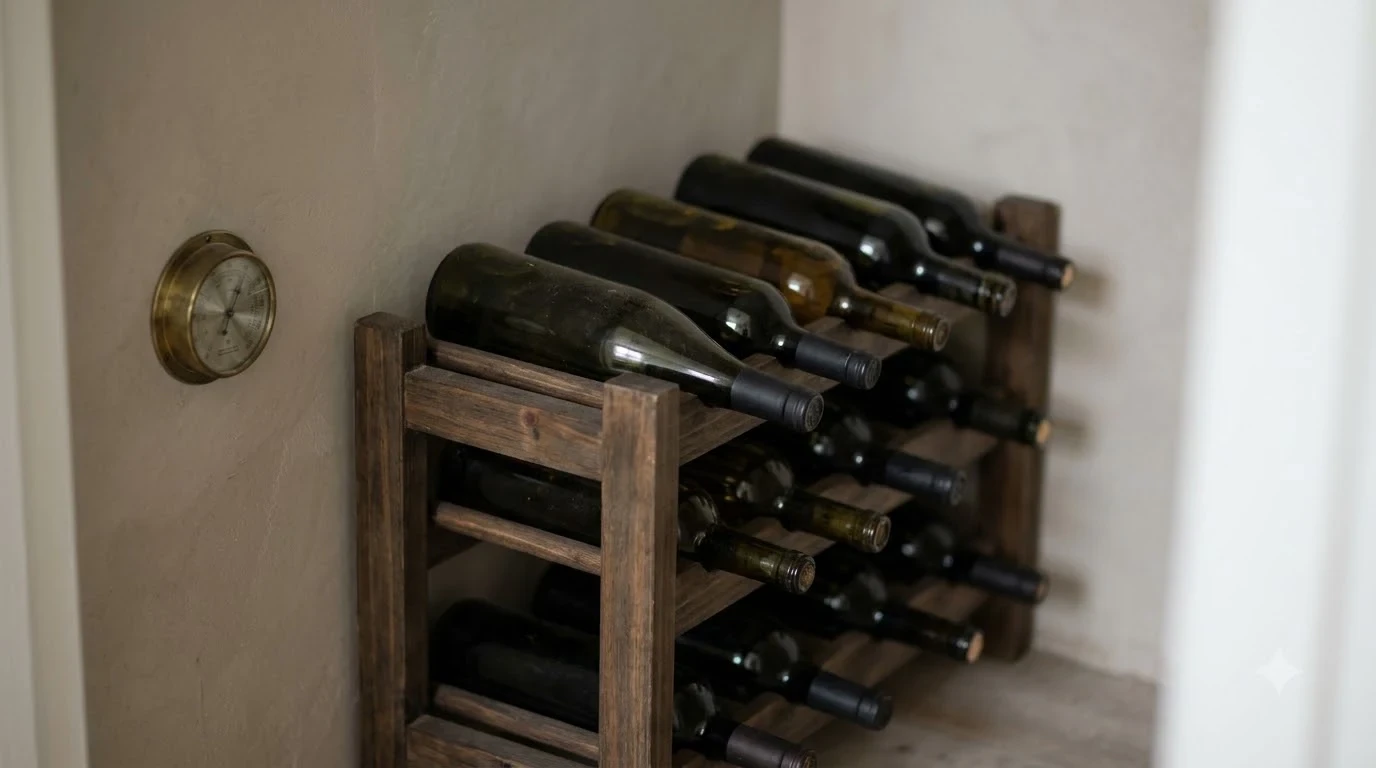
Store bottles in a cool, stable environment
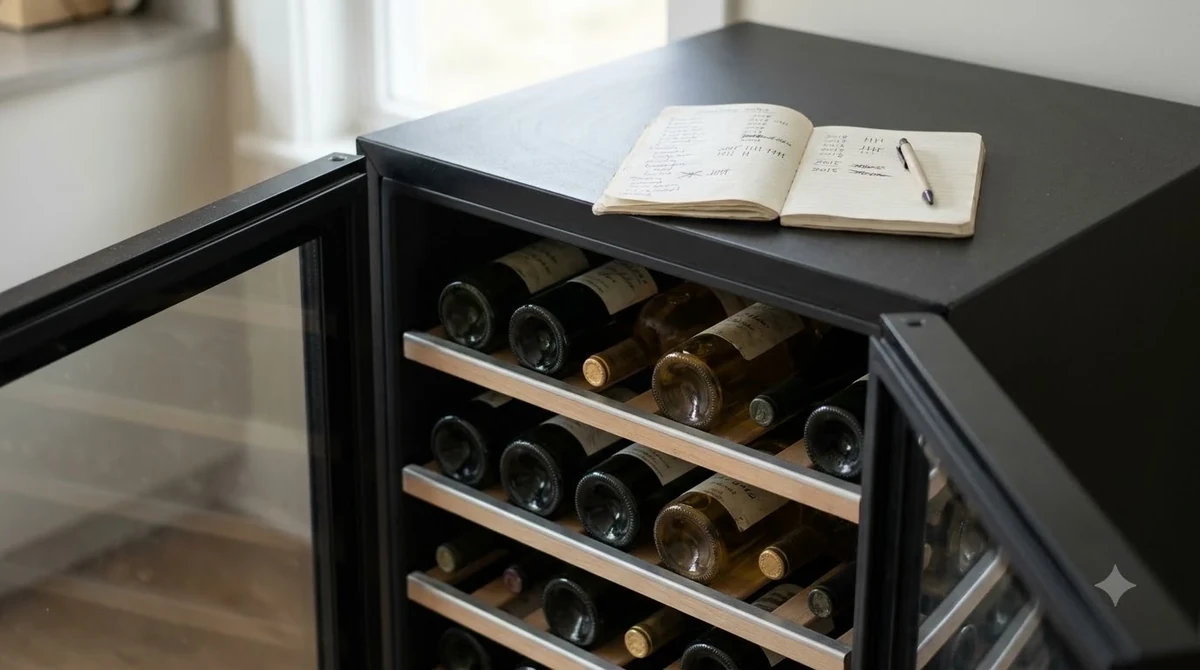
For bottles intended for storage, a temperature near 55 degrees Fahrenheit is a useful target. Keep the environment stable rather than allowing repeated temperature changes. Heat is especially undesirable for premium wines because it can accelerate unwanted development and compromise freshness.
Traditional cork-finished bottles should generally be stored on their sides so the cork remains in contact with the wine. Keep bottles away from direct sunlight, strong vibration, and areas near ovens, radiators, or other heat sources.
Chardonnay intended for relatively early drinking does not necessarily require extended cellaring. Far Niente describes its Chardonnay as enjoyable in its youth while also capable of aging. Buyers should therefore distinguish between storing a bottle for short-term convenience and deliberately building a collection.
Serve Chardonnay at the appropriate temperature
Fuller-bodied whites such as Chardonnay are generally best served around 50 to 55 degrees Fahrenheit. Serving the wine too cold can make its texture and aromas seem muted, while excessive warmth can make the wine feel heavy.
Remove a chilled bottle from the refrigerator shortly before serving and allow its temperature to rise slightly if needed. Use reasonably sized white-wine glasses that provide enough room for the aromas to develop.
Serve Cabernet Sauvignon slightly below room temperature
Full-bodied reds are generally served around 60 to 65 degrees Fahrenheit. A warm living room can be substantially hotter than this, so the traditional idea of serving red wine at room temperature is not always appropriate.
If a Cabernet has been stored in a warm room, a short period of refrigeration can help bring it closer to the recommended range. Young, full-bodied Cabernet Sauvignon may also benefit from approximately 30 to 60 minutes of decanting, which can help soften the immediate impression of its structure and allow aromas to develop.
Serve Dolce as a dessert wine
Sweet whites are generally served around 43 to 50 degrees Fahrenheit. A smaller pour is appropriate for a dessert wine because its sweetness and concentration make it different from a dry table wine.
Consider serving Dolce with fruit-based desserts, pastries, or blue cheese. Avoid pairing it with a dessert that is substantially sweeter than the wine, since the wine may seem less expressive by comparison.
Preserve opened bottles properly
Once opened, Chardonnay and Cabernet Sauvignon should be recorked or sealed and refrigerated. As a general guideline, still wines retain their best character for approximately three to five days after opening, although the actual result depends on the wine, storage conditions, and exposure to oxygen.
Bring a bottle back toward its preferred serving temperature before pouring another glass. This is especially useful for Chardonnay, which may become too cold if served directly from the refrigerator. For a special or expensive bottle, a suitable wine stopper and prompt refrigeration are simple ways to reduce unnecessary oxidation.
Collectors who purchase Cave Collection releases should be especially careful about storage. A limited bottle represents a more substantial purchase than a standard dinner wine, so maintaining consistent temperature and avoiding prolonged exposure to light are worthwhile precautions.
Frequently Asked Questions
Is Far Niente an Italian wine brand?
No. Far Niente is a Napa Valley winery based in Oakville, California. Its name is Italian, but its signature wines are California wines rather than Italian regional wines. The estate’s history dates to 1885.
What does the name Far Niente mean?
Far Niente is an Italian expression associated with the sweetness of doing nothing. The phrase is commonly interpreted as the pleasure of relaxing without obligations. It reflects the winery’s Italian-inspired name rather than indicating the origin of its grapes.
Is Far Niente associated with Nickel & Nickel?
Yes. Far Niente Wine Estates includes Nickel & Nickel among its related winery brands. Nickel & Nickel focuses on single-vineyard Napa Valley wines, which gives it a different emphasis from Far Niente’s signature Chardonnay and Cabernet Sauvignon program.
Does Far Niente produce sparkling wine?
The core Far Niente portfolio highlighted by the winery centers on Chardonnay and Cabernet Sauvignon, while the wider wine family includes several other still-wine labels. Buyers looking specifically for traditional-method sparkling wine should distinguish that category from the estate’s standard Chardonnay offerings.
Can Far Niente wines be purchased directly from the winery?
Yes. The official Far Niente winery website provides wine-shopping access and information about its wine clubs. The winery also describes club benefits that include savings on selected purchases, shipping benefits, and access to winery experiences. Availability and membership terms can differ by offering.
Far Niente offers several distinct buying options, from its established Chardonnay and Napa Valley Cabernet Sauvignon to Dolce and limited Cave Collection releases. The best purchase depends on the occasion, preferred wine style, and the importance of vintage or collecting history. Compare identical vintages and bottle sizes, account for delivery costs, and choose the release that provides the drinking experience you actually want.
More in Wine Brands
 Underwood Wine Price: Compare Bottles, Cans, and Pack SizesUpdated Nov 21, 2026
 Zenato Wine Price: Compare Styles and Choose the Right BottleUpdated Nov 21, 2026
 Zuccardi Wine Price: Compare Bottles and Find the Right RangeUpdated Nov 21, 2026
 Yellow Tail Moscato Review: Taste, Sweetness and Serving TipsUpdated Nov 21, 2026
 Wolf Blass Yellow Label Review: Choose Your Best StyleUpdated Nov 21, 2026
 Wolffer Estate Rose Review: Choose the Right Bottle for Your TableUpdated Nov 21, 2026