


We may earn a commission when you buy through links on this page, at no extra cost to you. Learn more.
Coravin needle replacement is the solution when your needle’s non-stick coating wears away, the metal becomes exposed, or the needle bends or breaks. Choosing the correct replacement depends on your Coravin model and the condition of the corks you use most often. Standard, Fast Pour, Vintage, and Premium needles serve different purposes, while the Timeless Eleven requires its own dedicated replacement components.
A Coravin preservation system depends on a narrow needle to pass through a natural cork, dispense wine, and allow the bottle to be stored without removing its original closure. Over time, repeated insertions, cork resistance, and ordinary wear can affect the needle’s coating and performance. Replacing this component at the appropriate time helps maintain reliable operation and reduces the risk of damaging delicate corks. This review examines the available replacement options, their compatibility, practical advantages, limitations, and the correct installation procedure.
Specs and Key Features of Coravin Replacement Needles
Coravin replacement needles are specialized accessories rather than interchangeable generic pins. The main Timeless range offers four designs, with differences in needle gauge, grip color, insertion characteristics, and pouring speed. Selecting the appropriate design is more important than simply choosing the newest or fastest option.

According to Coravin’s official needle guide, the four standard Timeless options are made from stainless steel with a non-stick coating. This coating is intended to support smooth movement through cork and repeated use. The differences between the needles are primarily related to their thickness and intended application.
| Needle type | Grip color | Gauge | Primary purpose | Compatibility |
|---|---|---|---|---|
| Standard | Black | 16.5 | General everyday pouring | Timeless models except Eleven |
| Fast Pour | Red | 15 | Faster pouring through sound corks | Timeless models except Eleven |
| Vintage | Silver | 18 | Older bottles and fragile corks | Timeless models except Eleven |
| Premium | Gold | 16.5 | Gentler insertion with faster pouring | Timeless models except Eleven |
| Eleven Standard | Blue | Custom | General automatic pouring | Timeless Eleven only |
| Eleven Fast Pour | Red | Custom | Faster automatic pouring | Timeless Eleven only |
The gauge figures provide a useful comparison: a higher gauge number indicates a thinner needle. The Vintage model, at 18 gauge, is thinner than the Standard and Premium versions at 16.5 gauge. The Fast Pour version, at 15 gauge, has the widest design among these four options. This distinction matters because a needle designed for speed is not necessarily the most appropriate choice for a fragile cork.
Compatibility is another essential specification. Coravin identifies Model One, Model Two, Model Two Elite, Model Three, Model Five, Model Six, Limited Edition, Timeless Three, and Timeless Six as compatible with the regular Timeless needle family. The Timeless Eleven uses a separate needle design, and regular Timeless replacement needles should not be purchased for it.
There is also an important distinction between a needle and a complete replacement system. The needle is the component that penetrates the cork, while the grip and connection allow it to attach to the preservation device. A replacement accessory should be selected for the exact system rather than judged by appearance alone.
What Owners Like About the Replacement Needle Range
The strongest advantage of the Coravin replacement range is the choice between ordinary pouring, faster dispensing, and more delicate cork handling. Instead of replacing the entire preservation device when its needle wears out, owners can replace the component responsible for accessing the bottle. This makes the accessory system practical for collectors who regularly pour wine in small quantities.
Different needles for different bottles
The Standard Needle is the most straightforward replacement for everyday use. Its 16.5-gauge construction is designed for the majority of normal pouring situations, making it a sensible starting point for someone who does not regularly access very old bottles or prioritize faster dispensing.
The Fast Pour Needle offers another practical advantage for households or tasting environments where several glasses are served in succession. Coravin identifies its wider 15-gauge construction as the option for faster pouring through corks in good condition. This is useful when a regular needle’s dispensing speed becomes inconvenient, although the thicker design is not automatically preferable for older corks.
For collectors who open bottles from mature vintages, the Vintage Needle offers a different benefit. Its thinner 18-gauge construction is intended to pass through potentially fragile corks more gently. Older closures can be less resilient than those on recently bottled wines, so choosing a thinner needle is a practical consideration when preserving valuable bottles.
The flexibility of the Premium Needle
The Premium Needle occupies an interesting position between the Standard and Fast Pour options. Coravin specifies a 16.5-gauge design with a gold grip, intended for older bottles or corks in poorer condition while retaining faster-pouring characteristics.
This combination can be useful for someone with a mixed collection. A household might have everyday Cabernet Sauvignon, mature Bordeaux, older Burgundy, and bottles with inconsistent closure quality. Rather than maintaining separate routines around two different needle types, the Premium option offers a compromise between insertion characteristics and dispensing speed.
Another positive feature is the availability of individual replacement needles and multi-needle kits. The official Coravin range includes individual Standard, Fast Pour, Vintage, and Premium accessories, as well as a three-needle kit containing Standard, Fast Pour, and Vintage versions. This allows users to maintain a preferred everyday needle while keeping alternatives available for particular bottles.
Coravin also supplies a needle-clearing tool with its replacement needles. This small accessory is useful because cork fragments and sediment can obstruct the needle opening. A blockage does not necessarily mean that the entire needle has reached the end of its useful life.
Common Complaints and Limitations to Consider
The main drawbacks of Coravin replacement needles involve model compatibility, delicate construction, and the difference between cleaning a blockage and replacing a worn component. These are practical limitations to consider before ordering a replacement, particularly if the original needle is still usable.
Model compatibility can be confusing
The biggest purchasing complication is the distinction between ordinary Timeless needles and Timeless Eleven needles. Both families perform a similar basic function, but their physical designs are different. A regular Standard Needle may look like the obvious replacement for a device labeled Timeless, yet it will not fit the Eleven system.
Coravin explains that the Eleven needle has two chambers to accommodate its automatic pouring mechanism. This specialized construction also explains why the Eleven replacement components should be treated as a separate accessory category rather than another color variation in the regular range.
Pivot owners face a different issue. The Pivot system does not use the same cork-piercing needle because its operation involves removing the original closure and fitting a dedicated stopper with a wine tube. Buying a Timeless replacement needle for a Pivot system is therefore unnecessary.
The needle requires careful handling
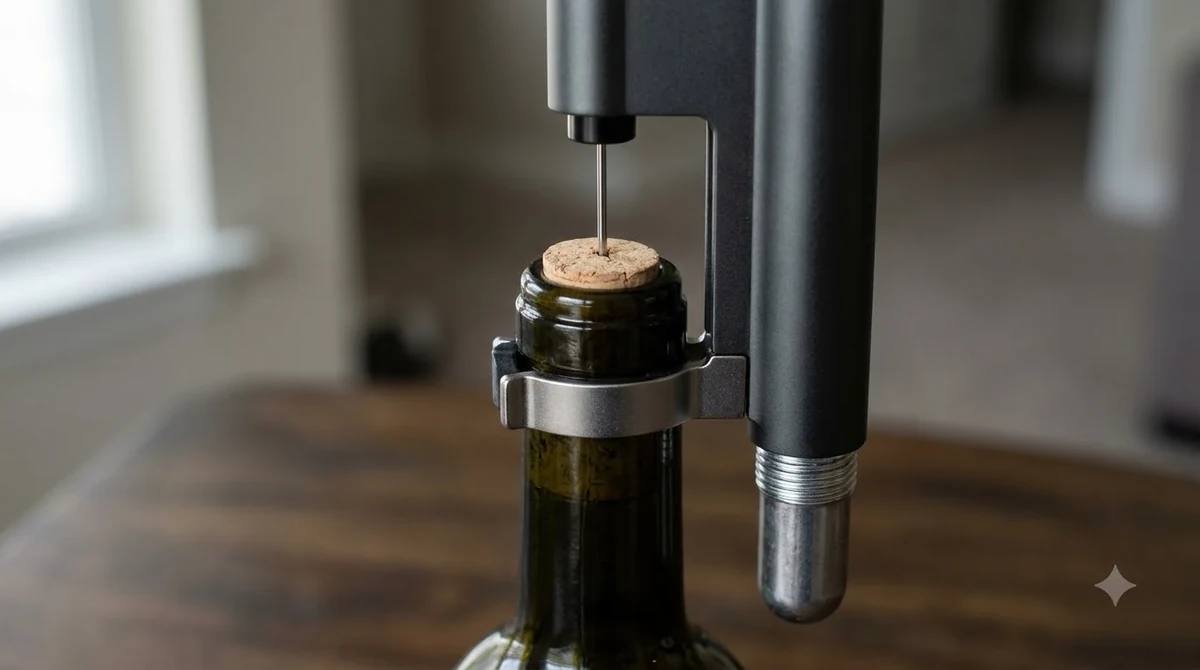
A Coravin needle is a narrow, delicate component. It must penetrate cork repeatedly without bending, and the protective coating helps it move through the closure. Rough handling, unnecessary pressure, or careless removal can shorten its useful life.
This means the replacement accessory is not completely maintenance-free. Owners should wipe wine from the needle after use, avoid forcing it through unusually resistant corks, and store spare components in their protective packaging. A bent needle should not be treated as an ordinary cleaning problem.
Replacement may not solve every pouring problem
A slow pour can result from several different issues. A clogged needle, insufficient gas, a damaged cork, or a problem elsewhere in the preservation system can all affect performance. Replacing the needle immediately without checking these possibilities can lead to unnecessary purchases.
There is also a distinction between coating wear and ordinary surface residue. Wine deposits and cork particles may make a needle appear dirty, but they do not necessarily indicate that its protective coating has deteriorated. Cleaning is appropriate for removable residue; replacement is appropriate when the coating is worn away, the metal becomes exposed, or the needle is physically damaged.
Finally, a new needle cannot repair an already compromised cork. If a cork is crumbling, unusually dry, or unable to reseal properly, installing another needle does not restore the closure’s original condition. The preservation system still depends on the cork remaining capable of sealing after the needle is withdrawn.
Who Should Buy a Replacement and Who Should Skip It
A replacement needle makes sense when the existing component shows visible coating deterioration, has become bent, or is damaged. It is also a reasonable accessory to keep available if a preservation system is used regularly for expensive bottles, tasting sessions, or wines consumed over several occasions.
Who should consider replacing the needle
Wine collectors who frequently access bottles through natural cork closures should pay attention to needle condition. Coravin states that its needles are designed to last well over 500 uses on average, but this is an average expectation rather than a guaranteed replacement interval. Cork hardness, temperature, handling, and insertion technique can all influence actual service life.
Collectors who frequently open older Bordeaux, mature Barolo, traditional Rioja, or aged Burgundy may benefit from keeping a Vintage Needle available. These wines can have older corks whose condition deserves more attention than the speed of dispensing.
Restaurants and wine bars that pour multiple wines by the glass may prefer to keep a Standard replacement available for regular service and a Fast Pour option for suitable corks. A business using several preservation systems should identify each model before ordering spares, especially if Timeless Eleven equipment is part of its inventory.
Owners who already see silver-colored metal appearing at the cork-insertion end of their needle should also consider replacement. Coravin specifically identifies this change as a sign that the non-stick coating has worn away. Continuing to use a visibly deteriorated component defeats the purpose of maintaining the device.
Who should skip an immediate replacement
Someone whose needle is simply blocked by a cork fragment may not need a new one. The supplied clearing tool is intended to remove material from the needle opening, and appropriate cleaning can restore normal flow when obstruction is the only problem.
Likewise, a user who owns a Pivot system should not purchase a Timeless needle. Pivot uses a separate stopper-based approach. Owners of a functioning Timeless system with an intact coating also have little reason to replace a needle simply because a newer version is available.
There is another consideration for occasional wine drinkers. If a preservation device is used only a few times a year, the original needle may remain serviceable for a long time. The useful approach is to inspect the component periodically rather than follow an arbitrary calendar replacement schedule.
Tip: Inspect the lower portion of your Coravin needle, particularly the section that enters the cork. A change from the original dark coated appearance to exposed silver-colored metal is Coravin’s stated replacement warning. Do not confuse removable wine residue with permanent coating wear.
How It Compares to Alternative Coravin Needles
The four regular Timeless needle styles are best viewed as specialized alternatives rather than a simple ranking from basic to advanced. The Standard is the general-purpose choice, Fast Pour prioritizes dispensing speed, Vintage prioritizes gentle insertion, and Premium combines characteristics intended to accommodate less-than-perfect corks.
Standard versus Fast Pour
The Standard Needle is appropriate for most bottles, while Fast Pour is intended for users who want to dispense wine more quickly through sound corks. Coravin identifies their gauges as 16.5 and 15 respectively. The wider Fast Pour design is therefore a functional change rather than merely a cosmetic upgrade.
For everyday drinking, Standard is the safer default if pouring speed is not a concern. A user who regularly serves several glasses and works mainly with healthy corks may prefer Fast Pour. However, choosing the thicker needle for an old or fragile cork simply because it is faster overlooks the purpose of the Vintage design.
Standard versus Vintage
The difference between these two options is particularly relevant to wine collectors. Standard is designed for general use at 16.5 gauge, whereas Vintage uses an 18-gauge needle for older bottles and corks whose condition is uncertain.
For recently purchased wines with sound closures, Standard generally makes more sense. For an older bottle that has been stored for many years, Vintage provides a thinner insertion profile. The trade-off is slower dispensing, which may be less convenient when pouring several glasses for guests.
Vintage versus Premium
Vintage is the more specialized choice for potentially fragile corks. Premium offers a middle ground for users who want gentler insertion characteristics together with faster pouring. Both have a role, but their intended applications are not identical.
For a collector whose priority is minimizing stress on an especially old closure, Vintage is the more directly targeted design. For someone who encounters a mixture of imperfect corks and wants a more versatile pouring experience, Premium may be a better fit.
Regular Timeless needles versus Timeless Eleven
This is not a comparison where one design should replace the other. The Timeless Eleven has a dedicated needle architecture for its automatic dispensing mechanism, including a two-chamber construction. Regular Timeless needles do not provide the same compatibility.
The most important decision is therefore to identify the system first. Once the model is known, choosing the appropriate needle becomes much easier. For additional context about preservation equipment, the wine preservation system comparison can help explain how needle-based systems differ from stopper-based alternatives.
How to Replace, Clean, and Maintain a Coravin Needle
Replacing a Coravin Timeless needle is a straightforward maintenance procedure, but careful handling matters because the component is sharp and delicate. The exact arrangement can differ between older systems and models with SmartClamps, so the instructions for the specific device should take priority.
Step-by-step replacement procedure
- Prepare the system. Remove the Coravin device from the bottle and place it on a stable surface. Make sure the system is not attached to a wine bottle and that the SmartClamps are in the down position when following the applicable Timeless instructions.
- Identify the needle grip. Locate the grip at the top of the existing needle. Hold the component carefully rather than pulling on the thin metal shaft.
- Unscrew the old needle. Release the needle by unscrewing its grip according to the model-specific procedure. On SmartClamps systems, Coravin explains that the needle can drop quickly when released.
- Remove the old component. Tilt the needle slightly and guide it away from the needle guide. Avoid twisting or bending the shaft unnecessarily.
- Prepare the replacement. Carefully remove the protective needle guard from the new component. Keep the guard because it can be placed over the old needle before disposal.
- Insert the new needle. Hold it by the grip and slide the pointed end into the needle guide using a slight tilt. The needle should align correctly with the guide rather than being forced into position.
- Tighten the grip. Screw the grip back into the system until it is fully tightened. Check that the needle is correctly seated before returning the device to service.
- Check operation. Follow the system’s operating instructions to confirm that the replacement is seated correctly and that the device functions normally.
These steps reflect Coravin’s Timeless maintenance guidance for systems including Model Three, Model Five, and Model Six. Earlier systems and Timeless Eleven have their own instructions, so the replacement process should not be assumed to be identical across every generation.
For the complete manufacturer procedure, consult the official Coravin Timeless needle care instructions. The instructions explain needle removal, clearing, replacement, and system cleaning.
Cleaning a clogged needle
If wine flow becomes unusually slow or stops, check whether cork particles or sediment have obstructed the needle opening. Coravin supplies a clearing tool with its replacement needles specifically for this purpose.
Hold the needle securely and use the clearing tool according to the manufacturer’s instructions to dislodge material from the opening. Avoid using an improvised sharp object, as this could damage the opening or the protective surface. A clearing tool is intended to remove obstructions, not repair a bent shaft or restore worn coating.
After use, wiping wine from the exterior helps prevent residue from accumulating. Coravin also recommends cleaning the Timeless system’s spout, SmartClamps, and needle guide with warm, clean water. The trigger must not be pressed while rinsing the spout because the manufacturer warns that this can damage the device.
Storing spare needles correctly
A spare needle should remain protected between uses. Coravin recommends retaining the original packaging for a replacement needle kit or using the clear protective tube supplied with an individual needle. This helps prevent accidental bending and protects the delicate component from unnecessary contact with other accessories.
Keep spare needles in a dry, secure storage location where they cannot fall or become crushed. Avoid placing them loose in a drawer with corkscrews, wine keys, or other metal tools. A small protective tube is a simple way to keep the replacement organized and ready when the original component reaches the end of its useful life.
For owners who also use other preservation accessories, a suitable wine stopper can provide a separate option for bottles that have already been opened. A champagne stopper serves a different purpose and should not be confused with the needle-based technology used by Timeless systems.
Frequently Asked Questions
Can a Coravin needle be sharpened or repaired if it becomes damaged?
Coravin does not provide a recommended sharpening procedure for its replacement needles. The needle has a specialized non-stick coating, and altering the metal could affect its dimensions or surface. A bent or broken component should be replaced rather than reshaped for continued use.
Does a Coravin needle work with synthetic corks?
Coravin’s Timeless needle documentation describes compatibility with natural and agglomerated cork. Synthetic closures have different physical properties and may not reseal in the same way after penetration. The closure material is therefore an important consideration before attempting to use a needle-based preservation system.
Can a Coravin needle be used with a screw-cap wine bottle?
No ordinary Timeless needle can turn a screw-cap closure into a cork-compatible preservation setup. The system is designed around accessing wine through an appropriate cork closure. A screw cap must be removed and requires a preservation approach suitable for that type of bottle.
Does the temperature of a wine bottle affect needle performance?
Yes, cork condition can be influenced by temperature. Coravin specifically notes that colder, harder corks may shorten the expected life of a needle. This is one reason why the manufacturer’s average usage figure should not be interpreted as a guaranteed minimum lifespan for every bottle or storage condition.
How many times can the same cork be accessed with a Coravin?
Coravin’s FAQ indicates that repeated access generally does not damage the cork immediately, but the needle can damage a cork after approximately 15 uses. For a bottle being dispensed in very small portions, the manufacturer suggests considering cork replacement after that point. The condition of an individual cork can vary considerably.
Coravin needle replacement is a practical maintenance purchase when the coating wears away, the needle becomes damaged, or a different pouring style is needed. For most users, the Standard Needle is the sensible everyday option, while Vintage, Fast Pour, and Premium address more specific requirements. Confirm your model before ordering, maintain the needle carefully, and keep a compatible spare available if your preservation system is an important part of your wine routine.
More in Preservation & Coravin
 Coravin Model Eleven Review: Preserve Wine Without Opening BottlesUpdated Nov 20, 2026
 Is Coravin Worth It? A Practical Guide to Its Real ValueUpdated Nov 20, 2026
 Coravin Timeless Six: Pour a Glass Without Opening the BottleUpdated Nov 20, 2026
 Coravin Pivot Plus Review: Keep Open Wine Fresh for WeeksUpdated Nov 20, 2026
 Coravin Screw Caps Review: Specs, Lifespan, and Real-World PreservationUpdated Nov 20, 2026
 Coravin Alternatives That Keep Open Wine Fresh LongerUpdated Nov 20, 2026