

We may earn a commission when you buy through links on this page, at no extra cost to you. Learn more.
The silver oak cabernet price typically ranges from about $60 to $100 for a 750 ml Alexander Valley bottle and $125 to $180 for a Napa Valley bottle. The difference reflects the two appellations, individual vintages, retailer availability, and Silver Oak’s extended aging program. Alexander Valley is generally the more accessible choice, while Napa Valley offers a higher-priced alternative for collectors and special occasions.
Silver Oak has built its reputation around California Cabernet Sauvignon aged in American oak. Its two principal bottlings share a recognizable house style but differ in regional character, production details, and retail positioning. Understanding those differences makes it easier to judge whether a bottle is fairly priced, select a suitable vintage, and avoid paying a premium that does not match your preferences.
Who Should Pay Attention to Silver Oak Cabernet Prices?
Silver Oak Cabernet Sauvignon appeals to buyers who appreciate structured California reds, recognizable American oak character, and wines that receive substantial aging before release. Its two main Cabernet Sauvignon bottlings offer different entry points, making the producer relevant to both occasional wine buyers and experienced collectors.
Alexander Valley is usually the practical starting point. This Sonoma County appellation offers a distinctive expression of Cabernet Sauvignon, with fruit-forward character and a balance of freshness, oak influence, and tannins. Buyers looking for a bottle for a dinner party, an anniversary, or a thoughtful gift can consider this wine without entering the higher Napa Valley price category.
Napa Valley is the natural comparison for shoppers seeking a more premium purchase. Silver Oak’s Napa bottling typically commands a substantial difference in retail price. It is particularly relevant to people who enjoy Napa Cabernet, collect established California producers, or want a bottle with a more prestigious appellation on the label.
Both wines can suit Cabernet Sauvignon drinkers who enjoy dark fruit, vanilla, cedar, and structured finishes. However, neither is necessarily the right choice for someone primarily interested in inexpensive everyday wine. Buyers who prefer lighter reds, softer tannins, or minimal oak influence may find other varieties more appropriate.
For shoppers comparing different expressions of the producer’s signature wine, the Silver Oak Cabernet overview provides useful background on the bottles and their characteristic styles.
Key Factors to Compare Before Paying
The most important pricing factors are appellation, vintage, bottle size, and retailer availability. Comparing those four details helps explain why two bottles carrying the same Silver Oak name can have significantly different shelf prices.
Alexander Valley versus Napa Valley
The appellation is usually the biggest distinction between the two principal Cabernet Sauvignon wines. Alexander Valley is in Sonoma County, while Napa Valley is a separate California wine region. Silver Oak makes both wines using its characteristic American oak approach, but the vineyard sources and regional conditions produce different expressions.
Silver Oak describes Napa Valley as having a more uniformly warm climate, while Alexander Valley has its own distinct growing conditions. The winery also identifies Jump Rock Vineyard in Napa Valley at approximately 1,500 feet in elevation. These regional differences contribute to the character and positioning of the two wines.
Vintage and availability
A vintage identifies the harvest year, not the year the bottle reaches a retail shelf. This distinction matters because Silver Oak ages its wines for an extended period before release. Its current retail selection may include bottles from different harvest years, and older vintages can command different prices depending on availability and storage history.
A particularly sought-after vintage may cost more than another bottle from the same appellation. Older bottles can also attract collector interest, although age alone does not guarantee better quality or greater value. Compare wines from the same appellation and bottle size before deciding that a higher-priced vintage represents a better purchase.
Typical US retail price ranges
The following estimates use tracked US retail offers for the 2021 vintage as a practical reference. Vino Alert’s tracked 750 ml Alexander Valley offers indicate approximately $60 to $90 as a useful shopping range, while its Napa Valley listings support a range of approximately $125 to $180. Prices vary by state and retailer, and these are market estimates rather than fixed winery prices.
| Comparison | Alexander Valley | Napa Valley |
|---|---|---|
| Typical 750 ml retail range | About $60–$100 | About $125–$180 |
| 2021 tracked market reference | About $60–$90 | About $125–$180 |
| Principal grape | Cabernet Sauvignon | Cabernet Sauvignon |
| Oak approach | American oak | American oak |
| Release aging | About four years | About five years |
| General positioning | More accessible | More premium |
The Alexander Valley market reference is based on Vino Alert’s tracked 2021 offers, including its reported retail listings and average market data. Its 2021 Napa Valley comparison uses tracked offers across multiple US retailers. See the Alexander Valley Cabernet price listings and Napa Valley Cabernet price listings for additional market context.
Bottle size and retail availability
The standard 750 ml bottle is the most useful comparison for ordinary shopping. Larger formats, including 1.5-liter magnums and 3-liter bottles, have different pricing structures and may be harder to find. Comparing the total bottle price without accounting for volume can make a larger format appear disproportionately expensive.
Availability also matters. A retailer with limited inventory may list a bottle above the typical market range, while a store with several bottles available may offer more competitive pricing. Shipping costs, local alcohol taxes, and state distribution restrictions can further affect the final amount paid.
Step-by-Step: How to Find a Fair Silver Oak Price
A reliable purchase starts with identifying the exact wine and comparing equivalent bottles. Five straightforward steps can prevent confusion between appellations, vintages, and bottle formats.
- Identify the appellation. Start by deciding between Alexander Valley and Napa Valley. The former generally costs less, while the latter occupies the more premium position. Do not compare the two as though they were identical products.
- Confirm the vintage. Look at the harvest year printed on the front or back label. A 2019 bottle and a 2021 bottle are different vintage releases, even if both carry the same appellation and producer name.
- Compare bottle sizes. Use 750 ml as your standard reference. If a retailer offers a magnum or another large format, calculate the equivalent price per 750 ml before comparing it with standard bottles.
- Check multiple retailers. Compare at least three US wine merchants where possible. Look at the actual retail price, shipping requirements, taxes, and whether the bottle is available for immediate purchase.
- Evaluate the occasion and drinking timeline. Choose a bottle that suits your plans. A younger Alexander Valley Cabernet may work well for a dinner gathering, while a Napa Valley bottle may be more appropriate for a milestone celebration or a collector’s cellar.
This process makes it easier to distinguish a genuinely competitive listing from a price that is simply high because of limited availability. It also prevents buyers from confusing an older vintage with a newer release or assuming that every bottle from the producer carries the same premium.
Tip: Compare the same vintage, appellation, and 750 ml format before judging whether a Silver Oak listing is expensive. A Napa Valley bottle should not be used as the direct price benchmark for Alexander Valley Cabernet.
It is also useful to distinguish regular retail offers from auctions and case-only listings. An auction price may exclude the buyer’s premium, and a case-only offer may require purchasing several bottles. Neither necessarily represents the amount a shopper will pay for one standard bottle at a conventional wine store.
Silver Oak Cabernet Styles and Price Differences
Silver Oak’s two main Cabernet Sauvignon wines share an emphasis on American oak but differ in appellation, blending, and regional expression. Understanding the differences helps buyers decide whether the additional Napa Valley expense matches their preferences.
Alexander Valley Cabernet Sauvignon
Alexander Valley Cabernet Sauvignon is generally the more approachable starting point in the Silver Oak range. The winery’s tasting notes for its 2019 vintage describe red cherry, raspberry, blackberry, iris, vanilla, and clove. The wine also has lively acidity and a fruity finish with warm baking-spice characteristics.
The 2019 blend contained 95.2% Cabernet Sauvignon, 2.5% Cabernet Franc, 1.9% Merlot, and 0.4% Petit Verdot. This composition illustrates how Silver Oak can use small quantities of other Bordeaux varieties while keeping Cabernet Sauvignon firmly at the center of the wine.
For shoppers who want the producer’s signature American oak character without paying Napa Valley prices, Alexander Valley is generally the logical selection. Its combination of dark fruit, spice, and structure makes it suitable for grilled beef, roast lamb, and hearty mushroom dishes.
Silver Oak states that its Alexander Valley Cabernet is aged for approximately four years before release. This extended maturation is an important part of its pricing and positioning. Buyers are paying for a wine that has already spent considerable time developing before it reaches the retail shelf.
Napa Valley Cabernet Sauvignon
The Napa Valley bottling occupies a higher price category and is an appealing option for buyers who specifically want Silver Oak’s interpretation of Napa Cabernet. Its 2019 tasting description emphasizes black cherry, floral notes, silky tannins, and a fruit-forward entry.
The 2019 Napa Valley blend contained 76.61% Cabernet Sauvignon, 18.13% Merlot, 2.56% Cabernet Franc, 2.32% Petit Verdot, and 0.38% Malbec. The larger proportion of Merlot compared with the cited Alexander Valley blend demonstrates that the two wines do not follow an identical blending formula.
Silver Oak’s Napa Valley Cabernet receives approximately five years of aging before release. This additional maturation, along with the region’s reputation and vineyard sourcing, helps explain its higher retail positioning.
For a buyer choosing a bottle for an important anniversary, an upscale dinner, or a gift for a Napa Cabernet enthusiast, the higher-priced wine may make sense. However, someone who simply wants to enjoy Silver Oak’s house style may find Alexander Valley more than sufficient.
How American oak influences the price
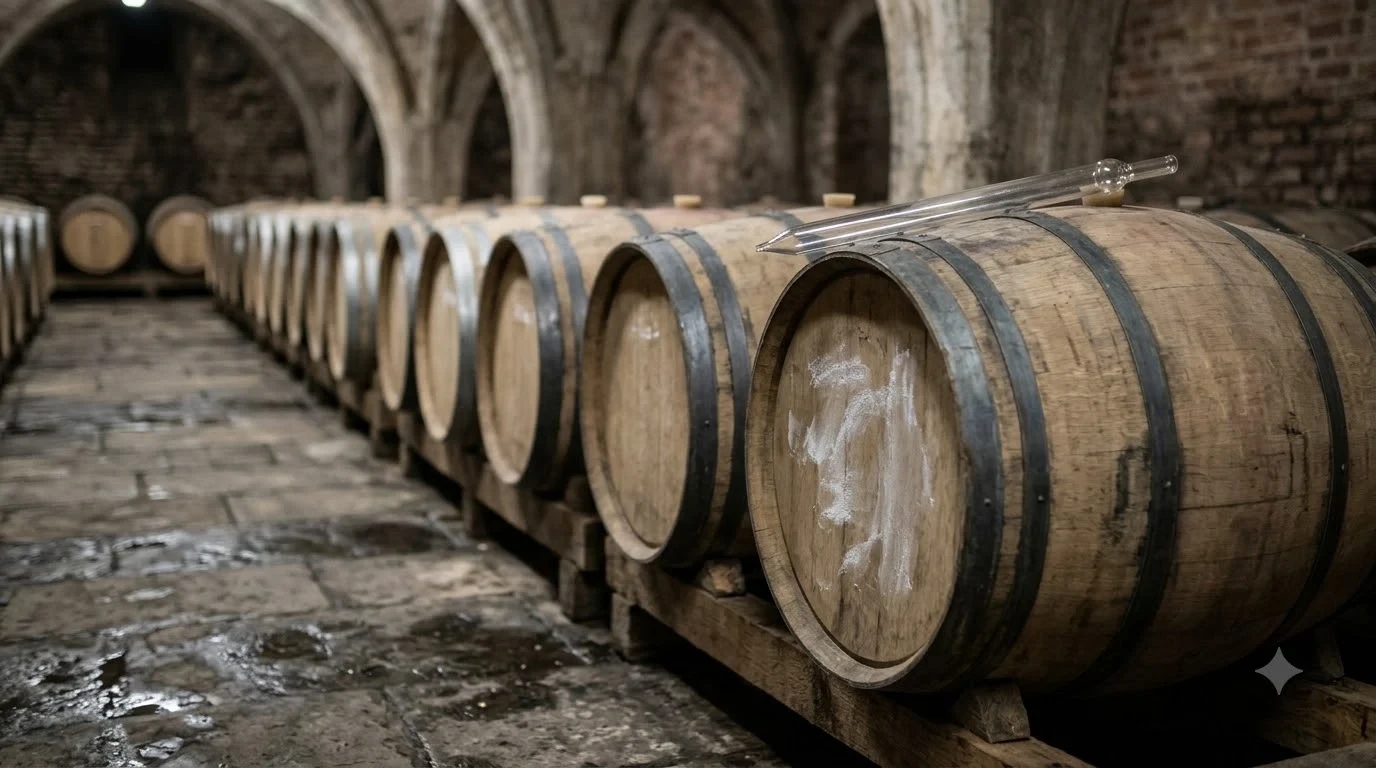
American oak is a defining element of Silver Oak’s identity. It contributes familiar aromatic associations such as vanilla, baking spice, cedar, and toasted wood. These characteristics can become integrated with the fruit as the wine matures in barrel and bottle.
The winery also explains that it blends young wine lots before barrel aging. This approach allows the winemaking team to evaluate the components before oak influence develops. The blended wine then spends extended time in barrels, allowing the oak and fruit characteristics to develop together.
Silver Oak’s winemaking program therefore involves more than simply purchasing Cabernet Sauvignon and placing it in barrels. The combination of early blending, American oak aging, and extended bottle maturation forms an important part of its production identity.
For more detail on the aromatic and structural differences between releases, the Silver Oak Cabernet tasting notes provide a useful reference when comparing individual vintages.
Common Mistakes When Comparing Silver Oak Prices
Several buying mistakes can make a normal retail listing appear unusually expensive or make an older bottle seem like a better value than it really is. Paying attention to appellation, vintage, storage, and bottle size helps avoid these problems.
Comparing different appellations directly
The most common mistake is treating Alexander Valley and Napa Valley as interchangeable. Both are Cabernet Sauvignon wines from the same producer, but they have distinct vineyard sources, blending compositions, and price positions.
A buyer who sees a Napa Valley bottle at a substantially higher price should not automatically assume that the Alexander Valley listing is overpriced. The two wines serve different purchasing preferences. The better comparison is between similar vintages from the same appellation.
Assuming older automatically means better
Wine age can increase collector interest, but it does not guarantee improved drinking quality. Storage conditions, cork integrity, vintage characteristics, and the wine’s development all influence the condition of an older bottle.
Silver Oak’s extended aging program means that its wines already spend substantial time developing before release. An additional decade in a private cellar may produce interesting tertiary characteristics, but the result depends on how the wine has been stored.
Ignoring bottle condition
Older bottles should be evaluated carefully for fill level, leakage, damaged capsules, and signs of poor storage. A bottle that has spent years in a warm shop or an unsuitable warehouse may not deliver the expected experience.
This is especially important when purchasing through auction platforms or specialist merchants. Ask about provenance and storage history when buying older vintages, particularly if the bottle is intended as a collectible gift.
Overlooking additional purchase costs
A retailer’s displayed price is not always the final amount paid. Shipping charges, local taxes, delivery restrictions, and minimum order requirements can affect the overall cost.
For example, a retailer offering a standard bottle with a lower shelf price may become less competitive once shipping is added. Buyers should compare the complete checkout cost rather than relying solely on the initial listing.
Buying based only on prestige
Napa Valley carries substantial recognition among Cabernet Sauvignon enthusiasts, but regional reputation should not replace personal preference. A buyer who prefers the fruit-forward character of Alexander Valley may enjoy that wine more than a more expensive Napa selection.
Price should be considered alongside flavor preferences, food pairings, intended drinking date, and the occasion. Spending more makes sense when the additional regional character and presentation are genuinely important to the buyer.
Care and Storage Tips for Protecting Your Purchase
Proper storage helps preserve the value and drinking quality of Silver Oak Cabernet Sauvignon. Stable temperatures, suitable humidity, limited light exposure, and careful handling are particularly important for bottles intended to mature over several years.
Store bottles at a stable temperature
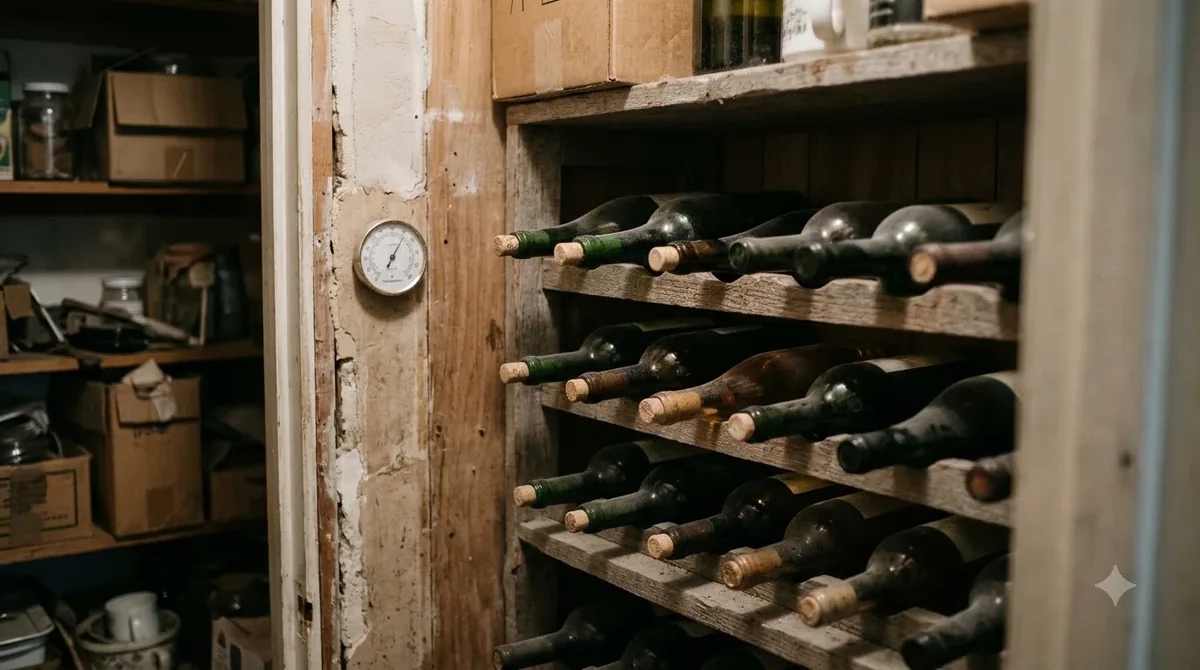
A temperature near 55 degrees Fahrenheit is a useful target for long-term wine storage. Avoid placing Cabernet Sauvignon near radiators, ovens, sunny windows, or other sources of temperature fluctuations.
Repeated heating and cooling can accelerate wine development and potentially damage the cork seal. A dedicated wine refrigerator or temperature-controlled cellar is preferable to a kitchen cabinet for bottles intended for extended storage.
Keep cork-finished bottles on their sides
Traditional cork-finished bottles are generally stored horizontally so the wine remains in contact with the cork. This helps maintain suitable cork moisture during extended storage.
Keep bottles away from strong light and unnecessary vibration. A dark, stable storage location is particularly helpful for older vintages that may have already spent several years aging before purchase.
Serve at the right temperature
Full-bodied Cabernet Sauvignon is generally best served at approximately 60 to 65 degrees Fahrenheit. Serving it too warm can make alcohol seem more prominent, while excessive chilling can mute its aromas and make the tannins seem more pronounced.
If the bottle has been stored in a warm room, allow it to cool gradually before serving. A short period in a wine refrigerator can help bring it into the appropriate range.
Decant when appropriate
Young, full-bodied Cabernet Sauvignon can benefit from approximately 30 to 60 minutes of decanting. Exposure to air can help the wine open aromatically and make its structure feel more integrated.
Older bottles require a more careful approach. Sediment may have accumulated during storage, so gentle handling and slow pouring are useful. Decant only when necessary, since prolonged exposure to air can cause a mature wine to lose its more delicate aromas.
Preserve opened bottles
Once opened, still red wine generally keeps for approximately three to five days when properly sealed and refrigerated. Minimize the amount of air in the bottle, replace the closure securely, and return the wine to the refrigerator after serving.
Allow refrigerated Cabernet Sauvignon to warm slightly before pouring another glass. This helps restore its aromatic expression and brings the wine closer to its recommended serving temperature.
Silver Oak’s extended maturation program makes it an appealing candidate for longer-term cellaring, but storage quality remains essential. The winery indicates that its Cabernets can age for 25 years or longer under appropriate conditions. That potential should be treated as a possibility rather than a guarantee for every vintage or individual bottle.
Frequently Asked Questions
Does Silver Oak make Cabernet Sauvignon exclusively?
Silver Oak’s founding philosophy centered on producing Cabernet Sauvignon aged in American oak. The winery’s history describes an inaugural production of approximately 1,000 cases in 1972. Its current portfolio also includes other wine offerings, so the original Cabernet-focused philosophy should not be confused with a claim that every wine it sells is Cabernet Sauvignon.
Who founded Silver Oak Cellars?
Ray Twomey Duncan and Justin Meyer founded Silver Oak in 1972 following an agreement between the two friends. Meyer was a winemaker trained by the Christian Brothers, while Duncan had begun investing in California vineyards in the late 1960s. The winery’s original production took place in a Napa Valley dairy barn.
Who owns Silver Oak today?
Silver Oak’s official company history identifies David and Tim Duncan, sons of co-founder Ray Twomey Duncan, as the winery’s owners and operators. The Duncan family’s continued involvement connects the winery’s present operations with its original founding vision. This family ownership is distinct from the winemaking leadership, which has passed through several generations of winemakers.
Can Silver Oak Cabernet be enjoyed without decanting?
Yes. Silver Oak develops its wines for release after extended maturation, so decanting is not an absolute requirement. The winery’s approach is intended to make its Cabernet Sauvignon approachable upon release, although individual bottles can respond differently to aeration depending on vintage and storage history.
Does Silver Oak offer winery visits and tastings?
Yes. Silver Oak operates winery visitor experiences in Oakville in Napa Valley and Healdsburg in Alexander Valley. These locations provide an opportunity to explore the producer’s regional Cabernet Sauvignon expressions and learn more about its winemaking approach. Visitors should review the winery’s current reservation arrangements before planning a trip.
Silver Oak Cabernet Sauvignon offers two distinct ways to experience the producer’s signature American oak style. Alexander Valley is generally the more accessible purchase, while Napa Valley is positioned for buyers seeking a higher-end California Cabernet. Compare the same vintage, appellation, and bottle size before purchasing, and choose the wine that best fits your budget, preferences, and occasion. For a broader look at the producer’s portfolio, explore our Silver Oak wine coverage and the wider Wine Brands collection.
More in Wine Brands
 Underwood Wine Price: Compare Bottles, Cans, and Pack SizesUpdated Nov 21, 2026
 Zenato Wine Price: Compare Styles and Choose the Right BottleUpdated Nov 21, 2026
 Zuccardi Wine Price: Compare Bottles and Find the Right RangeUpdated Nov 21, 2026
 Yellow Tail Moscato Review: Taste, Sweetness and Serving TipsUpdated Nov 21, 2026
 Wolf Blass Yellow Label Review: Choose Your Best StyleUpdated Nov 21, 2026
 Wolffer Estate Rose Review: Choose the Right Bottle for Your TableUpdated Nov 21, 2026