

We may earn a commission when you buy through links on this page, at no extra cost to you. Learn more.
A typical screaming eagle wine price on the US secondary market ranges from about $2,600 to $4,800 per 750 ml bottle for recent vintages of the flagship Cabernet Sauvignon, according to Wine-Searcher market averages. The estate’s Merlot-led companion wine, The Flight, generally trades between $500 and $1,300 per 750 ml bottle, while the ultra-scarce Sauvignon Blanc typically runs from $1,850 to $3,900 or more. Prices vary widely by state, retailer, vintage score, and bottle provenance because almost no inventory reaches traditional retail shelves directly from the winery.
Buying an iconic Oakville cult bottle requires understanding the huge gap between private mailing-list allocations and open-market resale pricing. Comparing all three bottlings, checking authentication seals, and knowing how auction premiums affect final checkout totals helps collectors evaluate whether a listing reflects fair market value.
Who Screaming Eagle Wine Price Guides Help Most
This buying guide serves fine-wine collectors, milestone gift buyers, and secondary-market shoppers researching realistic US bottle budgets before placing a bid or contacting a fine-wine merchant. It also helps curious drinkers understand why a single Napa Valley estate commands four-figure sums while everyday Wine Brands cost a fraction as much.
Collectors building a cellar vertical need clear benchmarks across vintages so they do not overpay for a standard release or mistake a three-bottle original wood case price for a single-bottle quote. Because the winery at 7557 Silverado Trail in Oakville is closed to public tours and walk-in tastings, according to The Napa Wine Project, buyers cannot drop by a tasting room to check current release sheets or purchase bottles off a counter.
Milestone buyers shopping for a birth-year or anniversary bottle face an equally opaque market. Debut 1992 bottles released in 1995 at $75 each, as documented by The Napa Wine Project, yet Wine-Searcher data places the US average ex-tax value of that inaugural 1992 vintage near $35,148 per 750 ml bottle. Knowing where newer vintages sit relative to historic trophy years prevents sticker shock when comparing merchant catalogs.
Restaurant diners and private-event hosts also benefit from knowing secondary-market ranges before ordering off a trophy list. Sommeliers typically mark up rare Napa allocations two to three times above wholesale or auction replacement cost, meaning a bottle trading around $3,000 at retail can easily appear on a dining room list for $6,000 to $9,000.
Key Factors That Shape Screaming Eagle Wine Price
Four primary variables drive every screaming eagle wine price quote in the United States: bottling tier, vintage reputation, packaging format, and sales channel. Reviewing how these factors interact explains why two bottles carrying the same Oakville estate name can differ by thousands of dollars.
| Bottling | Primary Grape Style | Typical US Secondary Price Range (750 ml) | Typical ABV Range | Key Market Driver |
|---|---|---|---|---|
| Screaming Eagle Cabernet Sauvignon (Recent Vintages) | Cabernet Sauvignon dominant | $2,600 to $4,800 (Wine-Searcher) | 13.8% to 15.0% | 500 to 850 cases made; flagship demand |
| Screaming Eagle Cabernet Sauvignon (1992 Inaugural) | Cabernet Sauvignon dominant | $30,000 to $36,000+ (Wine-Searcher) | 13.8% to 15.0% | Historic debut vintage; extreme rarity |
| Screaming Eagle The Flight (formerly Second Flight) | Merlot-led Bordeaux blend | $500 to $1,300 (Wine-Searcher) | 14.7% to 15.0% | Higher Merlot share; wider collector access |
| Screaming Eagle Sauvignon Blanc (Recent Vintages) | Oakville Sauvignon Blanc | $1,850 to $3,900 (Wine-Searcher) | 13.5% to 14.5% | Tiny 1 to 2 barrel annual output |
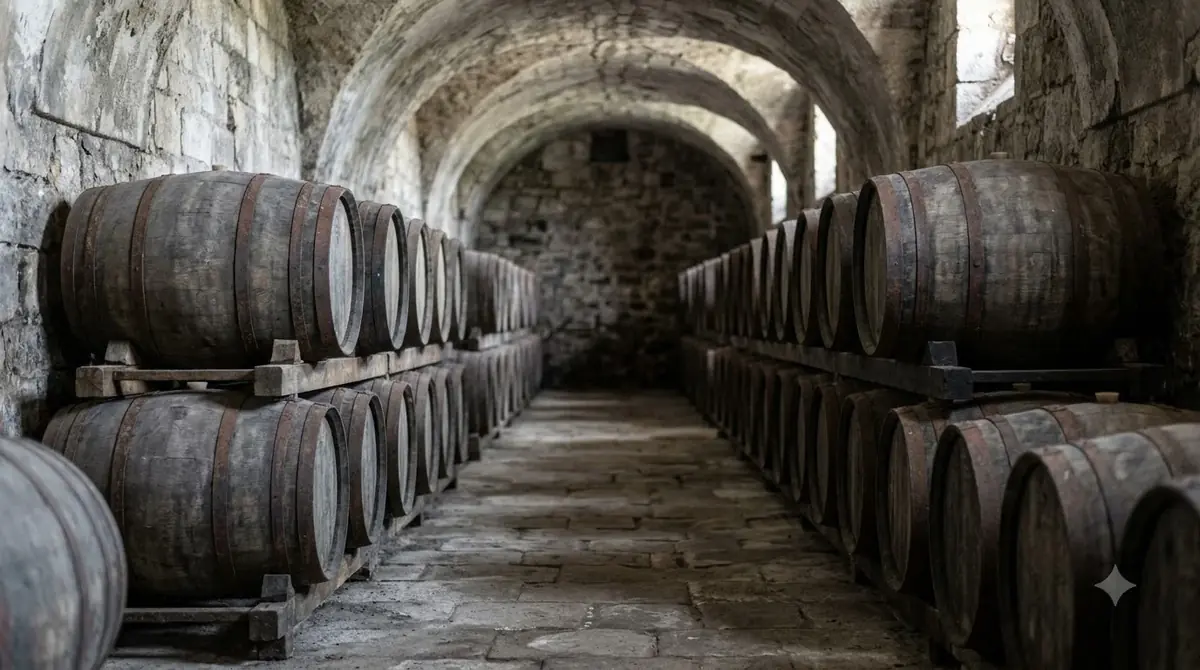
Microscopic production is the foundation of the estate’s pricing power. According to The Napa Wine Project, the roughly 70-acre Oakville vineyard is divided into more than 50 blocks, yet annual output of the flagship Cabernet Sauvignon usually stays between 500 and 850 cases. Decanter notes that winemakers enforce strict barrel selection, bottling no more than 30% of the vinified wine under the primary label.
Sales channel creates the sharpest price divide. Long-standing mailing-list members buy directly from the winery at private allocation prices, whereas everyone else buys through fine-wine brokers or auction houses such as Wine-Searcher listed merchants and WineBid. Across all vintages tracked on Wine-Searcher, the US average ex-tax price for Screaming Eagle Cabernet Sauvignon sits near $3,703 per 750 ml bottle, with prices varying by state, merchant overhead, and local taxes.
Packaging and auction fees add another layer to total spend. On WineBid, single 750 ml bottles of 2012 through 2014 Cabernet Sauvignon list at hammer bids from $2,200 to $2,750 before a 17% buyer’s premium, while sealed three-bottle original wood cases from 2012 through 2023 list between $5,950 and $8,750 before fees. Original wood cases with intact straps often command a per-bottle premium over loose singles because collectors prize unbroken provenance.
Tip: Always check whether an online listing or auction lot quotes a single 750 ml bottle or an intact three-bottle original wood case, and add the auction house’s 17% to 25% buyer’s premium plus state sales tax before comparing offers.
Step-by-Step Process for Buying Screaming Eagle Safely
Because the winery’s direct mailing list filled by 2000 and carries a multi-decade waiting list, according to The Napa Wine Project, virtually all new buyers acquire bottles on the secondary market. Following a disciplined sequence protects buyers from counterfeit bottles, heat-damaged corks, and hidden auction surcharges.
- Join the official waiting list anyway: Visit the winery website to submit contact details for the allocation waiting list. Even though acceptance takes years or decades, joining costs nothing and establishes a direct record with the Oakville estate.
- Choose your target bottling and vintage window: Decide whether you want the flagship Cabernet Sauvignon, the Merlot-driven The Flight, or the rare Sauvignon Blanc. Comparing Wine-Searcher vintage averages shows that recent releases like 2020 through 2023 Cabernet Sauvignon often trade between $2,644 and $3,052 ex-tax per bottle, whereas trophy years like 2012 or 2018 average above $4,000.
- Select a vetted merchant or established auction platform: Source bottles only from licensed fine-wine specialists that provide provenance guarantees, temperature-controlled storage, and clear high-resolution photos of the capsule, fill level, and front and back labels.
- Verify the anti-counterfeit security seal: For any vintage from 2010 onward, confirm that the bottle retains its intact bubble-coded security seal bridging the foil capsule and glass neck, which The Napa Wine Project notes can be verified directly on the Screaming Eagle website.
- Calculate all-in landed cost before committing: Factor in auction buyer’s premiums, state sales tax, and climate-controlled overnight or refrigerated shipping so an apparent bargain does not exceed standard retail quotes.
Inspecting physical condition details matters just as much as checking the vintage chart. WineBid listings explicitly flag issues such as lightly raised corks, depressed corks, or scuffed labels because ullage (air space below the cork) and label wear directly reduce resale liquidity and signal possible storage stress.
Screaming Eagle Bottlings and Styles Explained
Screaming Eagle produces three distinct wines from its eastern Oakville benchland property, each carrying its own grape composition, production scale, and market price tier. Understanding how these screaming eagle wine bottlings differ helps buyers match a bottle to their palate and cellar plan.
Screaming Eagle Cabernet Sauvignon (Flagship)
The flagship bottling is a full-bodied, structured Napa Valley red anchored by Cabernet Sauvignon, often blended with smaller portions of Merlot and Cabernet Franc. Grown on rocky, iron-rich volcanic soils and gravelly loam moderated by afternoon breezes from San Pablo Bay, the wine typically measures between 13.8% and 15% ABV and ages 18 to 20 months in French oak barrels before unfiltered bottling, according to Decanter and Wine-Searcher. Under winemaker Nick Gislason, who took the helm in 2011, the style emphasizes cassis, dark plum, floral aromatics, vibrant acidity, and fine, gravelly tannins built for two to four decades of cellar evolution.
Screaming Eagle The Flight (Formerly Second Flight)
Common Mistakes When Evaluating Screaming Eagle Offers
Buyers entering the secondary market for Oakville cult wines often lose money by overlooking hidden auction fees, confusing bottle formats, or buying from unverified private sellers. Avoiding four frequent errors protects both bottle authenticity and total purchase budget.
The first mistake is comparing hammer prices directly against retail shelf quotes without adding buyer’s premiums and shipping. On platforms like WineBid, a hammer bid of $2,200 to $2,750 for a 750 ml bottle of Screaming Eagle Cabernet Sauvignon carries a 17% buyer’s premium before state sales tax and climate-controlled freight are added. Shoppers who forget that surcharge can easily spend several hundred dollars above the US retail averages tracked on Wine-Searcher, which vary by state and merchant.
A second error is confusing the flagship Cabernet Sauvignon with The Flight, formerly bottled as Second Flight. While both wines come from the same estate at 7557 Silverado Trail, Wine-Searcher lists US secondary-market ranges of roughly $500 to $1,300 per 750 ml bottle for The Flight compared with $2,600 to $4,800 for recent vintages of the flagship Cabernet Sauvignon. Read the front label carefully to confirm whether the bottle is the Cabernet-led flagship or the Merlot-dominant companion wine.
Many shoppers also assume ultra-allocated Napa wines behave like supermarket staples such as barefoot wine or widely distributed sparkling bottles like la marca prosecco, where thousands of cases sit in regional warehouses at uniform prices. Because The Napa Wine Project documents annual flagship output at just 500 to 850 cases, every single bottle on the open market has changed hands at least once, making documented storage history essential.
Finally, buyers sometimes overlook subtle packaging clues that separate genuine bottles from counterfeits. Skipping the online bubble-code check on vintages from 2010 onward, or buying bottles with torn capsules, stained labels, or signs of seepage, exposes collectors to heat-spoiled wine that is difficult to resell.
Cellar Storage, Serving, and Pairing Tips for Screaming Eagle
Protecting a four-figure Oakville bottle requires steady, cool storage conditions and thoughtful decanting before service. Proper temperature and humidity keep natural corks elastic over decades of bottle aging while preserving the wine’s aromatic balance at the table.
Long-Term Cellar Storage
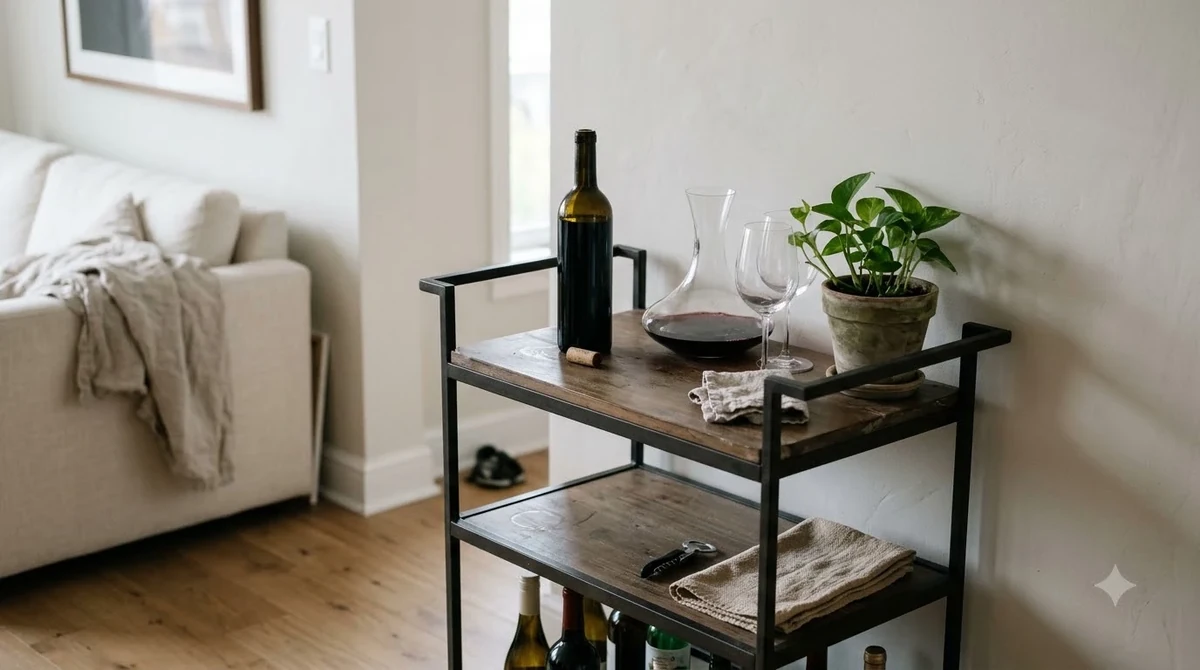
Store Screaming Eagle bottles horizontally on their side at a steady temperature near 55°F with relative humidity between 50% and 70%. Keeping the wine in contact with the natural cork prevents drying and air ingress, while stable temperatures prevent the liquid from expanding and pushing past the seal. Avoid storing rare bottles in a standard kitchen refrigerator, which runs too cold and dry and subjects bottles to frequent door vibrations.
Decanting and Serving Temperatures
Serve Screaming Eagle Cabernet Sauvignon and The Flight slightly below room temperature at 60°F to 65°F so the 13.8% to 15.0% alcohol stays integrated with the dark fruit and floral aromatics. For younger vintages under ten years old, decant the wine for 30 to 60 minutes before pouring to soften firm Cabernet tannins and let layered aromatics open in the glass. Serve Screaming Eagle Sauvignon Blanc chilled at 45°F to 50°F to highlight its crisp Oakville acidity.
Food Pairing Guidelines
Match the high tannin and concentrated structure of Screaming Eagle Cabernet Sauvignon with richly marbled, well-salted dishes such as prime ribeye steak, braised short ribs, or aged hard cheeses. Salt and fat naturally soften grape tannins on the palate, creating a smoother finish. Avoid pairing full-bodied, high-tannin Napa reds with oily fish or dishes heavy in hot chili peppers, since chili heat amplifies alcohol warmth and tannic astringency.
Frequently Asked Questions
Who owns Screaming Eagle Winery today?
Real estate and sports investor Stan Kroenke is the sole owner of Screaming Eagle. According to The Napa Wine Project, Kroenke originally partnered with Charles Banks to purchase the Oakville estate from founder Jean Phillips in 2006 before acquiring full ownership in 2009.
Who were the winemakers before Nick Gislason?
Founding winemaker Heidi Peterson Barrett crafted the earliest Screaming Eagle vintages starting with the 1992 debut, followed by Andy Erickson before Nick Gislason took over in 2011. Decanter notes that early benchmark releases like the 1997 vintage were aged in around 75% new French oak and bottled unfined and unfiltered at 14.5% ABV.
How much do three-bottle wood cases of The Flight cost at auction?
On WineBid, intact three-bottle original wood cases of The Flight from the 2015, 2016, and 2019 vintages list between $2,200 and $2,500 at hammer bid before adding the 17% buyer’s premium. Final landed totals vary by state tax rates and temperature-controlled shipping fees.
How many glasses are in a bottle of Screaming Eagle and how long does it last once opened?
A standard 750 ml bottle of Screaming Eagle provides about five 5-ounce pours, making it ideal for sharing among four to five guests at a special dinner. If any wine remains, recork the bottle promptly and store it upright in a refrigerator, where still red and white wines stay fresh for 3 to 5 days.
Why does Screaming Eagle Sauvignon Blanc cost nearly as much as the Cabernet Sauvignon?
Extreme scarcity drives the high secondary valuation of Screaming Eagle Sauvignon Blanc, as annual production is limited to roughly one to two barrels. WineBid listings for single 750 ml bottles commonly fall between $1,855 and $2,890 before buyer’s premiums, while Wine-Searcher records US retail averages near $3,168 per bottle across vintages.
Researching vintage averages, factoring in auction buyer’s premiums, and verifying the post-2010 bubble seal give buyers the clarity needed to purchase Screaming Eagle with confidence. Whether choosing an approachable bottle of The Flight or cellaring a flagship Oakville Cabernet Sauvignon at 55°F, matching the bottling to the occasion ensures the best experience in the glass.
More in Wine Brands
 Underwood Wine Price: Compare Bottles, Cans, and Pack SizesUpdated Nov 21, 2026
 Zenato Wine Price: Compare Styles and Choose the Right BottleUpdated Nov 21, 2026
 Zuccardi Wine Price: Compare Bottles and Find the Right RangeUpdated Nov 21, 2026
 Yellow Tail Moscato Review: Taste, Sweetness and Serving TipsUpdated Nov 21, 2026
 Wolf Blass Yellow Label Review: Choose Your Best StyleUpdated Nov 21, 2026
 Wolffer Estate Rose Review: Choose the Right Bottle for Your TableUpdated Nov 21, 2026