

We may earn a commission when you buy through links on this page, at no extra cost to you. Learn more.
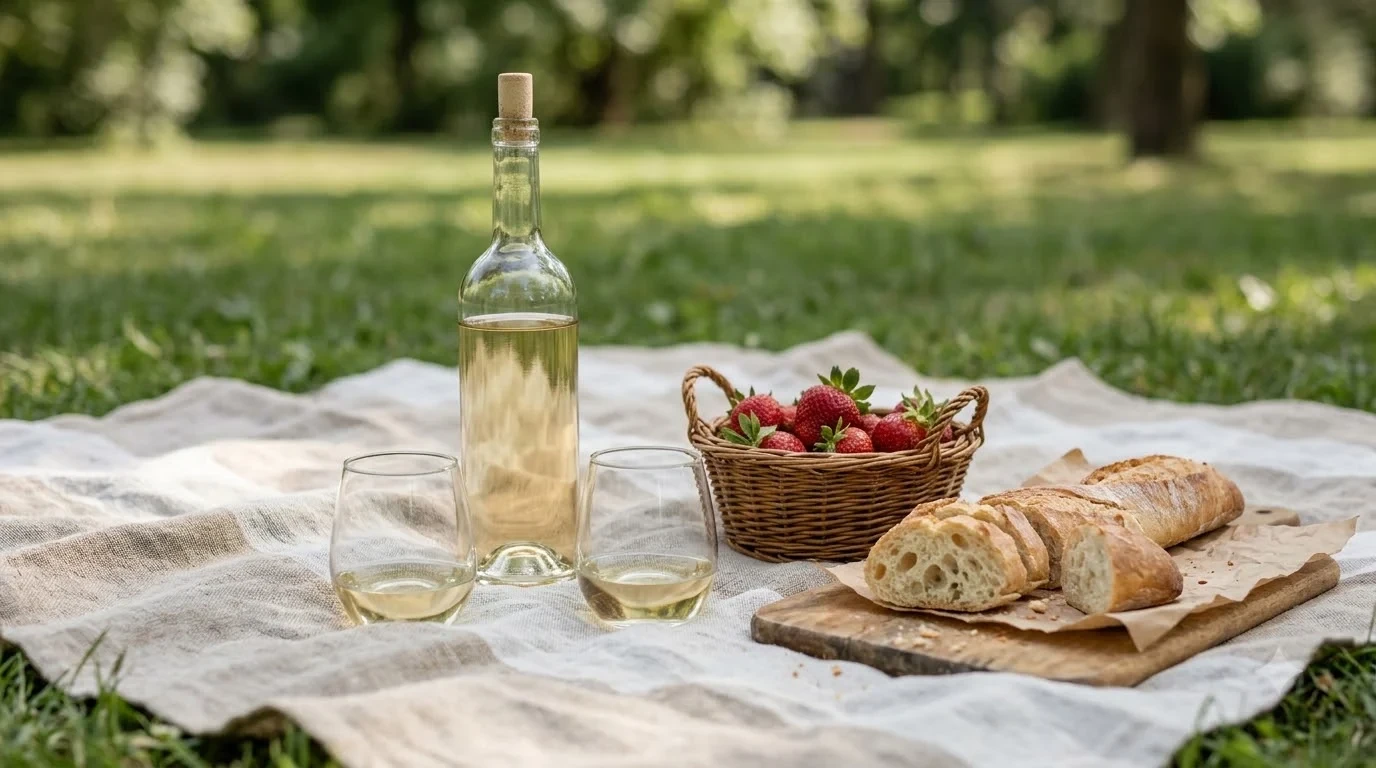
Cheap dry white wine is easiest to find by choosing dependable grape varieties such as Pinot Grigio, Sauvignon Blanc, Muscadet, and Verdejo. These wines commonly deliver crisp acidity, refreshing fruit flavors, and little residual sugar without requiring a premium bottle. The smartest purchase depends on whether you prefer citrus-driven freshness, softer apple and pear flavors, or a fuller white wine for dinner. Understanding grape varieties, sweetness clues, and production styles makes it easier to find an inexpensive bottle that actually tastes dry.
Finding a good everyday white wine does not require an expensive bottle or extensive knowledge of wine regions. Several established wine styles are naturally suited to straightforward, refreshing drinking, and many producers make accessible versions intended for everyday meals. The key is to distinguish genuine dryness from fruity aromas, recognize which grapes offer the flavor profile you enjoy, and avoid paying extra for characteristics you do not need. This guide explains what to look for, how to compare inexpensive bottles, and how to serve them so that their flavors remain fresh and balanced.
Who This Is For
Cheap dry white wine is a practical choice for shoppers who want refreshing, food-friendly wine without spending on prestigious appellations, lengthy aging, or elaborate packaging. It suits everyday dinners, casual gatherings, simple seafood meals, and recipes that need a splash of white wine.
The most suitable starting point is usually a straightforward Pinot Grigio or Sauvignon Blanc. Pinot Grigio is a useful option for people who enjoy restrained citrus, green apple, and pear flavors. Sauvignon Blanc generally offers more pronounced acidity, with citrus, green herbs, and sometimes grassy aromas. Both styles are widely recognized as dry white wines, although individual producers can make variations.
Shoppers who prefer less familiar varieties should also consider Muscadet, Verdejo, Albariño, and Grüner Veltliner. These wines provide alternatives to the most familiar supermarket selections. Muscadet often appeals to people who enjoy lean, restrained whites, while Verdejo can offer citrus and herbal character. Albariño is particularly appealing to drinkers who like refreshing acidity alongside peach and saline notes.
Cheap dry white wine is also useful for home cooks. A bottle can serve two purposes: a glass alongside dinner and an ingredient in sauces, seafood dishes, or risotto. An uncomplicated, unoaked white is generally more versatile in the kitchen than an expensive bottle with pronounced oak or complex aging characteristics.
However, inexpensive does not mean every bottle will suit every occasion. Someone looking for a rich, buttery Chardonnay may find a light Pinot Grigio disappointing. Similarly, someone who dislikes noticeable sweetness should not assume that every bottle labeled Riesling or Chenin Blanc will taste completely dry.
For a broader introduction to grape characteristics and serving styles, the dry white wine overview provides useful background before comparing individual bottles.
Key Factors to Compare
The best buying decision comes from comparing sweetness, acidity, body, grape variety, and production style rather than choosing a bottle solely because its label looks appealing. These characteristics have a greater effect on the drinking experience than elaborate packaging or unfamiliar marketing language.

Start with sweetness. Dry wine contains little or no residual sugar after fermentation. Wine.com explains that the European dry classification permits up to 9 grams of sugar per liter, although many dry wines contain considerably less. Some wine professionals use a stricter definition and distinguish very low residual sugar from wines approaching the upper end of that classification.
Acidity is the next consideration. Sauvignon Blanc and Riesling generally have high acidity, making them useful choices for drinkers who enjoy a sharp, refreshing finish. Chardonnay typically has medium acidity and can feel rounder, especially when produced with more oak influence or a fuller-bodied winemaking style.
| Style | Typical sweetness character | Acidity | Flavor direction | Good use |
|---|---|---|---|---|
| Pinot Grigio | Usually dry | Medium to high | Apple, pear, lemon | Everyday drinking |
| Sauvignon Blanc | Usually dry | High | Citrus, herbs, grass | Seafood and salads |
| Muscadet | Very dry | High | Lemon, mineral notes | Shellfish and fish |
| Verdejo | Usually dry | Medium to high | Citrus, herbs, stone fruit | Grilled seafood |
| Albariño | Typically bone dry | High | Lemon, peach, saline notes | Seafood and lighter dishes |
| Unoaked Chardonnay | Usually dry | Medium | Apple, citrus, pear | Chicken and creamy dishes |
| Grüner Veltliner | Usually dry | Medium to high | Citrus, herbs, pepper | Vegetables and lighter meals |
| Dry Riesling | Dry when made in a trocken style | High | Green apple, lime, mineral notes | Spicy and acidic dishes |
These are general style descriptions, not guarantees for every producer. W3 Wine School places Albariño, Pinot Grigio, and Muscadet among very dry white wines containing less than 4 grams of sugar per liter. Its dry category, between 4 and 8 grams per liter, includes Sauvignon Blanc, Chardonnay, and Grüner Veltliner. These classifications provide useful comparison points when sweetness is a priority. Its wine sugar classification guide also illustrates how different grapes and styles can occupy different sweetness categories.
Body also matters. Light-bodied wines generally feel leaner and more refreshing, while fuller-bodied whites can feel broader and more substantial. A light Pinot Grigio may work particularly well as an aperitif, whereas an unoaked Chardonnay may feel more satisfying alongside roasted chicken or a creamy pasta dish.
Finally, consider how the wine was produced. Stainless-steel fermentation commonly preserves fresh fruit and acidity. Oak aging can introduce additional texture and flavors such as vanilla or toast. Neither approach automatically determines quality, but the distinction helps shoppers avoid purchasing a wine that tastes different from what they expected.
Step-by-Step: How to Buy an Inexpensive Dry White
A reliable buying process starts with the grape variety and then checks the producer, regional origin, sweetness description, and intended use. Following a few simple steps makes supermarket and online wine selections much easier to compare.
-
Decide how dry you want the wine.
Start with Pinot Grigio, Muscadet, or Sauvignon Blanc if you want a straightforward dry style. Albariño is another useful option when you prefer a particularly crisp, mineral-influenced profile. -
Choose a grape that matches your preferred flavor.
Select Sauvignon Blanc for citrus and herbs, Pinot Grigio for restrained apple and pear, or Chardonnay for a fuller texture. If you like aromatic wines, explore a dry Riesling rather than assuming all Riesling is sweet. -
Look for useful production information.
Descriptions such as unoaked, stainless-steel fermented, crisp, and dry can help identify the intended style. These terms are more useful than vague claims about sophistication or luxury. -
Compare the region and producer.
Look for familiar regions associated with the grape. Examples include Rueda for Spanish Verdejo, Rías Baixas for Spanish Albariño, and the Loire Valley for French Sauvignon Blanc and Muscadet. A less prestigious regional designation can still deliver an enjoyable everyday wine. -
Consider the food or occasion.
Choose a high-acid white for lemon-based seafood dishes, a lighter Pinot Grigio for casual lunches, or an unoaked Chardonnay for chicken and creamy sauces. Buying for a specific meal helps narrow the options. -
Compare the actual bottle size and alcohol content.
A standard wine bottle contains 750 ml, equivalent to approximately five standard 5-ounce glasses. Alcohol content also affects body and perceived warmth, so compare similar styles rather than relying on the grape name alone. -
Buy a single bottle before committing to a case.
Taste one representative wine from a producer before purchasing multiple bottles. Your preference for acidity, fruit intensity, and body is more important than whether a variety is generally considered popular.
This process also helps distinguish value from mere cheapness. A wine that matches your preferred flavor and works with several meals can be more useful than a less expensive bottle that remains unopened because its sweetness or acidity does not suit your taste.
Tip: If you consistently dislike sweet-tasting whites, begin with Muscadet, Pinot Grigio, or a dry Sauvignon Blanc. These varieties provide a more predictable starting point than buying an unfamiliar Riesling or Chenin Blanc without understanding its sweetness style.
For additional shopping fundamentals, browse the Wine Buying Guides collection to understand how grape variety, origin, and production choices affect a bottle’s character.
Types or Styles Explained
The most useful inexpensive dry whites are not limited to one grape or country. Pinot Grigio, Sauvignon Blanc, Muscadet, Verdejo, Chardonnay, and Albariño each offer a different combination of fruit, acidity, and texture.
Pinot Grigio: The straightforward everyday choice
Pinot Grigio is a sensible starting point for shoppers who want a relatively neutral, refreshing white. Typical flavors include green apple, pear, lemon, and sometimes light floral notes. Italian examples are particularly familiar in American retail stores, and the variety is widely recognized as a dry white wine.
Its restrained flavor profile makes it easy to pair with simple meals. Try it with grilled chicken, vegetable pasta, white fish, or a salad with a light vinaigrette. It also works as a casual glass before dinner when a strongly aromatic wine would feel excessive.
However, Pinot Grigio is not always the best choice for someone who wants intense flavor. Some examples are deliberately light and uncomplicated. That is part of their appeal, but shoppers seeking stronger citrus or herbal character may prefer Sauvignon Blanc or Verdejo.
Sauvignon Blanc: Crisp and aromatic
Sauvignon Blanc is one of the strongest choices for drinkers who prefer pronounced freshness. Its high acidity can produce a lively finish, while common aromas include lemon, grapefruit, green apple, herbs, and cut grass.
New Zealand, California, and France are useful origins to explore. Loire Valley Sauvignon Blanc often offers a leaner, more mineral character, while many New Zealand examples are particularly aromatic. The grape is also used in white Bordeaux blends, where it can be combined with Sémillon.
Food pairing is straightforward. Sauvignon Blanc works well with goat cheese, green vegetables, citrus-based seafood dishes, and salads containing fresh herbs. Its acidity can complement acidic food more effectively than a softer, low-acid white.
Muscadet: Lean and seafood-friendly
Muscadet is made from Melon de Bourgogne in France’s Loire Valley and is known for a dry, restrained style. It is a particularly good option for people who want less obvious fruit sweetness and a clean, refreshing finish.
Its relatively lean character makes it a natural companion for oysters, mussels, shrimp, and simple white fish. Some bottles carry the term sur lie, indicating aging on fine lees. This process can contribute additional texture without necessarily making the wine taste oaky or sweet.
Muscadet is frequently overlooked by shoppers who concentrate only on familiar international grape names. That makes it an excellent variety to explore when a basic Pinot Grigio feels too familiar.
Verdejo: A flavorful Spanish alternative
Verdejo from Rueda in Spain is another useful dry white option. It can offer citrus, fresh herbs, green fruit, and sometimes subtle tropical notes. Its combination of freshness and aromatic character makes it a good alternative to mainstream Sauvignon Blanc.
Serve it with grilled vegetables, seafood, roast chicken, or dishes featuring fresh herbs. Verdejo can also work well with tapas, particularly olives, vegetables, and lighter seafood preparations.
Some examples receive additional aging or winemaking treatment that changes their texture. For everyday drinking, a fresh, uncomplicated style is usually the easiest place to begin.
Albariño: Freshness with a coastal character
Albariño from Rías Baixas in northwestern Spain is typically bone dry. Lemon, peach, and saline notes are characteristic flavor references, and the wine often combines generous fruit aromas with lively acidity.
It is particularly suitable for seafood. Try it with grilled shrimp, steamed mussels, fish tacos, or a simple plate of shellfish. Its freshness can also complement dishes containing lemon and fresh herbs.
Although Albariño can cost more than basic Pinot Grigio in some stores, it is still worth comparing as an alternative everyday style. Its combination of fruit and acidity offers a different experience without requiring a complex wine selection.
Chardonnay and Grüner Veltliner: Two different directions
Unoaked Chardonnay is useful for shoppers who prefer a softer, rounder white wine. It can show apple, pear, lemon, and other orchard-fruit flavors. Its medium acidity and broader texture make it particularly suitable for chicken, roasted vegetables, and creamy pasta dishes.
Grüner Veltliner takes a different approach. It commonly combines citrus, herbs, and white pepper with refreshing acidity. Austrian examples are particularly worth exploring, especially with vegetables, poultry, and lightly seasoned dishes.
For shoppers comparing these styles, the decision is largely about texture. Chardonnay generally offers more breadth, while Grüner Veltliner often provides a sharper, more energetic profile.
Understanding the difference between sweetness and acidity can also help when comparing these varieties with other bottles. The dry sweet white wine resource offers further guidance on identifying wines that are genuinely dry rather than subtly sweet.
Common Mistakes When Buying Cheap White Wine
The most frequent buying mistakes involve confusing fruitiness with sweetness, assuming grape varieties always produce one sweetness level, and choosing a bottle based entirely on appearance. Avoiding these errors is more useful than memorizing long lists of wine terminology.
The first mistake is assuming that a fruity wine must be sweet. A Sauvignon Blanc can smell strongly of grapefruit, lime, and tropical fruit while remaining dry. Wine.com explains that ripe fruit character, glycerol, and alcohol can influence perceived sweetness even when the wine contains little residual sugar.
The second mistake is assuming that Riesling is automatically sweet. Riesling is produced in a broad range of styles. German wines labeled trocken are intended to be dry, whereas wines labeled halbtrocken are generally off-dry. W3 Wine School places German Kabinett Trocken and Spätlese Trocken in its dry category, illustrating why the style designation matters.
The third mistake is choosing a bottle simply because it is labeled Chardonnay. Chardonnay can be unoaked, lightly oaked, or heavily influenced by oak aging. A person who wants a crisp, clean white may be disappointed by a richer, more buttery style. Conversely, someone who prefers fuller texture may find a very light Pinot Grigio insufficiently satisfying.
Another common problem is ignoring the food. A very acidic wine can make a delicate dish seem less balanced if the sauce is mild and buttery. On the other hand, a high-acid Sauvignon Blanc can work particularly well with lemon, herbs, and fresh goat cheese. The sauce and seasoning often matter more than the main ingredient.
Do not assume that a familiar international label guarantees a particular production style either. Two Sauvignon Blancs from different regions can have noticeably different aromatic intensity and texture. Two Pinot Grigios can also vary in body and fruit character depending on ripeness and winemaking choices.
Finally, avoid choosing solely by packaging. Heavy glass, elaborate labels, and decorative closures do not establish that a wine is better made. A straightforward bottle from a dependable producer may be more appropriate for everyday drinking than a visually impressive alternative.
Organic certification is another detail that should be considered separately from sweetness and taste. An organic wine is not automatically dry, and a conventional wine is not automatically sweet. Shoppers interested in production practices can explore organic dry white wine while continuing to evaluate grape variety and flavor preferences independently.
Care, Serving, and Storage Tips
Proper serving temperature and storage help inexpensive white wine retain its freshness. Light-bodied whites generally benefit from cooler service, while fuller styles need slightly warmer temperatures to show their aromas and texture.
Serve Pinot Grigio, Sauvignon Blanc, Muscadet, and Albariño at approximately 45 to 50 degrees Fahrenheit. Fuller-bodied whites, including richer Chardonnay styles, are generally better around 50 to 55 degrees Fahrenheit. Serving a white wine excessively cold can mute its aromas and make its flavors seem less expressive.
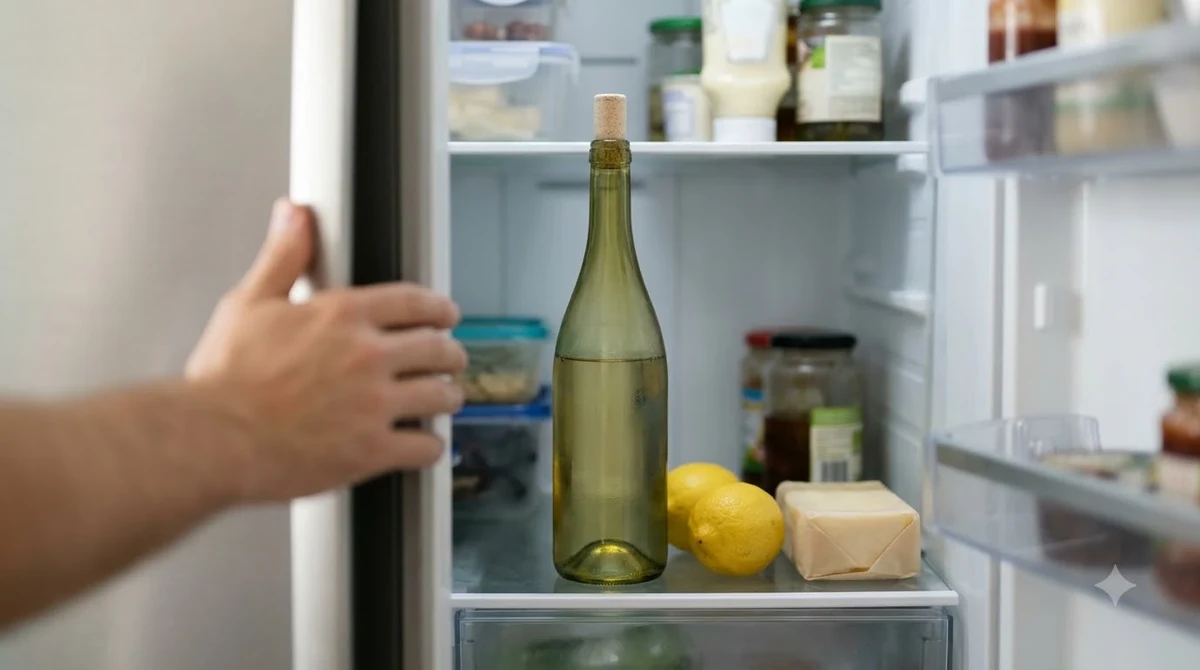
A refrigerator is useful for chilling wine before serving, but long-term storage requires more consideration. Unopened bottles should be kept away from direct sunlight, temperature fluctuations, and excessive heat. A relatively stable environment near 55 degrees Fahrenheit is a useful storage target. Bottles with traditional cork closures can be stored on their sides to keep the cork from drying out.
Most inexpensive dry white wines are intended to be enjoyed relatively young rather than kept for many years. Their fresh fruit and acidity are usually the main attractions. Buying bottles for regular consumption and avoiding unnecessary long-term storage is therefore a practical approach.
Once opened, still white wine generally keeps for approximately three to five days in the refrigerator when properly resealed. A good stopper helps reduce exposure to oxygen, although it cannot completely prevent gradual changes in flavor. Keep the bottle upright after opening and return it to the refrigerator promptly.
Serving portions also make a difference. A standard 750 ml bottle provides approximately five 5-ounce glasses. Smaller pours allow the wine to remain chilled longer and make it easier to compare two different styles during a meal.
Cheap dry white wine can also be useful for cooking, but the same selection principles apply. Choose a young, uncomplicated wine that you would be comfortable drinking. Sauvignon Blanc can complement lemon and herb sauces, while Pinot Grigio or unoaked Chardonnay can work in lighter risottos and chicken preparations.
Avoid using an obviously sweet white wine in a savory sauce unless the recipe specifically calls for sweetness. Reducing wine during cooking concentrates its flavor, so residual sugar can become more noticeable as the liquid evaporates. A dry, fresh bottle gives greater control over the final balance of the dish.
For seafood, lean white wines are often especially suitable. However, avoid pairing strongly tannic red wines with oily fish, since their combination can create an unpleasant metallic impression. A fresh, high-acid white is usually a more dependable choice for those meals.
Frequently Asked Questions
What is the driest inexpensive white wine to buy?
Muscadet and many Albariño wines are particularly dry choices. W3 Wine School places both among white wines with less than 4 grams of sugar per liter. Their flavor profiles differ, however: Muscadet is generally lean and restrained, while Albariño commonly combines citrus and peach character with saline notes.
Is Pinot Grigio or Sauvignon Blanc better for someone who dislikes sweetness?
Both are generally dry, but Sauvignon Blanc often has more pronounced acidity and aromatic intensity. Pinot Grigio is usually more restrained, with apple, pear, and citrus flavors. The better choice depends on whether you prefer a subtle profile or a more energetic, herbal style.
Does the word Extra Dry mean a still white wine is completely dry?
The term can be confusing because sparkling wine uses a different sweetness classification from still wine. For sparkling wine, Extra Dry is actually sweeter than Brut. W3 Wine School lists Extra Dry sparkling wine as containing less than 17 grams of sugar per liter, compared with less than 12 grams for Brut.
Can inexpensive dry white wine be used to make white wine vinegar?
Yes. A basic dry white wine can be used as a starting ingredient for homemade wine vinegar when combined with an appropriate vinegar culture. The wine should not contain obvious spoilage flavors, and the fermentation process requires suitable equipment and conditions. This is a separate process from simply leaving an opened bottle on the counter.
Should cheap dry white wine be decanted before serving?
Most everyday white wines do not need decanting. Opening the bottle shortly before serving is generally sufficient for fresh styles such as Pinot Grigio, Sauvignon Blanc, and Muscadet. A decanter can still be useful for removing sediment from an older bottle, but sediment is uncommon in most inexpensive, young white wines.
The best inexpensive dry white wine is the one that matches your preferred acidity, body, and flavor profile while remaining versatile enough for everyday meals. Start with Pinot Grigio or Sauvignon Blanc, then explore Muscadet, Verdejo, Albariño, and Grüner Veltliner as alternatives. With a little attention to grape variety and production style, finding a refreshing bottle becomes a much simpler buying decision.
More in Wine Buying Guides
 Cheap Red Blend: How to Find a Flavorful Bottle for LessUpdated Nov 20, 2026
 Pinot Grigio Gift: How to Choose a Bottle They’ll EnjoyUpdated Nov 20, 2026
 Best White Wine at Total Wine for Every MealUpdated Nov 20, 2026
 Wine Fridge Replacement Shelves: Find the Right FitUpdated Nov 20, 2026
 Best Sparkling Wine Under 20: Find Bubbles Worth BuyingUpdated Nov 20, 2026
 Best Wine For Birthday Celebrations With Perfect Party PairingsUpdated Nov 20, 2026