

We may earn a commission when you buy through links on this page, at no extra cost to you. Learn more.
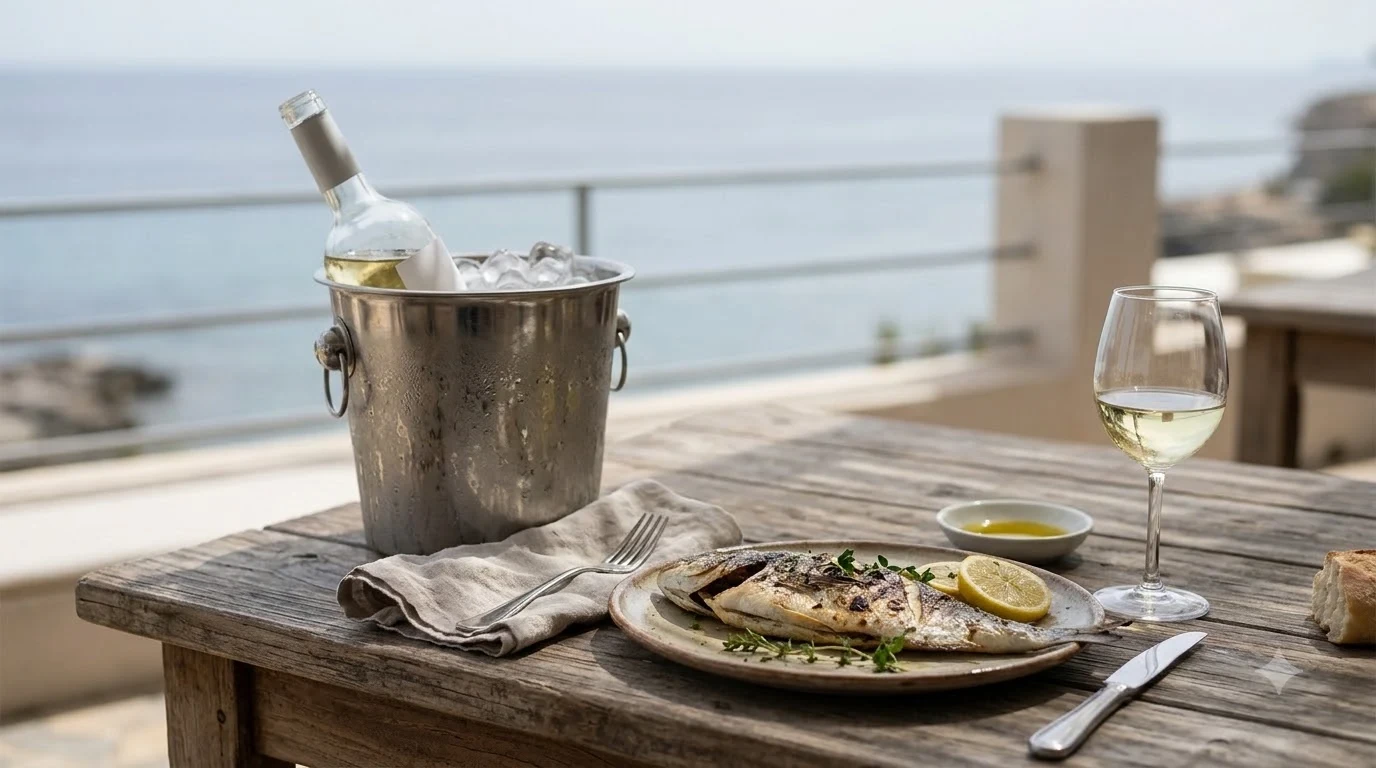
Chateau d Yquem wine is a sweet white from the Sauternes district of Bordeaux, made from Semillon and Sauvignon Blanc grapes that are affected by noble rot. The estate’s family history runs back to 1593, and the French luxury group LVMH has owned it since 1999. Its wines are rich, honeyed, and built to age for decades, which is why they sit near the top of the dessert wine world.
If you have seen this name on a restaurant list or in a collector’s catalog and wondered what all the fuss is about, this guide walks through the estate, how its sweet wine is made, what it tastes like, and how to serve and pair it. The goal is to help you decide whether a bottle is worth the effort, and how to enjoy it when you open one.
What Chateau d Yquem Wine Is
Chateau d’Yquem is a producer in the Sauternes appellation, one of the sweet wine districts of Bordeaux in southwest France. The estate is known by most wine drinkers as a single name, Yquem, and the wine is almost always sold under that name. It is not a dry wine in the usual sense. The sugar level is high, the body is full, and the flavors run from apricot and orange peel to honey, toasted nuts, and warm spice.
Part of the appeal is history. The LVMH profile of the estate describes 13 generations of winemakers since 1593, and the Sauvage and Lur Saluces families kept the property for more than four centuries before LVMH bought it. The estate also received the Premier Cru Superieur rank in the 1855 classification of Bordeaux. That long record is one reason collectors treat older bottles as serious assets, not just dinner-table wine. For a broader look at the producers behind popular labels, the Wine Brands hub groups many of them by style and price range.
Where the Estate Sits and What Grows There
The vineyard sits on the hills of Sauternes, and the producer’s own description points to a mix of soils and a climate that suits late-season botrytis. The estate reports roughly a hundred hectares of vineyard, planted mainly to Semillon and Sauvignon Blanc. Semillon gives the wine its body, its thick texture, and much of its ability to age. Sauvignon Blanc adds lift and acidity, which keeps the sweetness from feeling heavy on the palate.
Those two grapes are the whole story for the sweet wine. Both are thin-skinned and grow in tight bunches, which makes them prone to the mold that the estate depends on. A vineyard team has to watch humidity, morning mist, and autumn sunshine closely, because a few wet days can turn a promising harvest into a lost one. Growers in the region treat the vines as a long-term commitment, because the best results depend on picking grapes at the right moment rather than on a fixed calendar date. This is also why the estate’s output changes so much from one vintage to the next.
How the Sweet Wine Is Made
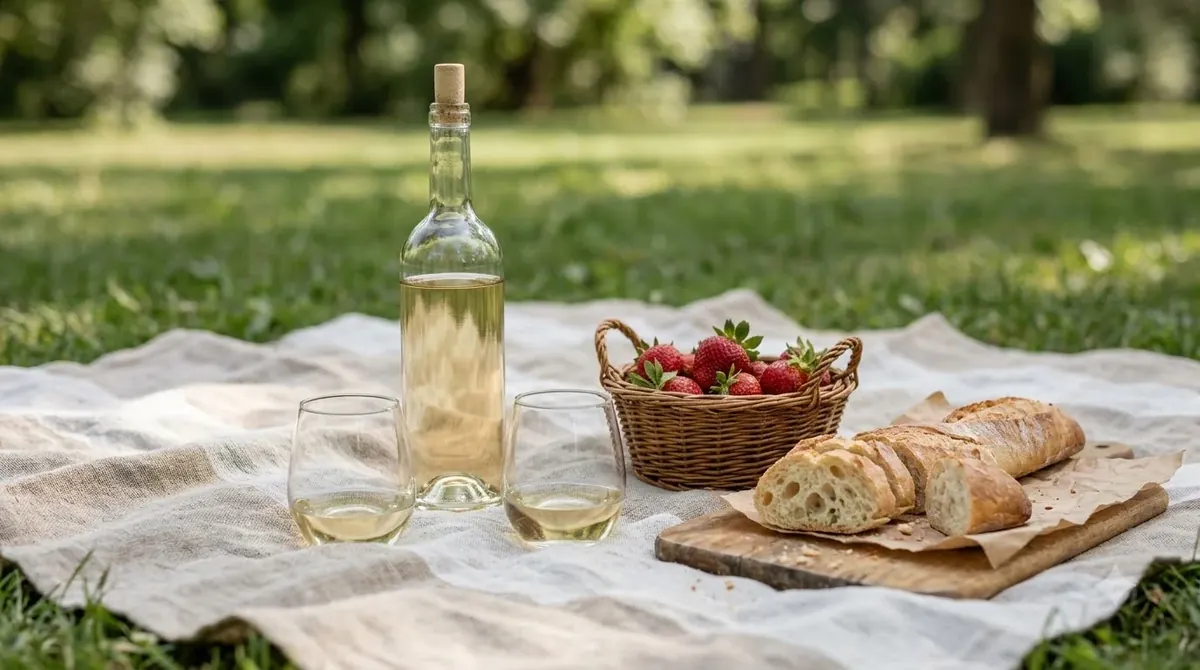
The key to Yquem is noble rot, the mold known as Botrytis cinerea. When conditions are right in autumn, the mold grows on ripe grapes and draws water out of the skin. The sugar and flavor concentrate, and the grapes shrivel into a raisin-like state. The producer describes this as a kind of concentration process that brings out the wine’s aromas and flavors.
Harvest is done by hand and in several passes through the vineyard. Pickers return to the same rows again and again, taking only the grapes that have reached the right level of rot. The producer treats selection as its core rule: only the best affected grapes make it into the wine, and the rest are left behind or sold off. After fermentation, the wine ages in barrels until it is ready for bottling, and a cellar team looks after the barrels throughout that stage.
This slow, selective method explains the price gap between Yquem and most other Sauternes. It also explains why yields can be low in weak years and why some vintages are skipped altogether. Sweet wine from noble rot depends on weather in a way dry wine does not, so one good vintage does not guarantee the next.
Flavor Profile and How It Compares
A young Yquem tastes of citrus, honey, and fresh apricot, with a long finish that carries on for a while after each sip. With age, the wine moves toward dried fruit, marmalade, caramel, and toasted nuts, and the texture becomes silkier. Many drinkers describe the mouthfeel as thick without feeling sticky, because the acidity stays bright enough to balance the sugar.
The table below compares Yquem with other sweet whites that people often confuse with it. Each one uses a different grape or method, so the price and the taste differ widely.
| Wine | Main grapes | Sweetness | Typical style |
|---|---|---|---|
| Chateau d’Yquem (Sauternes) | Semillon, Sauvignon Blanc | Very sweet | Botrytis-affected, long-lived, honeyed |
| Other Sauternes | Semillon, Sauvignon Blanc | Sweet | Botrytis-affected, usually less concentrated |
| Late-harvest Riesling | Riesling | Sweet to very sweet | Bright acidity, floral and citrus notes |
| Ice wine | Riesling, Vidal, others | Very sweet | Frozen grapes, pure fruit, tight structure |
If you enjoy a sweet white with a lighter touch, a bottle from a more modest estate may suit you better. For a lighter sweet white that is easier to find on a weeknight, see the Chateau Ste Michelle Riesling guide.
How to Serve and Pair Chateau d Yquem
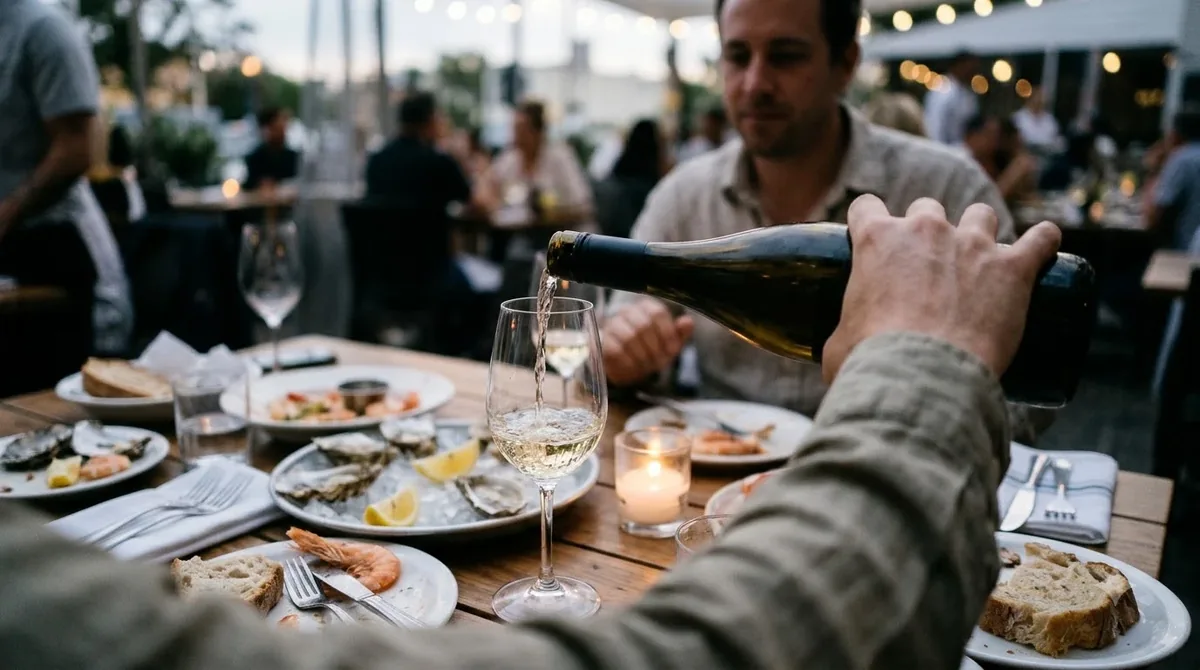
Serve the wine chilled rather than ice cold. Very cold temperatures mute the aromas and make the sweetness feel flat, while a slightly cool glass lets the honey and fruit come forward. Use a small white wine glass so the aromas gather near the rim. A young bottle can be opened and poured without much preparation, but an older bottle often benefits from standing in the glass for a few minutes so the nose can open up.
Pairings work best when the food is rich but not too sweet. Foie gras is the classic match, because the fat and the sugar balance each other. Blue cheese, roasted nuts, and fruit tarts also work well. Avoid pairing it with a dessert that is sweeter than the wine, since that makes both taste flat. A simple plate of fresh fruit, a walnut cake, or a dish of crème brûlée usually fits better.
Storage matters as much as service. Keep bottles lying on their side in a cool room with steady temperature, away from strong light and vibration. Sweet wines with good acidity hold up well for years when stored this way, and a damaged cork or a bottle kept in a warm kitchen can cost you the fresh, honeyed character that makes the wine worth opening.
Because the wine is sweet and rich, a small pour goes a long way. A few ounces per guest is enough for most settings, and any leftover bottle keeps well if it is resealed and stored upright in a cool, dark place.
Frequently Asked Questions
Is Chateau d Yquem wine dry or sweet?
It is sweet. The wine is made from grapes affected by noble rot, which concentrates the sugar, so it is served as a dessert or after-dinner wine rather than with a main course.
What grapes are used in Chateau d’Yquem?
The estate works mainly with Semillon and Sauvignon Blanc. Semillon gives body and ageing potential, while Sauvignon Blanc adds freshness and acidity.
Does Chateau d Yquem wine age well?
Yes. The wine has enough sugar and acidity to develop for many years in good cellar conditions, and older bottles take on dried fruit, caramel, and nut flavors that many collectors prize.
What is the best food to serve with it?
Classic choices include foie gras, blue cheese, and nut-based desserts. Pick food that is rich enough to hold up to the sweetness but not sweeter than the wine itself.
Chateau d Yquem is a wine that rewards patience, both in the cellar and at the table. If you are just starting with sweet whites, try a lighter style first and then move up as your palate adjusts. For more background on the labels behind the names, browse the Wine Brands section and compare how different estates approach sweetness and ageing.
More in Wine Brands
 Underwood Wine Price: Compare Bottles, Cans, and Pack SizesUpdated Nov 21, 2026
 Zenato Wine Price: Compare Styles and Choose the Right BottleUpdated Nov 21, 2026
 Zuccardi Wine Price: Compare Bottles and Find the Right RangeUpdated Nov 21, 2026
 Yellow Tail Moscato Review: Taste, Sweetness and Serving TipsUpdated Nov 21, 2026
 Wolf Blass Yellow Label Review: Choose Your Best StyleUpdated Nov 21, 2026
 Wolffer Estate Rose Review: Choose the Right Bottle for Your TableUpdated Nov 21, 2026