


We may earn a commission when you buy through links on this page, at no extra cost to you. Learn more.
A coravin wine opener is not a traditional corkscrew, because it extracts wine through a hollow needle without removing the natural cork. By replacing poured liquid with pure argon gas, the system prevents oxygen from spoiling the remaining wine for weeks, months, or even years. It works reliably for collectors and single-glass drinkers, though recurring argon capsule purchases and slow pour times make it unnecessary for households that finish bottles within two or three days.
Unlike a pocket waiter’s friend or a wine bottle opener keychain that pulls a stopper completely out of the glass neck, the Coravin Timeless system leaves the closure intact. SmartClamps grip the bottle neck while a thin medical-grade needle pierces the natural cork, pressurizes the headspace with food-grade argon, and delivers a five-ounce glass in about 25 to 30 seconds. Once the needle slides out, the natural cork expands back into place, keeping the rest of the bottle undisturbed on the wine rack.
Specs and Key Features
The current Coravin Timeless lineup centers on two core needle-access models, the Timeless Three+ and Timeless Six+, which share identical internal extraction hardware and argon delivery mechanics. Understanding the physical dimensions, capsule yield, and closure limits helps clarify what arrives in the box and what requires ongoing replacement.
| Specification | Coravin Timeless Three+ | Coravin Timeless Six+ | Coravin Pivot+ (Alternative Line) |
|---|---|---|---|
| Extraction Method | Hollow needle through natural cork | Hollow needle through natural cork | Cork removed; replaced with Pivot stopper |
| Preservation Gas | 100% ultra-pure argon (21 ml capsule) | 100% ultra-pure argon (21 ml capsule) | 100% ultra-pure argon (21 ml capsule) |
| Rated Capsule Yield | Up to 15 five-ounce (150 ml) glasses | Up to 15 five-ounce (150 ml) glasses | Up to 20 five-ounce (150 ml) glasses |
| Preservation Window | Months to years (natural cork) | Months to years (natural cork) | Up to 4 weeks |
| Pour Speed (5 oz) | 25 to 30 seconds | 25 to 30 seconds | Faster wide-tube pour |
| Exterior Finish | Molded matte black plastic and alloy | High-gloss finish with metallic accents | Molded plastic with silicone stopper |
| Included Accessories | 2 capsules, 2 Screw Caps, Aerator | Capsules, Screw Caps, Aerator, Carry Case | Capsules, Pivot stoppers, Aerator |
| Dimensions (Three+) | 2.44 x 10.28 inches | Comparable upright footprint | Compact handheld profile |
According to Coravin’s official Timeless comparison guide, the functional pour between the Timeless Three+ and Timeless Six+ is identical because both rely on the same stainless steel needle, trigger valve, and 21-milliliter argon capsules. The Timeless Six+ upgrades the exterior to a high-gloss finish in colors such as Piano Black, Silver, Burgundy, and Ocean Blue, and adds a padded carry case for travel. Earlier models including the Timeless Five and the Bluetooth-equipped Timeless Eleven have been discontinued, though they use the same needles and capsules.
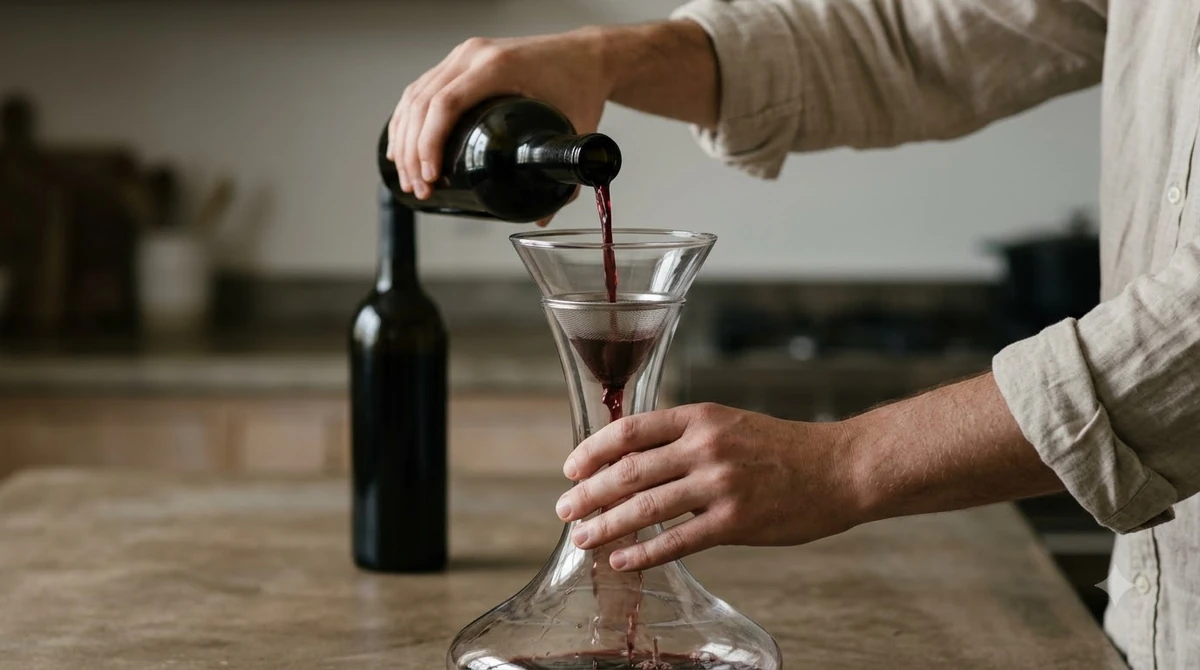
Both current plus kits bundle the Coravin Aerator, a perforated attachment that snaps onto the spout and mixes air into the stream as wine exits the needle. Coravin states that this attachment delivers aeration comparable to 60 to 90 minutes in a decanter, which helps soften high-tannin young reds like Cabernet Sauvignon or Syrah immediately upon pouring. Both kits also include Coravin Screw Caps lined with self-sealing silicone, extending compatibility to twist-off bottles for up to three to six months.
What Owners Like
Owners consistently praise the system for eliminating the pressure to finish a 750-milliliter bottle in one sitting, particularly when sampling cellar-worthy wines or pairing different glasses across a multi-course meal. Reviewers and sommeliers highlight several practical strengths that separate needle-based argon preservation from standard stoppers.
- True multi-month preservation. Because natural cork stays seated in the bottle neck and 100% pure argon—a dense, nonreactive noble gas used in commercial bottling—blankets the liquid surface, oxidation slows to a crawl. Owners can pour a single five-ounce glass of Napa Valley Cabernet Sauvignon or left-bank Bordeaux in January and return to the same bottle in June without flat fruit or vinegar notes.
- Side-by-side tasting flexibility. Households where one person prefers crisp Sauvignon Blanc at 45 to 50 F and another wants Pinot Noir at 55 to 60 F can access both bottles on a Tuesday night without waste. Sommelier educators, including leadership at the Sommelier Society of America, rely on the device so students can evaluate dozens of regional benchmarks over a four-to-five-month semester.
- Off-center needle placement. The needle enters the cork slightly off-center rather than punching straight down the middle axis. Each time a user clamps the unit onto the neck, the needle pierces a fresh section of cork bark, preventing a single enlarged channel from leaking gas.
- Instant aeration for young reds. Pushing the bundled Coravin Aerator onto the spout eliminates the 30-to-60-minute decanting wait normally needed for structured young reds, while leaving the remaining four glasses inside the bottle completely unexposed to oxygen.
Tip: Always tap the trigger briefly before inserting the needle into a cork. This quick purge—called sparging by sommeliers—flushes ambient air out of the hollow needle shaft so oxygen is not injected directly into the bottle headspace.
Common Complaints
Despite strong preservation performance, verified owner reviews and independent kitchen tests point out recurring drawbacks around recurring consumable expenses, closure restrictions, and maintenance discipline. Prospective buyers should weigh these practical friction points before committing counter space.
Recurring Argon Capsule Costs
While Coravin rates each 21-milliliter Pure Argon capsule for up to 15 five-ounce glasses, independent testing by Food & Wine found real-world yields closer to 10 glasses per cylinder when users purge the needle before pours or hold the trigger slightly too long. Every glass poured carries an ongoing gas expense, and capsules are single-use steel cylinders that must be recycled locally rather than refilled at home.
Closure Incompatibility and Needle Clogs
The Timeless needle only reseals reliably in natural cork or Coravin’s proprietary silicone-lined Screw Caps. Synthetic polymer corks—common on everyday wines from California, Australia, and South America—do not close back up after a needle withdraws, leaving an open pinhole that leaks argon and admits air. Glass stoppers and crown-capped or wired sparkling bottles are completely incompatible; attempting to pierce a pressurized Champagne bottle risks shattering glass.
Slow Pour Speed and Reductive Flavors
Drawing a single five-ounce pour through a narrow needle takes 25 to 30 seconds, which feels noticeably slower than pouring from an uncorked bottle during dinner hosting. In addition, sommeliers interviewed by Consumer Reports warn that repeatedly pressurizing a bottle down to its final glass can strip aromatic nuance or create reductive, struck-match notes. Both Coravin and wine educators advise pulling the cork with a standard corkscrew once only one glass remains.
Who Should Buy and Who Should Skip
This preservation system solves a specific problem for moderate, deliberate wine drinkers, while offering little value to households that already consume opened bottles within a weekend. Matching the device to real drinking habits prevents an expensive gadget from gathering dust on a bar cart.
- Buy if you drink one or two glasses per week. Anyone who enjoys a single five-ounce pour on weeknights and takes two or three weeks to finish a 750-milliliter bottle will save enough spoiled wine to justify the hardware and argon capsules.
- Buy if you collect age-worthy bottles. Collectors who want to check how a young Barolo, Rioja Gran Reserva, or vintage Napa Cabernet is evolving without committing to the whole bottle gain a reliable tasting window without sacrificing cellar longevity.
- Skip if you mostly buy synthetic-cork or sparkling wines. If your wine fridge holds Prosecco, Cava, Champagne, or everyday bottles sealed with synthetic plastic corks, a needle system will not work on those closures.
- Skip if you finish bottles within three to five days. Standard still wines kept recorked in a refrigerator at 40 to 45 F stay fresh for three to five days on their own, making an argon needle system redundant for casual weekend consumption.
How It Compares to Alternatives
Shoppers comparing wine preservation hardware have several distinct mechanical approaches to choose from, ranging from Coravin’s own Pivot+ system to simple vacuum pumps and single-use oxygen absorbers. Each method trades preservation lifespan against ongoing consumable requirements and closure compatibility.
Within Coravin’s own catalog, the Pivot+ removes the original closure completely and replaces it with a specialized Pivot stopper, pouring through a wider tube and preserving still wines for up to four weeks. Because the Pivot+ bypasses the cork entirely, it works on synthetic plastic corks and factory screw caps without separate accessories, and each 21-milliliter argon capsule stretches up to 20 five-ounce glasses according to Coravin’s capsule guide. For sparkling wines like Champagne, Cava, or Prosecco, Coravin makes a separate Sparkling system that uses pure carbon dioxide capsules and a locking pressure stopper to hold effervescence for up to four weeks.
Outside the Coravin lineup, Food & Wine and Consumer Reports highlight three common alternatives across major Accessory Brands:
- Vacu Vin Wine Saver Pump: A handheld manual pump extracts air through reusable rubber stoppers, slowing oxidation for three to five days in a refrigerator. It requires zero gas refills and works on any standard 750-milliliter still wine bottleneck, though Consumer Reports notes that partial vacuums cannot match inert argon gas for multi-week storage.
- Repour Wine Saver: These disposable stoppers contain a food-safe oxygen-absorbing packet inside the cap that actively scavenges oxygen from the headspace after each pour. Repour works on synthetic corks and screw-cap bottles alike, but each stopper is single-use for one bottle.
- Le Creuset Champagne Crown Sealer: For sparkling wines, a mechanical switch-style crown stopper clamps onto the lip of a Champagne or Prosecco bottle to trap internal carbon dioxide pressure for two to three days without extra gas cartridges.
For households looking for an all-in-one gift bundle rather than a specialized argon device, pairing a traditional corkscrew with reusable silicone stoppers in a wine opener and preserver set covers everyday weekend pours without ongoing capsule purchases.
Step-by-Step Setup, Pouring, and Needle Care
Proper technique prevents bent needles, wasted argon gas, and cork fragments in the glass. Following Coravin’s operating sequence keeps the hollow shaft clear and protects the internal valve seal.
- Load the argon capsule and purge the line: Unscrew the black capsule cup, drop a 21-milliliter Coravin Pure capsule rounded-end first into the chamber, and twist the cup tightly until the seal punctures cleanly. Press the trigger for a split second before clamping onto a bottle to clear ambient air from the needle.
- Seat the SmartClamps and pierce the cork: Align the needle guide squarely over the center of the bottle neck—if a foil capsule covers the cork, leave the foil in place, as the needle pierces thin metal foil easily. Press the handle firmly straight down in one smooth motion until the needle passes completely through the cork.
- Tilt to 45 degrees and tap the trigger: Hold the bottle at roughly a 45-degree angle with the spout aimed inside the wine glass. Give the trigger a brief press and immediate release to pressurize the bottle; wine will stream steadily for 25 to 30 seconds per five-ounce pour.
- Return upright and withdraw the needle: Once the glass reaches the desired pour level, tilt the bottle back upright to stop the flow, then pull the handle straight up to retract the needle cleanly from the cork.
- Rinse with warm water after every session: Run warm tap water through the spout and needle for several seconds, then tap the trigger once to blow remaining water droplets out of the shaft. Sugar and sediment left inside a narrow needle dry into hard clogs that can bend the tip on the next bottle.
Frequently Asked Questions
Do Coravin argon capsules expire if stored in a cabinet?
Sealed Coravin Pure capsules do not expire chemically because argon is a completely inert noble gas that does not degrade inside its steel cylinder. Coravin notes that European manufacturing rules require a date stamp printed on each capsule, but unopened cylinders remain usable well past that printed date when stored away from heat.
Should wine bottles be stored upright or on their side after using a Coravin?
Coravin advises storing accessed bottles upright for the first few minutes so the natural cork has time to expand and seal the needle channel, after which standard horizontal storage around 55 F works normally. Keeping natural cork moist on its side prevents the bark from drying out and shrinking over multi-month cellar holds.
What happens if a Coravin needle hits a brittle cork on an older vintage bottle?
On aged bottles—typically wines older than 15 to 20 years—dry or crumbling natural corks may fail to reseal after needle withdrawal or push small cork crumbs into the bottle. Coravin sells a thinner Vintage Needle specifically engineered with a narrower gauge to pass gently through fragile aged corks with minimal disruption.
Can the Coravin Timeless system be used on chilled white wines straight from the fridge?
Yes, the Timeless system works on chilled white and rose wines chilled to 45 to 50 F, though cold temperatures make natural cork firmer and slightly slower to reseal. Coravin recommends allowing a chilled bottle to sit upright at room temperature for 10 to 15 minutes after pouring so the cork fibers recover their elasticity before returning the bottle to cold storage.
Why does wine sometimes stop flowing mid-pour when using a Coravin?
Flow stops either because internal argon pressure has equalized after pouring a couple of ounces or because the capsule has run empty. Giving the trigger a second quick tap adds a fresh pulse of argon to finish the five-ounce pour, whereas a faint hiss with no liquid movement indicates it is time to screw in a new capsule.
The Coravin Timeless system delivers unmatched multi-month wine preservation by keeping natural corks intact under a blanket of pure argon gas. While recurring capsule expenses, slow pour times, and closure restrictions make it excessive for casual weekend drinkers, collectors and single-glass enthusiasts gain reliable access to fine bottles without waste.
More in Wine Accessories
 Coravin Vs Vacu Vin: Choose the Right Wine Saver for Your BottlesUpdated Nov 21, 2026
 Zwilling Wine Stopper Review: Preserve Open Bottles LongerUpdated Nov 21, 2026
 Wine Enthusiast Wine Preserver Review: Features, Benefits and LimitationsUpdated Nov 21, 2026
 Wine Enthusiast Wine Stopper: An Easier Way to Reseal Open BottlesUpdated Nov 21, 2026
 Vintorio Wine Opener: Two-Step Cork RemovalUpdated Nov 21, 2026
 Zwilling Wine Aerator Review: Aerate, Pour, and Seal With One ToolUpdated Nov 21, 2026