

We may earn a commission when you buy through links on this page, at no extra cost to you. Learn more.
The best Cabernet Sauvignon food pairing is grilled or braised red meat, because the wine’s firm tannins soften against protein and fat. Ribeye, lamb chops, short ribs, and peppery steak sauces all work well. The wine’s high acidity and dark-fruit profile also stand up to smoky, charred flavors. Delicate fish and light salads usually clash with it.
Cabernet Sauvignon is one of the most structured red wines people pour at dinner, so the food on the plate matters more than it does with a soft, fruity glass. This guide explains which dishes match its profile, why those pairings work, and what to avoid when you plan a meal around a bottle.
Why Cabernet Sauvignon pairs so well with rich food
Cabernet Sauvignon is dry and full-bodied, with medium-high tannins and medium-high acidity. Tannins are the compounds that make the mouth feel dry and gripping after a sip. When they meet protein and fat, those compounds bind to the food, and the wine tastes smoother and less astringent. That chemistry sits behind almost every classic Cabernet pairing.
According to Wine Folly’s Cabernet Sauvignon guide, the wine’s rich flavor and high tannin content make it a strong partner for grilled meats, peppery sauces, and boldly flavored dishes. The same guide lists its typical flavors as black cherry, black currant, cedar, baking spices, and graphite. Charred, smoky, and herb-heavy foods often feel like a natural match because they echo those notes.
The wine’s alcohol, usually between 13.5% and 15% ABV in the examples reviewers describe, also adds weight. That weight needs food with enough body to stand next to it. A thin piece of fish or a light vinaigrette salad simply disappears beside a full-bodied red, which is why most pairing advice for Cabernet points toward heavier plates.
Best meats and main dishes
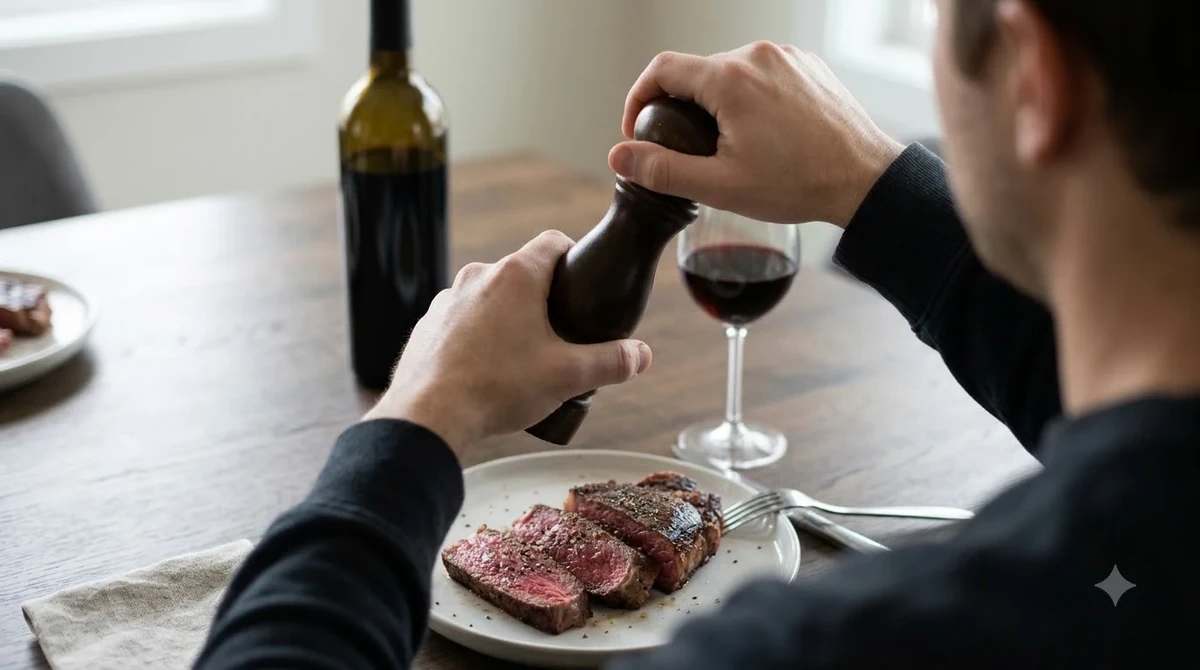
Red meat is the most reliable partner. A ribeye or strip steak, cooked hot and seared, has enough fat to soften the tannins and enough char to echo the wine’s cedar and toasted oak notes. Lamb chops with rosemary work for the same reason, and so does a slow-braised short rib, where the sauce reduces into something dark and savory. Burgers made with 80/20 beef and sharp cheddar also pair well, especially with a little grilled onion.
Roast chicken is a gentler option for people who want a red with a lighter main course. Choose a skin-on bird with herbs and pan juices rather than a delicate poached breast. Duck breast with a cherry or blackberry glaze also fits, because the fruit in the sauce mirrors the wine’s black-fruit character. Duck’s fat is a big help here, since it coats the palate in the same way a good steak does.
Peppery dishes are a classic move. Steak au poivre, with cracked black pepper and a cream or brandy sauce, pulls out the spice in the wine and keeps the pairing balanced. For a meatless version, grilled portobello mushrooms with garlic and balsamic vinegar give enough savory depth to stand next to the tannins. See also cabernet sauvignon with steak for more detail on beef cuts and sauces.
Cheese, vegetables, and sides
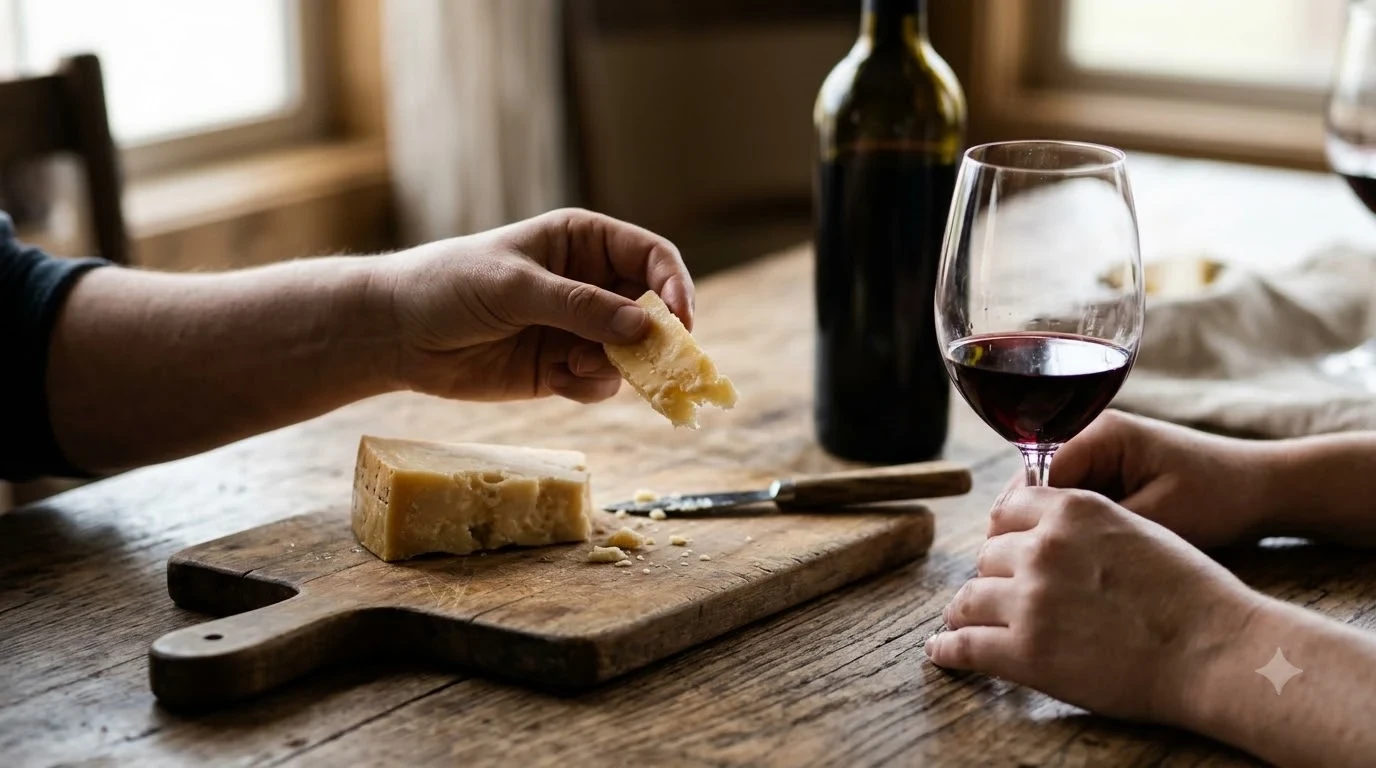
Aged cheeses are among the best options outside of meat. Aged cheddar, Manchego, and aged Gouda have firm texture and savory, nutty notes, and their fat balances the wine’s grip. Soft, mild cheeses such as fresh mozzarella or brie tend to taste flat beside a big red, so save them for a white or a rosé.
Vegetables need a little more planning. Roasted root vegetables, mushrooms, and lentil dishes seasoned with cumin or smoked paprika work well. Raw greens dressed with a sharp vinaigrette can taste bitter next to Cabernet, so dress them lightly or choose a different wine for a salad-heavy meal.
Starch matters too. Potatoes roasted in duck fat or with plenty of butter add the richness that keeps the wine feeling smooth. Plain rice or pasta with light tomato sauce is less ideal, because the acidity in the sauce can make the wine taste harsher.
| Food type | Why it works | Examples |
|---|---|---|
| Grilled red meat | Fat softens tannins; char matches oak and spice | Ribeye, strip steak, lamb chops |
| Peppery sauces | Spice lifts the wine’s dark fruit | Steak au poivre, peppercorn sauce |
| Aged cheese | Fat and salt balance dry structure | Aged cheddar, Manchego, aged Gouda |
| Earthy vegetables | Savory depth matches the wine’s earth notes | Mushrooms, lentils, roasted roots |
| Delicate fish | Tannins overpower light flesh | Sole, trout, white fish in light sauce |
Napa-style versus Bordeaux-style bottles
The region and winemaking style change the pairing a little. Cabernets from warm regions such as Napa Valley tend to show riper fruit and more oak, which suits heavier cuts of meat and bold barbecue sauces. Bordeaux-style blends, which often include Merlot and Cabernet Franc, usually have more earthy, savory character and more acidity, so they work well with roasted lamb, mushrooms, and hard cheeses.
Older bottles with softer tannins are more flexible. A mature Cabernet can work with roast beef, game birds, or even a mushroom risotto, because the tannins have already softened and the wine’s tertiary flavors, such as leather and dried herbs, match savory food. Younger, tannic bottles need more fat and protein on the plate to feel balanced.
How to serve Cabernet Sauvignon
Serving temperature changes how the wine tastes with food. Wine Folly gives a serving range of 60 to 68°F (15 to 20°C) for Cabernet Sauvignon. Served too warm, the alcohol feels hot and the fruit turns heavy. Served a little cool, the tannins show more clearly, which can actually help with fatty food. A short stay in the refrigerator before dinner is usually enough to bring a warm bottle into range.
Decanting helps young bottles. Pour the wine into a decanter about 30 to 60 minutes before dinner so it can open up and the tannins can relax. Older bottles with sediment should be decanted more carefully, and usually only shortly before serving, since too much air can fade delicate aromas.
Tip: If the main course is light, serve the Cabernet with a fatty side, such as roasted potatoes with butter or a cheese course, so the pairing stays balanced.
Foods to avoid with Cabernet Sauvignon
The main mistake is pairing a full-bodied red with light, delicate food. Sushi, ceviche, and mild white fish get overwhelmed, and the wine’s tannins can make them taste metallic. Sweet desserts also clash, since the wine’s dryness makes sugar taste thinner. Very spicy dishes with chili heat can push the alcohol and tannins into a harsh finish.
If you want Cabernet with spicy food, pick a moderately spiced dish with a rich, fatty base, such as a braised beef curry, and keep the heat in check. Dark chocolate is the one sweet pairing that usually works, because its bitterness and fat match the wine’s structure. Drink water alongside the meal and pour responsibly.
Frequently Asked Questions
What is the best food to eat with Cabernet Sauvignon?
Grilled steak, ribeye, lamb chops, and braised short ribs are the most reliable choices. Their fat softens the wine’s tannins, and their savory char matches the wine’s oak and spice notes.
Can you drink Cabernet Sauvignon with chicken?
Yes, if the chicken is roasted with skin and herbs, or served with a rich pan sauce. A plain poached or grilled breast tends to taste dry beside the wine, so choose a richer preparation.
Does Cabernet Sauvignon go with fish?
Usually not. Its tannins overpower light fish such as sole or trout. Oily fish like salmon can work with a lighter, younger red, but most fish dishes pair better with white wine.
Should you chill Cabernet Sauvignon before serving?
Chill it lightly, not heavily. Serving between 60 and 68°F (15 to 20°C) keeps the alcohol in check and lets the fruit and tannins show balance with food.
A good Cabernet dinner starts with a rich main course and a plan for the sides. For a broader look at how wine fits with different plates, see the wine pairing guide and compare Cabernet with pinot noir food pairing when you want a lighter red for a more delicate meal.
More in Food & Wine Pairing
 Risotto With White Wine Recipe: Make a Creamy Dinner at HomeUpdated Nov 20, 2026
 Wassail With Wine Recipe for a Festive Spiced Holiday DrinkUpdated Nov 20, 2026
 Spritz Veneziano Recipe: Make a Classic Venetian Aperitivo at HomeUpdated Nov 20, 2026
 Summer Wine Punch Recipe for Easy Homemade EntertainingUpdated Nov 20, 2026
 Bishop Recipe: How to Make a Bright, Citrus-Forward Red Wine CocktailUpdated Nov 20, 2026
 Wine Cupcakes Recipe: Bake Rich Chocolate Cupcakes at HomeUpdated Nov 20, 2026