

We may earn a commission when you buy through links on this page, at no extra cost to you. Learn more.
The josh cellars wine price varies by wine style, collection, bottle size, and retailer, with standard bottlings generally positioned below the Reserve collection. Cabernet Sauvignon, Chardonnay, Pinot Noir, Sauvignon Blanc, and Prosecco are among the recognizable choices in the lineup. Comparing the same bottle across retailers, checking promotional conditions, and distinguishing standard wines from Reserve selections are the most reliable ways to find good value.
Josh Cellars is a familiar name in American wine retail, offering accessible reds, whites, rosé, and sparkling wines for everyday meals and casual entertaining. Its range extends beyond the standard collection into regional Reserve bottlings, barrel-aged wines, and the Seaswept collection. That variety means two bottles carrying the same brand name can occupy different positions in a store’s selection.
Understanding those differences makes shopping easier. Rather than assuming every Josh Cellars bottle should have the same price, shoppers can compare wine styles, production positioning, bottle formats, and retailer promotions. This guide explains what influences the cost, which bottles deserve attention, and how to make a more informed purchase without confusing a promotional offer with a wine’s regular retail positioning.
Who This Is For: Josh Cellars Shoppers and Wine Drinkers
Josh Cellars is a practical option for shoppers who want recognizable grape varieties, approachable California wines, and several styles under one brand. Its standard Cabernet Sauvignon, Chardonnay, and Sauvignon Blanc offer familiar starting points, while Reserve and regional bottlings provide additional choices for people who want to explore differences within the portfolio.
This buying guide is particularly useful for people choosing wine for weeknight dinners, casual gatherings, gifts, or small celebrations. A shopper looking for a dependable red to serve with grilled beef has different priorities from someone searching for a refreshing white to accompany seafood. Identifying the intended occasion before comparing bottles helps prevent unnecessary spending on a style that does not suit the meal.
Budget-conscious shoppers should begin with the standard collection. These wines generally occupy the brand’s more accessible retail position, making them suitable for regular purchases and informal entertaining. The standard Cabernet Sauvignon is a logical starting point for people who enjoy fuller reds, while Chardonnay and Sauvignon Blanc cover different preferences in white wine.
Shoppers interested in more specific regional expressions can consider the Reserve range. Its listed selections include Paso Robles Cabernet Sauvignon, North Coast Cabernet Sauvignon, Sonoma County Chardonnay, and other geographically identified wines. These bottles provide an opportunity to explore how grape variety and growing region influence the style of a wine.
People buying for a mixed group may also appreciate the brand’s variety. Pinot Noir, Merlot, Pinot Grigio, rosé, and Prosecco offer alternatives to the familiar Cabernet Sauvignon and Chardonnay combination. Seaswept and non-alcoholic sparkling selections expand the options further.
There is no single bottle that represents the best purchase for every drinker. Someone who regularly enjoys bold Cabernet Sauvignon may find better personal value in a familiar standard bottle than in a more specialized Reserve selection. Another shopper who prefers lighter reds or crisp whites may get more enjoyment from Pinot Noir or Sauvignon Blanc.
Key Factors to Compare Before Buying Josh Cellars Wine
The most important factors are collection, grape variety, bottle size, regional designation, and retailer pricing. Comparing these details provides a more useful picture than looking at the brand name alone.
Retail listings demonstrate how much the assortment can vary. Total Wine displays standard wines, Reserve bottlings, sparkling options, and different bottle formats, while ReserveBar presents a selection that includes standard Cabernet Sauvignon, Merlot, Prosecco, and regional Reserve wines. The Total Wine Josh Cellars selection is a useful reference for understanding the range of available formats and wine styles.
| Comparison factor | Available examples | What shoppers should consider |
|---|---|---|
| Standard collection | Cabernet Sauvignon, Chardonnay, Merlot | Accessible everyday drinking |
| Reserve collection | Paso Robles Cabernet, North Coast Cabernet | Regional and specialized selections |
| White wine | Chardonnay, Sauvignon Blanc, Pinot Grigio | Acidity, body, and food pairing |
| Red wine | Cabernet Sauvignon, Pinot Noir, Merlot | Tannin, structure, and preferred weight |
| Sparkling wine | Prosecco, Prosecco Rosé | Celebrations and aperitifs |
| Alternative selection | Seaswept, non-alcoholic sparkling | Different occasions and preferences |
| Half bottle | 375 ml | Smaller serving requirement |
| Standard bottle | 750 ml | Approximately five 5-ounce glasses |
| Magnum | 1.5 liters | Approximately ten 5-ounce glasses |
Collection positioning is often the first distinction to examine. A standard Cabernet Sauvignon and a Reserve Cabernet Sauvignon may share a grape variety, but that does not make them interchangeable products. Reserve selections can have different regional origins, production choices, and positioning within the brand portfolio. Compare the exact wine name rather than relying on the word Cabernet alone.
Grape variety is another important consideration. Cabernet Sauvignon generally has higher tannin, making it a suitable choice for drinkers who enjoy structured reds. Merlot typically has softer, medium tannins, while Pinot Noir usually offers lower-to-medium tannin and higher acidity. These differences affect drinking preferences and food compatibility, even when two bottles occupy similar retail categories.
For white wine, Sauvignon Blanc usually offers higher acidity and a crisp profile. Chardonnay generally has medium acidity and can provide a fuller impression, especially in styles with noticeable oak influence. Pinot Grigio is another useful option for shoppers who prefer a lighter-feeling white.
Bottle size also matters. A 375 ml bottle holds half the volume of a standard 750 ml bottle, while a 1.5-liter magnum contains twice as much wine. Comparing the cost per milliliter rather than the total checkout amount gives a clearer indication of relative value. However, a larger format is not automatically a better purchase if the wine will remain unfinished.
Finally, consider the retailer. Store location, local alcohol regulations, inventory, shipping availability, seasonal promotions, and purchasing conditions can all affect the amount a customer pays. A discount that requires buying six bottles should not be treated as equivalent to an unrestricted single-bottle offer.
Tip: Compare identical bottle names and sizes at two or three retailers before purchasing. A standard Cabernet Sauvignon should not be compared directly with a Reserve Paso Robles Cabernet Sauvignon when evaluating which store offers the better deal.
Step-by-Step: How to Find Better Josh Cellars Wine Value
A sensible buying process starts with the intended wine style and ends with a comparison of the exact bottle and its final checkout conditions. Following a few straightforward steps helps shoppers avoid paying extra for features they do not particularly want.
-
Choose the occasion.
Decide whether the wine is intended for everyday drinking, dinner, a party, or a gift. A standard Merlot or Chardonnay may be sufficient for an informal meal, whereas a regional Reserve Cabernet Sauvignon may be more appropriate for someone interested in a particular wine-growing area.
-
Select a grape variety.
Choose Cabernet Sauvignon or Merlot if you prefer red wine, Chardonnay or Sauvignon Blanc for white wine, and Prosecco for sparkling occasions. If you are unsure, begin with a familiar grape rather than purchasing a more specialized bottle solely because its label sounds distinctive.
-
Identify the collection.
Separate standard Josh Cellars products from Josh Cellars Reserve and Seaswept. This is essential because the collections are positioned differently. Also distinguish a regional Reserve wine from a standard bottling with the same grape variety.
-
Choose the bottle format.
A 750 ml bottle is a convenient starting point for most purchases. A 375 ml bottle can work for a smaller dinner, while a 1.5-liter magnum may be more suitable for a larger gathering. Think about the number of guests and the expected consumption before selecting a format.
-
Compare at least two retailers.
Check the same wine at multiple stores, including local wine shops and larger retailers. Compare the exact collection, vintage where applicable, bottle volume, and product description. Do not assume that two similarly named listings describe identical wines.
-
Review promotional conditions.
Some stores offer discounts for purchasing multiple bottles. Confirm whether the promotion applies to the chosen wine, whether different varieties can be mixed, and whether the offer is available at the local store. Calculate the actual total for the number of bottles you intend to purchase.
-
Consider the complete purchase.
Shipping charges, delivery restrictions, taxes, and collection arrangements can affect the final amount. Check these details before deciding that an online listing is less expensive than a nearby retailer.
-
Keep a record of preferred bottles.
Once you identify a wine that suits your taste, record its complete name, collection, and bottle size. This makes future comparisons easier and reduces the chance of confusing a standard wine with a Reserve alternative.
These steps are particularly useful when a retailer displays several Josh Cellars Cabernet Sauvignon options together. The standard wine, Reserve regional selections, and barrel-aged versions may appear in the same category, but they serve different preferences and purchasing priorities.
Shoppers can also consult the Josh Cellars wine overview for a broader introduction to the brand’s available styles. That additional context helps identify bottles before beginning a retailer comparison.
Types and Styles Explained: Standard, Reserve, and Seaswept
Josh Cellars offers several distinct categories rather than a single uniform wine range. Understanding what each collection represents is one of the most effective ways to assess its retail positioning and choose a bottle that matches your preferences.
Standard Josh Cellars Wines
The standard collection is the natural starting point for shoppers looking for recognizable grape varieties and everyday drinking options. Its selection includes Cabernet Sauvignon, Chardonnay, Sauvignon Blanc, Pinot Noir, Pinot Grigio, Merlot, rosé, and sparkling wine.
Cabernet Sauvignon is a familiar choice for red-wine drinkers who prefer dark-fruit character and noticeable structure. It works particularly well with grilled beef, lamb, and other dishes that can stand up to its tannins. Serve a full-bodied red around 60 to 65 degrees Fahrenheit for a balanced impression of fruit and structure.
Chardonnay provides a different experience. Its medium acidity and potentially fuller texture make it suitable for roasted chicken, creamy pasta, and richer seafood dishes. Serve full-bodied whites around 50 to 55 degrees Fahrenheit rather than taking them directly from an especially cold refrigerator.
Sauvignon Blanc offers a brighter alternative. Its higher acidity makes it suitable for salads, goat cheese, shellfish, and dishes featuring fresh herbs. Light white wines generally show well around 45 to 50 degrees Fahrenheit.
For more information about the red options, see the Josh Cellars red wine selection, which provides additional context for comparing the brand’s different red styles.
Josh Cellars Reserve
Reserve is a separate collection that includes more specifically identified wines. Examples include Paso Robles Cabernet Sauvignon, North Coast Cabernet Sauvignon, Sonoma County Chardonnay, and Santa Barbara Pinot Noir.
Regional designations can be useful when shoppers want to explore how growing conditions and winemaking choices influence wine character. Paso Robles Cabernet Sauvignon, for example, provides a geographically specific alternative to a broadly labeled California Cabernet Sauvignon. North Coast and Sonoma County selections offer other regional reference points.
The Reserve collection also includes specialized styles such as Bourbon Barrel Aged Cabernet Sauvignon and Bourbon Barrel Aged Zinfandel. Barrel aging can influence a wine’s aromas and perceived flavor, potentially contributing vanilla, spice, caramel, or toasted characteristics.
Reserve wines generally occupy a higher position within the brand’s retail assortment, although individual listings can overlap with standard wines during promotions. Therefore, shoppers should compare actual bottles rather than assuming every Reserve product carries a higher checkout total under every retail condition.
Seaswept and Sparkling Options
Seaswept provides an additional direction within the brand portfolio. The official assortment identifies Seaswept White Wine and Seaswept Sparkling, giving shoppers alternatives to the familiar varietal-based red and white categories.
Prosecco and Prosecco Rosé are also part of the selection. Prosecco is generally produced using Glera grapes and the tank method, which preserves fresh fruit character and lively bubbles. It typically contains around 11 to 12 percent alcohol by volume.
For sparkling wine, sweetness is an important comparison point. The traditional classifications range from Brut Nature and Extra Brut through Brut, Extra Dry, Dry, Demi-Sec, and Doux, moving from the driest categories toward sweeter styles.
Prosecco is a practical option for aperitifs, light appetizers, and informal celebrations. Serve sparkling wines around 40 to 50 degrees Fahrenheit to maintain freshness and a pleasant level of carbonation.
Non-alcoholic sparkling wine is another option for shoppers who want a celebratory beverage without traditional alcoholic wine. Its inclusion expands the brand’s selection beyond conventional red, white, rosé, and sparkling wine categories.
Common Mistakes When Comparing Josh Cellars Wine
The most frequent shopping mistakes involve comparing different collections, overlooking bottle sizes, and interpreting promotional offers incorrectly. These issues can make an otherwise straightforward purchase unnecessarily confusing.
The first mistake is comparing the standard Cabernet Sauvignon directly with a Reserve regional Cabernet without recognizing their different positioning. Both products share a grape variety, but the complete product descriptions matter. A North Coast or Paso Robles designation identifies a more specific selection than a broadly labeled California Cabernet Sauvignon.
Another common mistake is assuming that a larger bottle automatically offers better value. A magnum contains twice the volume of a 750 ml bottle, but it may not be the right purchase for a household that only occasionally drinks wine. Once opened, still wine generally remains in good condition for approximately three to five days when properly refrigerated and sealed.
Buyers should also avoid confusing half-bottle pricing with full-bottle pricing. A 375 ml bottle contains half as much wine as a 750 ml bottle, so its total cost will naturally be lower in many retail situations. However, the cost per milliliter can be higher. Compare the actual volume before making a judgment.
Promotional pricing creates another potential problem. A retailer may display a lower per-bottle amount when several bottles are purchased together. This can be useful for people stocking a home wine collection, but it is less attractive if the promotion encourages buying more wine than necessary.
Vintage confusion is also worth avoiding. Two listings with the same grape variety and brand may represent different vintages, especially in wines where the vintage is prominently displayed. Check the complete listing before comparing the products.
Another mistake is selecting wine exclusively by perceived prestige. A Reserve label does not automatically mean that a wine will suit every palate better than a standard bottle. A shopper who prefers soft Merlot may find more satisfaction in that style than in a structured Reserve Cabernet Sauvignon.
Finally, do not overlook food pairing. A high-tannin Cabernet Sauvignon can work well with grilled steak because protein and fat soften the perception of tannin. However, a tannic red is usually a poor match for delicate oily fish. Sauvignon Blanc or another fresh white can provide a more suitable alternative.
For rosé drinkers, the Josh Cellars rosé selection offers a useful starting point for exploring a lighter style. It is generally a better choice for people who want a chilled wine with salads, grilled vegetables, and lighter summer meals than a full-bodied red.
Care and Storage Tips for Protecting Your Purchase
Proper storage and serving conditions help preserve the quality of Josh Cellars wines after purchase. Temperature, light exposure, bottle position, and the time between opening and serving all influence the drinking experience.
Store Unopened Bottles Correctly
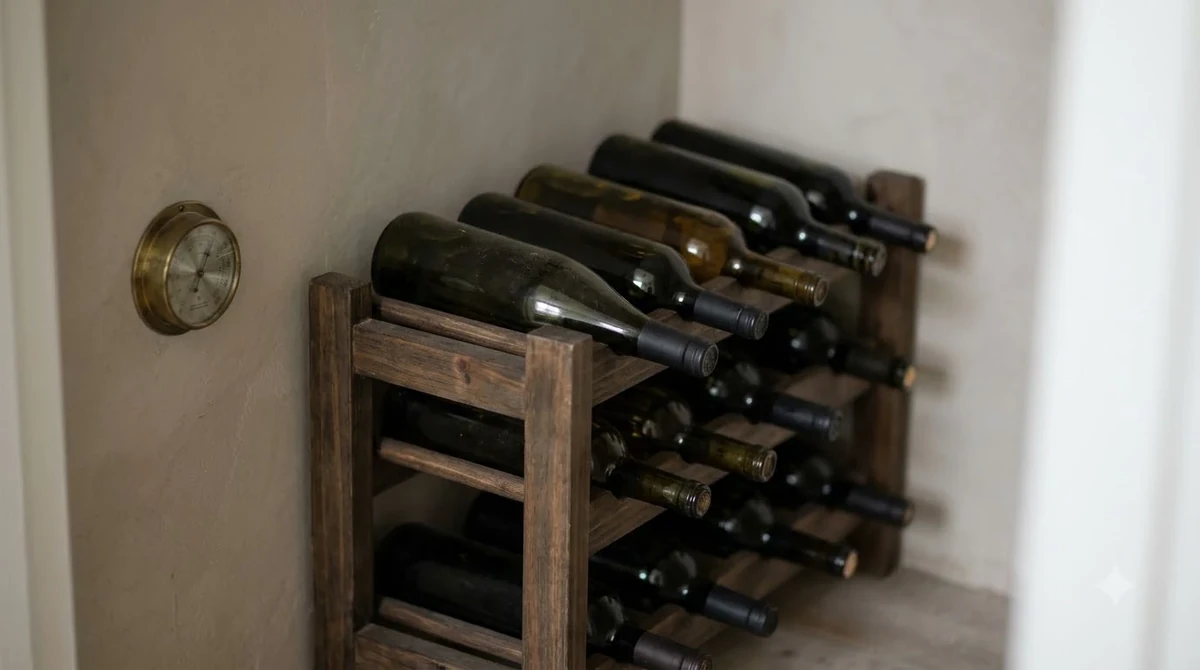
Keep unopened bottles in a cool, dark location with a relatively stable temperature. A storage temperature near 55 degrees Fahrenheit is a useful target for general wine storage. Avoid placing bottles near ovens, radiators, sunny windows, or other sources of heat.
Bottles with traditional cork closures are generally best stored horizontally so the wine remains in contact with the cork. This helps prevent the cork from drying out. Screw-cap bottles do not require horizontal storage for this reason, although keeping them in a stable position can make organization easier.
Temperature fluctuations are particularly undesirable. A wine cabinet or consistently cool storage area is preferable to a kitchen shelf that becomes warm during cooking. Strong light exposure should also be minimized, especially for sparkling and lighter-colored wines.
Serve Each Style at the Appropriate Temperature
Serving temperature affects the perception of fruit, acidity, tannin, and alcohol. A wine served too warm may seem heavier, while one served too cold can conceal its aromas and flavor details.
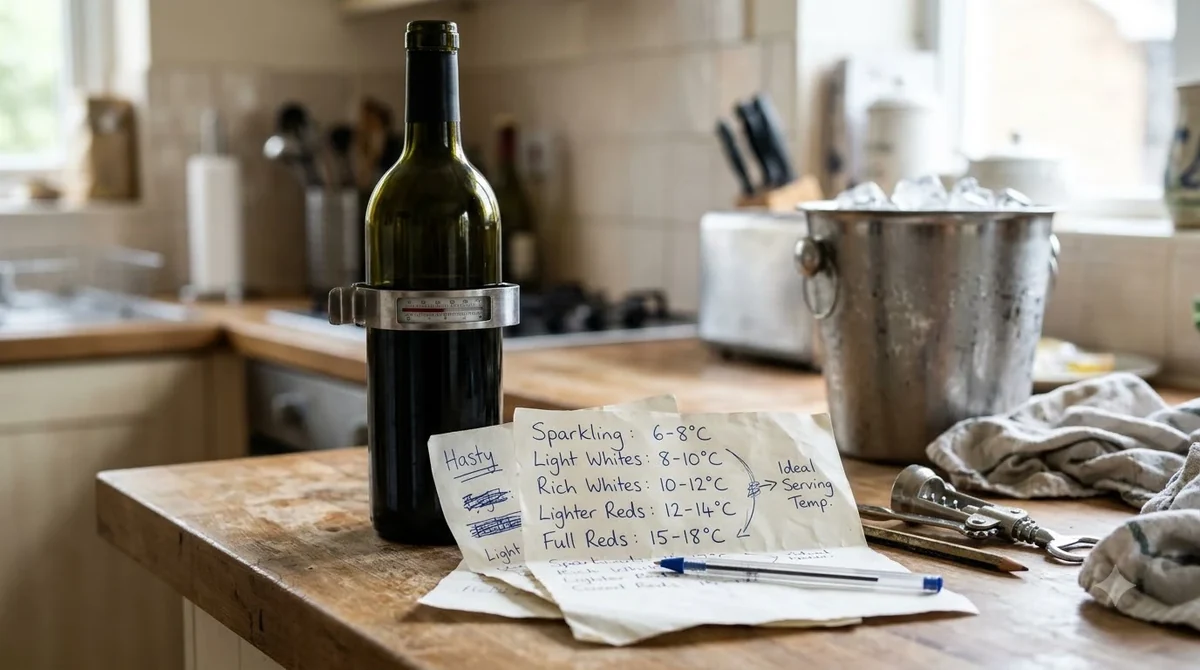
- Sparkling wines: 40 to 50 degrees Fahrenheit.
- Light whites and rosé: 45 to 50 degrees Fahrenheit.
- Full-bodied whites: 50 to 55 degrees Fahrenheit.
- Light reds: 55 to 60 degrees Fahrenheit.
- Full-bodied reds: 60 to 65 degrees Fahrenheit.
- Sweet whites: 43 to 50 degrees Fahrenheit.
For example, a Cabernet Sauvignon generally benefits from being served slightly cooler than a typical warm room. Chardonnay, meanwhile, should not be served so cold that its aromas and texture become difficult to appreciate.
Preserve Opened Wine
After opening a bottle, reseal it promptly and place it in the refrigerator. This applies to both red and white wines. Chilling slows the oxidation process and helps preserve the wine for its remaining drinking window.
As a general guideline, opened still wines last around three to five days in the refrigerator, while sparkling wines usually retain their best qualities for approximately one to three days when properly sealed with an appropriate sparkling-wine stopper.
Fortified wines can last several weeks after opening, depending on their style and storage conditions. Bag-in-box wine typically has a longer post-opening window, often around four to six weeks.
Full-bodied young red wines may benefit from decanting for approximately 30 to 60 minutes before serving. This allows the wine to interact with oxygen and can help soften its initial impression. Lighter Pinot Noir generally requires less aggressive aeration than a structured Cabernet Sauvignon.
These simple practices help protect the value of a wine purchase. Buying a bottle that suits the occasion is only part of the decision; storing and serving it correctly helps ensure that the wine remains enjoyable after opening.
Frequently Asked Questions
Is Josh Cellars considered a California wine brand?
Many of the brand’s familiar wines are identified with California, including its standard Cabernet Sauvignon and Chardonnay. However, the broader assortment also includes wines associated with other origins, such as Italian Prosecco and selected Oregon Pinot Noir listings. Always distinguish the brand’s overall identity from the specific origin of an individual bottle.
Does Josh Cellars make wines with lower alcohol content?
The portfolio includes a non-alcoholic sparkling selection alongside traditional wines. This is a separate product category rather than simply a lighter version of standard sparkling wine. Shoppers interested in avoiding alcohol should distinguish non-alcoholic products from conventional Prosecco and sparkling selections.
Is Josh Cellars Prosecco made in the same way as Champagne?
No. Prosecco is typically made using the tank method, with its secondary fermentation taking place in a pressurized tank. Champagne and traditional-method Cava undergo their second fermentation in the bottle. These production differences contribute to distinct textures and flavor profiles.
How many servings can you get from a Josh Cellars bottle?
A standard 750 ml bottle provides approximately five servings when poured in 5-ounce portions. A 1.5-liter magnum provides approximately ten equivalent servings. Actual servings depend on glass size and pouring habits, so a larger gathering may require additional bottles.
Can Josh Cellars wines be used for cooking?
Many standard dry wines can be used in cooking, provided their flavors suit the recipe. Cabernet Sauvignon can work in beef-based sauces, while Chardonnay is useful in certain cream sauces and chicken dishes. Sauvignon Blanc can contribute acidity to seafood preparations, but avoid using a wine with noticeable spoilage or unpleasant oxidation.
Josh Cellars offers several ways to shop, from familiar standard Cabernet Sauvignon and Chardonnay to Reserve regional wines, rosé, and Prosecco. The best buying decision comes from comparing the exact bottle, collection, size, and retailer conditions rather than judging the brand by a single listing. Start with the style you enjoy, compare equivalent products, and choose the bottle that provides the best combination of quality, suitability, and value for your occasion.
More in Wine Brands
 Underwood Wine Price: Compare Bottles, Cans, and Pack SizesUpdated Nov 21, 2026
 Zenato Wine Price: Compare Styles and Choose the Right BottleUpdated Nov 21, 2026
 Zuccardi Wine Price: Compare Bottles and Find the Right RangeUpdated Nov 21, 2026
 Yellow Tail Moscato Review: Taste, Sweetness and Serving TipsUpdated Nov 21, 2026
 Wolf Blass Yellow Label Review: Choose Your Best StyleUpdated Nov 21, 2026
 Wolffer Estate Rose Review: Choose the Right Bottle for Your TableUpdated Nov 21, 2026