

We may earn a commission when you buy through links on this page, at no extra cost to you. Learn more.
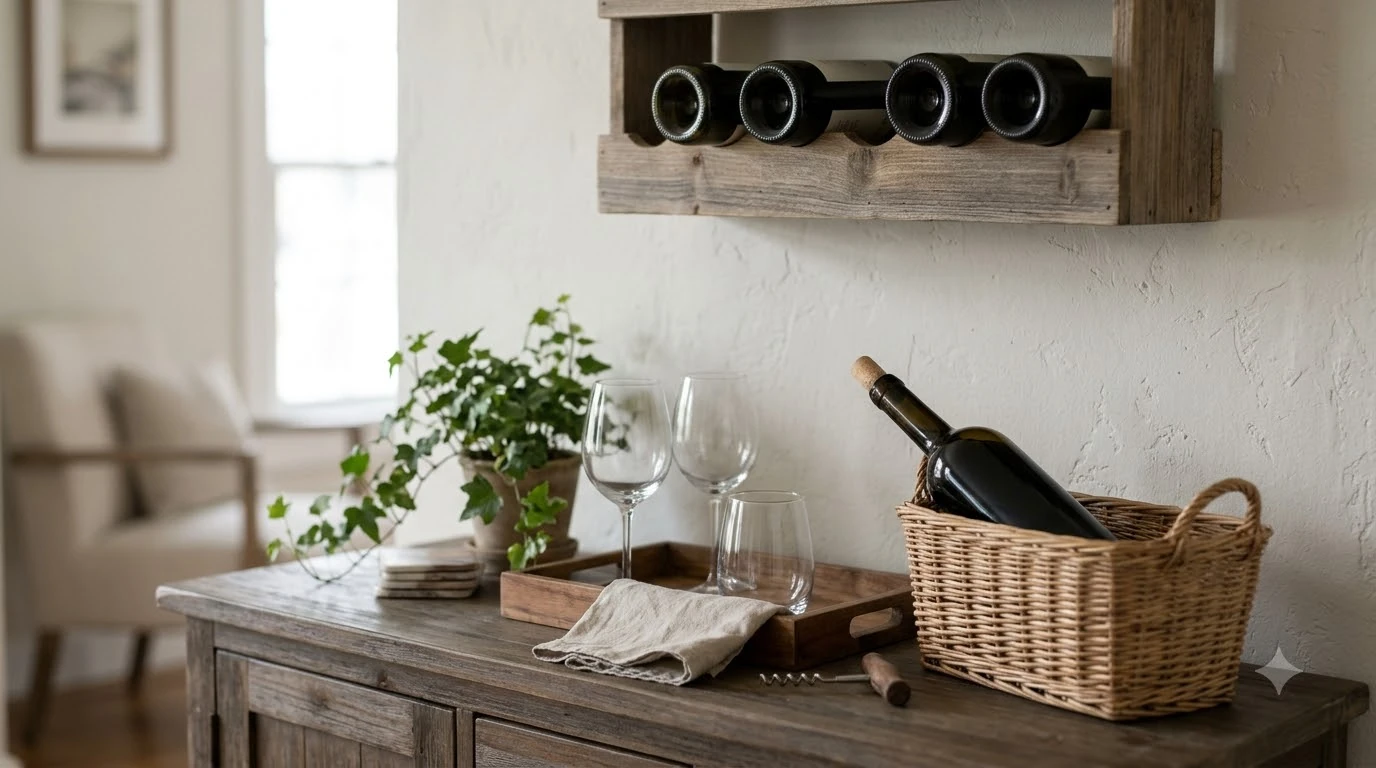
The best wine bar cabinet is one that combines secure bottle storage, convenient glassware organization, a practical serving surface and a design that fits your room. For most homes, a sideboard-style cabinet with adjustable shelves, enclosed storage and dedicated wine racks offers the best balance of appearance and everyday usefulness. If you keep bottles for extended aging, choose a model with a properly ventilated wine refrigerator or pair your furniture cabinet with a separate temperature-controlled wine storage unit.
A wine bar cabinet can turn an unused dining room wall, living room corner or kitchen area into a convenient place to organize wine and prepare drinks. Unlike an open rack, it can conceal bottles, protect glassware from dust and provide drawers for corkscrews, stoppers and other accessories. The challenge is finding furniture that works for your actual collection rather than buying a decorative cabinet that looks impressive but offers little usable storage.
This roundup compares five useful types of wine bar cabinets, from compact furniture for apartments to larger entertaining stations and temperature-controlled storage combinations. Each category serves a different purpose, so the right choice depends on how many bottles you keep, whether you entertain regularly and how much attention your collection needs.
Quick Comparison of the Best Wine Bar Cabinet Types
The best starting point is to match cabinet construction with your intended use. A compact enclosed cabinet works for a small collection, while a larger sideboard or refrigerated combination makes more sense when you regularly serve wine and need dedicated storage for glassware.
| Cabinet type | Best for | Typical dimensions or capacity | Main advantage | Limitation |
|---|---|---|---|---|
| Compact wine bar cabinet | Apartments and small rooms | 16–20 inches deep | Uses limited floor space | Restricted bottle capacity |
| Sideboard wine cabinet | Dining rooms and entertaining | 30–36 inches tall | Wide serving surface | Requires wall space |
| Glass-display wine cabinet | Decorative bottle collections | Varies by design | Visible bottle and glass storage | Needs attention to light exposure |
| Wine cabinet with refrigerator | Temperature-controlled storage | Varies by appliance | Dedicated cooling | Requires power and ventilation |
| Large home bar cabinet | Frequent entertaining | 60–72 inches tall for many tall designs | Multiple storage zones | Needs substantial floor space |
These measurements are planning references rather than universal furniture standards. For example, HOMSEE’s bar cabinet buying guide describes common home bar furniture depths of 16–20 inches and sideboard heights of 30–36 inches. Actual capacity depends on the shape of the shelves, bottle orientation and room left for glassware.
Best for Small Apartments: Compact Enclosed Wine Bar Cabinets
A compact wine bar cabinet is the strongest choice for apartments, smaller dining rooms and homes where a full-size entertaining station would overwhelm the available space. Look for a shallow cabinet with enclosed bottle storage, at least one adjustable shelf and a top surface that can accommodate a few serving accessories.
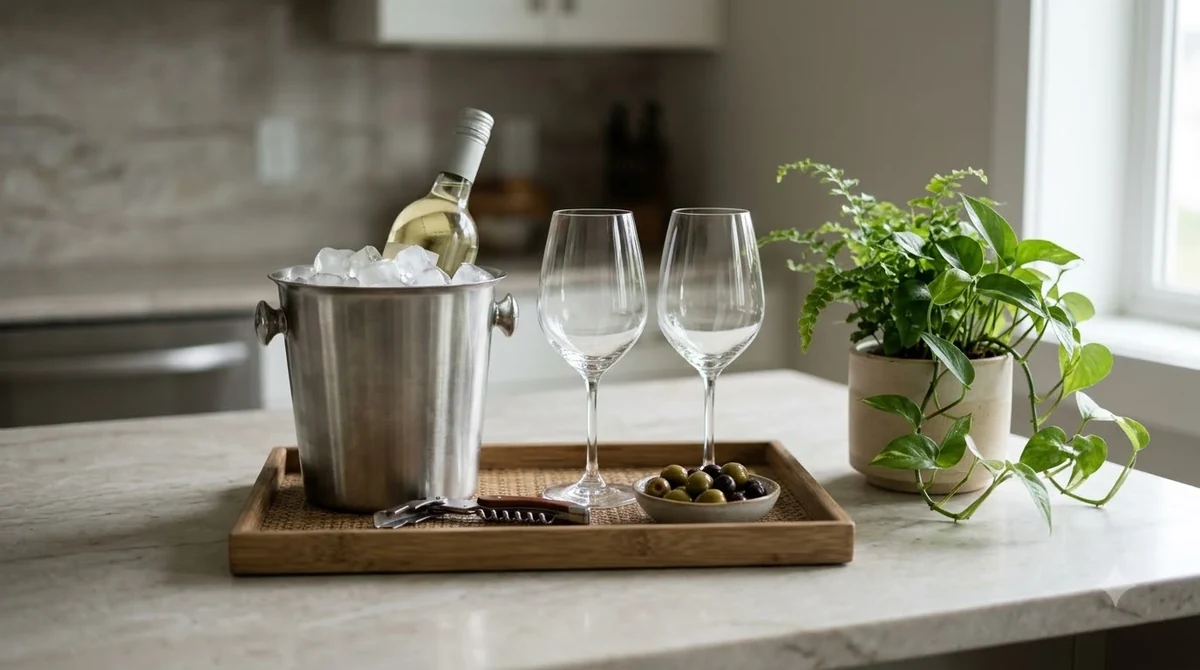
A useful starting dimension is 16–20 inches of depth, the typical range described in HOMSEE’s furniture buying guide. Measure the available wall space before choosing a width, and leave enough clearance for doors, drawers and comfortable movement around the furniture. A cabinet that fits tightly between two walls may become frustrating if its doors cannot open completely.
For a smaller wine collection, prioritize practical bottle organization over decorative extras. A dedicated horizontal rack can hold bottles securely, while a separate adjustable shelf provides room for wine glasses, tumblers and a decanter. Drawers are especially useful for small items that otherwise disappear behind bottles.
Look for a design that separates everyday supplies from the wine itself. Corkscrews, foil cutters, bottle stoppers, cocktail napkins and coasters can occupy a shallow drawer, leaving the main cabinet shelves available for bottles. This arrangement also reduces the chance of knocking glassware over while searching for a small accessory.
What to check before buying
- Interior depth: Confirm that the rack accommodates the bottle formats you regularly purchase.
- Shelf spacing: Allow approximately 13 inches of vertical clearance when storing typical 750 ml bottles upright.
- Door movement: Check that handles and open doors will not obstruct a nearby table or walkway.
- Stability: Prefer a cabinet with a solid base and suitable wall-anchoring hardware when supplied or required.
Compact furniture can also work as an alternative to an open bar cart when you prefer bottles and glassware to remain behind doors. A cart offers mobility, but a stationary cabinet generally provides more opportunities for enclosed storage and organized drawers.
Do not assume that a small decorative cabinet will preserve wine for years. Furniture without active temperature control does not maintain cellar conditions. For bottles intended for extended aging, use a suitable wine storage appliance or another properly controlled storage environment.
Best fit: Apartment owners, casual wine drinkers and households that want an organized drink station without dedicating an entire wall to bar furniture.
Best for Dining Rooms: Sideboard Wine Bar Cabinets
A sideboard-style wine bar cabinet is a strong all-around option for households that entertain regularly. Its wide top provides room for serving bottles and preparing drinks, while the lower storage area can accommodate wine racks, stemware, linens and accessories.
Sideboard-style bar cabinets commonly measure 30–36 inches tall, according to HOMSEE’s buying guide. This height works well beside many dining tables because the top is convenient for placing serving trays, decanters and glasses without requiring a separate bar counter.
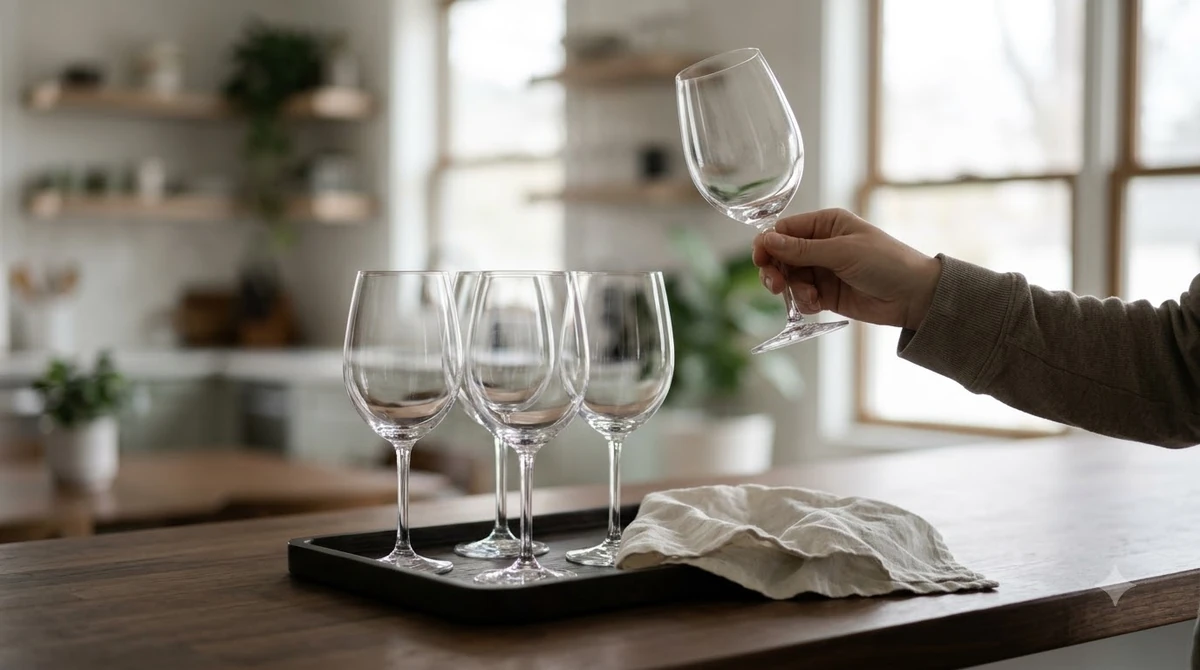
Capacity is more important than the external appearance. A long sideboard may have impressive dimensions but still offer little bottle storage if its interior is divided into oversized cupboards. Check the actual number of bottle positions, the width of each shelf and whether the wine section is separate from the general storage compartment.
A useful configuration includes three distinct areas. The first holds bottles horizontally, the second stores stemware and tumblers, and the third contains serving equipment. This division makes it easier to prepare a table without moving bottles from one shelf to another.
Features that make a sideboard more useful
Adjustable shelving is especially valuable because wine bottles are not all identical. A standard Bordeaux bottle, a broader Burgundy bottle and a Champagne bottle can have different dimensions. Fixed compartments designed around one bottle shape may reduce the number of bottles that actually fit.
Consider the surface material as well. Wood, veneer, laminate and stone-look finishes each have different maintenance requirements. A smooth, sealed top is generally easier to wipe after a spill than an unfinished porous surface. Look for an edge that helps prevent glasses from sliding off when the serving area is busy.
Storage doors should open smoothly without striking adjacent dining chairs. Soft-close hinges can improve everyday use, while drawers with full-extension slides make it easier to retrieve smaller tools. These features are more useful than decorative lighting that cannot be switched off independently.
If your dining room already has a sideboard, compare its available storage with the dimensions of a dedicated best bar cart option before purchasing another large piece of furniture. A cart may handle serving duties while an existing sideboard keeps the bottles and glassware organized.
Best fit: People who host dinner parties, serve wine frequently and want a furniture piece that functions as both a storage cabinet and a serving station.
Best for Display: Glass-Front Wine Bar Cabinets
A glass-front wine bar cabinet is ideal for homeowners who want their bottles and glassware to become part of the room’s appearance. The transparent doors make it easier to see the collection, while internal lighting can create an attractive display without requiring open shelving.
The main decision is how much visibility you actually want. Clear glass shows labels and bottle shapes, while tinted or textured glass provides a more subdued appearance. Solid doors conceal clutter and reduce exposure to light, making them a sensible alternative for households that prefer a quieter furniture design.
Wine protection deserves particular attention when choosing a display cabinet. Vintec identifies UV-resistant tinted glass, dark interiors and UV-free LED lighting among the features used to protect wine in dedicated storage appliances. Fisher & Paykel similarly describes UV-tempered glass doors and dimmed LED lighting in its wine cabinet documentation.
These appliance features should not be confused with ordinary decorative glass. A glass-front furniture cabinet may look similar to a wine refrigerator, but its door does not necessarily filter UV radiation or insulate the interior. Display furniture is primarily an organizational and decorative solution unless its manufacturer specifies additional protective features.
Lighting and shelf design
LED lighting is preferable to lighting that generates considerable heat near stored bottles. Warm white lighting around 2700–3000K is a common furniture-design choice for a comfortable evening appearance. Ideally, the lights should be independently switched so that they do not need to remain on throughout the day.
Pay attention to shelf construction as well. Glass shelves can create a lighter visual appearance, but their load limits matter. Wooden shelves may provide a more substantial appearance and a stable resting surface. Whichever material you choose, confirm the manufacturer’s stated weight capacity rather than estimating how many bottles it can support.
Stemware racks are another useful feature. HOMSEE’s guide estimates that four rows can accommodate approximately 12–16 stems, depending on the design. Check the available clearance for different glass shapes because large Bordeaux bowls and tall sparkling wine glasses may not fit every hanging rack.
Keep display bottles away from direct sunlight and heat sources. If you want to preserve valuable wine for extended periods, use dedicated temperature-controlled storage rather than relying on a decorative glass cabinet.
Best fit: Homeowners who want an attractive display for bottles, glassware and serving accessories, particularly in a dining room or living area away from direct sunlight.
Best for Wine Preservation: Cabinets with Integrated Wine Refrigerators
A wine bar cabinet with an integrated wine refrigerator is the most practical choice when appearance and controlled bottle storage both matter. It combines furniture-style organization with an appliance designed to maintain a suitable environment for wine.
The first distinction to understand is the difference between a furniture cabinet and a temperature-controlled wine cabinet. Ordinary furniture stores bottles and accessories, but it does not actively regulate temperature or humidity. A dedicated wine refrigerator provides temperature management, and more specialized wine storage cabinets can add UV protection, humidity management and vibration reduction.
According to Vintec, typical wine-storage temperatures are approximately 12–14°C, while Fisher & Paykel describes a steady 11–13°C as suitable for wine maturation. These ranges are close enough to illustrate the importance of consistent, cool storage rather than frequent temperature changes.
When comparing appliances, examine the usable bottle capacity rather than relying entirely on the advertised maximum. Capacity estimates may assume standard Bordeaux-shaped bottles, while Champagne and Burgundy bottles can require more space. Sliding shelves also affect how many bottles can be stored at once.
Single-zone or dual-zone storage?
A single-zone appliance is a straightforward option for people who primarily want one stable storage temperature. It works particularly well when the collection consists mainly of wines intended for longer storage rather than immediate serving.
A dual-zone unit offers more flexibility when the collection includes different wine styles. One compartment can hold bottles at a storage setting while another provides temperatures more suitable for wines approaching serving time. The exact temperature ranges depend on the appliance, so compare the manufacturer’s operating specifications before choosing.
Serving temperatures are different from long-term storage temperatures. For reference, sparkling wines are generally served at 40–50°F, light whites and rosé at 45–50°F, full-bodied whites at 50–55°F, light reds at 55–60°F and full-bodied reds at 60–65°F.
A wine cabinet with two temperature zones can reduce the amount of last-minute chilling required, but it does not mean every bottle should be stored at its eventual serving temperature. For most collections, consistent storage conditions matter more than constantly adjusting temperatures to match individual bottles.
Tip: Before buying an integrated wine refrigerator, read its installation instructions and confirm the required ventilation clearances. Fisher & Paykel specifically warns that ventilation openings in the appliance enclosure or surrounding built-in structure must remain unobstructed. Never build a refrigerator into a tight furniture compartment without confirming that the appliance is designed for that installation.
Noise, vibration and ventilation
A refrigerator compressor can produce noise and movement, making appliance placement important. Vintec identifies vibration-absorbing shelf rails and wooden shelves as features that help reduce movement around stored bottles. A low-noise compressor and suitable installation surface are also useful considerations.
Check where the cooling equipment releases heat. Some refrigerators are designed for freestanding installation, while others are suitable for built-in or undercounter arrangements. These categories are not interchangeable. A freestanding appliance placed inside an enclosed furniture cabinet may overheat if its required air circulation is restricted.
For additional technical background, consult Vintec’s wine cabinet buying guide, which explains its five wine-storage considerations, including temperature stability, humidity, light, vibration and airflow.
Best fit: Collectors and regular wine drinkers who want a coordinated furniture appearance without giving up dedicated temperature-controlled storage.
Best for Frequent Entertaining: Large Home Bar Cabinets
A large home bar cabinet makes sense when wine is only one part of your entertaining setup. These units can combine wine racks, spirit shelves, glass holders, drawers and a wide preparation surface, giving everything a designated place.
Tall bar cabinets commonly reach approximately 60–72 inches, according to the dimensions discussed in HOMSEE’s buying guide. Their greater height allows separate storage zones, but it also means you should check ceiling clearance, door movement and the available wall width before ordering.
The strongest layouts separate bottles by their intended use. Everyday wine can occupy an accessible lower rack, while additional bottles sit on deeper shelves. Spirits can have their own upright compartments, and glassware can hang beneath an upper shelf or occupy a dedicated cupboard.
Organizing a larger cabinet
Start by counting the items you want to store. For example, a collection of 18 wine bottles, 8 spirit bottles, 12 wine glasses and a set of 6 cocktail tumblers needs a different layout from a cabinet intended mainly for decorative bottles.
Allow space for oversized glassware and serving equipment. A decanter can require considerably more shelf height than an ordinary drinking glass, while a cocktail shaker and mixing tools need enough drawer space to avoid crowding. Removable dividers are helpful because the arrangement can change as your collection grows.
Look at the position of the serving surface relative to the storage areas. A top that is too narrow can become crowded with a decanter, two bottles and several glasses. A wider surface is useful when preparing drinks for guests, but it should not come at the expense of adequate bottle support inside the cabinet.
Cabinet stability becomes especially important with taller furniture. Check the assembly instructions, weight limits and recommended anchoring method. Place heavier bottles on lower shelves where practical, and avoid concentrating a large collection on a single unsupported shelf.
For smaller entertaining areas, compare a large cabinet with a simpler cheap bar cart alternative. A cart is easier to move and can be useful for serving, although it generally offers less enclosed storage and less protection from dust.
Consider electrical requirements if the furniture includes integrated lighting, charging outlets or a wine refrigerator. Keep cables accessible, avoid overloaded outlets and ensure that any refrigeration appliance receives the ventilation specified by its manufacturer.
Best fit: Households that host regularly, keep several types of drinks and want one organized location for bottles, glassware, tools and serving supplies.
How to Choose the Right Wine Bar Cabinet
The best purchasing decision comes from measuring the room, identifying the storage requirements and deciding whether the furniture needs to preserve wine or simply organize it. Work through the following steps before comparing finishes and decorative details.
-
Count your bottles.
Start with the collection you currently own rather than the maximum capacity advertised by a retailer. If you have 12 bottles today but expect to keep 24, choose a cabinet that accommodates that growth without forcing bottles into unsuitable positions. -
Measure the installation area.
Record the available width, depth and height. A 16–20-inch-deep cabinet is a useful starting point for many home bar layouts, but the final measurement must include door movement, handles and nearby furniture. -
Choose the storage arrangement.
Decide whether you need horizontal wine racks, upright spirit shelves, stemware holders, drawers or adjustable compartments. A cabinet with dedicated spaces for each category is usually easier to maintain than one large cupboard. -
Decide whether cooling is necessary.
For bottles intended for immediate consumption, ordinary furniture can be sufficient if the room provides suitable storage conditions. For longer-term collection storage, consider a dedicated wine refrigerator with appropriate temperature management. -
Check bottle compatibility.
Look beyond the stated capacity. Measure the depth and spacing of the racks, and account for Champagne, Burgundy and other wider bottle formats if they form part of your collection. -
Compare materials and finishes.
Consider solid wood, veneer, engineered wood and metal construction. A sealed surface that can be wiped clean is useful near a serving area, while sturdy shelves and reliable hinges matter for everyday use. -
Review installation and maintenance.
Check assembly requirements, wall anchoring, electrical access and ventilation. If a refrigerator is included, follow its specific clearance and servicing instructions.
Materials and construction to compare
Solid wood offers a substantial appearance and can be refinished depending on its finish and construction. Veneered furniture can provide a similar visual effect while using an engineered substrate. Metal accents and frames may suit modern interiors, while glass doors can make a cabinet feel less visually heavy.
There is no single material that makes a cabinet suitable for wine aging. Temperature stability, light protection and humidity management are separate storage considerations. A beautiful wooden cabinet can organize a collection, but its construction alone does not create a controlled wine-storage environment.
Useful accessories to include
A well-organized wine bar benefits from a few basic accessories. A dependable corkscrew, foil cutter, wine stopper, drip ring and bottle opener cover many everyday serving tasks. A decanter and a set of suitable wine glasses are helpful additions for households that regularly serve different styles.
Keep wine glasses in a dedicated compartment or hanging rack. Clean glasses should be stored away from strong household odors, and shelves should provide enough room to remove them without knocking adjacent stems together.
For more equipment ideas, browse the Accessories Library and compare the tools that match your serving habits. Prioritize accessories that solve an actual storage or serving problem rather than filling every available shelf with decorative items.
Frequently Asked Questions
How many wine glasses should a wine bar cabinet hold?
A useful starting point for a household entertaining cabinet is 8–12 wine glasses, with additional space for tumblers and sparkling wine glasses if needed. The actual number depends on bowl diameter, stem length and whether glasses hang upside down or stand on a shelf. A rack designed for standard white wine glasses may not accommodate larger Burgundy bowls.
Can a wine bar cabinet store opened wine bottles?
Yes, provided the cabinet offers a suitable place to keep opened bottles upright and away from heat and direct sunlight. Re-cork or stopper the bottle and refrigerate opened still wines when appropriate. Typical opened-wine storage is approximately 3–5 days for still wines and 1–3 days for sparkling wines, depending on the wine and closure.
Should wine bottles be stored horizontally in a furniture cabinet?
Horizontal storage is a traditional choice for bottles sealed with natural cork because it keeps the wine in contact with the closure. However, bottles with screw caps do not require cork contact. The important practical consideration is that the rack supports the bottle securely and does not allow it to roll or fall when the cabinet door opens.
Can a wine bar cabinet accommodate magnum bottles?
Some cabinets can accommodate magnums, but standard wine racks are not automatically suitable for larger formats. A 1.5-liter magnum is twice the volume of a standard 750 ml bottle and can require additional length and diameter clearance. Removable dividers and adjustable shelves make it easier to accommodate these bottles without wasting an entire compartment.
Does a wine bar cabinet need a dedicated electrical outlet?
A traditional furniture cabinet does not need electricity unless it includes powered lighting or another electrical feature. A wine refrigerator requires an appropriate electrical connection, and its installation instructions may specify a dedicated outlet or other electrical requirements. Avoid extension arrangements that conflict with the appliance manufacturer’s instructions.
The best wine bar cabinet should make your collection easier to organize, your glassware easier to reach and your entertaining area more functional. For most households, a sideboard-style cabinet offers the best balance of storage and serving space, while compact furniture suits smaller rooms and refrigerated combinations suit collections that need more consistent storage conditions. Measure carefully, compare the actual interior layout and choose a cabinet that matches the way you enjoy wine.
More in Wine Accessories
 Coravin Vs Vacu Vin: Choose the Right Wine Saver for Your BottlesUpdated Nov 21, 2026
 Zwilling Wine Stopper Review: Preserve Open Bottles LongerUpdated Nov 21, 2026
 Wine Enthusiast Wine Preserver Review: Features, Benefits and LimitationsUpdated Nov 21, 2026
 Wine Enthusiast Wine Stopper: An Easier Way to Reseal Open BottlesUpdated Nov 21, 2026
 Vintorio Wine Opener: Two-Step Cork RemovalUpdated Nov 21, 2026
 Zwilling Wine Aerator Review: Aerate, Pour, and Seal With One ToolUpdated Nov 21, 2026