

We may earn a commission when you buy through links on this page, at no extra cost to you. Learn more.
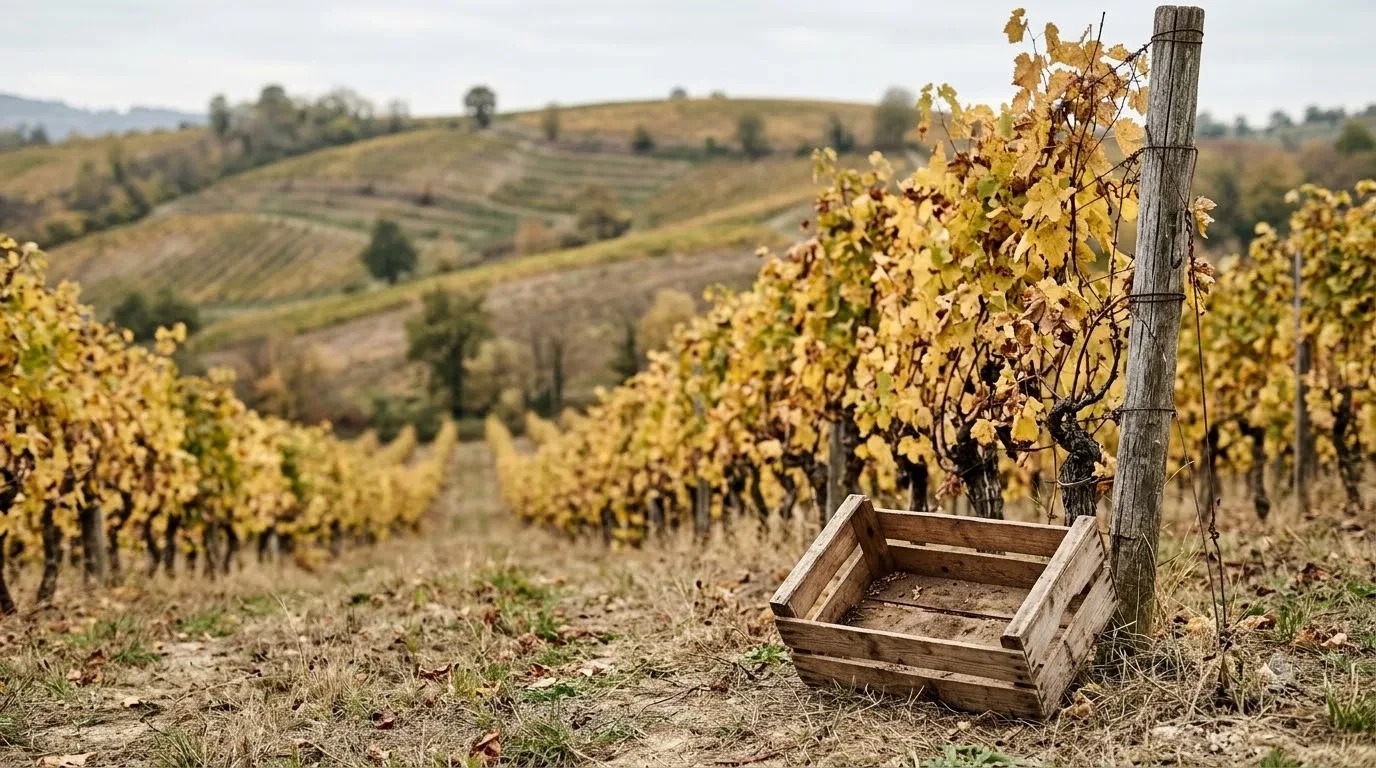
Leelanau vineyards sit on a peninsula that reaches into Lake Michigan from the western side of Michigan’s Lower Peninsula, and the Leelanau Peninsula AVA is recognized as one of the state’s best wine regions. The peninsula runs about 30 miles and forms the western shore of Grand Traverse Bay, with Traverse City at its base. This guide covers where the vineyards are, how the lake shapes the climate, what grapes and styles to expect, and how to plan a visit.
Many visitors come to Michigan’s northwest for the beaches and the orchards, and the wine often becomes the surprise. The peninsula’s vineyards sit between open water and farmland, and that mix gives the region a distinct identity. The sections below explain the geography, the climate, the local farming, and the practical steps for a visit.
Where the Leelanau Peninsula Sits
The Leelanau Peninsula extends about 30 miles from the western side of Michigan’s Lower Peninsula into Lake Michigan. Its base is roughly 20 miles wide, and it forms the western shore of Grand Traverse Bay. Traverse City, the largest city in Northern Michigan, sits at the peninsula’s base on the east side, which makes it a practical gateway for visitors who fly in or drive up from the south.
The peninsula’s towns are spread along the shoreline and inland roads. Suttons Bay, Northport, Leland, Glen Arbor, and Empire are among the places visitors will recognize. Each has its own feel, and planning a route by town rather than by winery name often makes the day easier.
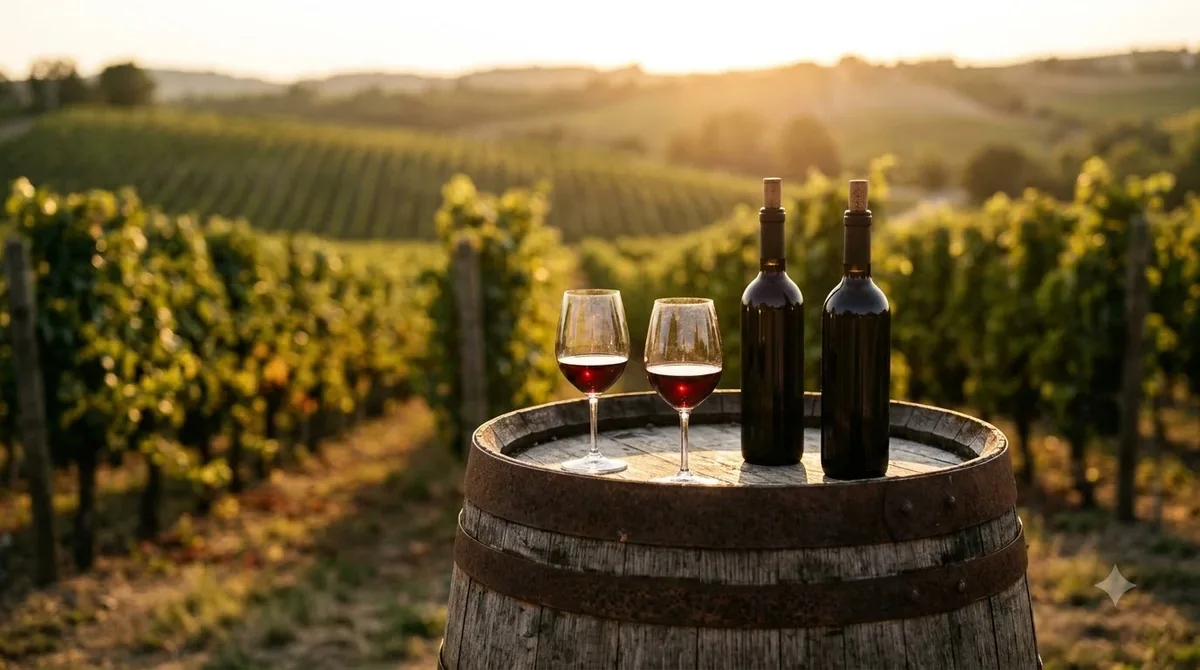
Because the peninsula is long and narrow, a single day can cover a lot of ground. Driving the full length takes time, so many visitors pick one half of the peninsula and build a loop around it. That approach keeps tasting stops close together and leaves room for a lakefront break between visits.
How Lake Michigan Shapes the Vines
The lake is the defining feature of the region. According to the Wikipedia article on the Leelanau Peninsula, the area sits at about the 45th parallel, and its climate is moderated by Lake Michigan and Grand Traverse Bay. The result is a humid continental climate with mild summers and severe winters, which is a challenge for vines but suits a range of cool-climate varieties.
Water’s influence on temperature is one reason growers choose their sites carefully. Land near large bodies of water can stay cooler in spring and warmer in fall than inland ground, which affects bud timing and ripening. Growers balance those effects against frost risk, so site selection matters as much as the wine style. That is why it helps to ask producers where their vineyards sit and how far they are from the water.
The lake also shapes the wider agricultural calendar. Harvest timing, fruit bloom, and the weather around both can shift from one year to the next, so a vintage that looks strong on paper may still vary from one estate to another.
Grapes and Wine Styles to Expect
Leelanau’s growers focus on cool-climate grapes, and the exact mix changes from one estate to the next. Pinot noir is a useful reference point for what cool-climate reds can offer. According to the Wine Folly Pinot noir guide, the grape favors intermediate climates with long, cool growing seasons and often grows in protected valleys or near large bodies of water. The same guide describes a wine with red fruit, earthy notes, low tannin, and high acidity, which matches the style many cool-climate producers aim for.
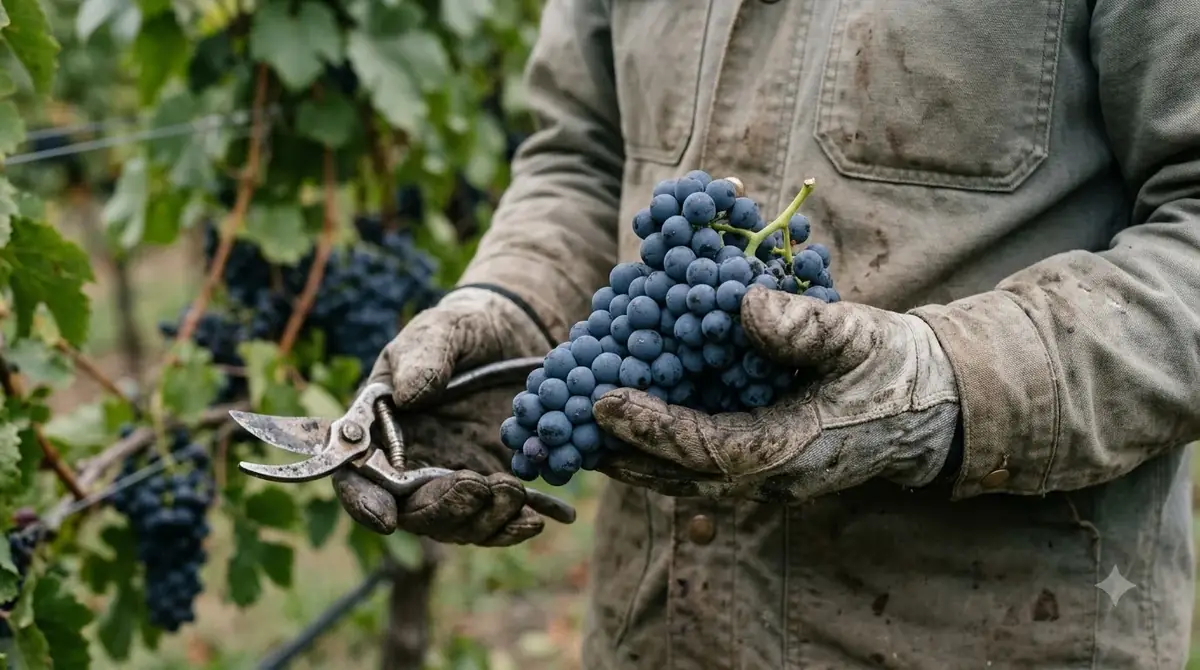
Expect a range of whites and reds, and expect that some wineries will specialize in certain styles. The best way to understand a producer is to taste across their lineup, ask which vineyards each wine comes from, and compare a cooler-site wine with one from a warmer block. Those comparisons teach you more than a single bottle can.
| Area or factor | What to know | Why it matters for visitors |
|---|---|---|
| Leelanau Peninsula AVA | Designated American Viticultural Area | Labels may reference the appellation |
| Peninsula length | About 30 miles from the Lower Peninsula | Plan a loop rather than the full length |
| Base city | Traverse City, largest in Northern Michigan | Practical starting point and lodging hub |
| Lake influence | Lake Michigan and Grand Traverse Bay | Moderates temperatures and shapes site choice |
Tip: Ask tasting room staff whether a wine comes from estate fruit or sourced grapes. Both can be good, but the answer tells you how much of the character comes from the peninsula itself.
Cherries, Fruit, and the Working Landscape
The peninsula is largely agricultural, and it is known for cherries and apples as well as wine. Orchards and vineyards often sit side by side, and many farms sell fruit, jams, and baked goods alongside their bottles. The Wikipedia article notes that apple and cherry production thrive there, which is part of what gives the area its rural, working feel.
That mix makes a visit more varied. A morning at an orchard can be followed by an afternoon tasting, and the fruit on the table often reflects the same seasons as the vineyards. If you are visiting in late summer, expect cherry season and fresh produce stands, and check whether farms accept walk-ins or require reservations.
Planning a Visit to the Leelanau Vineyards
Start with the season. Late spring through early fall is the most comfortable time to visit, with vineyards in leaf and outdoor patios open. Summer brings crowds to the main towns, so choose early weekday visits if you want quieter tasting rooms. Winter visits are possible, but many producers reduce their hours, so check posted schedules first.
Choose a base. Traverse City gives you the widest range of lodging and restaurants, while smaller towns on the peninsula offer a quieter stay closer to the vineyards. Build your route around two or three towns rather than trying to cover the whole peninsula in one day. Reserve a table for lunch or dinner, since popular spots can fill quickly in peak season. Many visitors also add a lakefront stop or a short hike between tastings, which breaks up the drive and keeps the pace relaxed. Bring a cooler for any bottles or fruit you buy, especially on warm days, so your purchases arrive home in good shape.
For the full regional overview, the Wikipedia article on the Leelanau Peninsula covers the geography, towns, and agricultural history in more detail than a single visit can show.
If you are comparing Leelanau with other American wine regions, the Santa Ynez Valley vineyards guide shows a very different coastal climate and grape mix, and the New Mexico vineyards guide covers a high-elevation desert region. Setting them side by side helps explain why the lake shapes Leelanau so strongly.
Frequently Asked Questions
Where are the Leelanau vineyards?
The vineyards are on the Leelanau Peninsula, which extends into Lake Michigan from the western side of Michigan’s Lower Peninsula. Traverse City sits at the peninsula’s base on the east side.
Is the Leelanau Peninsula a wine region?
Yes. The Leelanau Peninsula AVA is a designated American Viticultural Area, and it is described as one of the best wine regions in Michigan.
What grapes grow in Leelanau?
Growers focus on cool-climate varieties, and the exact mix differs from estate to estate. Pinot noir is a useful reference for the style of cool-climate reds, and producers often offer a range of whites and reds.
Why is Lake Michigan important to Leelanau wine?
The lake moderates temperatures on the peninsula, which affects bud timing, ripening, and frost risk. Growers choose vineyard sites carefully to balance those effects.
Leelanau rewards a slow pace. Pick one half of the peninsula, plan two or three stops, and leave time for the lake and the orchards. For a broader view of how regions shape grapes and style, return to the wine regions guide and compare what you find here with other growing areas.
More in Wine Regions
 Willcox Wine Trail: Discover Arizona’s High-Elevation Wine CountryUpdated Nov 20, 2026
 Yakima Valley Wine Region: Find the Best Styles to TryUpdated Nov 20, 2026
 Vosne Romanee Wine Tasting: Identify Aromas and Choose Better PairingsUpdated Nov 20, 2026
 Yakima Valley Wine Festival: Find the Best Seasonal Wine EventsUpdated Nov 20, 2026
 Wales Vineyards: Discover Cool-Climate Wines and Where to VisitUpdated Nov 20, 2026
 Yountville Wine Festival: Discover Napa Wines and Local FoodUpdated Nov 20, 2026