


We may earn a commission when you buy through links on this page, at no extra cost to you. Learn more.
Cheap red wine can offer excellent everyday drinking when you choose the right grape variety, region, and style for your preferences. Look beyond famous appellations and expensive packaging for approachable bottles from Spain, Portugal, Chile, Argentina, Italy, and California. Cabernet Sauvignon, Merlot, Garnacha, Tempranillo, Malbec, and Zinfandel are useful starting points, whether you prefer soft fruit, bold flavors, or balanced acidity.
Buying affordable wine does not mean settling for something unpleasant or lacking character. The best approach is to understand what different grapes and regions deliver, recognize the characteristics that matter to you, and avoid paying extra for details that do not improve the wine in your glass. A straightforward bottle with fresh fruit, balanced acidity, and appropriate tannins can be a better everyday choice than an expensive wine selected mainly for its reputation.
Who Should Buy Affordable Red Wine?
Affordable red wine suits shoppers who want dependable bottles for weeknight dinners, casual gatherings, home cooking, and everyday enjoyment. It is particularly useful when you value flavor and versatility more than prestigious appellations, lengthy aging potential, or elaborate winemaking techniques.

For new wine drinkers, inexpensive bottles provide an accessible way to explore different grape varieties without committing to expensive purchases. You can compare a fruity Argentine Malbec with an Italian Sangiovese or a Spanish Garnacha and discover whether you prefer soft textures, noticeable acidity, or firmer tannins. Starting with recognizable varieties also makes it easier to understand descriptions on wine labels.
Regular red wine drinkers can benefit just as much. An everyday bottle does not need the concentration, complexity, or aging potential expected from a special-occasion wine. A fresh, balanced red that works with pizza on Tuesday and roasted chicken on Thursday can deliver more practical value than a prestigious bottle reserved for rare occasions.
Affordable reds are also useful for entertaining. When several guests have different preferences, offering two contrasting styles is often more successful than choosing one expensive bottle. A lighter Pinot Noir and a fuller Malbec, for example, provide noticeably different drinking experiences without requiring an elaborate wine selection.
However, inexpensive wine is not automatically the right choice for every situation. A formal celebration, a collector’s purchase, or a dinner centered on an exceptional piece of beef might justify spending more on a wine with greater complexity and structure. The important distinction is between buying wine for a particular experience and buying a reliable bottle for ordinary occasions.
If sweetness is your main preference, explore sweet red wine rather than assuming every inexpensive red will have noticeable residual sugar. Shoppers who prefer little or no perceptible sweetness should concentrate on dry red wine selections instead.
Key Factors to Compare Before Buying Cheap Red Wine
The most useful comparisons involve grape variety, acidity, tannin, body, alcohol, and regional origin. These characteristics tell you considerably more about the likely drinking experience than an attractive label or an impressive-looking bottle.
Start with the grape. Cabernet Sauvignon generally delivers firmer tannins and a fuller structure, while Merlot tends to feel softer and rounder. Pinot Noir typically offers lower-to-medium tannins and higher acidity, making it an appealing option for people who dislike heavily structured reds. Syrah can provide more pronounced tannins and darker fruit, while Malbec often appeals to shoppers who enjoy ripe plum and blackberry flavors.
Acidity determines how fresh and lively a wine feels. A red with noticeable acidity can work particularly well with tomato-based pasta, roasted vegetables, and rich dishes because its freshness helps balance the food. Barbera and Sangiovese are useful examples of varieties that can deliver fruit alongside refreshing acidity.
Tannins create the drying sensation associated with grape skins and certain oak-aging practices. Cabernet Sauvignon generally has high tannin, Merlot has medium and softer tannin, and Pinot Noir typically has low-to-medium tannin. Salt and fat can soften the perception of tannin, which explains why structured reds often work well with grilled beef and aged cheeses.
| Grape variety | Tannin | Typical acidity | Common flavor direction | Good starting point |
|---|---|---|---|---|
| Cabernet Sauvignon | High | Medium | Blackcurrant, blackberry, cedar | Full-bodied reds |
| Merlot | Medium | Medium | Plum, cherry, chocolate | Softer reds |
| Pinot Noir | Low-medium | High | Cherry, cranberry, earth | Lighter reds |
| Malbec | Medium-high | Medium | Black plum, blackberry, violet | Fruit-forward reds |
| Syrah | Medium-plus to high | Medium | Blackberry, pepper, savory spice | Structured reds |
| Garnacha | Low-medium | Medium | Red cherry, strawberry, herbs | Juicy, approachable reds |
| Tempranillo | Medium | Medium | Cherry, plum, leather, spice | Savory, balanced reds |
| Zinfandel | Medium-high | Medium | Blackberry, raspberry, spice | Ripe, generous reds |
Body is another useful consideration. Lower-alcohol reds are generally lighter in taste, while higher-alcohol examples tend to feel fuller and richer. This is a tendency rather than an absolute rule, since acidity, tannin, extraction, and winemaking choices also influence the overall impression. A lighter wine can still have considerable flavor, while a full-bodied wine does not necessarily have to taste sweet.
Finally, consider where the wine comes from. Spain, Portugal, Chile, and Argentina are particularly worthwhile countries to explore when searching for affordable bottles. Less internationally famous appellations can offer distinctive regional character without the premium attached to prestigious names.
For another perspective on evaluating bottles at this level, Wine Folly’s inexpensive wine buying tips explain why exploring value regions and lesser-known grape varieties can be a productive shopping strategy.
Step-by-Step: How to Find a Good Inexpensive Red
A consistent shopping process makes it easier to avoid disappointing purchases. Begin with the flavor profile you enjoy, narrow your choices by grape and region, and compare the wine’s characteristics before deciding which bottle belongs in your basket.
-
Decide whether you want light, medium, or full-bodied wine.
Choose Pinot Noir or a lighter Garnacha if you enjoy delicate red fruit and a fresher finish. Consider Merlot, Tempranillo, or Sangiovese for a middle-ground option. Cabernet Sauvignon, Syrah, and Malbec are more suitable starting points if you enjoy fuller textures and darker fruit flavors.
-
Choose a grape variety you already recognize.
Familiar grapes provide a useful reference point. If you enjoyed Cabernet Sauvignon previously, another Cabernet from California, Chile, or a less expensive French region may be a sensible next purchase. If you prefer softer reds, begin with Merlot or Pinot Noir instead.
-
Explore regions associated with everyday value.
Look at Garnacha from Navarra or Campo de Borja, Tempranillo from broader Rioja selections, and red blends from the Languedoc in southern France. Argentine Malbec and Portuguese Douro reds also deserve attention. These choices broaden your options beyond expensive, famous appellations.
-
Read the back label carefully.
Look for grape information, geographical origin, alcohol percentage, and tasting descriptions. A wine labeled with a recognizable grape and region gives you a clearer indication of its likely style than a generic marketing phrase. Check whether the description suggests ripe fruit, spice, oak, or a lighter profile.
-
Consider the vintage and producer.
For everyday wines, a recent release is often a practical choice because many affordable reds are intended to be enjoyed relatively young. Look for producers whose wines have delivered a style you previously enjoyed. Remember that a producer’s different vintages can vary in fruit expression, freshness, and structure.
-
Ask a knowledgeable wine retailer for alternatives.
Explain your preferred grape, intended meal, and spending limit. A specialist can suggest lesser-known regions or producers that match your taste. Wine shops may also offer case discounts or recommendations based on their current selection.
-
Buy a small selection before purchasing a case.
Comparing two or three bottles is a better way to establish your preferences than committing immediately to a large quantity. Once you find a dependable producer or style, consider buying additional bottles for future meals.
This process also helps you develop a personal reference list. Record the grape, region, producer, vintage, and characteristics you enjoyed. Over time, you will recognize patterns in your preferences and spend less time guessing in front of the wine shelf.
Tip: Compare two wines made from the same grape but different regions. For example, try a Chilean Cabernet Sauvignon beside a California Cabernet Sauvignon. Differences in climate, ripeness, acidity, and winemaking can reveal which style offers the best match for your palate.
Types and Styles of Affordable Red Wine Explained
Affordable red wine covers a broad range of styles, from light and refreshing bottles to dark, concentrated reds. Understanding the main categories helps you choose a bottle that suits your meal rather than relying on the word inexpensive as a description of flavor or quality.
Fruity and approachable reds
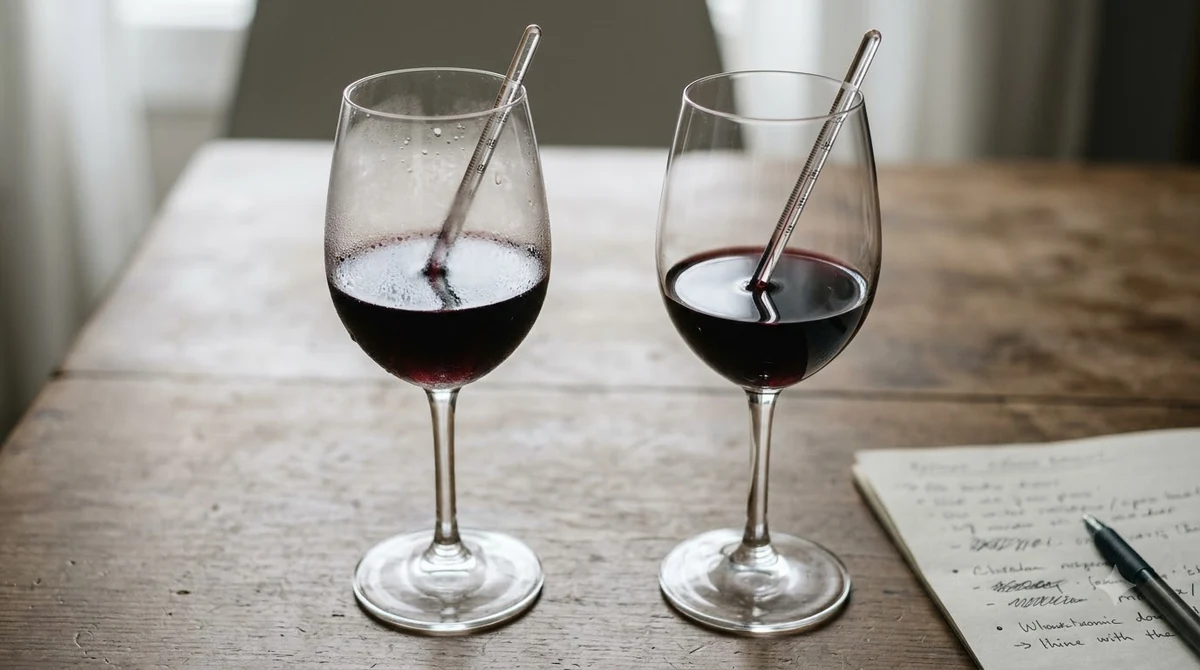
Fruity reds emphasize recognizable berry and plum flavors, often with softer tannins and a relatively easy-drinking texture. Garnacha, Merlot, and many Malbec selections are useful options for this category.
Spanish Garnacha can show strawberry, raspberry, and cherry characteristics, sometimes accompanied by herbs and earthy notes. Argentine Malbec generally moves toward darker fruit, including plum and blackberry. Merlot often provides a rounder combination of plum, cherry, and gentle spice.
These wines are particularly suitable for casual meals, burgers, roasted chicken, and pizza. Their fruit-forward character can also make them easier starting points for drinkers who are still learning to recognize tannin and acidity.
Bold and structured reds
Shoppers who enjoy stronger flavors should explore Cabernet Sauvignon, Syrah, and Petite Sirah. These grapes can provide more substantial tannins, darker fruit, and a longer finish than lighter everyday reds.
Cabernet Sauvignon commonly delivers blackcurrant, blackberry, and cedar-like characteristics. Syrah can offer blackberry, black pepper, and savory spice, while Petite Sirah is often especially concentrated and tannic. Affordable examples can be excellent companions for grilled meats, barbecue, and hearty stews.
Chile, California, and southern France are worthwhile places to investigate for these styles. The key is to find enough fruit and freshness to balance the structure. A red that feels excessively drying or alcoholic may not be the best everyday option, even if it has a powerful flavor profile.
Light and fresh reds
Pinot Noir and some Italian reds are useful choices for drinkers who prefer freshness over concentration. These wines generally emphasize red berries, cherry, herbs, and acidity rather than heavy tannins.
Pinot Noir from California’s Central Coast or Oregon’s Willamette Valley can provide a useful introduction to this style. Sangiovese from Italy is another good choice, especially for people who enjoy bright acidity and cherry-driven flavors.
Light reds are particularly versatile with roast chicken, mushroom dishes, turkey, and pork. Pinot Noir can also work better than heavily tannic reds with oily fish because its lower tannin level is less likely to clash with the fish’s texture.
Dry versus sweet affordable reds
Dryness and body describe different characteristics. A dry wine has little perceptible residual sugar, but it can still taste fruity because ripe grapes produce strong fruit aromas and flavors. A full-bodied dry Malbec, for example, can taste like ripe plum without being a sweet wine.
Sweet red wines contain noticeable residual sugar and can be a better choice for drinkers who prefer softer, sweeter flavors. If sweetness is important, search specifically for a sweet red style rather than assuming that a fruit-forward wine will taste sugary.
For food pairing, match a sweet wine with food that is equally sweet or less sweet than the wine. For acidic foods, choose a red with equal or higher acidity so the wine does not taste flat. Salt and fat can soften tannin, making structured reds more approachable alongside rich meals.
Common Mistakes When Shopping for Inexpensive Red Wine
Several common buying habits make it harder to recognize value. The biggest problems include judging wine by packaging, confusing fruitiness with sweetness, choosing famous regions automatically, and overlooking the practical importance of food pairing.
One frequent mistake is assuming a heavier bottle contains better wine. Thick glass, oversized labels, elaborate capsules, and decorative packaging can make a bottle appear more prestigious, but these features do not establish the quality of its contents. The money spent on packaging does not necessarily translate into better grapes or more careful winemaking.
Another misconception concerns closures. A screw cap is not proof that a wine is inferior. Screw caps can provide a practical and consistent closure for wines intended for relatively early consumption. Cork closures are traditional, but the closure alone should not determine whether you purchase a particular bottle.
Shoppers also frequently overlook lesser-known grapes. Famous varieties attract attention, but unfamiliar grapes can offer a more interesting combination of regional character and affordability. Carménère from Chile, Bobal from Spain, Primitivo from southern Italy, and Nero d’Avola from Sicily are useful examples.
Regional reputation can also create unnecessary spending. Famous names such as Napa Valley, Burgundy, and Barolo may command higher prices because of demand, land costs, and established prestige. Exploring neighboring or less famous regions can provide a similar general style without paying the same reputation premium.
Do not assume that every bottle from a particular producer tastes identical. Vintage conditions can affect ripeness, acidity, and the overall balance of a wine. Wine Folly specifically highlights vintage variation as a reason to reassess familiar recommendations rather than treating an old favorite as a permanent guarantee.
Another mistake is choosing a wine without considering the food. A high-tannin Cabernet Sauvignon can work beautifully with a fatty steak, but the same wine may overwhelm a delicate vegetable dish. A light Pinot Noir or fresh Garnacha may be more suitable for poultry, mushrooms, and less intensely flavored meals.
Finally, avoid assuming that a wine must be expensive to deserve attention. The objective is not to find the cheapest possible bottle. It is to find the best balance of flavor, structure, freshness, and drinking enjoyment within your available budget.
Care and Storage Tips for Everyday Red Wine
Proper storage and serving make an important difference, even with inexpensive bottles. Avoid excessive heat, serve each style at an appropriate temperature, and refrigerate opened wine to preserve its freshness.
Store unopened bottles in a cool, dark location with a relatively stable temperature. A temperature near 55°F is a useful target for longer-term storage. Keep bottles away from direct sunlight, radiators, hot kitchens, and areas where temperatures fluctuate considerably.
Bottles sealed with natural cork are traditionally stored on their sides to help maintain contact between the wine and the closure. Screw-cap bottles do not require this arrangement, although horizontal storage can still be convenient. Most inexpensive reds are intended for relatively early enjoyment rather than extensive cellaring, so there is little reason to accumulate large quantities unless you have a clear plan to drink them.
Serve red wine slightly cool
Room temperature is not a universal serving recommendation. Modern indoor temperatures can be warmer than ideal for many red wines, particularly lighter styles. Serving wine too warm can make alcohol seem more prominent and reduce the impression of freshness.
Use these general serving temperatures:
- Light reds: 55–60°F, particularly Pinot Noir and lighter Garnacha.
- Full-bodied reds: 60–65°F, including Cabernet Sauvignon, Syrah, and Malbec.
- Medium-bodied reds: Around 58–62°F for many Merlot, Tempranillo, and Sangiovese selections.
If a bottle has been sitting in a warm room, place it in the refrigerator briefly before serving. A lighter red can benefit from a slightly longer cooling period than a full-bodied Cabernet. Avoid serving inexpensive reds excessively warm simply because they are traditionally categorized as room-temperature wines.
Preserve opened bottles
After opening, replace the cork or closure and refrigerate the remaining wine. Most still red wines retain reasonable freshness for approximately three to five days when properly resealed and stored in the refrigerator.
Allow refrigerated wine to warm slightly before serving again. This gives the fruit aromas and overall texture more room to express themselves. If the wine develops noticeably stale aromas, loses its fruit character, or tastes unpleasantly oxidized, it is no longer at its best.
Decanting is not essential for most inexpensive reds. However, a young, full-bodied Cabernet Sauvignon or Syrah can benefit from approximately 30–60 minutes of aeration if it initially seems particularly closed or firm. Lighter Pinot Noir and delicate reds generally need less time.
Choose practical packaging
Glass bottles remain a familiar choice, but cartons and bag-in-box packaging can be practical alternatives for everyday consumption. Cartons can reduce packaging and shipping costs, while bag-in-box wine provides a convenient way to pour smaller quantities without repeatedly exposing the remaining wine to air.
Standard 750 ml bottles provide approximately five 5 oz servings. Bag-in-box wine is particularly convenient for frequent household use, with properly stored opened wine commonly retaining its quality for approximately four to six weeks.
Buying by the case can also provide better value if you already know that you enjoy the wine. Some retailers offer case discounts of up to 15 percent, although actual savings vary by store, selection, and promotion. It is sensible to purchase a small quantity first and confirm that the wine suits your preferences before buying a full case.
Shoppers interested in production methods can also investigate organic red wine. Organic certification concerns grape-growing and production requirements rather than automatically guaranteeing a particular flavor, price, or level of quality.
Frequently Asked Questions
Does inexpensive red wine improve after several years of aging?
Most everyday inexpensive reds are produced for relatively early consumption rather than extended cellaring. Their fruit-forward character is generally intended to be enjoyed while the wine is young. A small number of affordable bottles can develop with time, but aging potential depends on acidity, tannin, concentration, and winemaking rather than price alone.
Does red wine contain natural grape sugar after fermentation?
Yes, red wine can retain residual grape sugar after fermentation. The amount depends on how much sugar the yeast converts into alcohol and whether fermentation stops before all fermentable sugar is consumed. Dry wines generally have very little residual sugar, while off-dry and sweet styles retain more.
Can inexpensive red wine be used for cooking?
Yes. Dry, reasonably balanced reds are useful for beef stews, tomato sauces, braised mushrooms, and pan sauces. Avoid using a wine that is noticeably faulty or excessively sweet unless the recipe specifically requires that flavor. Cooking concentrates some wine characteristics, so a clean and straightforward bottle is usually preferable to an elaborate wine.
What does reserve mean on an affordable red wine label?
The meaning of reserve varies by country, region, and wine producer. In some regulated wine regions, terms such as Reserva or Riserva have specific aging requirements. In other markets, reserve can be a producer’s discretionary marketing designation, so the word alone does not establish a wine’s quality or aging history.
Is a screw-cap red wine suitable for serving at a dinner party?
Absolutely. Screw-cap closures are widely used for wines intended to preserve freshness and be enjoyed relatively young. They are convenient for serving, particularly at informal dinners and outdoor gatherings. The closure does not determine the wine’s grape quality, regional identity, or suitability for a particular meal.
Finding an enjoyable inexpensive red wine is mainly about understanding your preferred style and exploring regions that deliver good everyday value. Start with familiar grapes, compare a few producers, and pay attention to acidity, tannin, body, and food compatibility. Once you discover the characteristics you enjoy, building a reliable selection of affordable reds becomes much easier.
More in Wine Buying Guides
 Cheap Red Blend: How to Find a Flavorful Bottle for LessUpdated Nov 20, 2026
 Pinot Grigio Gift: How to Choose a Bottle They’ll EnjoyUpdated Nov 20, 2026
 Best White Wine at Total Wine for Every MealUpdated Nov 20, 2026
 Wine Fridge Replacement Shelves: Find the Right FitUpdated Nov 20, 2026
 Best Sparkling Wine Under 20: Find Bubbles Worth BuyingUpdated Nov 20, 2026
 Best Wine For Birthday Celebrations With Perfect Party PairingsUpdated Nov 20, 2026