

We may earn a commission when you buy through links on this page, at no extra cost to you. Learn more.
Vermont vineyards are small, cold-climate operations that grow hardy French-American hybrid grapes, along with some Vitis vinifera such as Chardonnay and Riesling. According to Wikipedia’s Vermont wine article, the state has about 175 acres of planted vineyard, and the first commercial winery, Snow Farm Winery, opened in 1997. The cold winters make the work difficult, so the wines are usually made in limited quantities and sold close to home.
This guide explains how Vermont vineyards work, which grapes they grow, why the climate shapes the wines, and how to find and enjoy them. It is written for someone planning a visit, buying a bottle, or wondering why a New England wine tastes different from one made in California.
Why Vermont is a hard place to grow grapes
Vermont sits far north, and its winters are long and cold. Growers must choose vines that survive low temperatures and a short growing season. The Wikipedia article on Vermont wine describes the state as a very cold climate for viticulture, and that single fact explains most of the choices local producers make in the vineyard.
Winter is not the only test. Growers also have to plan around the length of the season, since a late spring and an early frost leave a narrow window for ripening. Choosing a site on a slope or near a lake can help move cold air away from the vines, and careful pruning keeps the crop at a level the plant can ripen in time. These choices are made vineyard by vineyard, so two farms a few miles apart can produce very different results.
Cold is only part of the challenge. Spring frost can damage new shoots, and a wet summer can encourage mildew. Growers therefore work with varieties that are bred for hardiness and disease resistance, and they often manage their canopies carefully so the fruit ripens before the autumn cool sets in.
The grapes you will find in Vermont
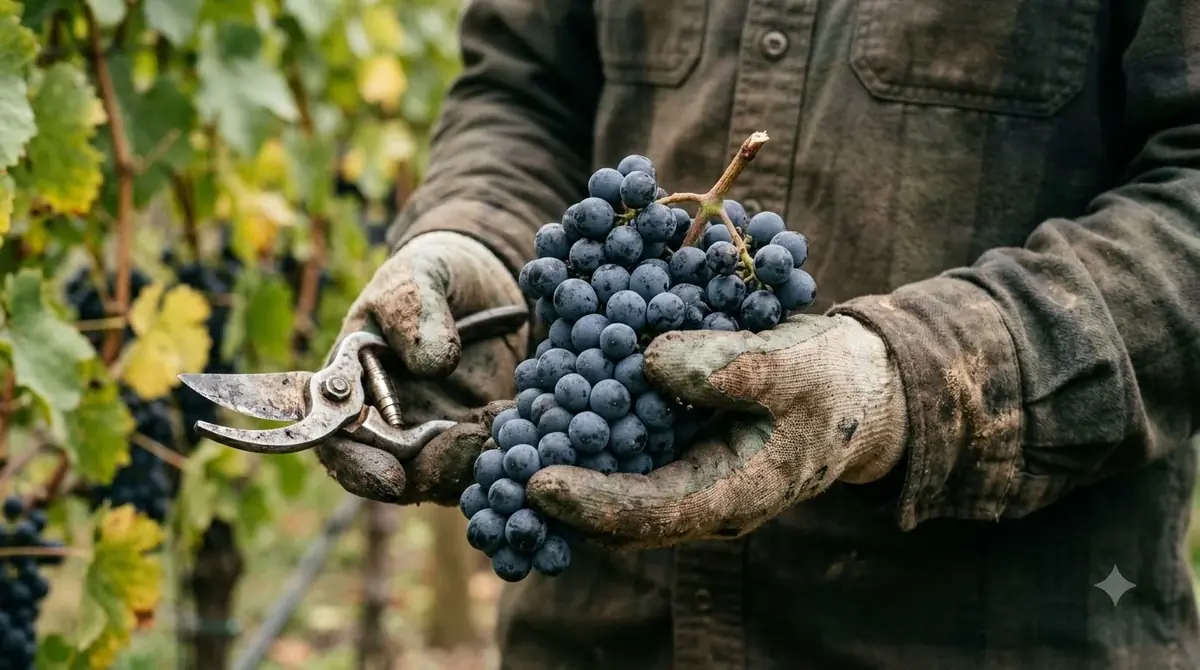
Most Vermont wineries focus on cold-hardy French hybrids. The Wikipedia article lists varieties such as Baco noir, Cayuga, Frontenac, Leon Millot, Marechal Foch, Seyval blanc, St. Croix, Traminette, Vidal blanc, and Vignoles, along with Zweigelt. Some producers also experiment with Vitis vinifera varieties, including Chardonnay and Riesling, which are more common in warmer regions.
Hybrids can taste different from classic European wines. Many reds show bright berry fruit and a supple texture, and many whites are fresh and aromatic with good acidity. Because the grapes are chosen for survival, the wines often suit casual meals and local food rather than long aging.
| Grape group | Examples named in the source | What it tends to offer |
|---|---|---|
| Red hybrids | Baco noir, Marechal Foch, St. Croix, Frontenac | Berry fruit, soft tannin, easy drinking |
| White hybrids | Seyval blanc, Vidal blanc, Traminette, Vignoles | Fresh, aromatic, good acidity |
| Vinifera | Chardonnay, Riesling | Classic varietal character, grown in fewer sites |
Tip: A Vermont bottle is often best with local food such as cheese, smoked fish, or roasted vegetables from nearby farms.
How many vineyards and wineries are there?
Vermont’s wine industry is small. The Wikipedia article reports about 175 acres of planted vineyards statewide and lists a small number of wineries. Some Vermont producers also source fruit from other states, especially New York, so a label can tell you where the grapes came from as well as where the wine was made.
That size matters for buying. Production is limited, so a favorite bottle may sell out in a season. If you find a wine you like, buy a second bottle sooner rather than later, and ask the winery whether it sells by mail or through local shops.
The Champlain Valley and proposed appellation
Much of the state’s wine activity clusters in the west, near Lake Champlain. In 2022, Kenneth Albert, founder of Shelburne Vineyard and president of the Vermont Grape and Wine Council, petitioned the federal Alcohol and Tobacco Tax and Trade Bureau to recognize a “Champlain Valley of Vermont” American Viticultural Area. The proposed area stretches from Lake Champlain to the Green Mountains, and from Rutland County to the Canadian border.
As of the Wikipedia article, that designation is not final. If it is approved, it will give Vermont labels a clear regional name, much like the appellations used elsewhere in the United States. Until then, check the label for the town or county, which still tells you where the vines grow.
Visiting Vermont vineyards
Vermont vineyards are best visited in person. Many are small family operations, and a tasting often happens in a barn, a farmhouse, or a converted building on the property. Expect a relaxed setting and a chance to talk with the people who make the wine. Many wineries are a short drive from one another in the western part of the state, which makes a day of visits practical.
Plan the trip around the seasons, too. Summer and early fall are the easiest months for outdoor tastings, while winter visits may be limited to indoor tastings at fewer locations. Bring a cooler or plan a shipping option if you buy several bottles, because the drive home can be long and warm bottles lose freshness.
Check opening hours before you travel, because small wineries may close on certain weekdays or change their schedule by season. Some offer tours of the production area, while others focus only on tastings. If you are comparing visits, a guide to Santa Ynez Valley vineyards shows how a warmer, larger wine region sets up its tasting rooms. The contrast helps you appreciate how different a cold-climate vineyard can feel.
How to choose a Vermont bottle
Start with your meal. A chilled white hybrid works well with salads and fish, while a fruity red suits grilled sausages or roast pork. If you want to compare a cold-climate red with a bolder style, try a Vermont Marechal Foch next to a warm-region Syrah, and note how the fruit and texture differ.
When buying, read the label for the producer, vintage, and grape. Hybrids may carry names that are unfamiliar, so ask a staff member to describe the style. Many Vermont producers are happy to explain how the wine was made, and that conversation is part of the appeal of buying local.
Frequently Asked Questions
What grapes do Vermont vineyards grow?
Most vineyards grow cold-hardy French hybrids such as Baco noir, Marechal Foch, Seyval blanc, and Vidal blanc. Some also grow Vitis vinifera varieties like Chardonnay and Riesling, which are more common in warmer regions.
Why do Vermont wines use hybrid grapes?
Hybrids are bred to survive Vermont’s cold winters and short growing season. The Wikipedia article describes the state as a very cold climate for viticulture, so hardy varieties give growers a more reliable crop.
How big is the Vermont wine industry?
According to Wikipedia, Vermont has about 175 acres of planted vineyard and a small number of wineries. The industry is modest in size, which is why many bottles are sold close to home.
Can I visit Vermont vineyards without a car?
A car makes visits much easier, since wineries are spread across the state and many are in rural areas. Check each winery’s hours and ask whether it offers tours or taxi-friendly pickup before you plan a route.
Vermont vineyards reward curiosity. Try a white hybrid with a simple meal, visit one or two wineries in the western part of the state, and ask about the grapes behind each bottle. For broader context on how regions differ, browse the wine regions guide and compare Vermont with other cold-climate and warm-climate areas.
More in Wine Regions
 Willcox Wine Trail: Discover Arizona’s High-Elevation Wine CountryUpdated Nov 20, 2026
 Yakima Valley Wine Region: Find the Best Styles to TryUpdated Nov 20, 2026
 Vosne Romanee Wine Tasting: Identify Aromas and Choose Better PairingsUpdated Nov 20, 2026
 Yakima Valley Wine Festival: Find the Best Seasonal Wine EventsUpdated Nov 20, 2026
 Wales Vineyards: Discover Cool-Climate Wines and Where to VisitUpdated Nov 20, 2026
 Yountville Wine Festival: Discover Napa Wines and Local FoodUpdated Nov 20, 2026